


Claimed
Top10 Rehabs has connected directly with this treatment provider to validate the information in their profile.

Insurance Accepted

$14, 500 per month
A long-term residential program for adolescents and teen girls’ ages 12-18, specialized in treating complex trauma and mental health issues.
Connect with Wildflower Mountain Ranch by calling their admissions team directly.

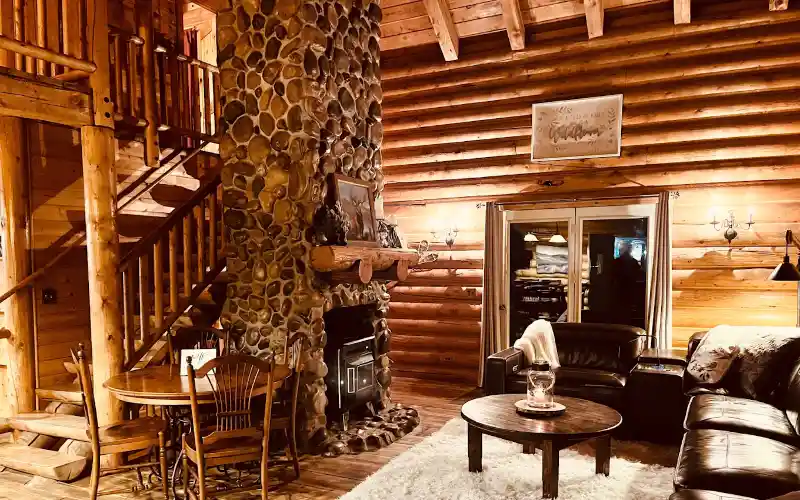


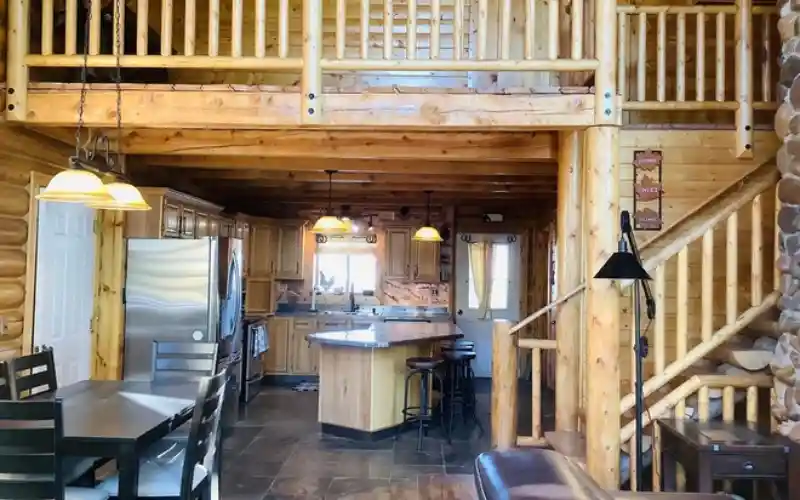





Wildflower Mountain Ranch is a 6-12 month residential program for adolescent and teen girls ages 12-18 struggling with complex trauma, behavioral issues, post traumatic stress (PTSD), ADHD, anxiety, grief, self-harm, and more. The approach at Wildflower is centered on serving the entire family. In addition to providing treatment to adolescents, the ranch offers a parent program, parent/caregiver therapy, and family therapy. By adopting this comprehensive approach, Wildflower aims to address the needs of both the young women and their families, promoting healing and growth within a supportive network.
The treatment center utilizes evidence-based and emerging therapeutic approaches, such as eye movement therapy (EMDR), dialectical behavior therapy (DBT), trust-based relationship interventions, animal-assisted therapy, and equine therapy. The focus is on helping girls reconnect with their true selves, separate from the challenges they have faced. To foster this reconnection, Wildflower incorporates activities that promote attachment and family support, including animal-assisted therapy and adventure therapy.
Situated in a ski-resort, lake-side setting, the ranch home houses 4 to 8 girls with a minimum of a 3 month stay. The luxury cabin offers shared rooms, family style meals, friendly on-site animals, and plenty of opportunities for activities.

$14, 500 | per month
Extended options available
Adolescents
Adolescents
Adolescents receive the treatment they need for mental health disorders and addiction, with the added support of educational and vocational services.
Women only
Women only
Women attend treatment in a gender-specific facility, with treatment delivered in a safe, nourishing, and supportive environment for greater comfort.

Mental health is a complex health condition that requires a comprehensive, patient-centered approach to treatment that ensures you receive the appropriate care at the right time, based on your individual needs.

Typically the initial stage of treatment for substance use, focusing on medically supervised management of withdrawal symptoms.

An intensive program offering 24 hour care and a variety of therapeutic services in a residential setting.
Transitional housing designed to support individuals recovering from substance use disorders offering a safe, supportive and structured environment for practicing long-term sobriety, while reintegrating back into daily living.
Treatment programming allowing patients to receive care without staying in a hospital or inpatient facility, providing a variety of therapeutic and medical services.

Adolescents
Adolescents
Adolescents receive the treatment they need for mental health disorders and addiction, with the added support of educational and vocational services.
Trauma
Trauma
Some traumatic events are so disturbing that they cause long-term mental health problems. Those ongoing issues can also be referred to as ‘trauma.’
Women only
Women only
Women attend treatment in a gender-specific facility, with treatment delivered in a safe, nourishing, and supportive environment for greater comfort.
1-on-1 Counseling
1-on-1 Counseling
Patient and therapist meet 1-on-1 to work through difficult emotions and behavioral challenges in a personal, private setting.
Trauma-Specific Therapy
Trauma-Specific Therapy
This form of talk therapy addresses any childhood trauma at the root of a patient’s current diagnosis.
Animal Therapy
Animal Therapy
Animals can inspire trust and self-worth. In this experiential therapy, guided interactions are used to improve social skills and emotion regulation.
Equine Therapy
Equine Therapy
Guided interactions with trained horses, their handler, and a therapist can help patients improve their self-esteem, trust, empathy, and social skills.
Experiential Therapy
Experiential Therapy
With this approach, patients heal by doing. Therapists help patients process difficult emotions to speak, using guided activities like art or dance.
Eye Movement Therapy (EMDR)
Eye Movement Therapy (EMDR)
Lateral, guided eye movements help reduce the emotional reactions of retelling and reprocessing trauma, allowing intense feelings to dissipate.
Family Therapy
Family Therapy
Family therapy addresses group dynamics within a family system, with a focus on improving communication and interrupting unhealthy relationship patterns.
Life Skills
Life Skills
Teaching life skills like cooking, cleaning, clear communication, and even basic math provides a strong foundation for continued recovery.
Dialectical Behavior Therapy
Personality Disorders
Personality Disorders
Personality disorders destabilize the way a person thinks, feels, and behaves. If untreated, they can undermine relationships and lead to severe distress.
ADHD, ADD
ADHD, ADD
ADHD is a common mental health condition caused by dopamine imbalance. Common symptoms include inattention, hyperactivitiy, and impulsivity.
Anger
Anger
Although anger itself isn’t a disorder, it can get out of hand. If this feeling interferes with your relationships and daily functioning, treatment can help.
Anxiety
Anxiety
Anxiety is a common mental health condition that can include excessive worry, panic attacks, physical tension, and increased blood pressure.
Bipolar
Bipolar
This mental health condition is characterized by extreme mood swings between depression, mania, and remission.
Depression
Depression
Symptoms of depression may include fatigue, a sense of numbness, and loss of interest in activities. This condition can range from mild to severe.
Post Traumatic Stress Disorder
Post Traumatic Stress Disorder
PTSD is a long-term mental health issue caused by a disturbing event or events. Symptoms include anxiety, dissociation, flashbacks, and intrusive thoughts.
Self-Harm
Self-Harm
The act of intentionally harming oneself, also called self-injury, is associated with mental health issues like depression.
Suicidality
Suicidality
With suicidality, a person fantasizes about suicide, or makes a plan to carry it out. This is a serious mental health symptom.
Trauma
Trauma
Some traumatic events are so disturbing that they cause long-term mental health problems. Those ongoing issues can also be referred to as ‘trauma.’
Family Follow-up Counseling
Follow-up Sessions (online)
Ability to Call a Counselor
Alumni Events & Get-Togethers

Air-Conditioned Rooms
Bathroom Essentials (towels, soap, shampoo)
Hair Dryer
Laundry Service
Shared Bathroom
Shared Rooms
Snacks
Walk-in Closet
Welcome Package
Access to Nature
Gardens
Outdoor Dining
Outdoor Lounge
Walking Trails
Center Pets
Center Pets
Addiction and mental health facilities with pets allow patients to interact with friendly dogs, cats, horses, and in some cases, even dolphins.
Gender-specific groups
Gender-specific groups
Patients in gender-specific groups gain the opportunity to discuss challenges unique to their gender in a comfortable, safe setting conducive to healing.
You have center pets
Young Adults Program
Young Adults Program
Programs for young adults bring teens 18+ together to discuss age-specific challenges, vocational and educational progress, and successes in treatment.
Adventure Outings
Cooking Classes
Farming, Gardening
Games
Horseback Riding
Water Activities
Adventure Outings
Hiking
Movies
Skiing
Snowboarding
Airport Transfers
Bowling Alley
Theater
Walking Trails
While costs may vary due to program length and insurance benefits, it typically costs $14, 500 per month.
Eden, Utah, United States.
The typical length is 3-6 months.
Top10 Rehabs is an independent organization that simplifies finding the best mental health and addiction treatment. Comprehensive profiles of over 2,500 rehab centers include insurance coverage, pricing, photos, reviews, and more. Choosing the best path to recovery has never been easier.