Verified
This provider’s information has been quality-checked by Top10 Rehabs’s Research Team for accuracy and completeness, including data verification through appropriate third-party organizations.View This Center’s Verified License
An outpatient center providing day treatment, intensive outpatient, outpatient, and specialized care for working professionals and co-occurring conditions.
Highlights
Connect with Valley Spring Recovery Center by calling their admissions team directly.


Valley Spring Recovery is an outpatient center providing a day treatment program, an intensive outpatient program (IOP), an outpatient program, sober living, and a virtual/telehealth option. They use integrative, personalized care to simultaneously address addiction and co-occurring mental health conditions. Valley Spring Recovery also focuses on creative therapies for a well-rounded, holistic recovery experience.
Valley Spring Recovery’s levels of care provide flexible options for outpatient recovery. Clients can live in Valley Spring Recovery’s sober living or in their own home during treatment. Their care levels include:
•Day treatment, which runs 5 days weekly, 5 hours a day. Clients typically attend day treatment for 30+ days. Valley Spring Recovery provides daily group therapy and a weekly 1:1 therapy session, plus lunch and weekly recovery outings.
•Intensive outpatient program (IOP), which runs 3-5 days weekly, 3 hours a day. Clients can attend day or evening IOP sessions for 6-12 months.
•Outpatient and virtual outpatient, which offer weekly therapies and group support either in person or online.
Valley Spring Recovery uses a tailored combination of evidence-based therapies, including:
•Cognitive behavioral therapy (CBT) and dialectical behavioral therapy (DBT)
•Medication-assisted treatment
•Group, individual, and family therapy
•Trauma therapy and eye movement desensitization and reprocessing (EMDR) therapy
•Wellness therapies, life skills therapies, and executive therapy
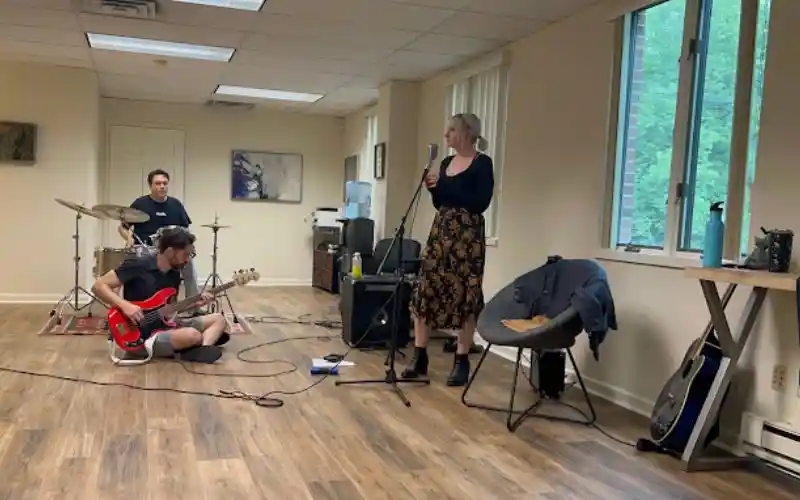
•Creative therapies using art, sewing, and drama
Valley Spring Recovery’s working professionals program provides sessions during non-working hours, specialty group sessions, 1:1 sessions with therapists experienced in professional treatment, educational workshops, and medication management. They address co-occurring mental health conditions in all levels of care, providing specialized trauma treatment and care for co-occurring mood disorders. Valley Spring Recovery’s life skills therapy teaches job readiness, time management, money management, and more.

Provider’s Policy:Valley Spring accepts insurance from a wide variety of providers, but you’ll still need to verify that your specific plan will pay for your treatment and determine which treatment services your policy covers. Our online insurance verification is actually a very straightforward process.
In any case, not every insurance plan covers the same courses of treatment. Our team members and our health insurance verification system are able to act as a preliminary estimation of your in-network and out-of-network coverage quickly and easily.
With roots in the health field dating back to 1961, Humana is a trusted insurance provider that proudly serves over 20 million Americans.
Exclusively serving federal and postal employees with clinical and dental benefits for employees and their families. Benefits apply to retired military, too.
Providing health care programs that reinforce, maintain, and sustain good health for uniformed service members, retirees, and their families globally.
Cigna’s unique history traces back to 1792, but today they offer services to 190 million customers in 30 different countries across the globe.
A leading healthcare provider serving over 100 million Americans as one of the largest insurance companies in the country.
Carelon Behavioral Health, formerly Beacon Health Options, is headquartered in Boston, Massachusetts and serves over 40 million people.
Offering plans to individuals and businesses throughout the United States and in countries around the world.
One of the largest health insurance companies in the US, offering several health insurance options to individuals and businesses.
Founded in 1946, Anthem is the 4th largest public managed health care company in the United States and serves over 46 million clients.
Founded in 1957, HealthPartners focuses on providing comprehensive access to care for customers across the Midwest.
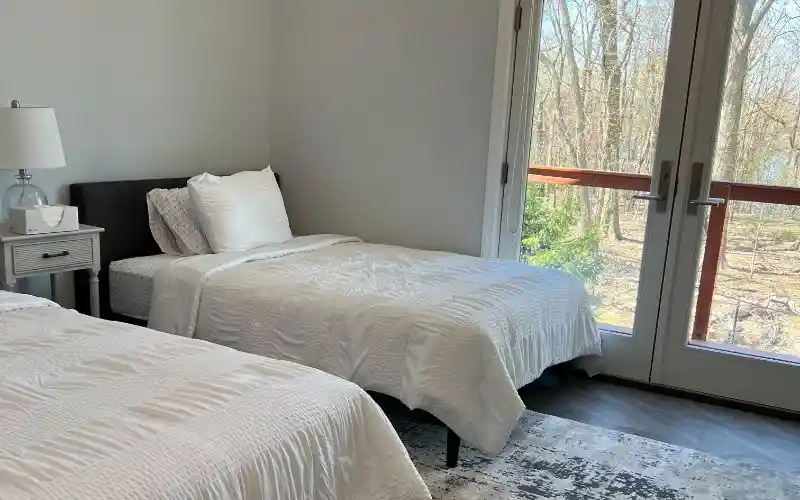
Valley Spring Recovery’s levels of care include day treatment, an intensive outpatient program (IOP), outpatient, and virtual outpatient. Clients move seamlessly from one level of care to the next with case management throughout. Virtual care and day and evening IOP offer greater flexibility for working professionals. Clients can live in Valley Spring Recovery’s nearby sober living during outpatient care.
Valley Spring Recovery’s working professionals program provides group sessions with other professionals, evening sessions, and 1:1 therapy with therapists experienced in treating professionals. They also counsel on career development, stress management, and relaxation techniques. Valley Spring Recovery works directly with employer groups, unions, nurses associations, and more for efficient communication.
Valley Spring Recovery personalizes their care to individual needs, using an initial assessment to guide treatment. They incorporate multiple evidence-based therapies throughout treatment, including medication management. Clients meet weekly with Valley Spring Recovery’s medical director to discuss progress with medications and determine needs.
Valley Spring Recovery provides bi-weekly family therapy sessions with clients and their loved ones. After treatment, clients join a thriving alumni community. Valley Spring Recovery’s alumni program includes continued group and 1:1 therapy, connections to other resources like sober living, and monthly alumni meetings.
RehabPath verified that the name, location, contact information and license to operate for this treatment provider are valid and up-to-date. Valley Spring Recovery Center has verified the information on this page to be accurate.
RehabPath is an independent, third-party mental health resource. Verification does not imply endorsement and does not guarantee the quality of treatment services
Men and Women
Men and Women
Men and women attend treatment for addiction in a co-ed setting, going to therapy groups together to share experiences, struggles, and successes.
Alcohol
Alcohol
Using alcohol as a coping mechanism, or drinking excessively throughout the week, signals an alcohol use disorder.
Benzodiazepines
Benzodiazepines
Benzodiazepines are prescribed to treat anxiety and sleep issues. They are highly habit forming, and their abuse can cause mood changes and poor judgement.
Cocaine
Cocaine
Cocaine is a stimulant with euphoric effects. Agitation, muscle ticks, psychosis, and heart issues are common symptoms of cocaine abuse.
Drug Addiction
Drug Addiction
Drug addiction is the excessive and repetitive use of substances, despite harmful consequences to a person’s life, health, and relationships.
Eating Disorders
Eating Disorders
An eating disorder is a long-term pattern of unhealthy behavior relating to food. Most people with eating disorders have a distorted self-image.
Methamphetamine
Methamphetamine
Methamphetamine, or meth, increases energy, agitation, and paranoia. Long-term use can result in severe physical and mental health issues.
Opioids
Opioids
Opioids produce pain-relief and euphoria, which can lead to addiction. This class of drugs includes prescribed medication and the illegal drug heroin.
Prescription Drugs
Prescription Drugs
It’s possible to abuse any drug, even prescribed ones. If you crave a medication, or regularly take it more than directed, you may have an addiction.
Day Treatment
Day Treatment
In a PHP, patients live at home but follow an intensive schedule of treatment. Most programs require you to be on-site for about 40 hours per week.
Intensive Outpatient Program
In an IOP, patients live at home, but attend treatment for up to 30 hours a week. Most programs include talk therapy, support groups, and other methods.
Virtual
Outpatient Program
Outpatient Program
During outpatient rehab, patients attend a structured treatment program while continuing to live at home.
Residential
Residential
In a residential rehab program, patients live onsite, with access to daily treatment and 24-hour care. An average stay is 30-90 days.
Sober Living
Sober Living
These structured living environments help people transition out of rehab. Residents have more freedom than they do during rehab, but still follow certain rules.
Outpatient Therapy
1-on-1 Counseling
1-on-1 Counseling
Patient and therapist meet 1-on-1 to work through difficult emotions and behavioral challenges in a personal, private setting.
The Sinclair Method
Trauma-Specific Therapy
This form of talk therapy addresses any childhood trauma at the root of a patient’s current diagnosis.
Online Therapy
Online Therapy
Patients can connect with a therapist via videochat, messaging, email, or phone. Remote therapy makes treatment more accessible.
Cognitive Behavioral Therapy
Experiential Therapy
With this approach, patients heal by doing. Therapists help patients process difficult emotions to speak, using guided activities like art or dance.
Eye Movement Therapy (EMDR)
Lateral, guided eye movements help reduce the emotional reactions of retelling and reprocessing trauma, allowing intense feelings to dissipate.
Family Therapy
Family Therapy
Family therapy addresses group dynamics within a family system, with a focus on improving communication and interrupting unhealthy relationship patterns.
Life Skills
Life Skills
Teaching life skills like cooking, cleaning, clear communication, and even basic math provides a strong foundation for continued recovery.
Medication-Assisted Treatment
Combined with behavioral therapy, prescribed medications can enhance treatment by relieving withdrawal symptoms and focus patients on their recovery.
Psychoeducation
Psychoeducation
This method combines treatment with education, teaching patients about different paths toward recovery. This empowers them to make more effective decisions.
Relapse Prevention Counseling
Relapse prevention counselors teach patients to recognize the signs of relapse and reduce their risk.
Solution Focused and Goal-Oriented Therapy
A quick goal-oriented therapy that helps patients identify their current and future goals, find out how to achieve them, and empower future problem-solving.
Twelve Step Facilitation
12-Step groups offer a framework for addiction recovery. Members commit to a higher power, recognize their issues, and support each other in the healing process.
Dialectical Behavior Therapy
Group Therapy
Yoga
Yoga
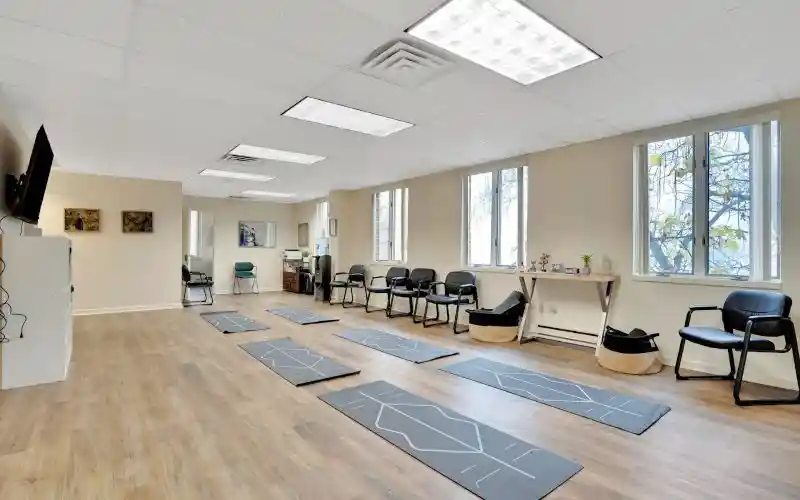
Yoga is both a physical and spiritual practice. It includes a flow of movement, breathing techniques, and meditation.
Alcohol
Alcohol
Using alcohol as a coping mechanism, or drinking excessively throughout the week, signals an alcohol use disorder.
Anxiety
Anxiety
Anxiety is a common mental health condition that can include excessive worry, panic attacks, physical tension, and increased blood pressure.
Benzodiazepines
Benzodiazepines
Benzodiazepines are prescribed to treat anxiety and sleep issues. They are highly habit forming, and their abuse can cause mood changes and poor judgement.
Chronic Relapse
Chronic Relapse
Consistent relapse occurs repeatedly, after partial recovery from addiction. This condition requires long-term treatment.
Co-Occurring Disorders
A person with multiple mental health diagnoses, such as addiction and depression, has co-occurring disorders also called dual diagnosis.
Cocaine
Cocaine
Cocaine is a stimulant with euphoric effects. Agitation, muscle ticks, psychosis, and heart issues are common symptoms of cocaine abuse.
Addictions
Drug Addiction
Drug Addiction
Drug addiction is the excessive and repetitive use of substances, despite harmful consequences to a person’s life, health, and relationships.
Eating Disorders
Eating Disorders
An eating disorder is a long-term pattern of unhealthy behavior relating to food. Most people with eating disorders have a distorted self-image.
Ecstasy
Ecstasy
Ecstasy is a stimulant that causes intense euphoria and heightened awareness. Abuse of this drug can trigger depression, insomnia, and memory problems.
Heroin
Heroin
Heroin is a highly addictive and illegal opioid. It can cause insomnia, collapsed veins, heart issues, and additional mental health issues.
Psychedelics
Psychedelics
Hallucinogenic drugs—like LSD—cause euphoria and increased sensory experiences. When abused, they can lead to depression and psychosis.
Marijuana
Methamphetamine
Methamphetamine
Methamphetamine, or meth, increases energy, agitation, and paranoia. Long-term use can result in severe physical and mental health issues.
Opioids
Opioids
Opioids produce pain-relief and euphoria, which can lead to addiction. This class of drugs includes prescribed medication and the illegal drug heroin.
Prescription Drugs
Prescription Drugs
It’s possible to abuse any drug, even prescribed ones. If you crave a medication, or regularly take it more than directed, you may have an addiction.
Stress
Stress
Stress is a natural reaction to challenges, and it can even help you adapt. However, chronic stress can cause physical and mental health issues.
Synthetic Drugs
Synthetic Drugs
Synthetic drugs are made in a lab, unlike plant-based drugs like mushrooms. Most synthetic drugs are either stimulants or synthetic cannabinoids.
Sober Living
Sober Living
These structured living environments help people transition out of rehab. Residents have more freedom than they do during rehab, but still follow certain rules.
Support Meetings
Air-Conditioned Rooms
Internet Access
Internet Access
Family Program
Yoga
Yoga
Yoga is both a physical and spiritual practice. It includes a flow of movement, breathing techniques, and meditation.
AA/NA Meetings
Physical Fitness
Editorial Team Medical Director
Community Outreach Director
Lead Clinician
Clinician
Operations Manager
Clinician
Digital Journal featured Valley Spring Recovery’s new name and their rebranding as an integrative, empathetic provider.
Read answers to common questions about treatment and its success.
Discover more about the life skills counseling offered at Valley Spring Recovery.
I am eternally grateful for all the staff here, especially John, who not only helped my husband become the man I fell in love with again…but also for his constant contact with me. If it weren’t for his phone calls updating me on his progress and easing my anxiety, I don’t know what I would have done. Thank you so much.
Norwood, New Jersey, United States.
Valley Spring accepts insurance from a wide variety of providers, but you’ll still need to verify that your specific plan will pay for your treatment and determine which treatment services your policy covers. Our online insurance verification is actually a very straightforward process. In any case, not every insurance plan covers the same courses of treatment. Our team members and our health insurance verification system are able to act as a preliminary estimation of your in-network and out-of-network coverage quickly and easily..
The typical length is 30+ Days.
Top10 Rehabs is an independent organization that simplifies finding the best mental health and addiction treatment. Comprehensive profiles of over 2,500 rehab centers include insurance coverage, pricing, photos, reviews, and more. Choosing the best path to recovery has never been easier.