

Unclaimed
This provider hasn’t verified their profile’s information. Are you the owner of this center? Claim your listing to better manage your presence on Top10 Rehabs.
Specialized inpatient care for adults with co-occurring substance use and developmental challenges set on campuses across the state of Michigan.
Claim your profile to manage this page and enable the messaging form.
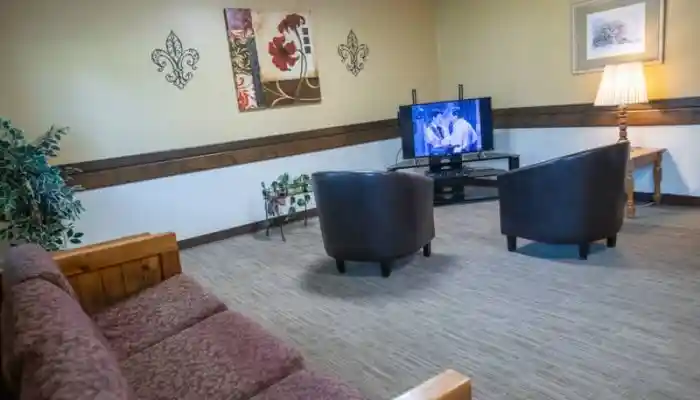
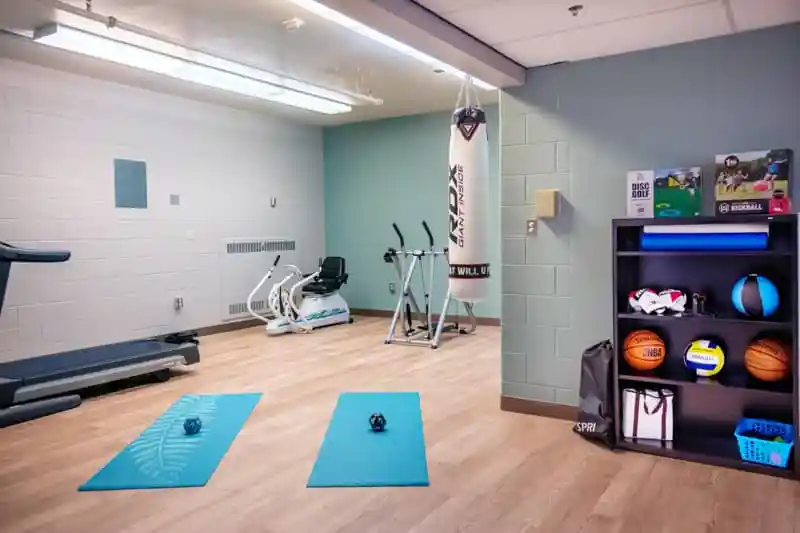
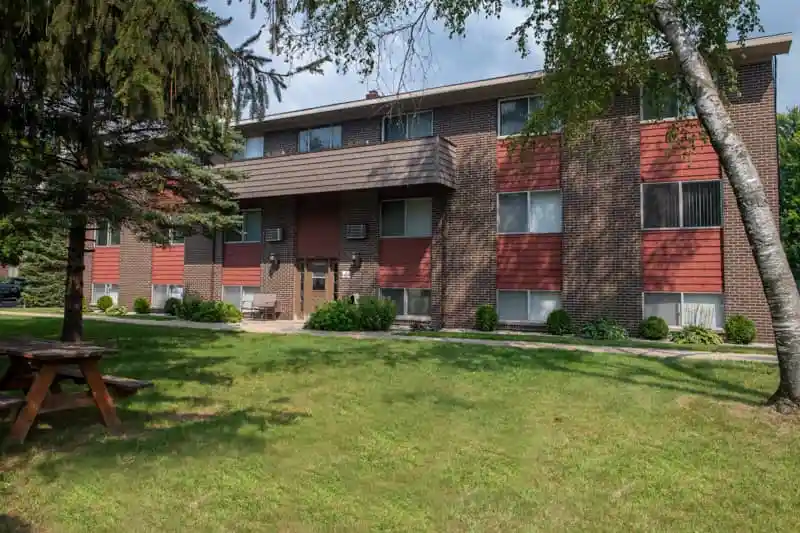

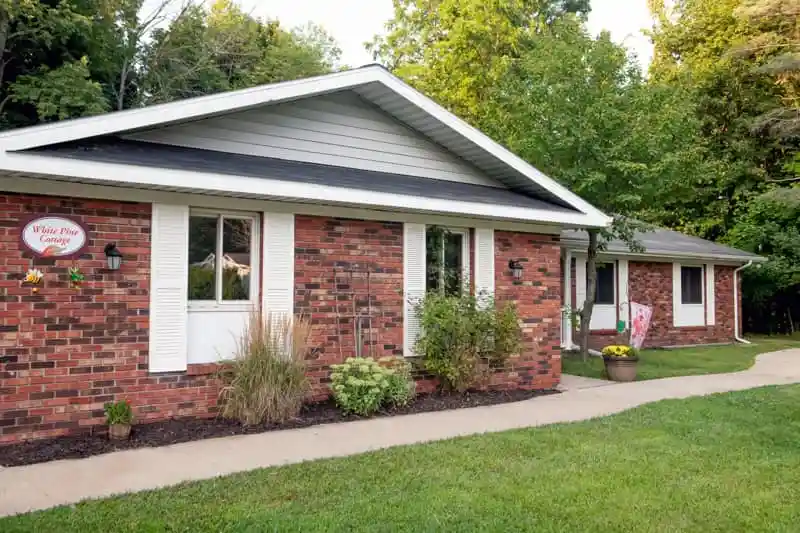
Turning Leaf’s residential treatment centers focus on supporting adults with mental health conditions and developmental challenges. Their treatment facilities have highly trained personnel on around-the-clock duty who are trained to help clients with particular and difficult behavioral requirements. Staff members have received training in food preparation, laundry services, normal household maintenance, activities of daily living (ADLs), shopping, money management, socialization/relationship building, prompting, guiding, assisting, supporting, observing, and monitoring. Turning Leaf supports community inclusion, respect for others’ rights, privacy, and dignity.
Turning life treats adults with severe & persistent mental illness (SPMI), intellectual/ developmental disability (I/DD), autism spectrum disorders (ASD), co-occurring substance use disorders, personality disorders, history of traumatic brain injury (TBI), behavioral complexity, and medical complexity. Their treatment program operates in a residential setting, day treatment, and community housing setting. At their CARF-accredited locations, clients can benefit from medication-assisted treatment (MAT), individual therapy, group therapy, life skills training, recreational activities, and community outings.

Men and Women
Men and Women
Men and women attend treatment for addiction in a co-ed setting, going to therapy groups together to share experiences, struggles, and successes.
Mild Disabilities
Mild Disabilities
Adults with mild physical or intellectual disabilities receive treatment catered to their specific needs in a safe and clinically supportive environment.

Mental health is a complex health condition that requires a comprehensive, patient-centered approach to treatment that ensures you receive the appropriate care at the right time, based on your individual needs.

Typically the initial stage of treatment for substance use, focusing on medically supervised management of withdrawal symptoms.

An intensive program offering 24 hour care and a variety of therapeutic services in a residential setting.
Transitional housing designed to support individuals recovering from substance use disorders offering a safe, supportive and structured environment for practicing long-term sobriety, while reintegrating back into daily living.
In a PHP, patients live at home but follow an intensive schedule of treatment. Most programs require you to be on-site for about 40 hours per week.
Treatment programming allowing patients to receive care without staying in a hospital or inpatient facility, providing a variety of therapeutic and medical services.

Alcohol
Alcohol
Using alcohol as a coping mechanism, or drinking excessively throughout the week, signals an alcohol use disorder.
Drug Addiction
Drug Addiction
Drug addiction is the excessive and repetitive use of substances, despite harmful consequences to a person’s life, health, and relationships.
Mild Disabilities
Mild Disabilities
Adults with mild physical or intellectual disabilities receive treatment catered to their specific needs in a safe and clinically supportive environment.
Evidence-Based
Evidence-Based
A combination of scientifically rooted therapies and treatments make up evidence-based care, defined by their measured and proven results.
Individual Treatment
Individual Treatment
Individual care meets the needs of each patient, using personalized treatment to provide them the most relevant care and greatest chance of success.
1-on-1 Counseling
1-on-1 Counseling
Patient and therapist meet 1-on-1 to work through difficult emotions and behavioral challenges in a personal, private setting.
Life Skills
Life Skills
Teaching life skills like cooking, cleaning, clear communication, and even basic math provides a strong foundation for continued recovery.
Medication-Assisted Treatment
Medication-Assisted Treatment
Combined with behavioral therapy, prescribed medications can enhance treatment by relieving withdrawal symptoms and focus patients on their recovery.
Recreation Therapy
Recreation Therapy
In recreation therapy, recovery can be joyful. Patients practice social skills and work through emotional triggers by engaging in fun activities.
Group Therapy
Personality Disorders
Personality Disorders
Personality disorders destabilize the way a person thinks, feels, and behaves. If untreated, they can undermine relationships and lead to severe distress.
Alcohol
Alcohol
Using alcohol as a coping mechanism, or drinking excessively throughout the week, signals an alcohol use disorder.
Benzodiazepines
Benzodiazepines
Benzodiazepines are prescribed to treat anxiety and sleep issues. They are highly habit forming, and their abuse can cause mood changes and poor judgement.
Co-Occurring Disorders
Co-Occurring Disorders
A person with multiple mental health diagnoses, such as addiction and depression, has co-occurring disorders also called dual diagnosis.
Cocaine
Cocaine
Cocaine is a stimulant with euphoric effects. Agitation, muscle ticks, psychosis, and heart issues are common symptoms of cocaine abuse.
Drug Addiction
Drug Addiction
Drug addiction is the excessive and repetitive use of substances, despite harmful consequences to a person’s life, health, and relationships.
Heroin
Heroin
Heroin is a highly addictive and illegal opioid. It can cause insomnia, collapsed veins, heart issues, and additional mental health issues.
Methamphetamine
Methamphetamine
Methamphetamine, or meth, increases energy, agitation, and paranoia. Long-term use can result in severe physical and mental health issues.
Opioids
Opioids
Opioids produce pain-relief and euphoria, which can lead to addiction. This class of drugs includes prescribed medication and the illegal drug heroin.
Prescription Drugs
Prescription Drugs
It’s possible to abuse any drug, even prescribed ones. If you crave a medication, or regularly take it more than directed, you may have an addiction.
Post Traumatic Stress Disorder
Post Traumatic Stress Disorder
PTSD is a long-term mental health issue caused by a disturbing event or events. Symptoms include anxiety, dissociation, flashbacks, and intrusive thoughts.
Trauma
Trauma
Some traumatic events are so disturbing that they cause long-term mental health problems. Those ongoing issues can also be referred to as ‘trauma.’

Air-Conditioned Rooms
Shared Bathroom
Shared Rooms
Access to Nature
Fitness Center
Adventure Outings
Physical Fitness
Sightseeing
Excursions
Access to Nature
Lansing, Michigan, United States.
The typical length is +30 days.
Top10 Rehabs is an independent organization that simplifies finding the best mental health and addiction treatment. Comprehensive profiles of over 2,500 rehab centers include insurance coverage, pricing, photos, reviews, and more. Choosing the best path to recovery has never been easier.