


Claimed
Top10 Rehabs has connected directly with this treatment provider to validate the information in their profile.

Insurance Accepted

$18,000+/month
Toledo Center for Eating Disorders offers comfortable homes for adolescents (ages 10+) and adults to receive evidence-based treatment for an eating disorder.
Connect with Toledo Center for Eating Disorders by calling their admissions team directly.




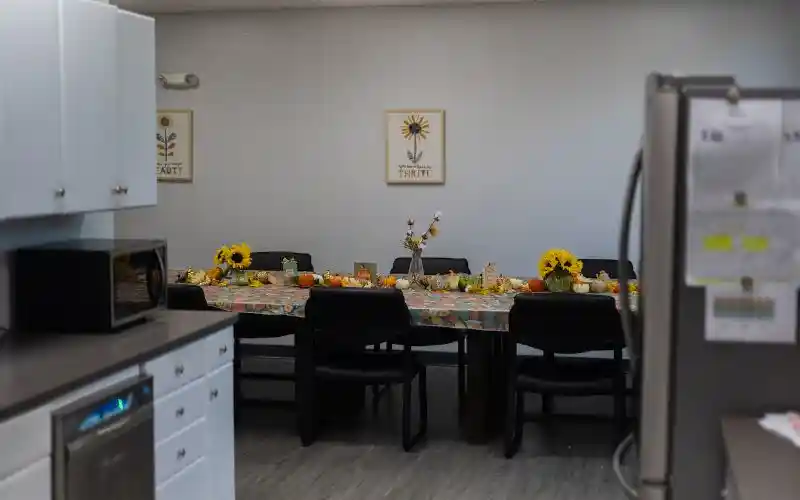

Toledo Center for Eating Disorders provides treatment for adolescents ages 10+ suffering from eating disorders such as anorexia nervosa, bulimia nervosa, and ARFID. Toledo Center for Eating Disorder’s mission is to provide specialized, cost effect treatment. They believe each client’s eating disorder and life experience are unique, therefore they provide customized treatment plans for each individual. Tailored treatment plans help navigate the journey to recovery. Their adolescent residential program offers a high-level of structure, safety, and monitoring. Toledo Center for Eating Disorders provides a safe and comfortable living environment where clients receive 24-hour care, 7 days a week. Adolescents receive assistance from staff members conducting daily living activities such as personal hygiene, medications, and self-responsibility for keeping their rooms clean and neat. The residential program includes medical and psychiatric supervision and evidence-based clinical interventions to help process underlying issues related to eating disorders. Clients participate in individual, group, and family therapy with emphasis on meal planning, symptom reduction/elimination skills, and relapse prevention. In addition to the treatment program, they also offer training on emotional skills, social skills, assertiveness, and stress management techniques.
Toledo Center for Eating Disorders is located on private property near Sylvania, Ohio. Clients can hear the calming sounds of the beautiful Mill Creek that rushes by the campus. The beautiful stone campus is surrounded by trees offering a peaceful, tranquil setting. The campus is fully furnished, and each bedroom comes with a fun and unique design. Toledo Center for Eating Disorders is a well-rounded treatment center, complete with a caring, supportive staff. Treatment length ranges from 6 to 8 weeks, and Toledo Center for Eating Disorders accepts most private insurance.

Men
Women
Adolescents
Adolescents
Adolescents receive the treatment they need for mental health disorders and addiction, with the added support of educational and vocational services.
Children
Children
Treatment for children incorporates the psychiatric care they need and education, often led by on-site teachers to keep children on track with school.
LGBTQ+
LGBTQ+
Addiction and mental illnesses in the LGBTQ+ community must be treated with an affirming, safe, and relevant approach, which many centers provide.

Mental health is a complex health condition that requires a comprehensive, patient-centered approach to treatment that ensures you receive the appropriate care at the right time, based on your individual needs.

Typically the initial stage of treatment for substance use, focusing on medically supervised management of withdrawal symptoms.

An intensive program offering 24 hour care and a variety of therapeutic services in a residential setting.
Transitional housing designed to support individuals recovering from substance use disorders offering a safe, supportive and structured environment for practicing long-term sobriety, while reintegrating back into daily living.
In a PHP, patients live at home but follow an intensive schedule of treatment. Most programs require you to be on-site for about 40 hours per week.
Treatment programming allowing patients to receive care without staying in a hospital or inpatient facility, providing a variety of therapeutic and medical services.

Adolescents
Adolescents
Adolescents receive the treatment they need for mental health disorders and addiction, with the added support of educational and vocational services.
Co-Occurring Disorders
Co-Occurring Disorders
A person with multiple mental health diagnoses, such as addiction and depression, has co-occurring disorders also called dual diagnosis.
Eating Disorders
Eating Disorders
An eating disorder is a long-term pattern of unhealthy behavior relating to food. Most people with eating disorders have a distorted self-image.
Evidence-Based
Evidence-Based
A combination of scientifically rooted therapies and treatments make up evidence-based care, defined by their measured and proven results.
Individual Treatment
Individual Treatment
Individual care meets the needs of each patient, using personalized treatment to provide them the most relevant care and greatest chance of success.
Non 12 Step
Non 12 Step
Non-12-Step philosophies veer from the spiritual focus of the 12-Steps and instead treat the disease of addiction with holistic or secular modalities.
1-on-1 Counseling
1-on-1 Counseling
Patient and therapist meet 1-on-1 to work through difficult emotions and behavioral challenges in a personal, private setting.
Meditation & Mindfulness
Meditation & Mindfulness
A practiced state of mind that brings patients to the present. It allows them to become fully aware of themselves, their feelings, and the present moment.
Cognitive Behavioral Therapy
Experiential Therapy
Experiential Therapy
With this approach, patients heal by doing. Therapists help patients process difficult emotions to speak, using guided activities like art or dance.
Family Therapy
Family Therapy
Family therapy addresses group dynamics within a family system, with a focus on improving communication and interrupting unhealthy relationship patterns.
Narrative Therapy
Narrative Therapy
Through narrative therapy, patients rewrite past events with a positive focus. They separate themselves from the problem to see their purpose and capabilities.
Psychoeducation
Psychoeducation
This method combines treatment with education, teaching patients about different paths toward recovery. This empowers them to make more effective decisions.
Acceptance and Commitment Therapy (ACT)
Acceptance and Commitment Therapy (ACT)
This cognitive behavioral therapy teaches patients to accept challenging feelings and make the appropriate changes to reach personal goals.
Dialectical Behavior Therapy
Group Therapy
Co-Occurring Disorders
Co-Occurring Disorders
A person with multiple mental health diagnoses, such as addiction and depression, has co-occurring disorders also called dual diagnosis.
Eating Disorders
Eating Disorders
An eating disorder is a long-term pattern of unhealthy behavior relating to food. Most people with eating disorders have a distorted self-image.
Outpatient Treatment
Return Visits
Alumni Events & Get-Togethers
Follow-up Sessions (in-person)
Alumni Reunions

Air-Conditioned Rooms
Shared Bathroom
Shared Rooms
Access to Nature
Gardens
Gourmet Dining
Internet
Outdoor Lounge
Healthy Meals are provided
Healthy Meals are provided
Great food meets great treatment, with providers serving healthy meals to restore nutrition, wellbeing, and health.
Young Adults Program
Young Adults Program
Programs for young adults bring teens 18+ together to discuss age-specific challenges, vocational and educational progress, and successes in treatment.
Farming, Gardening
Hiking
Sightseeing
Access to Nature
Walking Trails


Executive Director

Clinical Director

Director of Nursing

Group CEO
Top10 Rehabs is an independent organization that simplifies finding the best mental health and addiction treatment. Comprehensive profiles of over 2,500 rehab centers include insurance coverage, pricing, photos, reviews, and more. Choosing the best path to recovery has never been easier.