Verified
This provider’s information has been quality-checked by RehabPath’s Research Team for accuracy and completeness, including data verification through appropriate third-party organizations.View This Center’s Verified License
Provider’s Policy
$39,000
Providing evidence-based treatment for mental health conditions, addiction, trauma/PTSD, and co-occurring disorders on a serene 90-acre property.
Highlights
Connect with The Refuge A Healing Place by calling their admissions team directly.


The Refuge, a Healing Place (The Refuge) provides residential and day treatment for addiction, mental health, and trauma/PTSD. They’re on 90+ acres and treat co-occurring depression, anxiety, bipolar disorder, self-harm, and process addictions. Their treatment focuses on the client’s needs, the 12 Steps, trauma recovery, and aftercare.
The Refuge employs a range of staff with experience and compassion. Their team includes psychologists, psychiatrists, physicians, social workers, nurses, therapists, and counselors. Clients have weekly individual therapy and multiple group therapies each week. The Refuge’s therapies include cognitive behavioral therapy (CBT), dialectical behavioral therapy (DBT), acceptance and commitment therapy (ACT), 12 Step meetings, eye movement desensitization and reprocessing (EMDR), interpersonal therapy, exposure therapy, and mindfulness-based cognitive therapy.
The Refuge treats addiction, starting with medically monitored detox and medication-assisted treatment (MAT) as needed. Clients begin therapy as soon as they feel able. The Refuge offers treatment for substance and alcohol addictions and process addictions. Along with addiction, The Refuge treats primary or co-occurring mental health conditions like anxiety, depression, bipolar disorder, and self-harm. Clients seeking eating disorder recovery reside in the Oak House with others in the program.
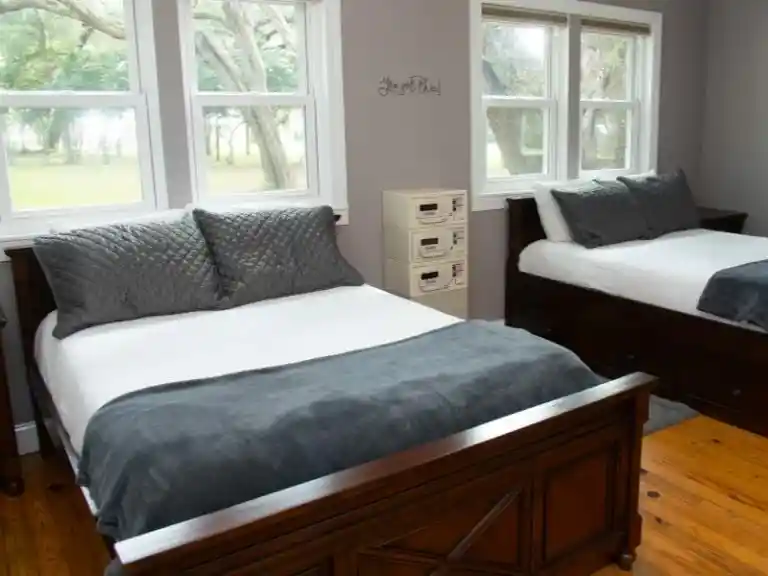
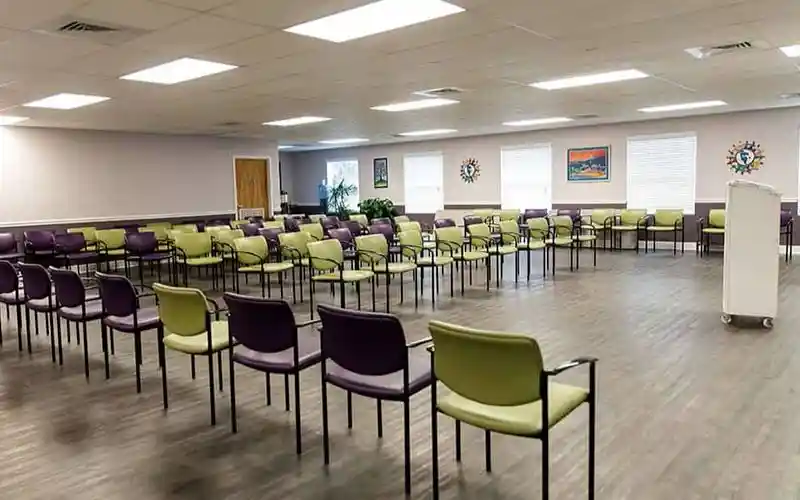
The Refuge offers an inclusive environment for pregnant women and LGBTQ+ clients. Clients live with a roommate in a cozy cabin on The Refuge’s property. Treatment buildings and clinical buildings offer comfortable spaces to receive treatment. When not in therapy or 12-Step meetings, clients can enjoy trauma-informed yoga, art therapy, creative expression, a ropes course, journaling, horseback riding, walking meditative trails, and winding through a labyrinth.

Provider’s Policy:We work with a number of different insurance providers. Fill out the form to verify your insurance.
Cigna’s unique history traces back to 1792, but today they offer services to 190 million customers in 30 different countries across the globe.
A leading healthcare provider serving over 100 million Americans as one of the largest insurance companies in the country.
Carelon Behavioral Health, formerly Beacon Health Options, is headquartered in Boston, Massachusetts and serves over 40 million people.
One of the largest health insurance companies in the US, offering several health insurance options to individuals and businesses.
The Refuge provides trauma-informed care for clients who’ve experienced abuse, rape, mass shootings, active combat, workplace trauma, and much more. They use evidence-based therapies like EMDR to help clients safely address and process trauma, focusing on long-term recovery. Clients can also enjoy outdoor activities and experiential therapies for a holistic experience.
The Refuge treats eating disorders like anorexia, binge-eating disorder, bulimia, and orthorexia. Their residential treatment building, Oak House, welcomes 8 clients at a time in their eating disorder program. Clients receive meal support and supervision, nutritional counseling and education, and attend a culinary program. Registered dieticians and The Refuge’s physician oversees and guides each aspect of eating disorder treatment.
The Refuge treats substance use disorders and dual diagnoses using trauma-informed, personalized care. They provide 12-Step treatment, with meetings on-site and in other local facilities, and offer psychoeducation on addiction, the 12 Steps, and relapse. The Refuge provides medically monitored detox for those who need it, with medication-assisted treatment (MAT). They additionally treat co-occurring disorders, like depression and addiction, or an eating disorder and anxiety, among many others.
The Refuge provides residential treatment with a detox component (for addiction, trauma/PTSD, and eating disorders), day treatment (partial hospitalization), and aftercare services. Their day treatment has day and evening courses, each with 6 hours of programming 7 days a week. Their day treatment also offers TMS (transcranial magnetic stimulation) for treatment-resistant depression. Alumnus meet regularly for dinners, weekly meetings, and speaker events.
RehabPath verified that the name, location, contact information and license to operate for this treatment provider are valid and up-to-date. The Refuge A Healing Place has verified the information on this page to be accurate.
RehabPath is an independent, third-party mental health resource. Verification does not imply endorsement and does not guarantee the quality of treatment services
Men
Women
Young Adults
Young Adults
Emerging adults ages 18-25 receive treatment catered to the unique challenges of early adulthood, like college, risky behaviors, and vocational struggles.
LGBTQ+
LGBTQ+
Addiction and mental illnesses in the LGBTQ+ community must be treated with an affirming, safe, and relevant approach, which many centers provide.
Professionals
Professionals
Busy, high-ranking professionals get the personalized treatment they need with greater accommodations for work, privacy, and outside communication.
Veterans
Veterans
Patients who completed active military duty receive specialized treatment focused on trauma, grief, loss, and finding a new work-life balance.
Women only
Women only
Women attend treatment in a gender-specific facility, with treatment delivered in a safe, nourishing, and supportive environment for greater comfort.
Co-Occurring Disorders
A person with multiple mental health diagnoses, such as addiction and depression, has co-occurring disorders also called dual diagnosis.
Depression
Depression
Symptoms of depression may include fatigue, a sense of numbness, and loss of interest in activities. This condition can range from mild to severe.
Post Traumatic Stress Disorder
PTSD is a long-term mental health issue caused by a disturbing event or events. Symptoms include anxiety, dissociation, flashbacks, and intrusive thoughts.
Trauma
Trauma
Some traumatic events are so disturbing that they cause long-term mental health problems. Those ongoing issues can also be referred to as ‘trauma.’
Day Treatment
Day Treatment
In a PHP, patients live at home but follow an intensive schedule of treatment. Most programs require you to be on-site for about 40 hours per week.
Detox
Detox
Detox fully and safely removes toxic substances from the body, allowing the next steps in treatment to begin with a clean slate.
Outpatient Program
Outpatient Program
During outpatient rehab, patients attend a structured treatment program while continuing to live at home.
Residential
Residential
In a residential rehab program, patients live onsite, with access to daily treatment and 24-hour care. An average stay is 30-90 days.
Evidence-Based
Evidence-Based
A combination of scientifically rooted therapies and treatments make up evidence-based care, defined by their measured and proven results.
Twelve Step
Twelve Step
Incorporating spirituality, community, and responsibility, 12-Step philosophies prioritize the guidance of a Higher Power and a continuation of 12-Step practices.
Holistic
Holistic
A non-medicinal, wellness-focused approach that aims to align the mind, body, and spirit for deep and lasting healing.
Medical
Medical
Medical addiction treatment uses approved medications to manage withdrawals and cravings, and to treat contributing mental health conditions.
Experiential
Experiential
Expressive tools and therapies help patients process past situations, learn more about themselves, and find healing through action.
Narrative Therapy
Narrative Therapy
Through narrative therapy, patients rewrite past events with a positive focus. They separate themselves from the problem to see their purpose and capabilities.
Group Therapy
Equine Therapy
Equine Therapy
Guided interactions with trained horses, their handler, and a therapist can help patients improve their self-esteem, trust, empathy, and social skills.
1-on-1 Counseling
1-on-1 Counseling
Patient and therapist meet 1-on-1 to work through difficult emotions and behavioral challenges in a personal, private setting.
1-on-1 Counseling with Clinical Psychologist
Adventure Therapy
Adventure Therapy
This experiential approach uses the physical and emotional challenges of outdoor activities as tools for personal growth.

Cognitive Behavioral Therapy
Body Image Therapy
Body Image Therapy
Therapists use cognitive behavior techniques to challenge how patients perceive their body and their worth, rewriting negative thoughts and attitudes.
Experiential Therapy
With this approach, patients heal by doing. Therapists help patients process difficult emotions to speak, using guided activities like art or dance.
Twelve Step Facilitation
12-Step groups offer a framework for addiction recovery. Members commit to a higher power, recognize their issues, and support each other in the healing process.
Family Therapy
Family Therapy
Family therapy addresses group dynamics within a family system, with a focus on improving communication and interrupting unhealthy relationship patterns.
Motivational Interviewing and Enhancement Therapy (MET)
This approach is based on idea that motivation to change comes from within. Providers use a conversational framework that may help you commit to recovery.
Music Therapy
Music Therapy
Singing, performing, and even listening to music can be therapeutic. Music therapy sessions are facilitated by certified counselors.
Nutrition Counseling
Nutritious food helps patients heal from within, setting them up for mental and bodily wellness as they learn about healthy eating.
Meditation & Mindfulness
A practiced state of mind that brings patients to the present. It allows them to become fully aware of themselves, their feelings, and the present moment.
Yoga
Yoga
Yoga is both a physical and spiritual practice. It includes a flow of movement, breathing techniques, and meditation.
Art Therapy
Art Therapy
Visual art invites patients to examine the emotions within their work, focusing on the process of creativity and its gentle therapeutic power.
Eye Movement Therapy (EMDR)
Lateral, guided eye movements help reduce the emotional reactions of retelling and reprocessing trauma, allowing intense feelings to dissipate.
Eating Disorders
Eating Disorders
An eating disorder is a long-term pattern of unhealthy behavior relating to food. Most people with eating disorders have a distorted self-image.
Prescription Drugs
Prescription Drugs
It’s possible to abuse any drug, even prescribed ones. If you crave a medication, or regularly take it more than directed, you may have an addiction.
Co-Occurring Disorders
A person with multiple mental health diagnoses, such as addiction and depression, has co-occurring disorders also called dual diagnosis.
Cocaine
Cocaine
Cocaine is a stimulant with euphoric effects. Agitation, muscle ticks, psychosis, and heart issues are common symptoms of cocaine abuse.
Personality Disorders
Personality disorders destabilize the way a person thinks, feels, and behaves. If untreated, they can undermine relationships and lead to severe distress.
Benzodiazepines
Benzodiazepines
Benzodiazepines are prescribed to treat anxiety and sleep issues. They are highly habit forming, and their abuse can cause mood changes and poor judgement.
Ecstasy
Ecstasy
Ecstasy is a stimulant that causes intense euphoria and heightened awareness. Abuse of this drug can trigger depression, insomnia, and memory problems.
Pornography
Pornography
A person with a porn addiction is emotionally dependent on pornography to the point that it interferes with their daily life and relationships.
Grief and Loss
Grief and Loss
Grief is a natural reaction to loss, but severe grief can interfere with your ability to function. You can get treatment for this condition.
Opioids
Opioids
Opioids produce pain-relief and euphoria, which can lead to addiction. This class of drugs includes prescribed medication and the illegal drug heroin.
Codependency
Codependency
Codependency is a pattern of emotional dependence and controlling behavior. It’s most common among people with addicted loved ones.
Methamphetamine
Methamphetamine
Methamphetamine, or meth, increases energy, agitation, and paranoia. Long-term use can result in severe physical and mental health issues.
Heroin
Heroin
Heroin is a highly addictive and illegal opioid. It can cause insomnia, collapsed veins, heart issues, and additional mental health issues.
Post Traumatic Stress Disorder
PTSD is a long-term mental health issue caused by a disturbing event or events. Symptoms include anxiety, dissociation, flashbacks, and intrusive thoughts.
Marijuana
Synthetic Drugs
Synthetic Drugs
Synthetic drugs are made in a lab, unlike plant-based drugs like mushrooms. Most synthetic drugs are either stimulants or synthetic cannabinoids.
Depression
Depression
Symptoms of depression may include fatigue, a sense of numbness, and loss of interest in activities. This condition can range from mild to severe.
Drug Addiction
Drug Addiction
Drug addiction is the excessive and repetitive use of substances, despite harmful consequences to a person’s life, health, and relationships.
Gambling
Gambling
Compulsive gaming is most often a problem for children and teens. The disorder can affect physical health, sleep, and the ability to focus at school.
Alcohol
Alcohol
Using alcohol as a coping mechanism, or drinking excessively throughout the week, signals an alcohol use disorder.
Anxiety
Anxiety
Anxiety is a common mental health condition that can include excessive worry, panic attacks, physical tension, and increased blood pressure.
Bipolar
Bipolar
This mental health condition is characterized by extreme mood swings between depression, mania, and remission.
Stress
Stress
Stress is a natural reaction to challenges, and it can even help you adapt. However, chronic stress can cause physical and mental health issues.
Anger
Anger
Although anger itself isn’t a disorder, it can get out of hand. If this feeling interferes with your relationships and daily functioning, treatment can help.
Trauma
Trauma
Some traumatic events are so disturbing that they cause long-term mental health problems. Those ongoing issues can also be referred to as ‘trauma.’
ADHD, ADD
ADHD, ADD
ADHD is a common mental health condition caused by dopamine imbalance. Common symptoms include inattention, hyperactivitiy, and impulsivity.
Support Meetings (on-site)
Personal Fitness Trainer
Air-Conditioned Rooms
Private or Shared Rooms
Shared Bathroom
Shared Rooms
Pool
Access to Nature
Fitness Center
Gardens
Outdoor Dining
Outdoor Lounge
Volleyball Court
Walking Trails
First Responders Program
Paramedics, police officers, firefighters, and others join in a specific First Responders program, usually focused on trauma, grief, and work-life balance.
Yoga
Yoga
Yoga is both a physical and spiritual practice. It includes a flow of movement, breathing techniques, and meditation.
AA/NA Meetings
Fishing
Golf
Hiking
Horseback Riding
Volleyball
Physical Fitness
Ropes Course
Swimming
Water Activities
Therapist
MFT
Counselor
MA
Equine Therapist
LCSW, CCTP
Recreational Therapist
CTRS
Breathwork Facilitator
BSN
Therapist
LMHC
Therapist
MA
Therapist
MSW, RCSWI
Dietician
RD
Dietician
RD
Chief Executive Officer
Medical Director – Psychiatrist
MD
Psychiatrist
MD
Internal Medicine Physician
MD
Advanced Practice Registered Nurse – Psychiatric
APRN
Advanced Practice Registered Nurse
APRN
Clinical Director
MSW, PH.D., LCSW
Clinical Program Manager
PhD
Therapist
LCSW
Therapist
MS, NCC, RMHCI
Therapist
MSW, RCSWI, RYT 200, EMDR
Therapist
LPC, CSAC, ICS, NCC, NCSE
Therapist
MS, RMHCI
Therapist
RMHCI
Therapist
RMHCI
Therapist
MS
Learn more about The Refuge, including their mission and treatment assignments.
The Jason Foundation, Inc. partnered with The Refuge to offer additional resources and education.
The Refuge truly is just that – a safe hideaway nestled in the lush Ocala National Forest where miracles happen every day. Literally. Anyone struggling to conquer their demons can leave here on a path toward healing IF they’re willing to be honest, “do the work,” and continue their recovery beyond the program.
We work with a number of different insurance providers. Fill out the form to verify your insurance.
Top10 Rehabs is an independent organization that simplifies finding the best mental health and addiction treatment. Comprehensive profiles of over 2,500 rehab centers include insurance coverage, pricing, photos, reviews, and more. Choosing the best path to recovery has never been easier.