Verified
This provider’s information has been quality-checked by RehabPath’s Research Team for accuracy and completeness, including data verification through appropriate third-party organizations.View This Center’s Verified License
Provider’s Policy
$3,000-$45,000
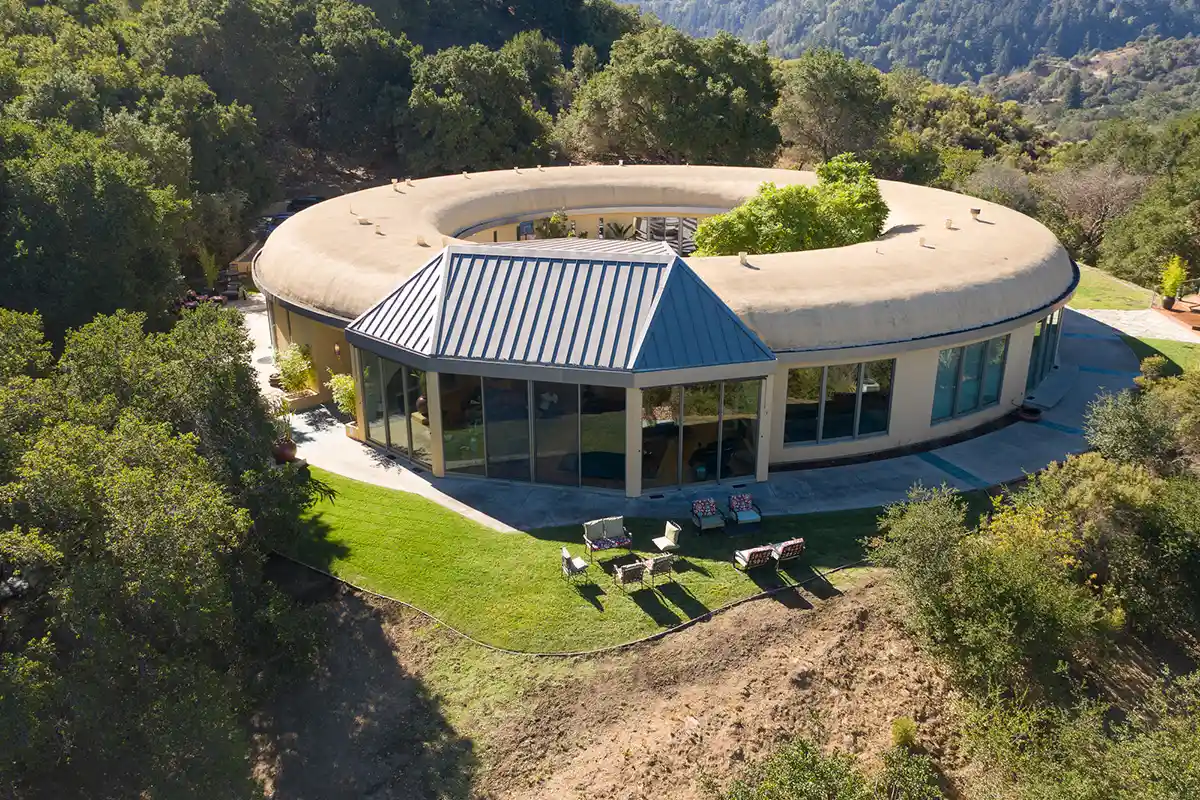
A 27-acre campus in the Santa Cruz mountains treating addiction and co-occurring mental health conditions with a seamless continuum of personalized care.
Highlights
Connect with Summit Estate by calling their admissions team directly.


Summit Estate treats addiction and co-occurring mental health conditions on a private, sprawling 27-acre campus. They use a full continuum of evidence-based and holistic care to address all areas of the mind, body, and spirit. Clients can progress through detox, residential treatment, and outpatient care. Outpatient includes day treatment, intensive outpatient, and aftercare. Outpatient levels of care are available through telehealth for greater access and convenience.
Summit Estate’s experienced staff includes partner physicians, therapists, counselors, and nursing staff. Medical staff monitor detox 24/7 for added safety and comfort. They have a 3:1 staff-to-client ratio for an intimate, personalized recovery experience throughout treatment. Clients receive at least one weekly individual therapy session and group therapy twice daily. Summit Estate’s therapies include:
•Cognitive behavioral therapy (CBT)
•Dialectical behavioral therapy (DBT)
•Family therapy
•Mindfulness techniques
•Art therapy
Summit Estate treats co-occurring anxiety, depression, trauma/PTSD, and bipolar disorder. Their 3-pronged treatment approach addresses the whole person using holistic activities, therapeutic counseling, and a non-12-Step approach. After residential treatment, clients can attend outpatient care in Summit Estate’s San Jose location. There, they can join day treatment and meet Monday-Friday from 12-9pm. In their intensive outpatient program (IOP), clients meet for 2-3 hours a day 3-5 times weekly.
Summit Estate’s 27-acre campus has gardens, walking trails, a stocked fishing pond, and outdoor lounge areas. They have private and semi-private bedrooms, a gym and personal trainer, a sauna, a hot tub, and yoga sessions. Massage and acupuncture are available for an additional cost. Clients and Summit Estate’s team go on weekly sober outings to beaches, museums, sporting events, and more. After completing treatment, clients in aftercare can attend weekly group sessions for 52 continuous weeks.

Provider’s Policy:Summit Estate’s inpatient and outpatient treatment programs accept most employer-provided PPO insurance. Summit Estate offers a substantial “prompt payment” discount for those who would prefer not to use insurance or to private pay. Summit is unable to accept State, County, or Kaiser insurance at this time.
Cigna’s unique history traces back to 1792, but today they offer services to 190 million customers in 30 different countries across the globe.
A leading healthcare provider serving over 100 million Americans as one of the largest insurance companies in the country.
Offering plans to individuals and businesses throughout the United States and in countries around the world.
One of the largest health insurance companies in the US, offering several health insurance options to individuals and businesses.
Founded in 1946, Anthem is the 4th largest public managed health care company in the United States and serves over 46 million clients.
Summit Estate treats addiction and co-occurring mental health conditions for a more personalized, comprehensive treatment experience. They address conditions like depression, bipolar disorder, post-traumatic stress disorder (PTSD), and more with a tailored array of evidence-based and holistic therapies. Clients receive dual-diagnosis care throughout Summit Estate’s continuum of care.
Summit Estate’s unique 3:1 staff-to-client ratio allows for personal care and attention to individual needs. An initial assessment determines diagnoses and outlines a tailored treatment plan. Clients attend 2 group therapy sessions daily and 1 individual session with their primary therapist each week.
Summit Estate provides a full, seamless continuum of care for addiction and co-occurring mental health conditions. At their 27-acre residential location in Saratoga, clients detox if needed and stay on-site for residential treatment. Outpatient care at their nearby San Jose location offers day treatment, intensive outpatient, and aftercare services.
Each level of Summit Estate’s outpatient care is available in person or virtually. Clients can attend day treatment and intensive outpatient all online. Summit Estate additionally offers a virtual family support group for loved ones. The 6-week group meets once a week.
RehabPath verified that the name, location, contact information and license to operate for this treatment provider are valid and up-to-date. Summit Estate has verified the information on this page to be accurate.
RehabPath is an independent, third-party mental health resource. Verification does not imply endorsement and does not guarantee the quality of treatment services
Men
Women
Executives
Executives
Executive treatment programs typically directly support the needs of people who manage businesses and may provide flexible schedules and office space to allow work during treatment.
Alcohol
Alcohol
Using alcohol as a coping mechanism, or drinking excessively throughout the week, signals an alcohol use disorder.
Benzodiazepines
Benzodiazepines
Benzodiazepines are prescribed to treat anxiety and sleep issues. They are highly habit forming, and their abuse can cause mood changes and poor judgement.
Cocaine
Cocaine
Cocaine is a stimulant with euphoric effects. Agitation, muscle ticks, psychosis, and heart issues are common symptoms of cocaine abuse.
Heroin
Heroin
Heroin is a highly addictive and illegal opioid. It can cause insomnia, collapsed veins, heart issues, and additional mental health issues.
Psychedelics
Psychedelics
Hallucinogenic drugs—like LSD—cause euphoria and increased sensory experiences. When abused, they can lead to depression and psychosis.
Methamphetamine
Methamphetamine
Methamphetamine, or meth, increases energy, agitation, and paranoia. Long-term use can result in severe physical and mental health issues.
Opioids
Opioids
Opioids produce pain-relief and euphoria, which can lead to addiction. This class of drugs includes prescribed medication and the illegal drug heroin.
Prescription Drugs
Prescription Drugs
It’s possible to abuse any drug, even prescribed ones. If you crave a medication, or regularly take it more than directed, you may have an addiction.
Day Treatment
Day Treatment
In a PHP, patients live at home but follow an intensive schedule of treatment. Most programs require you to be on-site for about 40 hours per week.
Detox
Detox
Detox fully and safely removes toxic substances from the body, allowing the next steps in treatment to begin with a clean slate.
Intensive Outpatient Program
In an IOP, patients live at home, but attend treatment for up to 30 hours a week. Most programs include talk therapy, support groups, and other methods.
Virtual
Outpatient Program
Outpatient Program
During outpatient rehab, patients attend a structured treatment program while continuing to live at home.
Residential
Residential
In a residential rehab program, patients live onsite, with access to daily treatment and 24-hour care. An average stay is 30-90 days.
Outpatient Therapy
Evidence-Based
Evidence-Based
A combination of scientifically rooted therapies and treatments make up evidence-based care, defined by their measured and proven results.
Individual Treatment
Individual care meets the needs of each patient, using personalized treatment to provide them the most relevant care and greatest chance of success.
Group Therapy
Holistic
Holistic
A non-medicinal, wellness-focused approach that aims to align the mind, body, and spirit for deep and lasting healing.
Acupuncture
Group Therapy
Equine Therapy
Equine Therapy
Guided interactions with trained horses, their handler, and a therapist can help patients improve their self-esteem, trust, empathy, and social skills.
1-on-1 Counseling
1-on-1 Counseling
Patient and therapist meet 1-on-1 to work through difficult emotions and behavioral challenges in a personal, private setting.
Adventure Therapy
Adventure Therapy
This experiential approach uses the physical and emotional challenges of outdoor activities as tools for personal growth.
Relapse Prevention Counseling
Relapse prevention counselors teach patients to recognize the signs of relapse and reduce their risk.
Psychoeducation
Psychoeducation
This method combines treatment with education, teaching patients about different paths toward recovery. This empowers them to make more effective decisions.
Family Therapy
Family Therapy
Family therapy addresses group dynamics within a family system, with a focus on improving communication and interrupting unhealthy relationship patterns.
Massage Therapy
Massage Therapy
Massage therapy relieves physical and emotional tension, reduces pain, promotes relaxation, and improves emotion regulation.
Interpersonal Therapy
This brief and structured therapy addresses present relationships and improves overall communication at work, home, and other social settings.
Meditation & Mindfulness
A practiced state of mind that brings patients to the present. It allows them to become fully aware of themselves, their feelings, and the present moment.
Yoga
Yoga
Yoga is both a physical and spiritual practice. It includes a flow of movement, breathing techniques, and meditation.
Art Therapy
Art Therapy
Visual art invites patients to examine the emotions within their work, focusing on the process of creativity and its gentle therapeutic power.
Prescription Drugs
Prescription Drugs
It’s possible to abuse any drug, even prescribed ones. If you crave a medication, or regularly take it more than directed, you may have an addiction.
Co-Occurring Disorders
A person with multiple mental health diagnoses, such as addiction and depression, has co-occurring disorders also called dual diagnosis.
Cocaine
Cocaine
Cocaine is a stimulant with euphoric effects. Agitation, muscle ticks, psychosis, and heart issues are common symptoms of cocaine abuse.
Personality Disorders
Personality disorders destabilize the way a person thinks, feels, and behaves. If untreated, they can undermine relationships and lead to severe distress.
Benzodiazepines
Benzodiazepines
Benzodiazepines are prescribed to treat anxiety and sleep issues. They are highly habit forming, and their abuse can cause mood changes and poor judgement.
Ecstasy
Ecstasy
Ecstasy is a stimulant that causes intense euphoria and heightened awareness. Abuse of this drug can trigger depression, insomnia, and memory problems.
Opioids
Opioids
Opioids produce pain-relief and euphoria, which can lead to addiction. This class of drugs includes prescribed medication and the illegal drug heroin.
Codependency
Codependency
Codependency is a pattern of emotional dependence and controlling behavior. It’s most common among people with addicted loved ones.
Methamphetamine
Methamphetamine
Methamphetamine, or meth, increases energy, agitation, and paranoia. Long-term use can result in severe physical and mental health issues.
Heroin
Heroin
Heroin is a highly addictive and illegal opioid. It can cause insomnia, collapsed veins, heart issues, and additional mental health issues.
Post Traumatic Stress Disorder
PTSD is a long-term mental health issue caused by a disturbing event or events. Symptoms include anxiety, dissociation, flashbacks, and intrusive thoughts.
Marijuana
Synthetic Drugs
Synthetic Drugs
Synthetic drugs are made in a lab, unlike plant-based drugs like mushrooms. Most synthetic drugs are either stimulants or synthetic cannabinoids.
Depression
Depression
Symptoms of depression may include fatigue, a sense of numbness, and loss of interest in activities. This condition can range from mild to severe.
Drug Addiction
Drug Addiction
Drug addiction is the excessive and repetitive use of substances, despite harmful consequences to a person’s life, health, and relationships.
Alcohol
Alcohol
Using alcohol as a coping mechanism, or drinking excessively throughout the week, signals an alcohol use disorder.
Anxiety
Anxiety
Anxiety is a common mental health condition that can include excessive worry, panic attacks, physical tension, and increased blood pressure.
Bipolar
Bipolar
This mental health condition is characterized by extreme mood swings between depression, mania, and remission.
Anger
Anger
Although anger itself isn’t a disorder, it can get out of hand. If this feeling interferes with your relationships and daily functioning, treatment can help.
Trauma
Trauma
Some traumatic events are so disturbing that they cause long-term mental health problems. Those ongoing issues can also be referred to as ‘trauma.’
ADHD, ADD
ADHD, ADD
ADHD is a common mental health condition caused by dopamine imbalance. Common symptoms include inattention, hyperactivitiy, and impulsivity.
Support Meetings
Outpatient Treatment
Aftercare Group Therapy
Personal Fitness Trainer
Air-Conditioned Rooms
Private or Shared Rooms
Access to Nature
Gardens
Gourmet Dining
Internet
Outdoor Lounge
Walking Trails
Halal
Kosher
Other dietary needs (vegan, vegetarian, gluten-free, etc.)
Fishing
Martial Arts
Movies
Physical Fitness
Swimming
Museums
AA/NA Meetings
Adventure Outings
Hiking
Movies
Sightseeing
Clinical Director
Chief Executive Officer
Internal Medicine
Health Care Practitioner
Therapist
LPCC, LAADC
Director of Operations
Outpatient Coordinator/Therapist
LCSW
Therapist
M.S., LMFT
Health Care Practitioner
NP
Counselor
M.A., LAADC
Administration Coordinator
Councelor
Group Facilitator
Licensed Vocational Nurse
LVN
Chef
Chef
Housekeeping
Summit Estate ranked fourth in California’s top 82 rehabs.
See what past clients have said about their experience at Summit Estate and how it helped them recover.
Read answers to common questions about stay times, visitors, and what to bring to treatment.
I feel that Summit Estate gave me not only the skills, knowledge and ability to stay sober, but more importantly, the program taught me how to love and respect myself again. Maybe more importantly, they helped me to understand how key self-esteem and self-worth are to seeing myself as someone who deserves to be sober. Summit Estate gave me far more than just 60 days of drug and alcohol treatment- they gave
me the happy, successful future I have in front of me.
While costs may vary due to program length and insurance benefits, it typically costs $3,000-$45,000.
Saratoga, California, United States.
Summit Estate’s inpatient and outpatient treatment programs accept most employer-provided PPO insurance. Summit Estate offers a substantial “prompt payment” discount for those who would prefer not to use insurance or to private pay. Summit is unable to accept State, County, or Kaiser insurance at this time..
The typical length is 30 – 90 days.
Yes, services include detox.
Top10 Rehabs is an independent organization that simplifies finding the best mental health and addiction treatment. Comprehensive profiles of over 2,500 rehab centers include insurance coverage, pricing, photos, reviews, and more. Choosing the best path to recovery has never been easier.