Skip to content
  • Top 10
  • Locations

    Find Treatment By

    Locations
    • Alabama
    • Alaska
    • Arizona
    • Arkansas
    • California
    • Colorado
    • Connecticut
    • Delaware
    • Florida
    • Georgia
    • Hawaii
    • Idaho
    • Illinois
    • Indiana
    • Iowa
    • Kansas
    • Kentucky
    • Louisiana
    • Maine
    • Maryland
    • Massachusetts
    • Michigan
    • Minnesota
    • Mississippi
    • Missouri
    • Montana
    • Nebraska
    • Nevada
    • New Hampshire
    • New Jersey
    • New Mexico
    • New York
    • North Carolina
    • North Dakota
    • Ohio
    • Oklahoma
    • Oregon
    • Pennsylvania
    • Rhode Island
    • South Carolina
    • South Dakota
    • Tennessee
    • Texas
    • Utah
    • Vermont
    • Virginia
    • Washington
    • West Virginia
    • Wisconsin
    • Wyoming
    Browse All Locations
    Top Destinations
    California
    New York
    Washington
    Montana
    Colorado
    Texas
    See More Destinations
    Popular amenities
    Ultra-Luxury
    Pool
    Pet Friendly
    Allows Cellphones
    Private Rooms
    Spa
    Browse All Amenities
    activities & excursions
    • Adventure Outings
    • Golf
    • Cooking Classes
    • Hiking
    • Fishing
    • Massage
    Browse All Activities
    Settings
    • Beach
    • Tropical
    • Lakeside
    • Countryside
    • City
    • Desert
    • Mountain
    • Coastal
    • Island
  • Conditions

    Find Treatment By

    Conditions
    • Alcohol
    • Burnout & Stress
    • Eating Disorders
    • Detox
    • Co-Occurring Disorders
    • Gambling
    • Anxiety
    • Depression
    • Trauma
    Browse All Conditions
    TREATMENTS
    Treatment Approaches
    • Evidence-Based
    • Holistic
    • Medical
    • 12 Step
    Therapies
    • Art Therapy
    • EMDR
    • Equine Therapy
    • Mindfulness-Based Cognitive Therapy
    Browse All Treatment Methods
    Clientele
    Specialized Programs by Patient Population
    • Teens
    • Men
    • Professionals
    • Executives
    • Women
    • Young Adults
    • Midlife Adults
    • LGBTQ+
    • Children
    Treatment Services
    Explore Levels of Care
    • Detox
    • Outpatient
    • Day Treatment
    • Intensive Outpatient
    • Sober Living
    • Virtual
  • Understanding Rehab

    Learn

    Resource Hub

    Researched, fact-checked and transparent articles and guides that offer addiction and mental health insight from experts and treatment professionals.

    Visit Our Resource Hub

    How to Choose a Treatment Provider

    The search for addiction and mental health treatment can be overwhelming. We created this guide to support you in finding treatment that meets your needs.

    Read the Guide
    INSURANCE
    • Aetna
    • BlueCross Blueshield
    • Cigna
    • HealthNet
    • Humana
    • Medicaid
    • Optum
    • Tufts Health
    • Anthem
    • Bright Health
    • ComPsych
    • HealthPartners
    • Intermountain Healthcare
    • Medicare
    • Oscar
    • United Healthcare
    • Carelon Behavioral Health
    • CareFirst
    • GuideWell
    • Highmark
    • Kaiser Permanente
    • MHN
    • Tricare
    Browse All Insurance Providers
  • About

    About

    About Top10 Rehabs

    Top10Rehabs operates independently without any affiliations with individual treatment providers. Our primary goal is to establish the most informative and extensive global database of treatment providers.

    About Us

    Our Criteria

    We include any treatment center that meets our stringent rehab criteria, providing you with the most comprehensive list of options available when seeking treatment.

    Our Criteria

    Careers

    Become part of Top10Rehabs’ worldwide mission of linking patients with addiction and mental health treatment. Explore available positions and contribute to guiding individuals towards a path of hope.

    Careers
    Contact Us
    For providers

    For treatment providers with inquiries, please get in touch, and a member of our Customer Success team will contact you promptly.

    Contact Us
    For Treatment Seekers

    If you’re looking for treatment, please browse the site to reach out to treatment centers directly.

    If you need emergency assistance, please contact the following helplines:

    • 911 or your local emergency number
    • SAMHSA’s National Helpline at 1-800-662-HELP (1-800-662-4357)
    • 988 Suicide & Crisis Lifeline at 1-800-273-TALK (1-800-273-8255)
Home > Steps to Recovery
  • About
  • Insurance
  • Treatment
  • Amenities
  • Staff
  • Reviews
  • FAQs
Share

Steps to Recovery

Verified

Verified
This provider’s information has been quality-checked by Top10 Rehabs’s Research Team for accuracy and completeness, including data verification through appropriate third-party organizations.View This Center’s Verified License

Levittown, Pennsylvania, United States

Insurance Accepted

Provider’s Policy

Steps to Recovery offers a variety of payment options, including in-network, out-of-network, and private-pay rates. Please contact us to learn more about the financial and insurance options available.
Cash Pay Rate

$5,000-$13,000+/month

If you are not using insurance to help pay for treatment, the cost listed here is an estimate of the cash pay price. Center pricing can vary based upon program and length of stay. Contact the center for more detailed information.
  • 30+ days

Outpatient treatment programs using personalized and evidence-based treatment plans to treat co-occurring and primary mental health and/or addiction.

Highlights from the Center

Highlights

These highlights are provided by and paid for by the center. For more information Contact Us.

Joint Commission Accredited

Licensed for Both Addiction & Mental Health

Certified Professionals

Trauma-Informed Care

Call Steps to Recovery

Connect with Steps to Recovery by calling their admissions team directly.

  • (844) 935-2572
OR
  • Message Us
  • Website
e9iqmudohnjghebsuqhf
k8phnzudyfmv8dqdup6t
a7nn3fxh54ug3s0arzgf
cctzmu0mnijtxgne2nml
cgzakyj9mtkcdx7yrd8v
e1bksb0ia7a353ryhojj
jsmg49ynw2yrttxyjkcy
m9d68ewok4z7tdc7buza
mlemacrfudhx0q5grr0i
mvyrdtz3gzk9hjip3aok
nqlcd1a9673xyo7ojuom
qnxn4mhg2bslruhkflrw
x6vx1jdz9av9z6bqrgm4
yctyer5sfvkb8jentghm
yosixgmyxqax1oftslhu
zm5eruo1bdxg25habc4c

About Steps to Recovery

Steps to Recovery provides multiple outpatient programs for addiction and mental health, either as co-occurring conditions or primary. They offer a partial hospitalization program (PHP), an intensive outpatient program (IOP), and outpatient care, along with sober living homes. Steps to Recovery provides family therapy, psychoeducation, and a robust alumni program. These programs are available at their locations in Bucks County and Lehigh Valley, PA.

Comprehensive, Personalized Care

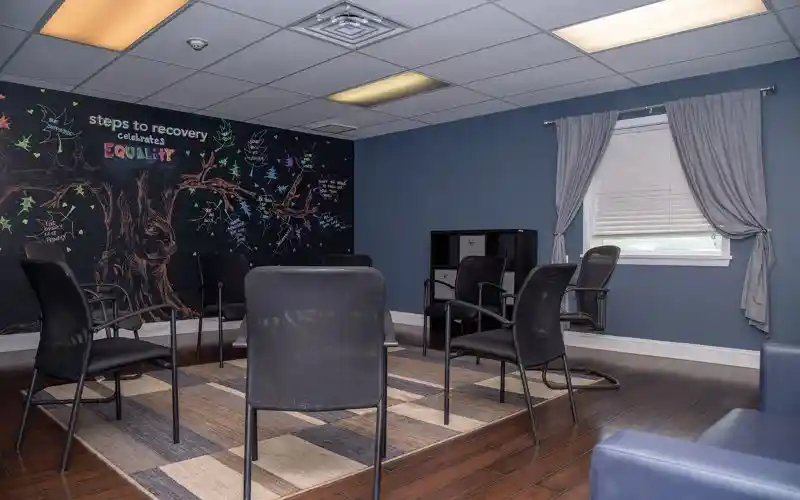
Clients at Steps to Recovery begin treatment with a psychiatric evaluation, family history assessment, and biopsychosocial evaluation to determine their diagnosis and treatment path. Steps to Recovery uses a trauma-informed approach to treatment, helping clients get to the root cause of their addiction. Clients meet 1:1 with their primary therapist twice a week, then once a week as they progress through treatment. Clients can choose their group therapies from an elective list.

Primary Mental Health Treatment

Steps to Recovery treats primary mental health conditions like depression, anxiety, borderline personality disorder (BPD) and other personality disorders, bipolar disorder, obsessive compulsive disorder (OCD), schizophrenia, and schizoaffective disorders. They use a variety of evidence-based therapies to help clients heal, including acceptance and commitment therapy (ACT), dialectical behavioral therapy (DBT), cognitive behavioral therapy (CBT), mindfulness, and eye movement therapy (EMDR). Steps to Recovery also offers lifeskills training to help clients get and maintain a job, go back to school, or learn how to effectively communicate.

Flexible Treatment Options

Steps to Recovery’s PHP program welcomes clients for 5 days a week, Monday-Friday, from 9-5pm. Clients can live at home or in one of Steps to Recovery’s nearby sober living homes, which offer modern living spaces, tech access, and the option of a private room. Their IOP runs 3 days a week—Monday, Tuesday, and Thursday—from either 9-12pm or 6-9pm. Clients in outpatient care meet regularly for 12-Step meetings and therapy sessions.


Insurance Accepted

Provider’s Policy:Steps to Recovery offers a variety of payment options, including in-network, out-of-network, and private-pay rates. Please contact us to learn more about the financial and insurance options available.

Kaiser Permanente

One of the nation’s largest not-for-profit health plans, serving 12.7 million members.

Humana

With roots in the health field dating back to 1961, Humana is a trusted insurance provider that proudly serves over 20 million Americans.

GEHA

Exclusively serving federal and postal employees with clinical and dental benefits for employees and their families. Benefits apply to retired military, too.

Optum

Part of UnitedHealth Group, providing care to over 165,000 people worldwide.

Cigna

Cigna’s unique history traces back to 1792, but today they offer services to 190 million customers in 30 different countries across the globe.

BlueCross BlueShield

A leading healthcare provider serving over 100 million Americans as one of the largest insurance companies in the country.

MHN

With 40+ years of behavioral health care experience, MHN partners with thousands of licensed practitioners and hospitals to provide quality insurance to their customers.

AmeriHealth

Bringing affordable health care to over 265,000 people in the New Jersey, Delaware, and Pennsylvania areas.

Carelon Behavioral Health

Carelon Behavioral Health, formerly Beacon Health Options, is headquartered in Boston, Massachusetts and serves over 40 million people.

United Healthcare

Offering plans to individuals and businesses throughout the United States and in countries around the world.

Magellan Health

Aetna

One of the largest health insurance companies in the US, offering several health insurance options to individuals and businesses.

Anthem

Founded in 1946, Anthem is the 4th largest public managed health care company in the United States and serves over 46 million clients.

Highmark

Founded in 1996, Highmark helps 7 million customers all across the eastern half of the United States get quality care.

ComPsych

The world’s #1 employee assisted program (EAP) provider, offering unique personalized programs to Americans & people worldwide.

CareFirst

Verify Insurance

Dual-Diagnosis Program

Steps to Recovery treats co-occurring addiction and mental health conditions at the same time, using dual-diagnosis treatment to help clients heal from both. Therapy and psychoeducation can help clients identify triggers and understand how to prevent a relapse. Steps to Recovery uses medication-assisted treatment as needed to help clients recover holistically.

A Variety of Care Levels

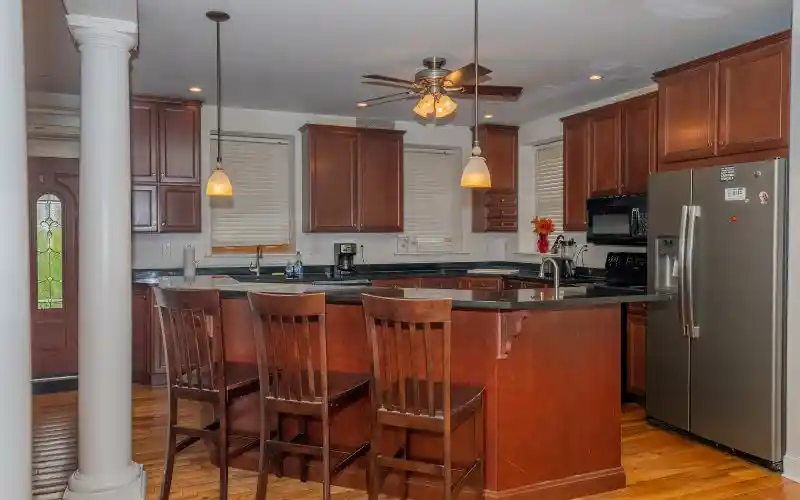
Steps to Recovery provides mental health and addiction treatment in multiple care levels and time periods. Clients can progress through gradually less-intensive programs, or begin right in between. The level of intensity decreases from PHP to IOP, and then outpatient and aftercare. Clients can stay in safe sober living homes during PHP, which have random drug tests, daily schedules and light chores, and a unique support system.

Mental Health Treatment

Steps to Recovery provides primary mental health treatment for men and women. Their outpatient programs provide specialized group therapies for trauma, depression, and other diagnoses, with 1:1 therapy each week. Steps to Recovery has a 3:1 staff-to-client ratio, helping each client get the individualized attention they need and deserve as they navigate their condition.

Family Support And Aftercare

Steps to Recovery involves family in the recovery of their loved one, offering family therapy, psychoeducation, and support for family members. After treatment, clients enter into a strong alumni community. Steps to Recovery hosts bi-weekly alumni meetings, events and activities, and a mentorship program, Step Up, to help newly-graduated clients integrate into aftercare.

Verified by RehabPath

RehabPath verified that the name, location, contact information and license to operate for this treatment provider are valid and up-to-date. Steps to Recovery has verified the information on this page to be accurate.

Licensed
Joint Commission Accredited
NAATP Member

RehabPath is an independent, third-party mental health resource. Verification does not imply endorsement and does not guarantee the quality of treatment services

Center Overview

Founded

2014

Occupancy

16-30

Languages

English

Accreditation

Joint Commission

Price & Length

Who We Treat

Men

Women

Young Adults

Young Adults
Emerging adults ages 18-25 receive treatment catered to the unique challenges of early adulthood, like college, risky behaviors, and vocational struggles.

LGBTQ+

LGBTQ+
Addiction and mental illnesses in the LGBTQ+ community must be treated with an affirming, safe, and relevant approach, which many centers provide.

Midlife Adults

Midlife Adults
For adults ages 40+, treatment shifts to focus on the unique challenges, blocks, and risk factors of their age group, and unites peers in a similar community.

Pregnant Women

Pregnant Women
Addiction and mental health treatment meets the clinical and psychological needs of pregnant women, ensuring they receive optimal care in all areas.

Professionals

Professionals
Busy, high-ranking professionals get the personalized treatment they need with greater accommodations for work, privacy, and outside communication.

Address

1400 Veterans Highway Levittown, PA 19056

Levels of Care

Mental health is a complex health condition that requires a comprehensive, patient-centered approach to treatment that ensures you receive the appropriate care at the right time, based on your individual needs.

Residential

Not Offered at This Center

An intensive program offering 24 hour care and a variety of therapeutic services in a residential setting.

Explore all residential centers in Pennsylvania

Sober Living

Transitional housing designed to support individuals recovering from substance use disorders offering a safe, supportive and structured environment for practicing long-term sobriety, while reintegrating back into daily living.

Explore all sober living homes in Pennsylvania

Day Treatment

In a PHP, patients live at home but follow an intensive schedule of treatment. Most programs require you to be on-site for about 40 hours per week.

Explore all day treatment centers in Pennsylvania

Outpatient

Treatment programming allowing patients to receive care without staying in a hospital or inpatient facility, providing a variety of therapeutic and medical services.

Explore all outpatient treatment in Pennsylvania

Licensed Primary Mental Health

Some primary care providers offer mental health diagnosis and treatment. This can prevent patients from developing more serious conditions.

Treatment

Specializations

Family Program

Alcohol

Alcohol
Using alcohol as a coping mechanism, or drinking excessively throughout the week, signals an alcohol use disorder.

Anxiety

Anxiety
Anxiety is a common mental health condition that can include excessive worry, panic attacks, physical tension, and increased blood pressure.

Co-Occurring Disorders

Co-Occurring Disorders
A person with multiple mental health diagnoses, such as addiction and depression, has co-occurring disorders also called dual diagnosis.

Depression

Depression
Symptoms of depression may include fatigue, a sense of numbness, and loss of interest in activities. This condition can range from mild to severe.

Drug Addiction

Drug Addiction
Drug addiction is the excessive and repetitive use of substances, despite harmful consequences to a person’s life, health, and relationships.

Prescription Drugs

Prescription Drugs
It’s possible to abuse any drug, even prescribed ones. If you crave a medication, or regularly take it more than directed, you may have an addiction.

Trauma

Trauma
Some traumatic events are so disturbing that they cause long-term mental health problems. Those ongoing issues can also be referred to as ‘trauma.’

Philosophy

Evidence-Based

Evidence-Based
A combination of scientifically rooted therapies and treatments make up evidence-based care, defined by their measured and proven results.

Individual Treatment

Individual Treatment
Individual care meets the needs of each patient, using personalized treatment to provide them the most relevant care and greatest chance of success.

Holistic

Holistic
A non-medicinal, wellness-focused approach that aims to align the mind, body, and spirit for deep and lasting healing.

Therapies

1-on-1 Counseling

1-on-1 Counseling
Patient and therapist meet 1-on-1 to work through difficult emotions and behavioral challenges in a personal, private setting.

Trauma-Specific Therapy

Trauma-Specific Therapy
This form of talk therapy addresses any childhood trauma at the root of a patient’s current diagnosis.

1-on-1 Counseling with Clinical Psychologist

Rational Emotive Behavior Therapy

Rational Emotive Behavior Therapy
A type of cognitive therapy that identifies negative self-defeating thoughts and behaviors, rewriting beliefs to be positive, empowering, and present.

Mindfulness Therapy

Mindfulness Therapy
This ancient practice can be mental, emotional, and even spiritual. In meditation, you focus your attention on the present moment without judgement.

Art Therapy

Art Therapy
Visual art invites patients to examine the emotions within their work, focusing on the process of creativity and its gentle therapeutic power.

Cognitive Behavioral Therapy

DBT

DBT
This stage-based therapy helps patients address their realities and behaviors while inspiring healthy change, primarily in regulating emotions.

Experiential Therapy

Experiential Therapy
With this approach, patients heal by doing. Therapists help patients process difficult emotions to speak, using guided activities like art or dance.

Expressive Arts

Expressive Arts
Creative processes like art, writing, or dance use inner creative desires to help boost confidence, emotional growth, and initiate change.

Family Therapy

Family Therapy
Family therapy addresses group dynamics within a family system, with a focus on improving communication and interrupting unhealthy relationship patterns.

Life Skills

Life Skills
Teaching life skills like cooking, cleaning, clear communication, and even basic math provides a strong foundation for continued recovery.

Medication-Assisted Treatment

Medication-Assisted Treatment
Combined with behavioral therapy, prescribed medications can enhance treatment by relieving withdrawal symptoms and focus patients on their recovery.

Motivational Interviewing

Motivational Interviewing
Based on the idea that motivation to change comes from within, providers use a conversational framework to discover personalized methods for change.

Psychodrama Therapy

Psychodrama Therapy
Patients act out real or imagined scenarios under a therapist’s guidance. These exercises foster creative thought, sponteneity, and problem-solving skills.

Relapse Prevention Counseling

Relapse Prevention Counseling
Relapse prevention counselors teach patients to recognize the signs of relapse and reduce their risk.

Stress Management

Stress Management
Patients learn specific stress management techniques, like breathing exercises and how to safely anticipate triggers.

Twelve Step Facilitation

Twelve Step Facilitation
12-Step groups offer a framework for addiction recovery. Members commit to a higher power, recognize their issues, and support each other in the healing process.

Acceptance and Commitment Therapy (ACT)

Acceptance and Commitment Therapy (ACT)
This cognitive behavioral therapy teaches patients to accept challenging feelings and make the appropriate changes to reach personal goals.

Dialectical Behavior Therapy

Group Therapy

Yoga

Yoga
Yoga is both a physical and spiritual practice. It includes a flow of movement, breathing techniques, and meditation.

What We Treat

Self-Harm

Self-Harm
The act of intentionally harming oneself, also called self-injury, is associated with mental health issues like depression.

Prescription Drugs

Prescription Drugs
It’s possible to abuse any drug, even prescribed ones. If you crave a medication, or regularly take it more than directed, you may have an addiction.

Nicotine

Co-Occurring Disorders

Co-Occurring Disorders
A person with multiple mental health diagnoses, such as addiction and depression, has co-occurring disorders also called dual diagnosis.

Cocaine

Cocaine
Cocaine is a stimulant with euphoric effects. Agitation, muscle ticks, psychosis, and heart issues are common symptoms of cocaine abuse.

Benzodiazepines

Benzodiazepines
Benzodiazepines are prescribed to treat anxiety and sleep issues. They are highly habit forming, and their abuse can cause mood changes and poor judgement.

Ecstasy

Ecstasy
Ecstasy is a stimulant that causes intense euphoria and heightened awareness. Abuse of this drug can trigger depression, insomnia, and memory problems.

Grief and Loss

Grief and Loss
Grief is a natural reaction to loss, but severe grief can interfere with your ability to function. You can get treatment for this condition.

Opioids

Opioids
Opioids produce pain-relief and euphoria, which can lead to addiction. This class of drugs includes prescribed medication and the illegal drug heroin.

Codependency

Codependency
Codependency is a pattern of emotional dependence and controlling behavior. It’s most common among people with addicted loved ones.

Internet Addiction

Internet Addiction
Internet addiction is common among children teens. This compulsive disorder can damage relationships, school performance, sleep habits, and physical health.

Alcohol

Alcohol
Using alcohol as a coping mechanism, or drinking excessively throughout the week, signals an alcohol use disorder.

Methamphetamine

Methamphetamine
Methamphetamine, or meth, increases energy, agitation, and paranoia. Long-term use can result in severe physical and mental health issues.

Heroin

Heroin
Heroin is a highly addictive and illegal opioid. It can cause insomnia, collapsed veins, heart issues, and additional mental health issues.

Psychedelics

Psychedelics
Hallucinogenic drugs—like LSD—cause euphoria and increased sensory experiences. When abused, they can lead to depression and psychosis.

Post Traumatic Stress Disorder

Post Traumatic Stress Disorder
PTSD is a long-term mental health issue caused by a disturbing event or events. Symptoms include anxiety, dissociation, flashbacks, and intrusive thoughts.

Marijuana

Synthetic Drugs

Synthetic Drugs
Synthetic drugs are made in a lab, unlike plant-based drugs like mushrooms. Most synthetic drugs are either stimulants or synthetic cannabinoids.

Suicidality

Suicidality
With suicidality, a person fantasizes about suicide, or makes a plan to carry it out. This is a serious mental health symptom.

Smoking Cessation

Smoking Cessation
Quitting smoking—i.e., ceasing to smoke—means giving up smoking nicotine and tobacco products. This process has very important health benefits.

Depression

Depression
Symptoms of depression may include fatigue, a sense of numbness, and loss of interest in activities. This condition can range from mild to severe.

Drug Addiction

Drug Addiction
Drug addiction is the excessive and repetitive use of substances, despite harmful consequences to a person’s life, health, and relationships.

Chronic Relapse

Chronic Relapse
Consistent relapse occurs repeatedly, after partial recovery from addiction. This condition requires long-term treatment.

Anxiety

Anxiety
Anxiety is a common mental health condition that can include excessive worry, panic attacks, physical tension, and increased blood pressure.

Bipolar

Bipolar
This mental health condition is characterized by extreme mood swings between depression, mania, and remission.

Stress

Stress
Stress is a natural reaction to challenges, and it can even help you adapt. However, chronic stress can cause physical and mental health issues.

Obsessive Compulsive Disorder

Obsessive Compulsive Disorder
OCD is characterized by intrusive and distressing thoughts that drive repetitive behaviors. This pattern disrupts daily life and relationships.

Anger

Anger
Although anger itself isn’t a disorder, it can get out of hand. If this feeling interferes with your relationships and daily functioning, treatment can help.

Trauma

Trauma
Some traumatic events are so disturbing that they cause long-term mental health problems. Those ongoing issues can also be referred to as ‘trauma.’

ADHD, ADD

ADHD, ADD
ADHD is a common mental health condition caused by dopamine imbalance. Common symptoms include inattention, hyperactivitiy, and impulsivity.

Burnout

Burnout
Burnout entails mental and physical exhaustion, and leads to a severe lack of fulfillment. This condition is often caused by overwork.

Aftercare

Support Meetings

Drug Screening

Relapse Prevention Planning

Return Visits

Ability to Call a Counselor

Alumni Events & Get-Togethers

Follow-up Sessions (in-person)

Outpatient Treatment

Alumni Reunions

Medication Assistance

Experience

Personal Amenities

Air-Conditioned Rooms

Armchair or Sofa

Bathroom Essentials (towels, soap, shampoo)

Coffee Maker and Tea

Desk

Housekeeping

Internet

Iron

Outdoor Space (connected to room)

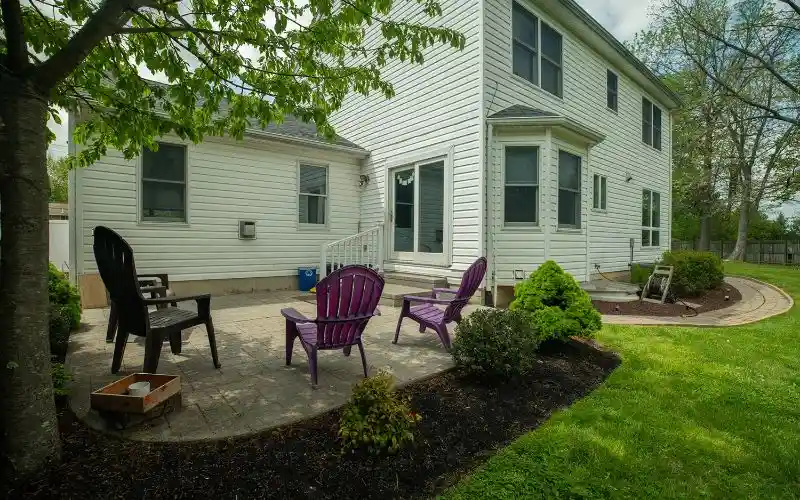
Private or Shared Rooms

Shared Bathroom

Snacks

Thermostat (client can adjust temperature within room)

TV

Welcome Package

Amenities

Access to Nature

Airport Transfers

Business Center

Gardens

Internet

Library

Outdoor Lounge

Special Considerations

Dietary Accommodations

Vegan

Vegetarian

COVID-19 Measures

Gender-specific groups

Gender-specific groups
Patients in gender-specific groups gain the opportunity to discuss challenges unique to their gender in a comfortable, safe setting conducive to healing.

Halal

Kosher

LGBTQ group

LGBTQ group
Group therapy unites LGBTQ+ patients in a safe and culturally competent setting, encouraging peer support under the expert leadership of a therapist.

Young Adults Program

Young Adults Program
Programs for young adults bring teens 18+ together to discuss age-specific challenges, vocational and educational progress, and successes in treatment.

Activities

Yoga

Yoga
Yoga is both a physical and spiritual practice. It includes a flow of movement, breathing techniques, and meditation.

AA/NA Meetings

Alternative Meetings

Hiking

Horseback Riding

Massage

Reading

Acupuncture

Off-Site Activities

Physical Fitness

Off-Site Amenities

Access to Nature

Fitness Center

Professional Staff

Dr. Matthew Sommons

Medical Director

Manny Rivera

Executive Director

MA, LPC, NCC

Patrick Spearing

Director of Operations

Dana Kaufman

Executive Director | STR

Dana Heileman

Program Manager

Derrick Boyd

Physicians Assistant

Erin Carey

Lead Clinician

MS

Megan Toroni

Clinician

LPC

Marianna “Mace” Cooper-Drew

Family Program Clinician

MA, LPC

Joe Beck

Clinician

CADC

Pete Demeester

Clinician

MS

Jennifer Bell

Care Manager | Bucks County

Matt Leonard

Alumni Coordinator | Bucks County

Jessica Hoffman

Physician Assistant | Lehigh Valley

MSPAS, PA-C

Chalain Hart

Clinician | Lehigh Valley

Rachel Quintans

Care Manager | Lehigh Valley

Zaria Raymond

Clinician | Lehigh Valley

Leah Crouthamel

Office Manager | Lehigh Valley

We love hearing about your treatment experience

★★★★★ 5/5
Help individuals and families seeking treatment by sharing your first-hand experience with this treatment provider.
Leave a Review

Common Questions About Steps to Recovery

How much does Steps to Recovery cost?

While costs may vary due to program length and insurance benefits, it typically costs $5,000-$13,000+/month.

Where is Steps to Recovery located?

Levittown, Pennsylvania, United States.

What insurance does Steps to Recovery accept?

Steps to Recovery offers a variety of payment options, including in-network, out-of-network, and private-pay rates. Please contact us to learn more about the financial and insurance options available..

How long is treatment?

The typical length is 30+ days.

Does Steps to Recovery offer detox?

Yes, services include detox.

0 Reviews ( 0 out of 0 )

Write a Review

Not Sure Where to Go?
  • Rehabs in California
  • Rehabs in Florida
  • Rehabs in Texas
  • Rehabs in NY
  • Rehabs in Colorado
  • Rehabs in Utah
  • Rehabs in Washington
  • Rehabs in Wisconsin
Popular Centers
  • Detox Centers
  • Cognitive Behavior Therapy
  • Sober Living Homes
  • LGBTQ+ Addiction Rehab
  • Wellness Centers
  • Pet Friendly Rehabs
  • Christian Treatment Centers
  • Rehabs that Allow Cell Phones
Top Specializations
  • Eating Disorder Treatment
  • Depression Treatment
  • Executive Rehab
  • Teen Rehab Centers
  • Dual Diagnosis Rehabs
  • Residential Trauma Treatment
  • Sex Addiction Treatment
  • Gambling Addiction Treatment
Top Resources
  • Rehabilitation in the Digital Age
  • Holistic Rehabilitation Approaches
  • Nurturing Recovery Through Unwavering Care
For Treatment Providers
  • Criteria
  • Contact Us
  • © 2023
  • Top10 Rehabs
  • Careers
  • Privacy Policy

Top10 Rehabs is an independent organization that simplifies finding the best mental health and addiction treatment. Comprehensive profiles of over 2,500 rehab centers include insurance coverage, pricing, photos, reviews, and more. Choosing the best path to recovery has never been easier.

Facebook Twitter Youtube Envelope Instagram Linkedin

Share this with your Community

Steps to Recovery

  • Call For Rates
  • Levittown, Pennsylvania, United States
Copy link
Message
Print
Email