

Claimed
Top10 Rehabs has connected directly with this treatment provider to validate the information in their profile.

Insurance Accepted

$26,500
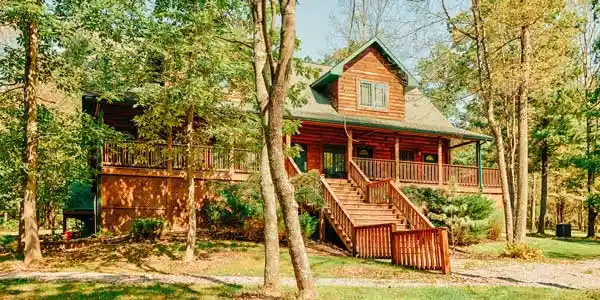
Located on 200 acres, St Joseph Institute for Addiction is a campus providing a holistic treatment approach, log and stone lodges, chapel, walking trails, and a wellness center.
Connect with St Joseph Institute for Addiction by calling their admissions team directly.

St. Joseph Institute for Addiction is located on a beautiful mountainside in Port Matilda, Pennsylvania. They are a holistic drug and alcohol rehabilitation center for men and women seeking recovery. St. Joseph focuses on individual treatment plans that are unique to each client. Individual counseling, education and lifestyle instruction, nutrition and fitness, 12-Step programs, physician support, pain and stress management, cognitive behavior therapy(CBT), nutrition, family therapy, spiritual support, and meditation are components of a client’s alcohol abuse & chemical dependency treatment plan. The Institute is built on the foundation of Christianity, non-denominational principles, and welcoming people from all faiths. St. Joseph specializes in alcohol addiction, drug addiction, post traumatic stress disorder (PTSD), trauma and abuse, and pain management. It is recommended that clients stay a minimum of 30 days. At St. Joseph, for 30 days it cost an average of $26,500. St. Joseph is accredited by CARF. St. Joseph is in-network for most major insurance companies, and they take the client’s insurance information and can verify it. If the client does not have insurance or the insurance does not cover treatment, St. Joseph offers a scholarship up to $8,000,provides a self pay option, and works with financial institutions that offer payment plans.
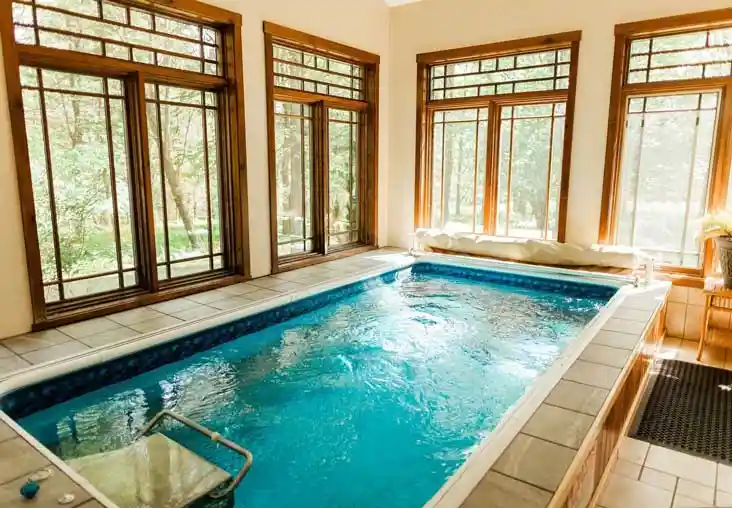
St. Joseph Institute for Addiction was founded in 2005 on 207 acres of rolling mountains. At St. Joseph, the client’s rooms are designed like a hotel room with 2 clients to a room with a private bathroom. The campus is set up like a resort with 8 beautiful log and stone lodges. The campus has a library, full spectrum gym, wellness center, lounges, chapel, recreation areas, and miles of walking trailing through the forest. Meals are prepared 3 times a day by chefs according to the nutritionist’s standards. St. Joseph Institute for Addiction has an indoor swimming pool, aqua massager, basketball court, tennis court, Jacuzzi, and saunas.

Men
Women

Mental health is a complex health condition that requires a comprehensive, patient-centered approach to treatment that ensures you receive the appropriate care at the right time, based on your individual needs.

Typically the initial stage of treatment for substance use, focusing on medically supervised management of withdrawal symptoms.
An intensive program offering 24 hour care and a variety of therapeutic services in a residential setting.

Transitional housing designed to support individuals recovering from substance use disorders offering a safe, supportive and structured environment for practicing long-term sobriety, while reintegrating back into daily living.
Treatment programming allowing patients to receive care without staying in a hospital or inpatient facility, providing a variety of therapeutic and medical services.

Alcohol
Alcohol
Using alcohol as a coping mechanism, or drinking excessively throughout the week, signals an alcohol use disorder.
Co-Occurring Disorders
Co-Occurring Disorders
A person with multiple mental health diagnoses, such as addiction and depression, has co-occurring disorders also called dual diagnosis.
Twelve Step
Twelve Step
Incorporating spirituality, community, and responsibility, 12-Step philosophies prioritize the guidance of a Higher Power and a continuation of 12-Step practices.
Holistic
Holistic
A non-medicinal, wellness-focused approach that aims to align the mind, body, and spirit for deep and lasting healing.
Christian
Christian
Through surrender and commitment to Christ, patients refocus the efforts and source of their recovery with clinical and spiritual care.
Spiritual Emphasis
Spiritual Emphasis
Spirituality connects patients to a higher power and helps strengthen their recovery, hope, and compliance with other treatment modalities.
1-on-1 Counseling
1-on-1 Counseling
Patient and therapist meet 1-on-1 to work through difficult emotions and behavioral challenges in a personal, private setting.
Meditation & Mindfulness
Meditation & Mindfulness
A practiced state of mind that brings patients to the present. It allows them to become fully aware of themselves, their feelings, and the present moment.
Cognitive Behavioral Therapy
Couples Counseling
Couples Counseling
Partners work to improve their communication patterns, using advice from their therapist to better their relationship and make healthy changes.
Family Therapy
Family Therapy
Family therapy addresses group dynamics within a family system, with a focus on improving communication and interrupting unhealthy relationship patterns.
Relapse Prevention Counseling
Relapse Prevention Counseling
Relapse prevention counselors teach patients to recognize the signs of relapse and reduce their risk.
Twelve Step Facilitation
Twelve Step Facilitation
12-Step groups offer a framework for addiction recovery. Members commit to a higher power, recognize their issues, and support each other in the healing process.
Prescription Drugs
Prescription Drugs
It’s possible to abuse any drug, even prescribed ones. If you crave a medication, or regularly take it more than directed, you may have an addiction.
Cocaine
Cocaine
Cocaine is a stimulant with euphoric effects. Agitation, muscle ticks, psychosis, and heart issues are common symptoms of cocaine abuse.
Benzodiazepines
Benzodiazepines
Benzodiazepines are prescribed to treat anxiety and sleep issues. They are highly habit forming, and their abuse can cause mood changes and poor judgement.
Opioids
Opioids
Opioids produce pain-relief and euphoria, which can lead to addiction. This class of drugs includes prescribed medication and the illegal drug heroin.
Alcohol
Alcohol
Using alcohol as a coping mechanism, or drinking excessively throughout the week, signals an alcohol use disorder.
Heroin
Heroin
Heroin is a highly addictive and illegal opioid. It can cause insomnia, collapsed veins, heart issues, and additional mental health issues.
Post Traumatic Stress Disorder
Post Traumatic Stress Disorder
PTSD is a long-term mental health issue caused by a disturbing event or events. Symptoms include anxiety, dissociation, flashbacks, and intrusive thoughts.
Marijuana
Depression
Depression
Symptoms of depression may include fatigue, a sense of numbness, and loss of interest in activities. This condition can range from mild to severe.
Drug Addiction
Drug Addiction
Drug addiction is the excessive and repetitive use of substances, despite harmful consequences to a person’s life, health, and relationships.
Anxiety
Anxiety
Anxiety is a common mental health condition that can include excessive worry, panic attacks, physical tension, and increased blood pressure.
Trauma
Trauma
Some traumatic events are so disturbing that they cause long-term mental health problems. Those ongoing issues can also be referred to as ‘trauma.’
Outpatient Treatment

Air-Conditioned Rooms
En Suite Bathroom
Shared Rooms
Pool
Access to Nature
Basketball Court
Fitness Center
Hot Tub
Library
Outdoor Lounge
Recreation Room
Spa
Tennis Court
Walking Trails
Other dietary needs (vegan, vegetarian, gluten-free, etc.)
Games
Massage
Physical Fitness
Reading
Swimming
Tennis
Airport Transfers
While costs may vary due to program length and insurance benefits, it typically costs $26,500.
Port Matilda, Pennsylvania, United States.
The typical length is 30 days.
Yes, services include detox.
Top10 Rehabs is an independent organization that simplifies finding the best mental health and addiction treatment. Comprehensive profiles of over 2,500 rehab centers include insurance coverage, pricing, photos, reviews, and more. Choosing the best path to recovery has never been easier.