

Claimed
RehabPath has connected directly with this treatment provider to validate the information in their profile.

Insurance Accepted

$35,000
St. Gregory Recovery Center offers a non-12-Step, residential addiction program in a comfortable, safe, Faith-based environment.
Connect with St. Gregory Recovery Center by calling their admissions team directly.

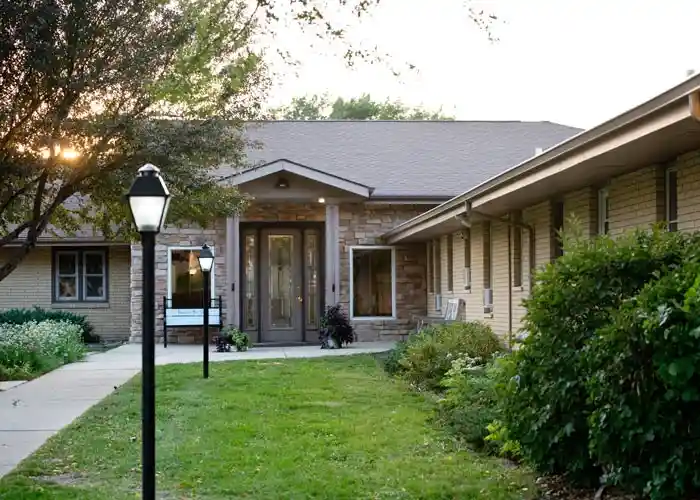
Founded in 2006 by Michael and Rose Marie Vasquez, St. Gregory Recovery Center has been providing rehabilitation treatments to its clients for over 12 years. They offer gender-specific residential care along with medical detox and aftercare options. St. Gregory Recovery Center recognizes that addictions are not forever. Their program is designed to repair the whole body and its ability to make positive choices. St. Gregory is a non-12-Step, faith-based program that is rooted in cognitive behavioral therapy (CBT), behavior modification training, life coaching, and physical wellness. St. Gregory Recovery also offers a team of highly trained staff who help clients learn new skills that would influence their lives positively and help them withdraw from the addiction problem. Although this facility uses religious or spiritual practices as additional treatment options, no particular spiritual or religious practices are imposed on their clients.
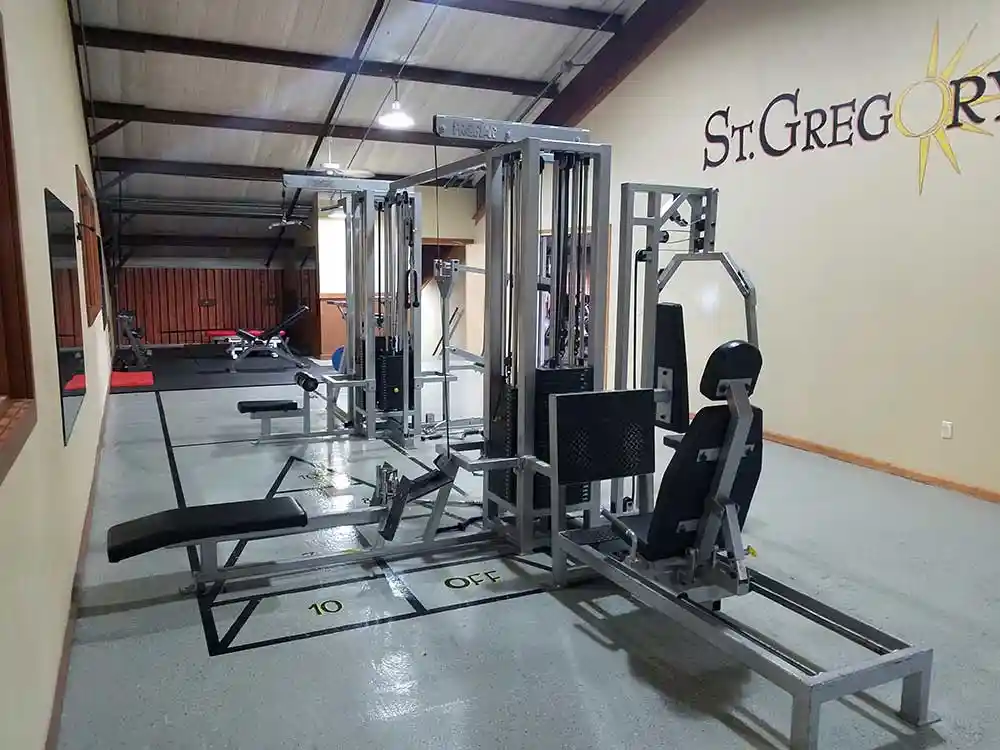
Located in Bayard, Iowa, St. Gregory provides gender-specific housing. The men’s facility has a capacity of 56 beds while the women have a capacity of 28 beds. These residential facilities contain deluxe, semi-private suites with bathrooms and showers. Laundry and leisure activities are offered freely in this facility. Caffeine is allowed in both the residential and detox units. Tobacco is also allowed in the residential unit. Food is prepared by an on-site chef who cooks meals 3 times a day. The facility offers family-style eating which promotes healthy interactions. Physical wellness is an important aspect to the program, and clients can enjoy the use of a gym, an indoor basketball court, and an outdoor volleyball court. St. Gregory Recovery Center is accredited by CARF and accepts most private insurance.

$5,000 | Per week
Extended options available
Men
Women

Mental health is a complex health condition that requires a comprehensive, patient-centered approach to treatment that ensures you receive the appropriate care at the right time, based on your individual needs.

Typically the initial stage of treatment for substance use, focusing on medically supervised management of withdrawal symptoms.
An intensive program offering 24 hour care and a variety of therapeutic services in a residential setting.

Transitional housing designed to support individuals recovering from substance use disorders offering a safe, supportive and structured environment for practicing long-term sobriety, while reintegrating back into daily living.
Treatment programming allowing patients to receive care without staying in a hospital or inpatient facility, providing a variety of therapeutic and medical services.

Alcohol
Alcohol
Using alcohol as a coping mechanism, or drinking excessively throughout the week, signals an alcohol use disorder.
Co-Occurring Disorders
Co-Occurring Disorders
A person with multiple mental health diagnoses, such as addiction and depression, has co-occurring disorders also called dual diagnosis.
Evidence-Based
Evidence-Based
A combination of scientifically rooted therapies and treatments make up evidence-based care, defined by their measured and proven results.
Spiritual Emphasis
Spiritual Emphasis
Spirituality connects patients to a higher power and helps strengthen their recovery, hope, and compliance with other treatment modalities.
Non 12 Step
Non 12 Step
Non-12-Step philosophies veer from the spiritual focus of the 12-Steps and instead treat the disease of addiction with holistic or secular modalities.
1-on-1 Counseling
1-on-1 Counseling
Patient and therapist meet 1-on-1 to work through difficult emotions and behavioral challenges in a personal, private setting.
1-on-1 Counseling with Clinical Psychologist
Life Skills
Life Skills
Teaching life skills like cooking, cleaning, clear communication, and even basic math provides a strong foundation for continued recovery.
Co-Occurring Disorders
Co-Occurring Disorders
A person with multiple mental health diagnoses, such as addiction and depression, has co-occurring disorders also called dual diagnosis.
Cocaine
Cocaine
Cocaine is a stimulant with euphoric effects. Agitation, muscle ticks, psychosis, and heart issues are common symptoms of cocaine abuse.
Benzodiazepines
Benzodiazepines
Benzodiazepines are prescribed to treat anxiety and sleep issues. They are highly habit forming, and their abuse can cause mood changes and poor judgement.
Grief and Loss
Grief and Loss
Grief is a natural reaction to loss, but severe grief can interfere with your ability to function. You can get treatment for this condition.
Opioids
Opioids
Opioids produce pain-relief and euphoria, which can lead to addiction. This class of drugs includes prescribed medication and the illegal drug heroin.
Codependency
Codependency
Codependency is a pattern of emotional dependence and controlling behavior. It’s most common among people with addicted loved ones.
Methamphetamine
Methamphetamine
Methamphetamine, or meth, increases energy, agitation, and paranoia. Long-term use can result in severe physical and mental health issues.
Heroin
Heroin
Heroin is a highly addictive and illegal opioid. It can cause insomnia, collapsed veins, heart issues, and additional mental health issues.
Post Traumatic Stress Disorder
Post Traumatic Stress Disorder
PTSD is a long-term mental health issue caused by a disturbing event or events. Symptoms include anxiety, dissociation, flashbacks, and intrusive thoughts.
Marijuana
Synthetic Drugs
Synthetic Drugs
Synthetic drugs are made in a lab, unlike plant-based drugs like mushrooms. Most synthetic drugs are either stimulants or synthetic cannabinoids.
Depression
Depression
Symptoms of depression may include fatigue, a sense of numbness, and loss of interest in activities. This condition can range from mild to severe.
Drug Addiction
Drug Addiction
Drug addiction is the excessive and repetitive use of substances, despite harmful consequences to a person’s life, health, and relationships.
Alcohol
Alcohol
Using alcohol as a coping mechanism, or drinking excessively throughout the week, signals an alcohol use disorder.
Anxiety
Anxiety
Anxiety is a common mental health condition that can include excessive worry, panic attacks, physical tension, and increased blood pressure.
Trauma
Trauma
Some traumatic events are so disturbing that they cause long-term mental health problems. Those ongoing issues can also be referred to as ‘trauma.’
Support Meetings
Outpatient Treatment
Alumni Events & Get-Togethers

Air-Conditioned Rooms
Private or Shared Rooms
Access to Nature
Basketball Court
Fitness Center
Gardens
Outdoor Lounge
Sauna
Tennis Court
Volleyball Court
Walking Trails
Religion-Based Track
Religion-Based Track
Patients can join faith-based recovery tracks to approach recovery with others in their faith, healing in a like-minded group with similar goals.
Disc Golf
Games
Physical Fitness
Top10 Rehabs is an independent organization that simplifies finding the best mental health and addiction treatment. Comprehensive profiles of over 2,500 rehab centers include insurance coverage, pricing, photos, reviews, and more. Choosing the best path to recovery has never been easier.