Verified
This provider’s information has been quality-checked by Top10 Rehabs’s Research Team for accuracy and completeness, including data verification through appropriate third-party organizations.View This Center’s Verified License
Provider’s Policy
$18,000-$24,000
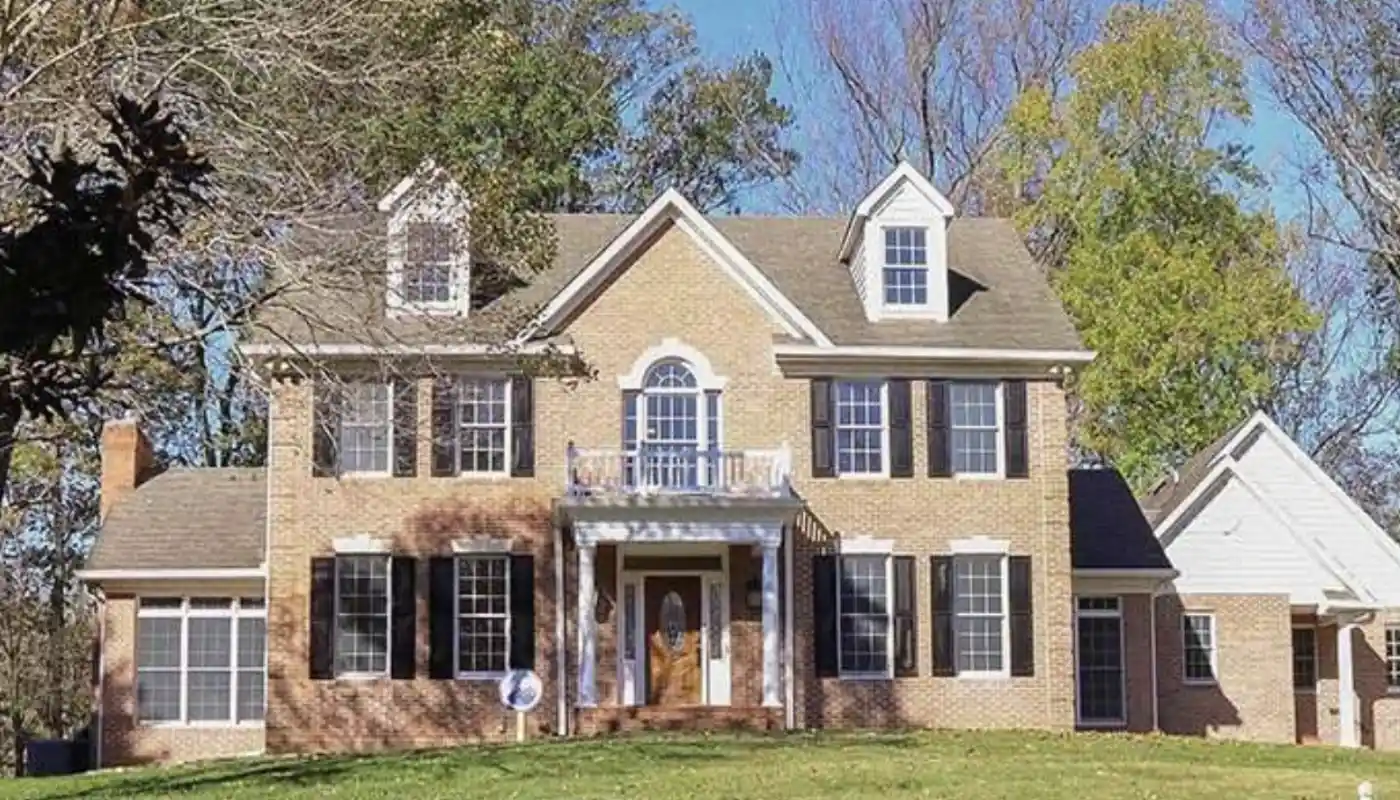
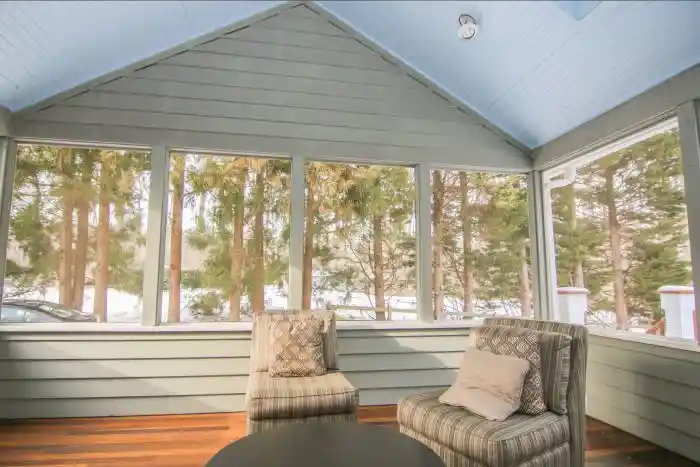
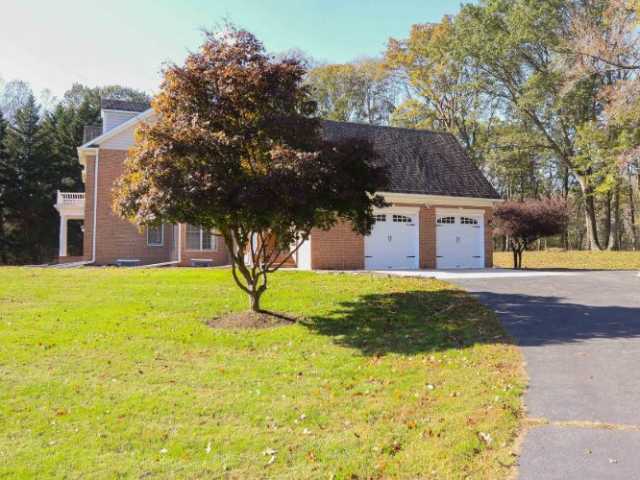
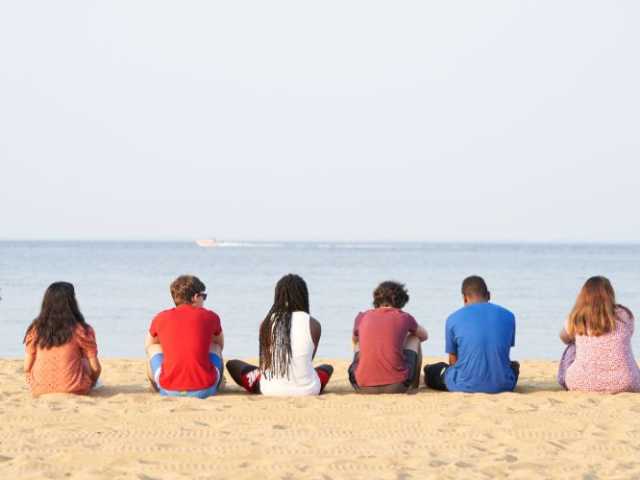
Located on a beautiful private property in Maryland, Chesapeake is designed for teens struggling with substance use and co-occurring mental health disorders.
Highlights
Connect with Sandstone Care Teen Center at Chesapeake by calling their admissions team directly.


Sandstone Care Chesapeake is a residential treatment center for teens ages 13-18. Their treatment program provides family involvement and a personalized plan for teens struggling with marijuana use, alcohol use, opioids use, and co-occurring mental health disorders. Sandstone’s focus is to provide a restorative, private, and peaceful environment while treating teens as whole people. Their program takes into consideration teen’s unique physical, mental, and emotional needs. During teen’s 45-60 day stay, they will live in a beautiful home surrounded by a team who truly understands and cares.
Sandstone Care Chesapeake seeks to help restore and heal any broken relationships between parents and teens. To reclaim those relationships, all must understand that treatment is not a one-sided battle. Sandstone Care understands the importance of involving and providing support for the entire family. Family involvement is difficult and sometimes painful work, but crucial in lasting, effective treatment.
Chesapeake uses a wide range of treatment approaches and evidence-based practices that equip and empower teens and their families with the tools they need to make positive and healthy changes in their lives. Every teen they serve is unique and responds differently to different therapies and activities. Some of the treatments and therapies Sandstone uses include acceptance commitment therapy, art therapy, cognitive behavioral therapy, dialectical behavior therapy, EDMR, equine therapy, music therapy, and wilderness therapy.
The journey and process of sobriety can feel like an uphill battle, and nobody’s journey is the same. Sandstone Care is a stable environment containing highly qualified individuals who are all dedicated to helping teens reclaim their lives.
What is Teen Rehab

Provider’s Policy:At Sandstone Care, we accept all major insurance companies. Our experts will contact your insurance provider and provide a free and confidential verification of benefits. This will allow us to determine any deductible amounts, coinsurance, or co-pays to be collected. No one likes a surprise when it comes to insurance coverage and billing.
One of the nation’s largest not-for-profit health plans, serving 12.7 million members.
With roots in the health field dating back to 1961, Humana is a trusted insurance provider that proudly serves over 20 million Americans.
Part of UnitedHealth Group, providing care to over 165,000 people worldwide.
Providing health care programs that reinforce, maintain, and sustain good health for uniformed service members, retirees, and their families globally.
Cigna’s unique history traces back to 1792, but today they offer services to 190 million customers in 30 different countries across the globe.
A leading healthcare provider serving over 100 million Americans as one of the largest insurance companies in the country.
With 40+ years of behavioral health care experience, MHN partners with thousands of licensed practitioners and hospitals to provide quality insurance to their customers.
Carelon Behavioral Health, formerly Beacon Health Options, is headquartered in Boston, Massachusetts and serves over 40 million people.
Offering plans to individuals and businesses throughout the United States and in countries around the world.
One of the largest health insurance companies in the US, offering several health insurance options to individuals and businesses.
Founded in 1946, Anthem is the 4th largest public managed health care company in the United States and serves over 46 million clients.
Serving over 3 million clients throughout California with an ongoing mission to help the community.
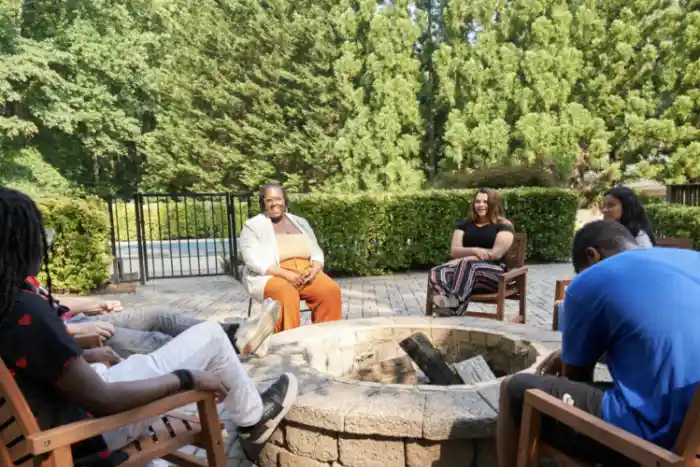
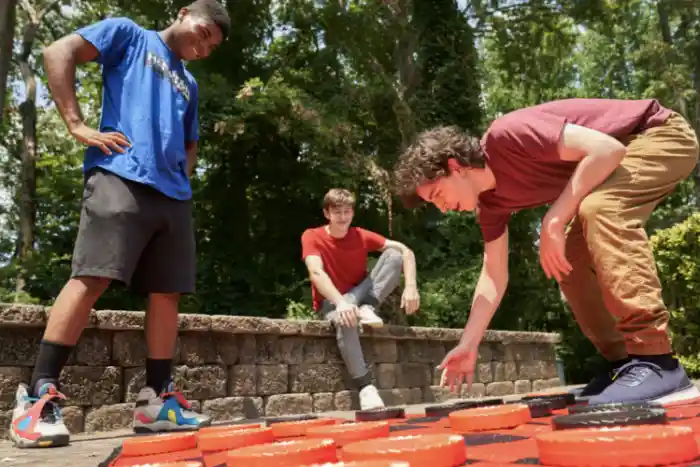
Sandstone takes full advantage of their location, offering therapy modalities like hiking, horseback riding, and other outdoor activities. Therapists combine movement and talk therapy to create an impact that connects, uplifts, and empowers.
Sandstone’s Teen Center involves each teen’s family in their treatment and provides the support they collectively need. Parents are encouraged to be active in the treatment of their teens, with weekly family therapy sessions available via phone or teleconference. Sandstone’s therapists connect with parents each week, providing updates on how their teen is doing in treatment. These sessions are perfect for raising any questions, concerns, or feedback parents may have.
Sandstone Care Teen Center is located on a beautiful and private property in Crownsville, Maryland. The location provides a restorative, quiet, and peaceful place for teens to receive customized treatment for substance use and co-occurring disorders.
Each teen receives care completely tailored to them and their needs. Sandstone Care uses a variety of clinical, evidence-based, traditional, holistic, and non-traditional therapies to craft the perfect plan for each client. With this comprehensive approach, teens get the most relevant and impactful care for them and their specific needs.
RehabPath verified that the name, location, contact information and license to operate for this treatment provider are valid and up-to-date. Sandstone Care Teen Center at Chesapeake has verified the information on this page to be accurate.
RehabPath is an independent, third-party mental health resource. Verification does not imply endorsement and does not guarantee the quality of treatment services
Men
Women
Adolescents
Adolescents
Adolescents receive the treatment they need for mental health disorders and addiction, with the added support of educational and vocational services.
Young Adults
Young Adults
Emerging adults ages 18-25 receive treatment catered to the unique challenges of early adulthood, like college, risky behaviors, and vocational struggles.
Adolescents
Adolescents
Adolescents receive the treatment they need for mental health disorders and addiction, with the added support of educational and vocational services.
Alcohol
Alcohol
Using alcohol as a coping mechanism, or drinking excessively throughout the week, signals an alcohol use disorder.
Drug Addiction
Drug Addiction
Drug addiction is the excessive and repetitive use of substances, despite harmful consequences to a person’s life, health, and relationships.
Experiential Therapy
With this approach, patients heal by doing. Therapists help patients process difficult emotions to speak, using guided activities like art or dance.
Family Involvement
Family Involvement
Providers involve family in the treatment of their loved one through family therapy, visits, or both–because addiction is a family disease.
Marijuana
Opioids
Opioids
Opioids produce pain-relief and euphoria, which can lead to addiction. This class of drugs includes prescribed medication and the illegal drug heroin.
Day Treatment
Day Treatment
In a PHP, patients live at home but follow an intensive schedule of treatment. Most programs require you to be on-site for about 40 hours per week.
Detox
Detox
Detox fully and safely removes toxic substances from the body, allowing the next steps in treatment to begin with a clean slate.
Intensive Family Program
Intensive Outpatient Program
In an IOP, patients live at home, but attend treatment for up to 30 hours a week. Most programs include talk therapy, support groups, and other methods.
Licensed Primary Mental Health
Some primary care providers offer mental health diagnosis and treatment. This can prevent patients from developing more serious conditions.
Outpatient Program
Outpatient Program
During outpatient rehab, patients attend a structured treatment program while continuing to live at home.
Residential
Residential
In a residential rehab program, patients live onsite, with access to daily treatment and 24-hour care. An average stay is 30-90 days.
Sober Living
Sober Living
These structured living environments help people transition out of rehab. Residents have more freedom than they do during rehab, but still follow certain rules.
Outpatient Therapy
Evidence-Based
Evidence-Based
A combination of scientifically rooted therapies and treatments make up evidence-based care, defined by their measured and proven results.
Family Involvement
Family Involvement
Providers involve family in the treatment of their loved one through family therapy, visits, or both–because addiction is a family disease.
Holistic
Holistic
A non-medicinal, wellness-focused approach that aims to align the mind, body, and spirit for deep and lasting healing.
Strengths-based
Strengths-based
Providers using a strengths-based philosophy focus on the positive traits of their patients, creating a positive feedback loop that grows confidence.
1-on-1 Counseling
1-on-1 Counseling
Patient and therapist meet 1-on-1 to work through difficult emotions and behavioral challenges in a personal, private setting.
Trauma-Specific Therapy
This form of talk therapy addresses any childhood trauma at the root of a patient’s current diagnosis.
1-on-1 Counseling with Clinical Psychologist
Art Therapy
Art Therapy
Visual art invites patients to examine the emotions within their work, focusing on the process of creativity and its gentle therapeutic power.
Eye Movement Therapy (EMDR)
Lateral, guided eye movements help reduce the emotional reactions of retelling and reprocessing trauma, allowing intense feelings to dissipate.
Family Therapy
Family Therapy
Family therapy addresses group dynamics within a family system, with a focus on improving communication and interrupting unhealthy relationship patterns.
Life Skills
Life Skills
Teaching life skills like cooking, cleaning, clear communication, and even basic math provides a strong foundation for continued recovery.
Motivational Interviewing
Based on the idea that motivation to change comes from within, providers use a conversational framework to discover personalized methods for change.
Music Therapy
Music Therapy
Singing, performing, and even listening to music can be therapeutic. Music therapy sessions are facilitated by certified counselors.
Acceptance and Commitment Therapy (ACT)
This cognitive behavioral therapy teaches patients to accept challenging feelings and make the appropriate changes to reach personal goals.
Group Therapy
Yoga
Yoga
Yoga is both a physical and spiritual practice. It includes a flow of movement, breathing techniques, and meditation.
Prescription Drugs
Prescription Drugs
It’s possible to abuse any drug, even prescribed ones. If you crave a medication, or regularly take it more than directed, you may have an addiction.
Nicotine
Co-Occurring Disorders
A person with multiple mental health diagnoses, such as addiction and depression, has co-occurring disorders also called dual diagnosis.
Cocaine
Cocaine
Cocaine is a stimulant with euphoric effects. Agitation, muscle ticks, psychosis, and heart issues are common symptoms of cocaine abuse.
Benzodiazepines
Benzodiazepines
Benzodiazepines are prescribed to treat anxiety and sleep issues. They are highly habit forming, and their abuse can cause mood changes and poor judgement.
Grief and Loss
Grief and Loss
Grief is a natural reaction to loss, but severe grief can interfere with your ability to function. You can get treatment for this condition.
Opioids
Opioids
Opioids produce pain-relief and euphoria, which can lead to addiction. This class of drugs includes prescribed medication and the illegal drug heroin.
Codependency
Codependency
Codependency is a pattern of emotional dependence and controlling behavior. It’s most common among people with addicted loved ones.
Methamphetamine
Methamphetamine
Methamphetamine, or meth, increases energy, agitation, and paranoia. Long-term use can result in severe physical and mental health issues.
Heroin
Heroin
Heroin is a highly addictive and illegal opioid. It can cause insomnia, collapsed veins, heart issues, and additional mental health issues.
Post Traumatic Stress Disorder
PTSD is a long-term mental health issue caused by a disturbing event or events. Symptoms include anxiety, dissociation, flashbacks, and intrusive thoughts.
Marijuana
Synthetic Drugs
Synthetic Drugs
Synthetic drugs are made in a lab, unlike plant-based drugs like mushrooms. Most synthetic drugs are either stimulants or synthetic cannabinoids.
Depression
Depression
Symptoms of depression may include fatigue, a sense of numbness, and loss of interest in activities. This condition can range from mild to severe.
Drug Addiction
Drug Addiction
Drug addiction is the excessive and repetitive use of substances, despite harmful consequences to a person’s life, health, and relationships.
Alcohol
Alcohol
Using alcohol as a coping mechanism, or drinking excessively throughout the week, signals an alcohol use disorder.
Anxiety
Anxiety
Anxiety is a common mental health condition that can include excessive worry, panic attacks, physical tension, and increased blood pressure.
Bipolar
Bipolar
This mental health condition is characterized by extreme mood swings between depression, mania, and remission.
Stress
Stress
Stress is a natural reaction to challenges, and it can even help you adapt. However, chronic stress can cause physical and mental health issues.
Anger
Anger
Although anger itself isn’t a disorder, it can get out of hand. If this feeling interferes with your relationships and daily functioning, treatment can help.
Trauma
Trauma
Some traumatic events are so disturbing that they cause long-term mental health problems. Those ongoing issues can also be referred to as ‘trauma.’
ADHD, ADD
ADHD, ADD
ADHD is a common mental health condition caused by dopamine imbalance. Common symptoms include inattention, hyperactivitiy, and impulsivity.
Support Meetings
Outpatient Treatment
Online Aftercare
Air-Conditioned Rooms
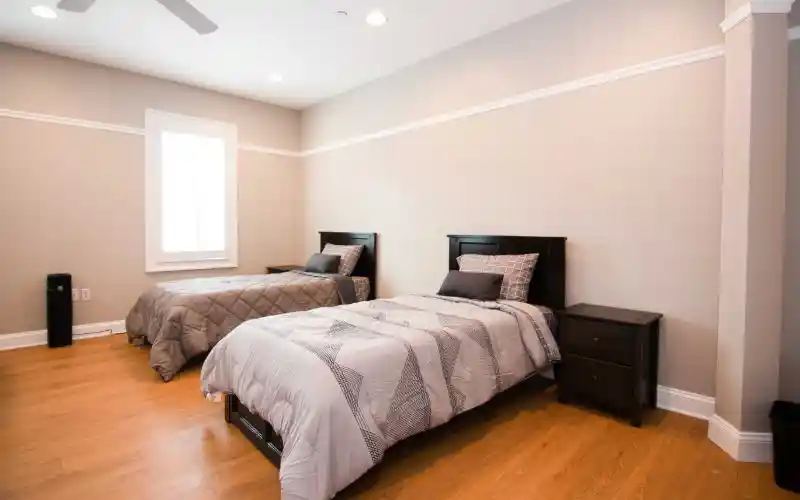
Private or Shared Rooms
Access to Nature
Outdoor Lounge
Walking Trails
Young Adults Program
Programs for young adults bring teens 18+ together to discuss age-specific challenges, vocational and educational progress, and successes in treatment.
Yoga
Yoga
Yoga is both a physical and spiritual practice. It includes a flow of movement, breathing techniques, and meditation.
Chief Clinical Officer
Program Director
Lead Primary Therapist
Clinical Program Director
Chief Medical Officer
Lead Nurse
Chief Executive Officer
Learn more about the treatment programs offered at Sandstone Care, from initial treatments to aftercare.
An example of the daily schedule at Sandstone Care Teen Center at Chesapeake, plus photos and FAQs.
Read through facts, statistics, and general information about teen drug use, including how it can start and how Sandstone Care helps in recovery.
For parents of teens struggling with addiction or mental health, Sandstone Care provides free support groups with no program affiliation required.
Sandstone’s Chesapeake residential program is unmatched in their treatment of adolescents. I recommended the program to a family friend, and from the initial phone call through discharge they were treated with compassion and respect. The Sandstone Chesapeake provides a vitally needed program to the region and I will continue recommending their services to anyone in need.
While costs may vary due to program length and insurance benefits, it typically costs $18,000-$24,000.
Crownsville, Maryland, United States.
At Sandstone Care, we accept all major insurance companies. Our experts will contact your insurance provider and provide a free and confidential verification of benefits. This will allow us to determine any deductible amounts, coinsurance, or co-pays to be collected. No one likes a surprise when it comes to insurance coverage and billing.
The typical length is 30 days.
Yes, services include detox.
Top10 Rehabs is an independent organization that simplifies finding the best mental health and addiction treatment. Comprehensive profiles of over 2,500 rehab centers include insurance coverage, pricing, photos, reviews, and more. Choosing the best path to recovery has never been easier.