

Unclaimed
This provider hasn’t verified their profile’s information. Are you the owner of this center? Claim your listing to better manage your presence on Top10 Rehabs.
Rogers Behavioral Health Seattle offers specialized partial hospitalization and intensive outpatient care for children, teens, and adults.
Claim your profile to manage this page and enable the messaging form.
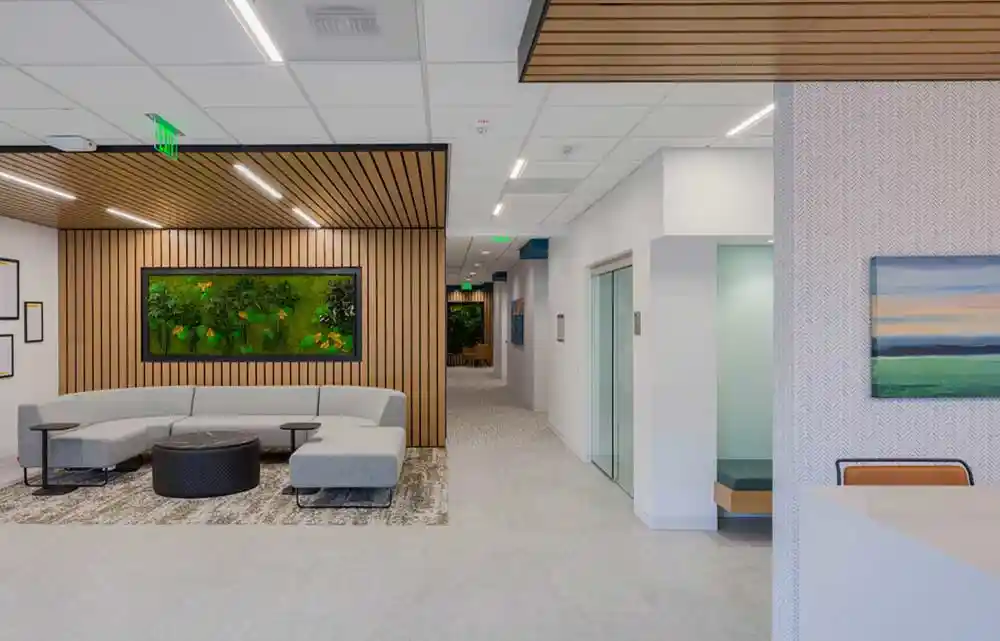
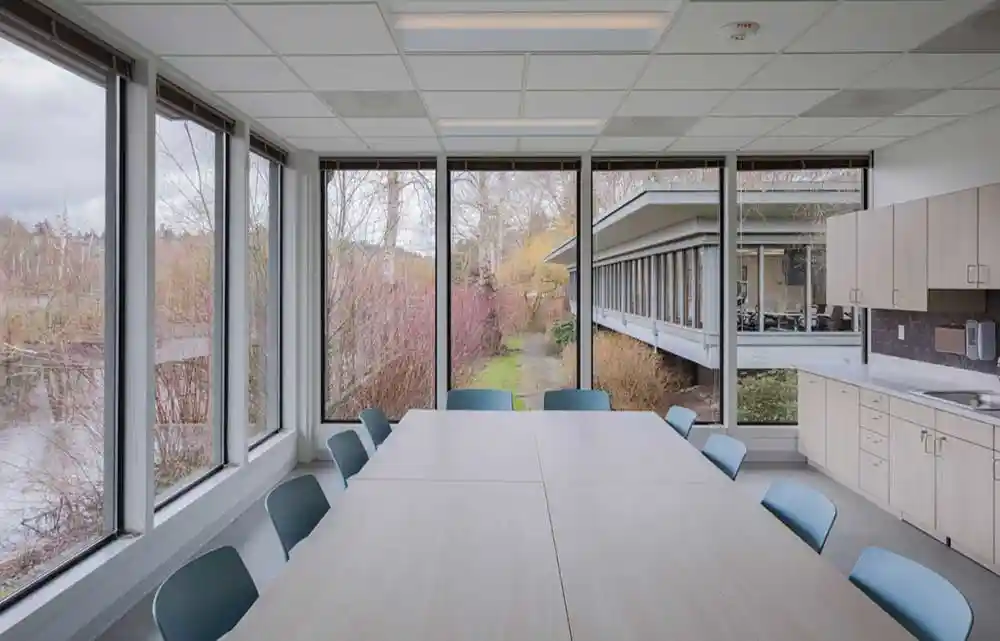
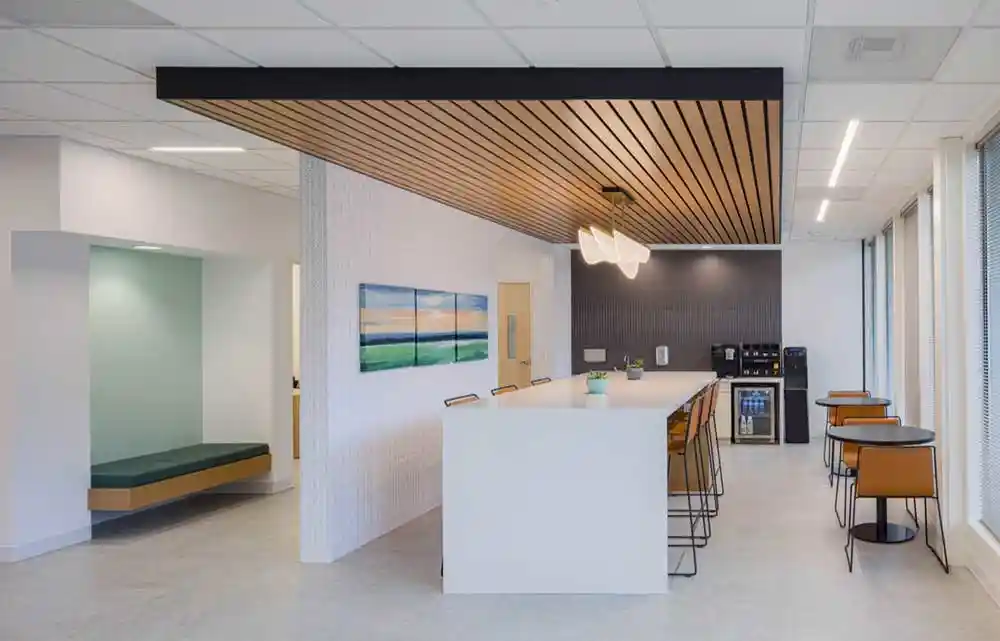
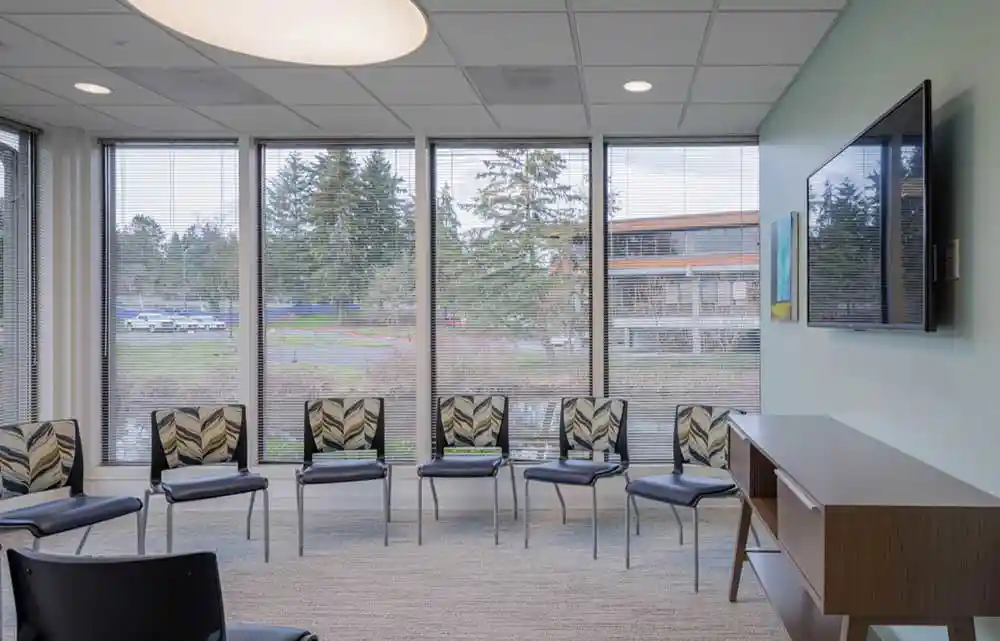
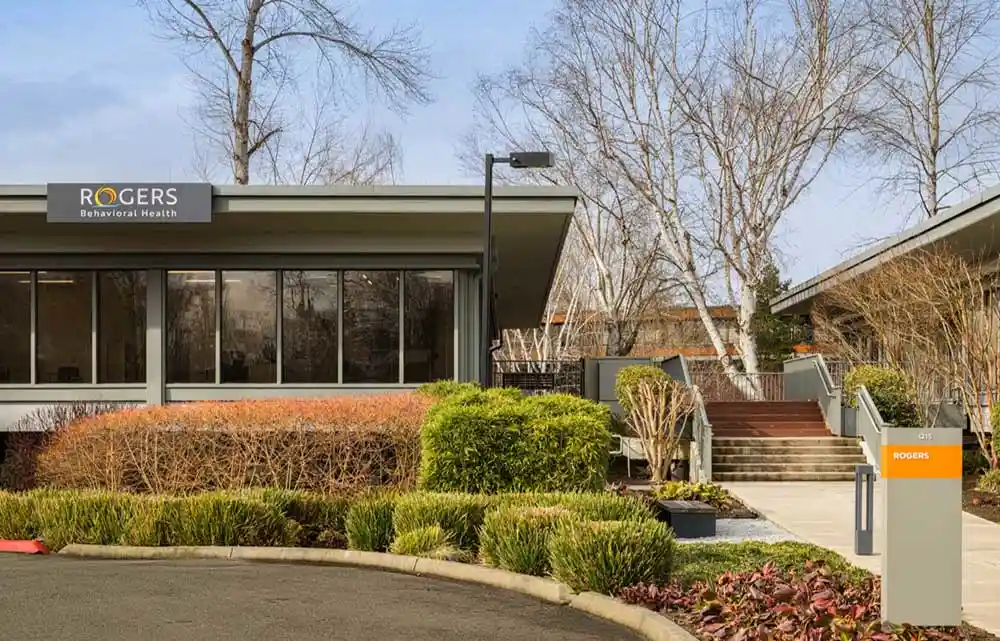
Rogers Behavioral Health Seattle is located in the heart of Seattle and specializes in evidence-based partial hospitalization and intensive outpatient programs. They treat clients of all ages and genders who are suffering from anxiety, depression, OCD, and other mood disorders. Rogers Behavioral Health Seattle uses behavioral activation, cognitive behavioral therapy (CBT), dialectical behavioral therapy (DBT), and exposure response prevention. Rogers Behavioral Health has been around for over 110 years, with 20 centers spanning 11 states. An average stay for clients in the Day Treatment (PHP) is 3-7 days. The Day Treatment (PHP) is 5 days a week and 6 hours a day. Rogers Behavioral Health Seattle is accredited by the Joint Commission and accepts most major insurances.

Men
Women
Adolescents
Adolescents
Adolescents receive the treatment they need for mental health disorders and addiction, with the added support of educational and vocational services.
Children
Children
Treatment for children incorporates the psychiatric care they need and education, often led by on-site teachers to keep children on track with school.

Mental health is a complex health condition that requires a comprehensive, patient-centered approach to treatment that ensures you receive the appropriate care at the right time, based on your individual needs.

Typically the initial stage of treatment for substance use, focusing on medically supervised management of withdrawal symptoms.
An intensive program offering 24 hour care and a variety of therapeutic services in a residential setting.
Transitional housing designed to support individuals recovering from substance use disorders offering a safe, supportive and structured environment for practicing long-term sobriety, while reintegrating back into daily living.

In a PHP, patients live at home but follow an intensive schedule of treatment. Most programs require you to be on-site for about 40 hours per week.
Treatment programming allowing patients to receive care without staying in a hospital or inpatient facility, providing a variety of therapeutic and medical services.

Adolescents
Adolescents
Adolescents receive the treatment they need for mental health disorders and addiction, with the added support of educational and vocational services.
Anxiety
Anxiety
Anxiety is a common mental health condition that can include excessive worry, panic attacks, physical tension, and increased blood pressure.
Depression
Depression
Symptoms of depression may include fatigue, a sense of numbness, and loss of interest in activities. This condition can range from mild to severe.
Evidence-Based
Evidence-Based
A combination of scientifically rooted therapies and treatments make up evidence-based care, defined by their measured and proven results.
Individual Treatment
Individual Treatment
Individual care meets the needs of each patient, using personalized treatment to provide them the most relevant care and greatest chance of success.
Experiential
Experiential
Expressive tools and therapies help patients process past situations, learn more about themselves, and find healing through action.
1-on-1 Counseling
1-on-1 Counseling
Patient and therapist meet 1-on-1 to work through difficult emotions and behavioral challenges in a personal, private setting.
Cognitive Behavioral Therapy
DBT
DBT
This stage-based therapy helps patients address their realities and behaviors while inspiring healthy change, primarily in regulating emotions.
Experiential Therapy
Experiential Therapy
With this approach, patients heal by doing. Therapists help patients process difficult emotions to speak, using guided activities like art or dance.
Life Skills
Life Skills
Teaching life skills like cooking, cleaning, clear communication, and even basic math provides a strong foundation for continued recovery.
Medication-Assisted Treatment
Medication-Assisted Treatment
Combined with behavioral therapy, prescribed medications can enhance treatment by relieving withdrawal symptoms and focus patients on their recovery.
Group Therapy
Depression
Depression
Symptoms of depression may include fatigue, a sense of numbness, and loss of interest in activities. This condition can range from mild to severe.
Anxiety
Anxiety
Anxiety is a common mental health condition that can include excessive worry, panic attacks, physical tension, and increased blood pressure.

The typical length is 3-7 Days.
Top10 Rehabs is an independent organization that simplifies finding the best mental health and addiction treatment. Comprehensive profiles of over 2,500 rehab centers include insurance coverage, pricing, photos, reviews, and more. Choosing the best path to recovery has never been easier.