Unclaimed
This provider hasn’t verified their profile’s information. Are you the owner of this center? Claim your listing to better manage your presence on Top10 Rehabs.
A dual-diagnosis program offering a full continuum of care with detox, residential, and outpatient treatment for addiction and co-occurring disorders.
Claim your profile to manage this page and enable the messaging form.


Right Path Recovery provides comprehensive and integrated treatment for adults with drug or alcohol addictions, as well as co-occurring mental health disorders such as depression, anxiety, and trauma. They use a holistic approach to address mind, body, and spirit, providing thorough assessments and individually tailored, evidence-based treatment plans. Their multidisciplinary team is led by board-certified physicians, with a full clinical team of licensed therapists and addiction specialists at every treatment center.
Right Path specializes in 3 different dual-diagnosis treatment programs, offering medically supervised detox, residential treatment, and an outpatient program with varying levels of care.
Their detox program provides a safe and supportive environment for individuals with physical dependencies to drugs or alcohol, providing medical supervision and offering medication-assisted treatment to help ease the physical and mental discomfort of withdrawal. Clients in need of detox services can start their recovery journey in a safe, private, structured, and comfortable environment as they reach the level of stabilization needed to move on to residential or outpatient treatment.
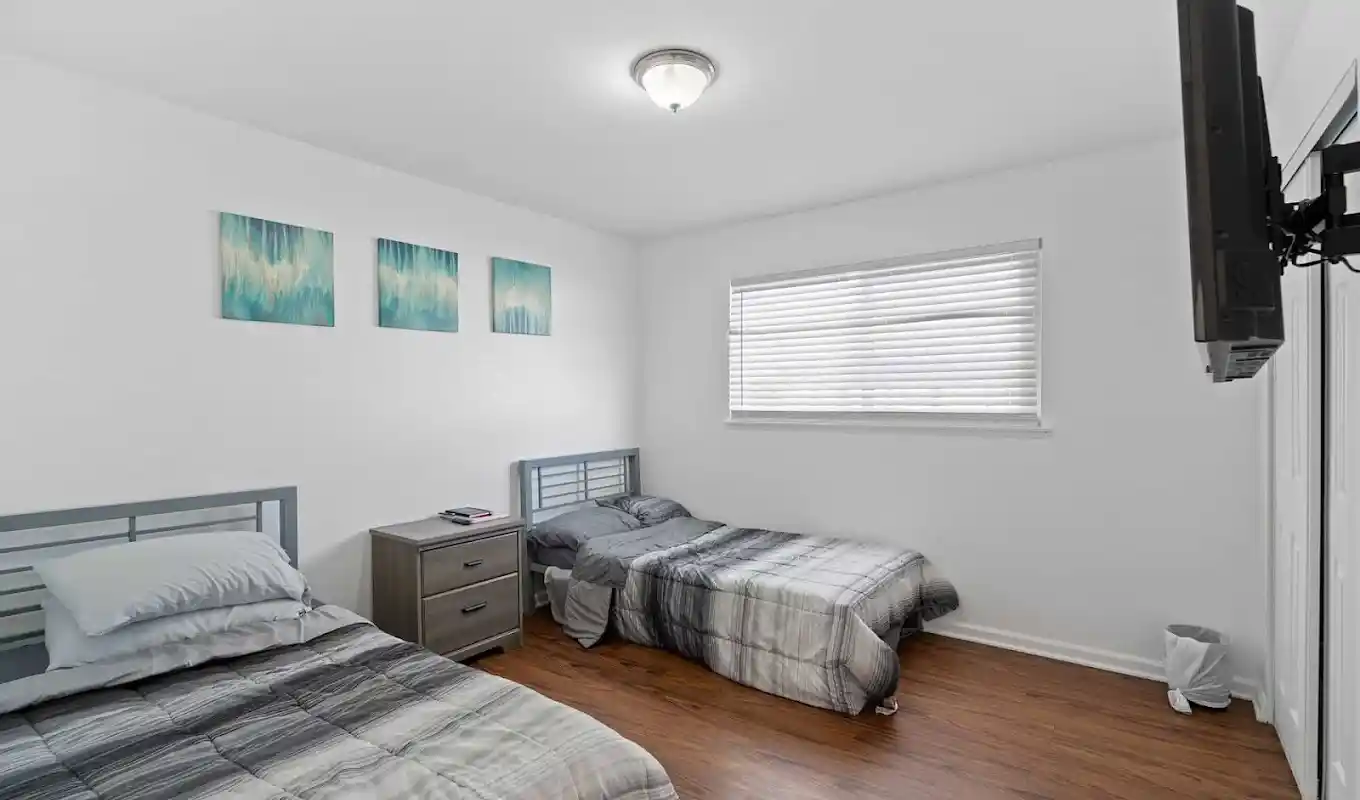
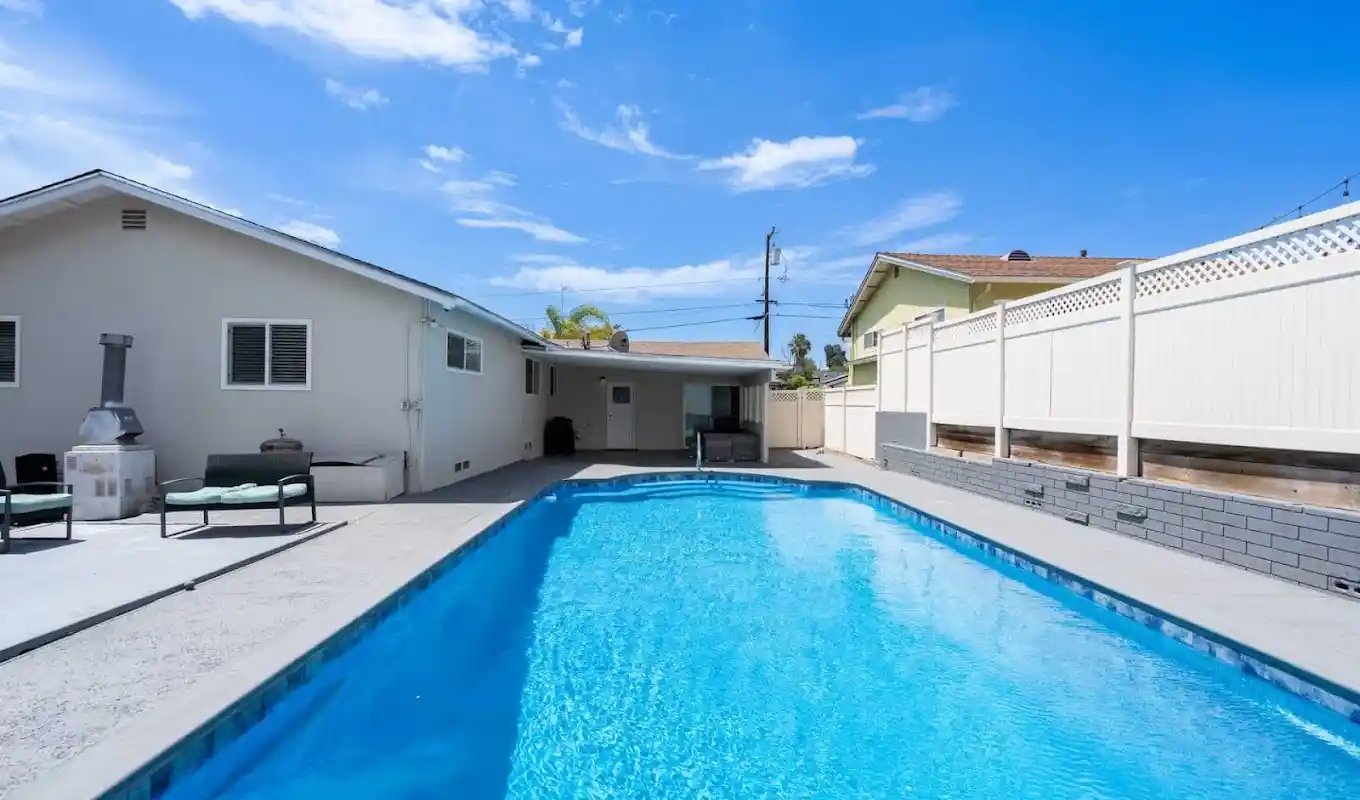
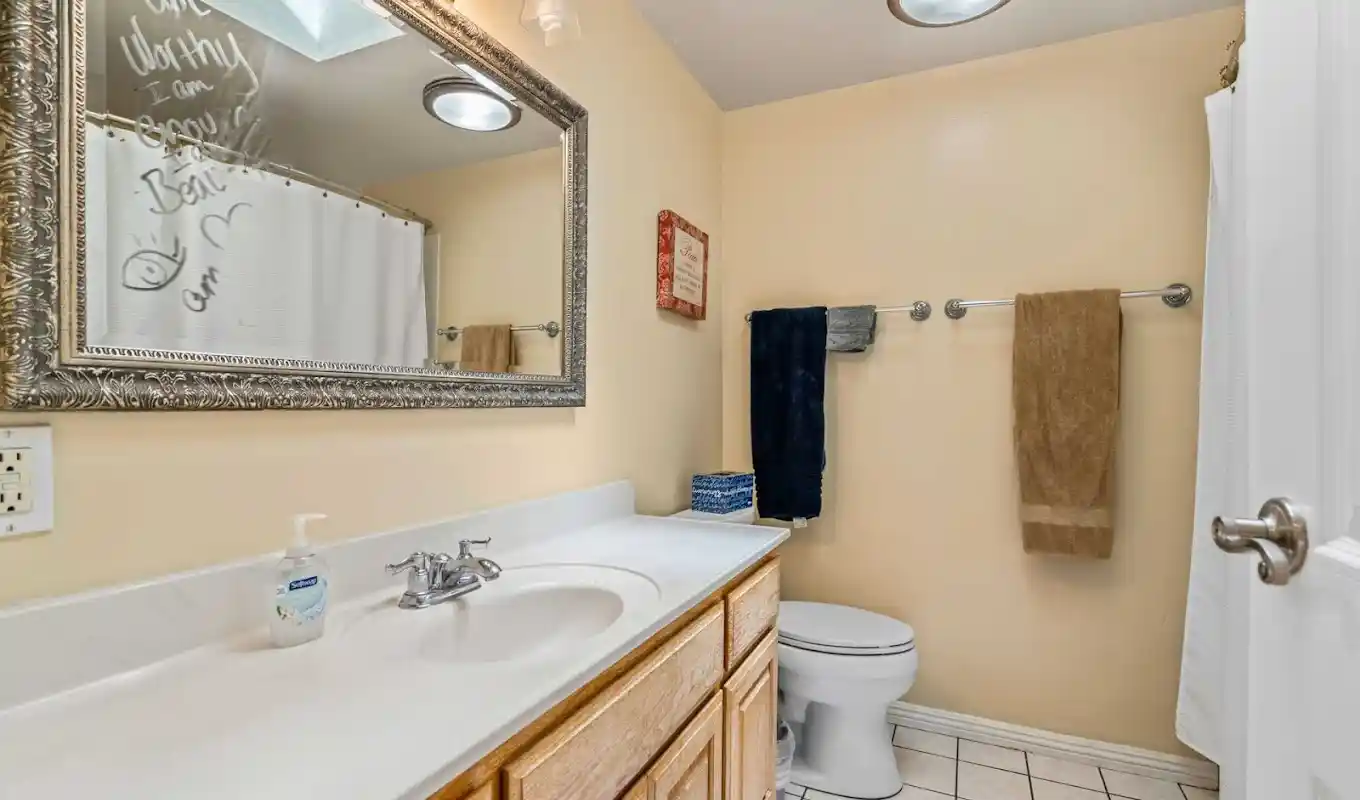
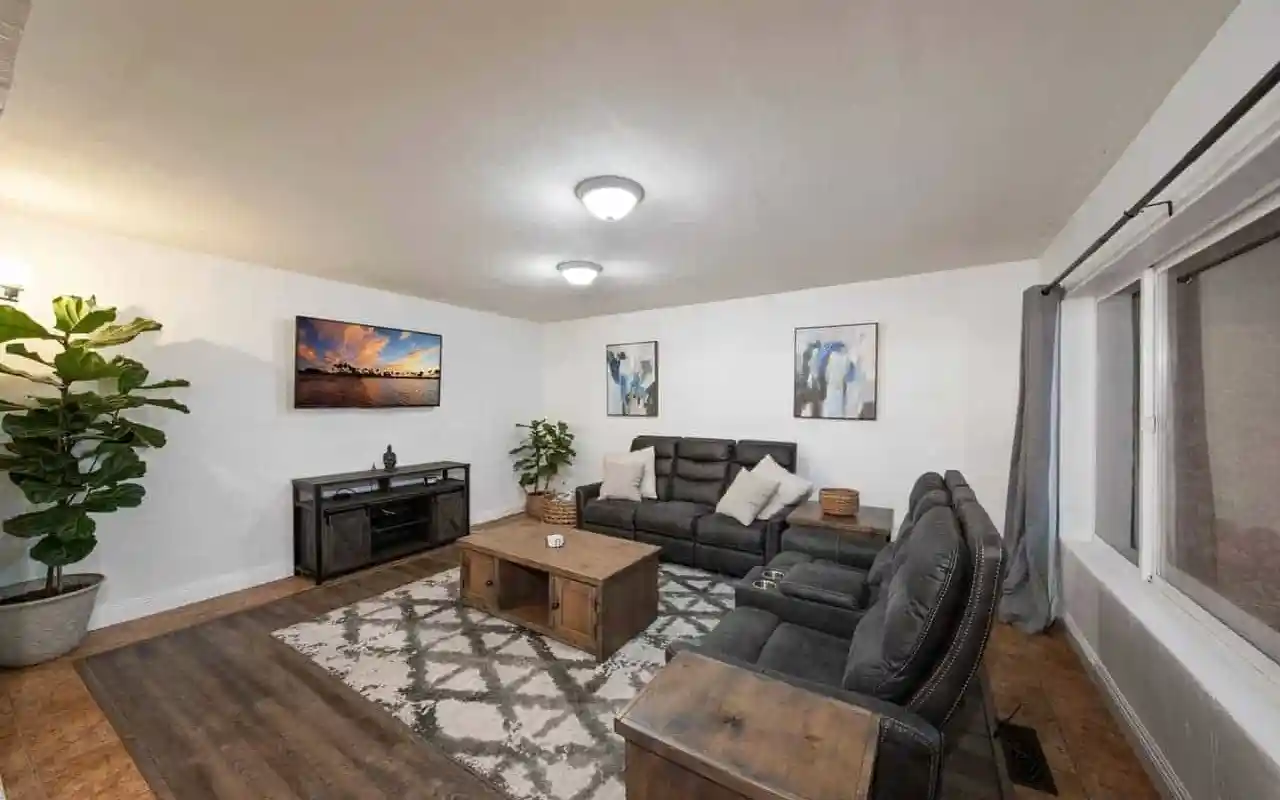
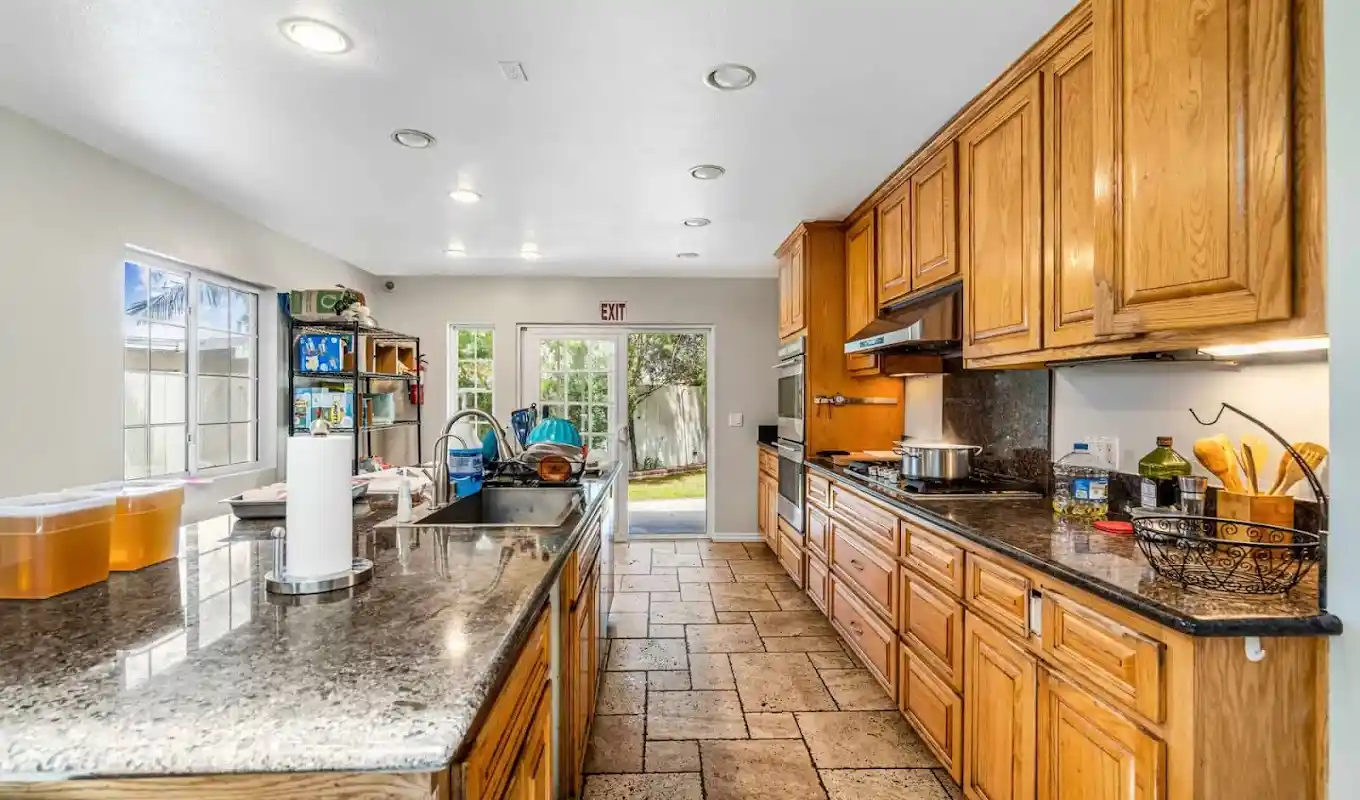
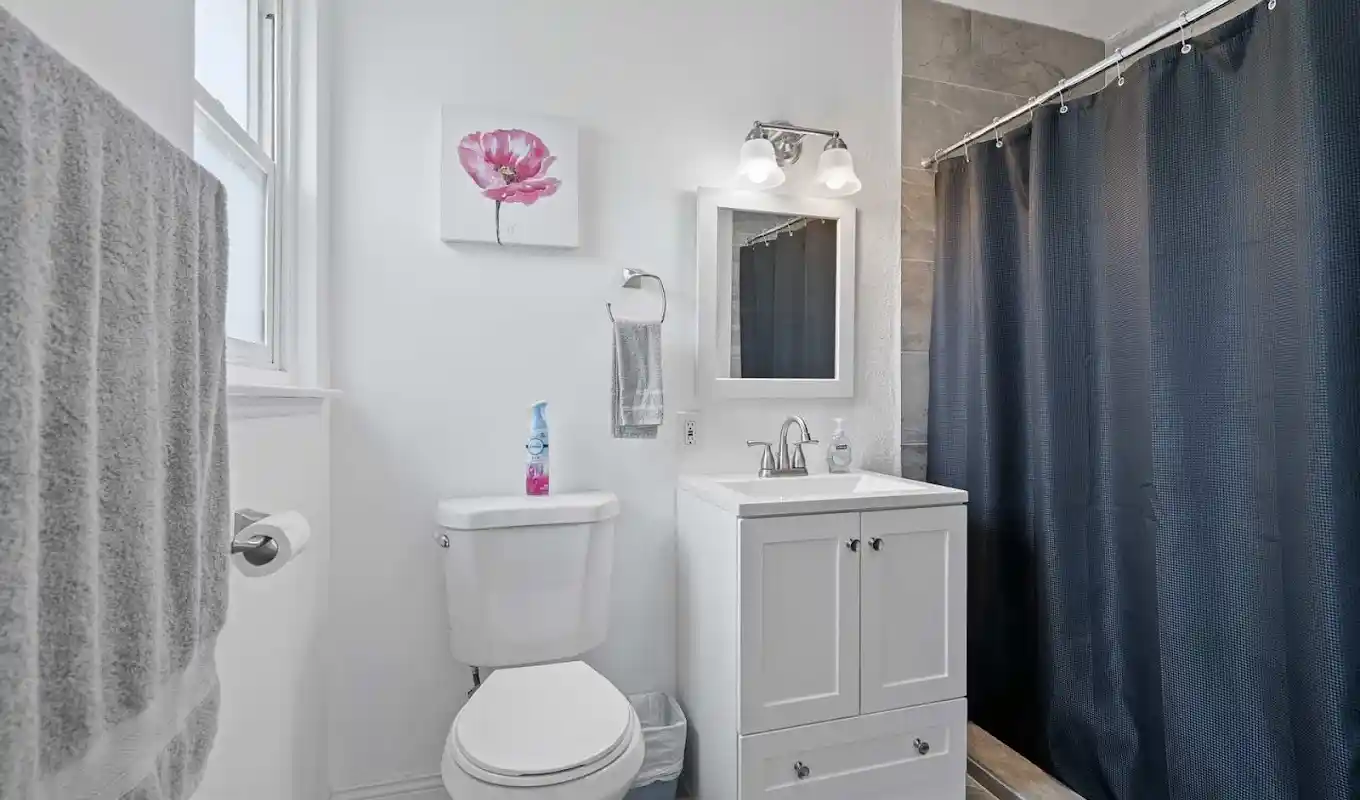
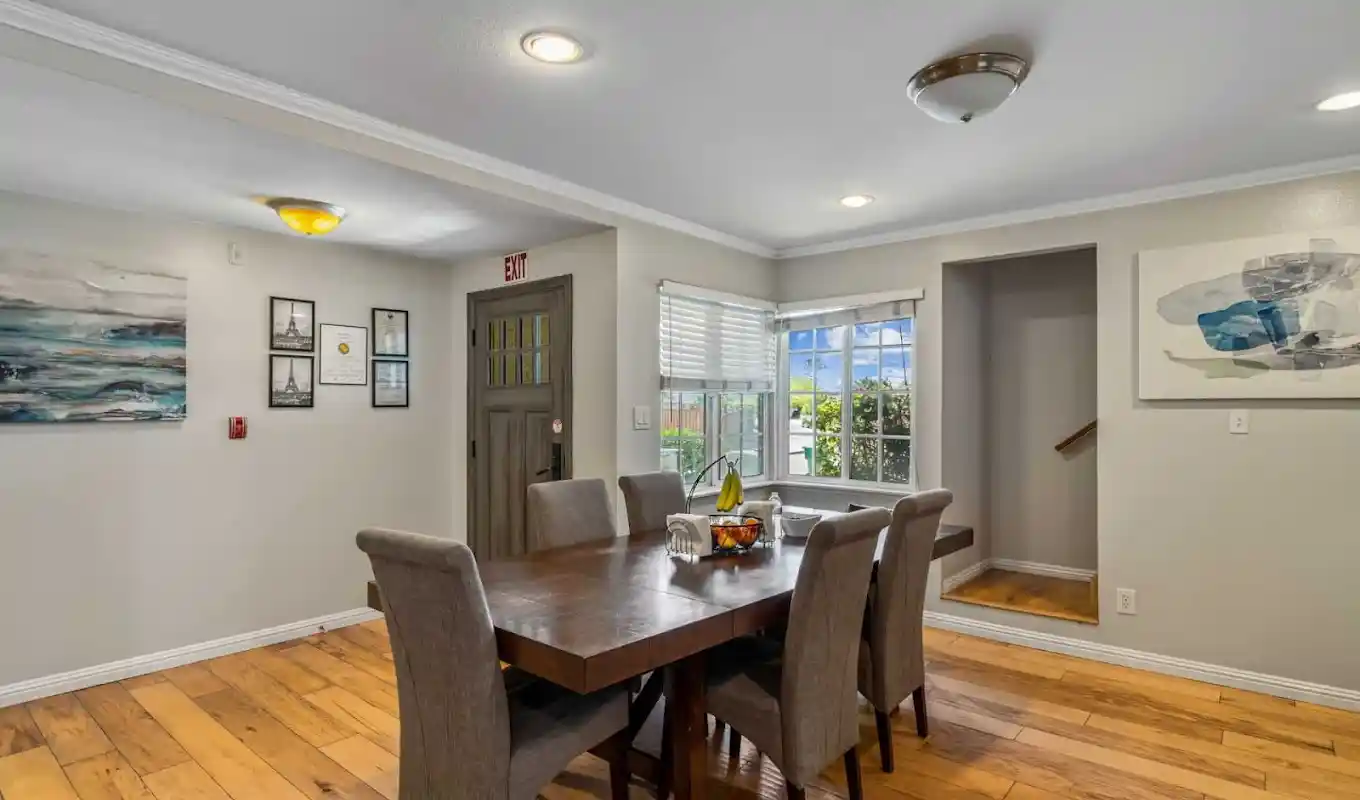
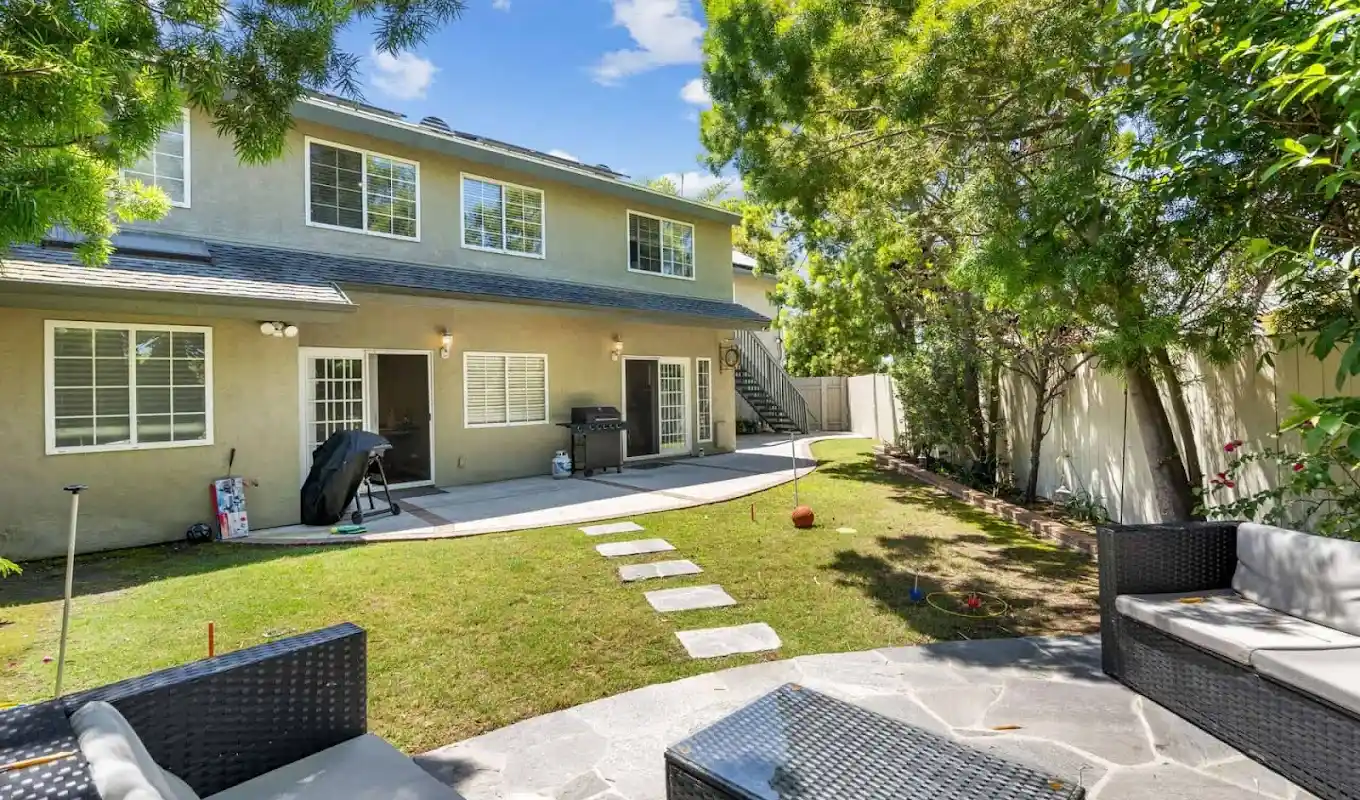
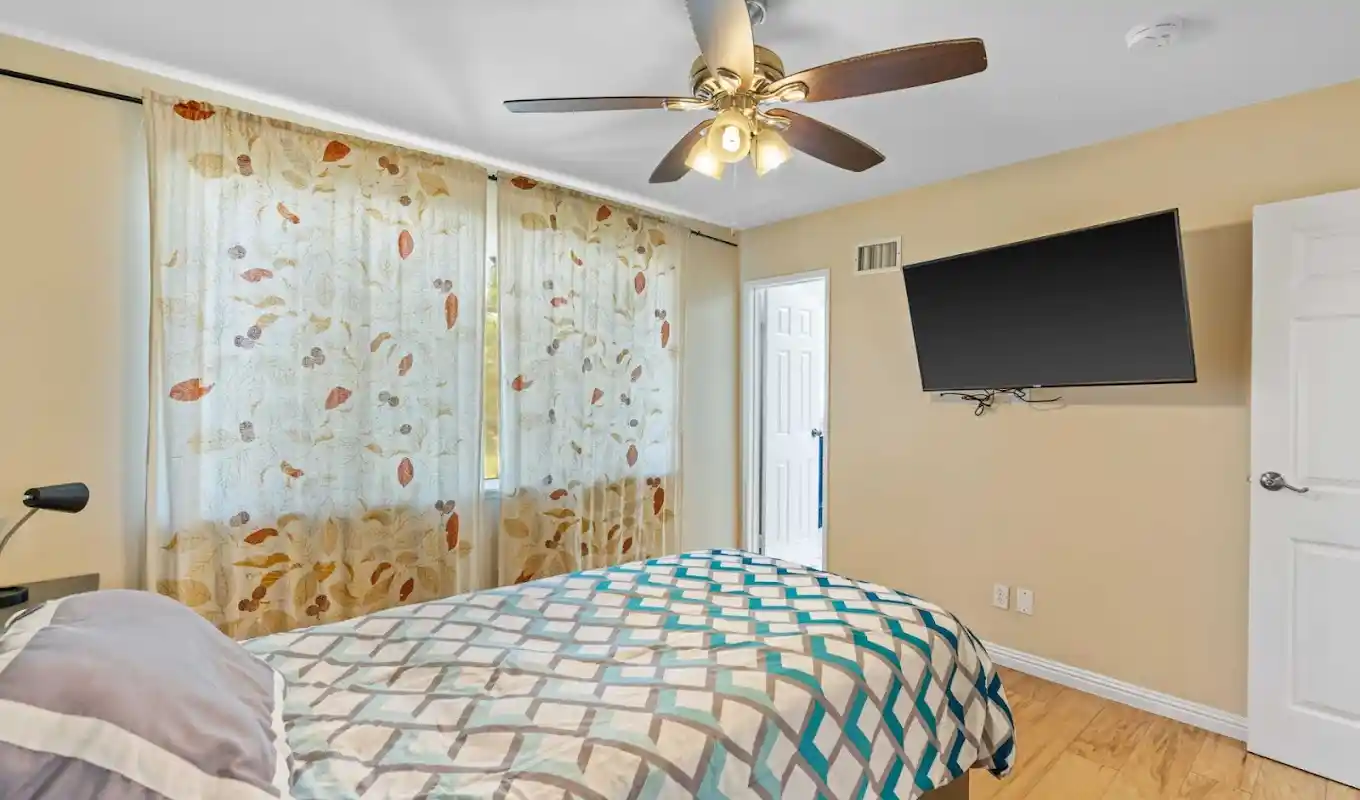
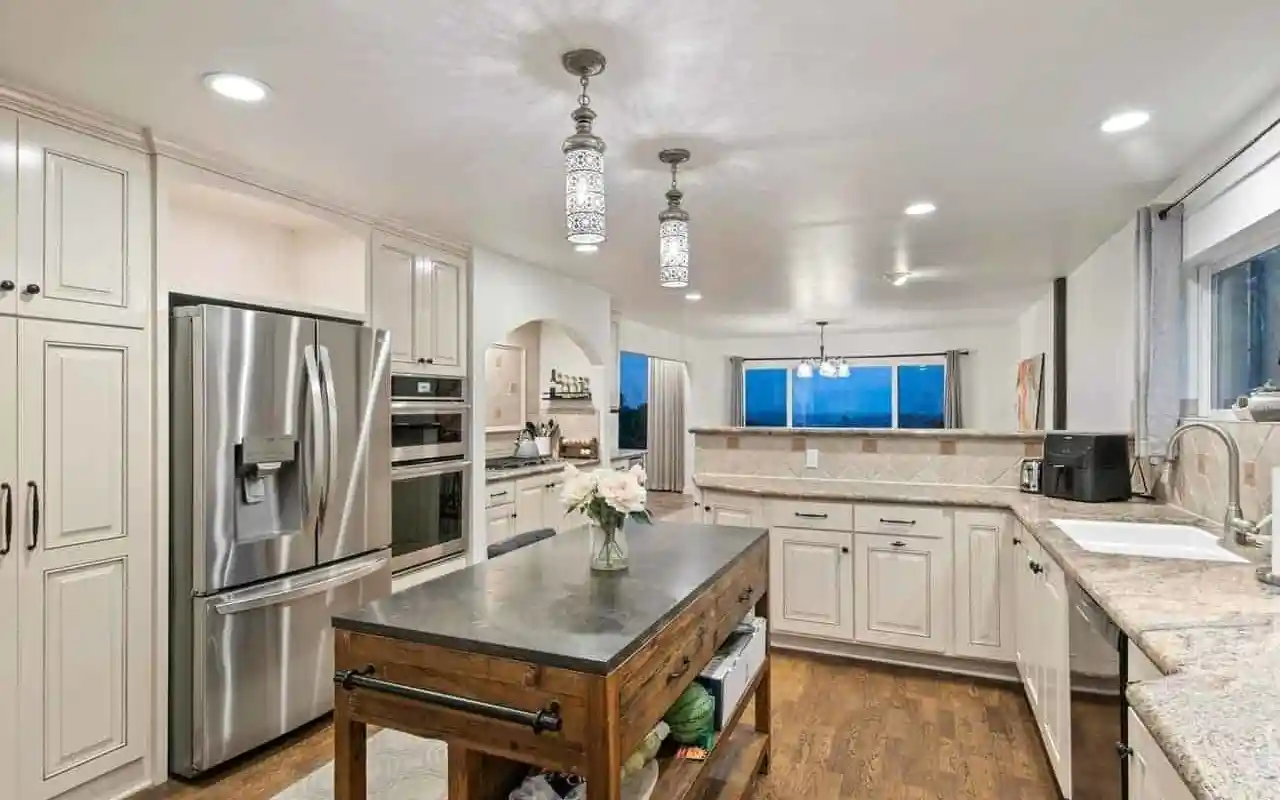
Their residential program offers clients a comfortable, home-like environment with luxury amenities and 24/7 care from compassionate staff. Clients participating in residential care have access to private, fully furnished rooms, an on-site chef providing healthy and organic meals, access to personal trainers, shared kitchen space and community style meals, private space for therapy sessions, a dedicated wellness room for yoga or meditation, access to big-screen TVs and internet with Netflix, cable, and X Box, and outdoor amenities such as a pool, patio with furniture, and barbecue area. Patients in residential treatment are given personally tailored recovery plans that consist of evidence-based and experiential therapies such as cognitive behavioral therapy (CBT), dialectical behavior therapy (DBT), acceptance and commitment therapy (ACT), and recreational therapies like crafts, swimming, drawing, writing, painting, music, or dancing. Clients will also participate in individual, group, family, and relationship counseling and receive life skills training and relapse prevention services
Patients who need more flexibility than residential care offers due to employment or caregiver obligations, or in need of a less intensive program, may participate in an outpatient program. Day treatment, otherwise known as a partial hospitalization program (PHP), offers the same therapies and services as their residential program while allowing clients to remain living at home. PHP typically meets for up to 5 days per week with 8 hours of treatment per day. Right Path Recovery also offers an intensive outpatient program (IOP) for those who are ready to step down from PHP or residential care. IOP meets for up to 5 days per week with 3-5 hours of treatment per day, allowing patients to continue working on their individualized recovery. Their outpatient program allows clients to participate in weekly group therapy sessions or ongoing 1-on-1 counseling with a clinical psychologist on an outpatient basis.
Clients have access to optional faith-based programs at Right Path for Christian’s who are seeking treatment for addiction and co-occurring disorders. They help patients focus on the power of healing found in Christianity as they rediscover their faith, as well as offering resources for like-minded community groups. This program combines evidence-based methods with faith-based methods, and introduces the principles of 12-step recovery.
They also offer programs for smoking cessation, assisting clients to quit smoking while in recovery from other addictions with a combination of medications and behavioral therapy.
Aftercare support services include case management, which can help patients establish housing and transportation plans, identify outpatient treatment options, provide assistance with government aid programs, educational or employment support, and reinforcing relapse prevention and crisis aversion plans.

Provider’s Policy:Our commitment to providing exceptional care to those who need it most is showcased by our acceptance of most major insurances.
Cigna’s unique history traces back to 1792, but today they offer services to 190 million customers in 30 different countries across the globe.
One of the largest health insurance companies in the US, offering several health insurance options to individuals and businesses.
Founded in 1946, Anthem is the 4th largest public managed health care company in the United States and serves over 46 million clients.
Men
Women
Men and Women
Men and Women
Men and women attend treatment for addiction in a co-ed setting, going to therapy groups together to share experiences, struggles, and successes.
Mental health is a complex health condition that requires a comprehensive, patient-centered approach to treatment that ensures you receive the appropriate care at the right time, based on your individual needs.
Typically the initial stage of treatment for substance use, focusing on medically supervised management of withdrawal symptoms.
An intensive program offering 24 hour care and a variety of therapeutic services in a residential setting.
Transitional housing designed to support individuals recovering from substance use disorders offering a safe, supportive and structured environment for practicing long-term sobriety, while reintegrating back into daily living.
In a PHP, patients live at home but follow an intensive schedule of treatment. Most programs require you to be on-site for about 40 hours per week.
Treatment programming allowing patients to receive care without staying in a hospital or inpatient facility, providing a variety of therapeutic and medical services.
Day Treatment
Day Treatment
In a PHP, patients live at home but follow an intensive schedule of treatment. Most programs require you to be on-site for about 40 hours per week.
Detox
Detox
Detox fully and safely removes toxic substances from the body, allowing the next steps in treatment to begin with a clean slate.
Residential
Residential
In a residential rehab program, patients live onsite, with access to daily treatment and 24-hour care. An average stay is 30-90 days.
1-on-1 Counseling
1-on-1 Counseling
Patient and therapist meet 1-on-1 to work through difficult emotions and behavioral challenges in a personal, private setting.
Meditation & Mindfulness
A practiced state of mind that brings patients to the present. It allows them to become fully aware of themselves, their feelings, and the present moment.
Trauma-Specific Therapy
This form of talk therapy addresses any childhood trauma at the root of a patient’s current diagnosis.
Cognitive Behavioral Therapy
Couples Counseling
Couples Counseling
Partners work to improve their communication patterns, using advice from their therapist to better their relationship and make healthy changes.
Expressive Arts
Expressive Arts
Creative processes like art, writing, or dance use inner creative desires to help boost confidence, emotional growth, and initiate change.
Family Therapy
Family Therapy
Family therapy addresses group dynamics within a family system, with a focus on improving communication and interrupting unhealthy relationship patterns.
Life Skills
Life Skills
Teaching life skills like cooking, cleaning, clear communication, and even basic math provides a strong foundation for continued recovery.
Medication-Assisted Treatment
Combined with behavioral therapy, prescribed medications can enhance treatment by relieving withdrawal symptoms and focus patients on their recovery.
Motivational Interviewing
Based on the idea that motivation to change comes from within, providers use a conversational framework to discover personalized methods for change.
Recreation Therapy
Recreation Therapy
In recreation therapy, recovery can be joyful. Patients practice social skills and work through emotional triggers by engaging in fun activities.
Relapse Prevention Counseling
Relapse prevention counselors teach patients to recognize the signs of relapse and reduce their risk.
Spiritual Care
Spiritual Care
Tending to spiritual health helps treatment become more effective, allowing patients to better cope with their emotions and rebuild their spiritual wellbeing.
Twelve Step Facilitation
12-Step groups offer a framework for addiction recovery. Members commit to a higher power, recognize their issues, and support each other in the healing process.
Acceptance and Commitment Therapy (ACT)
This cognitive behavioral therapy teaches patients to accept challenging feelings and make the appropriate changes to reach personal goals.
Dialectical Behavior Therapy
Group Therapy
Yoga
Yoga
Yoga is both a physical and spiritual practice. It includes a flow of movement, breathing techniques, and meditation.
Alcohol
Alcohol
Using alcohol as a coping mechanism, or drinking excessively throughout the week, signals an alcohol use disorder.
Anger
Anger
Although anger itself isn’t a disorder, it can get out of hand. If this feeling interferes with your relationships and daily functioning, treatment can help.
Anxiety
Anxiety
Anxiety is a common mental health condition that can include excessive worry, panic attacks, physical tension, and increased blood pressure.
Bipolar
Bipolar
This mental health condition is characterized by extreme mood swings between depression, mania, and remission.
Co-Occurring Disorders
A person with multiple mental health diagnoses, such as addiction and depression, has co-occurring disorders also called dual diagnosis.
Cocaine
Cocaine
Cocaine is a stimulant with euphoric effects. Agitation, muscle ticks, psychosis, and heart issues are common symptoms of cocaine abuse.
Depression
Depression
Symptoms of depression may include fatigue, a sense of numbness, and loss of interest in activities. This condition can range from mild to severe.
Drug Addiction
Drug Addiction
Drug addiction is the excessive and repetitive use of substances, despite harmful consequences to a person’s life, health, and relationships.
Heroin
Heroin
Heroin is a highly addictive and illegal opioid. It can cause insomnia, collapsed veins, heart issues, and additional mental health issues.
Internet Addiction
Internet Addiction
Internet addiction is common among children teens. This compulsive disorder can damage relationships, school performance, sleep habits, and physical health.
Marijuana
Methamphetamine
Methamphetamine
Methamphetamine, or meth, increases energy, agitation, and paranoia. Long-term use can result in severe physical and mental health issues.
Obsessive Compulsive Disorder
OCD is characterized by intrusive and distressing thoughts that drive repetitive behaviors. This pattern disrupts daily life and relationships.
Opioids
Opioids
Opioids produce pain-relief and euphoria, which can lead to addiction. This class of drugs includes prescribed medication and the illegal drug heroin.
Prescription Drugs
Prescription Drugs
It’s possible to abuse any drug, even prescribed ones. If you crave a medication, or regularly take it more than directed, you may have an addiction.
Post Traumatic Stress Disorder
PTSD is a long-term mental health issue caused by a disturbing event or events. Symptoms include anxiety, dissociation, flashbacks, and intrusive thoughts.
Smoking Cessation
Smoking Cessation
Quitting smoking—i.e., ceasing to smoke—means giving up smoking nicotine and tobacco products. This process has very important health benefits.
Suicidality
Suicidality
With suicidality, a person fantasizes about suicide, or makes a plan to carry it out. This is a serious mental health symptom.
Synthetic Drugs
Synthetic Drugs
Synthetic drugs are made in a lab, unlike plant-based drugs like mushrooms. Most synthetic drugs are either stimulants or synthetic cannabinoids.
Trauma
Trauma
Some traumatic events are so disturbing that they cause long-term mental health problems. Those ongoing issues can also be referred to as ‘trauma.’
Support Meetings
Aftercare Home Support
Alumni Events & Get-Togethers
En Suite Bathroom
Private Rooms
Shared Bathroom
Personal Fitness Trainer
Pool
Wellness Center
Internet Access
Chef-prepared Meals
Outdoor Lounge
TV
Healthy Meals are provided
Great food meets great treatment, with providers serving healthy meals to restore nutrition, wellbeing, and health.
Yoga
Yoga
Yoga is both a physical and spiritual practice. It includes a flow of movement, breathing techniques, and meditation.
AA/NA Meetings
Alternative Meetings
Movies
Physical Fitness
Swimming
Dance Therapy
Dance Therapy
This experiential therapy uses dance to improve body awareness, physical health, and social skills.
Adventure Outings
Beach Walks
Hiking
Beach Access
San Diego, California, United States.
Our commitment to providing exceptional care to those who need it most is showcased by our acceptance of most major insurances..
The typical length is 30-90+ days.
Yes, services include detox.
Top10 Rehabs is an independent organization that simplifies finding the best mental health and addiction treatment. Comprehensive profiles of over 2,500 rehab centers include insurance coverage, pricing, photos, reviews, and more. Choosing the best path to recovery has never been easier.