Unclaimed
This provider hasn’t verified their profile’s information. Are you the owner of this center? Claim your listing to better manage your presence on Top10 Rehabs.
A comprehensive outpatient program offering holistic treatment methods for adults who are struggling with addictions and co-occurring disorders.
Claim your profile to manage this page and enable the messaging form.


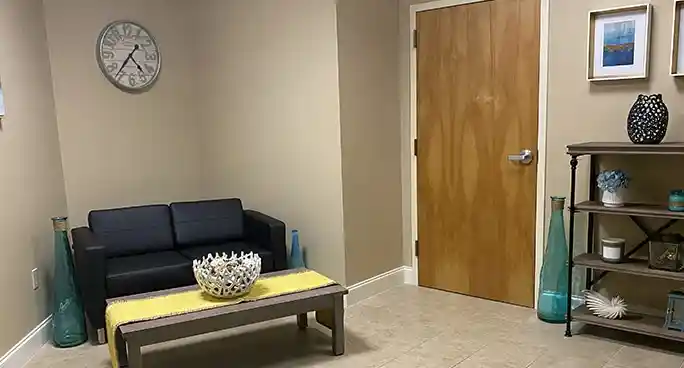
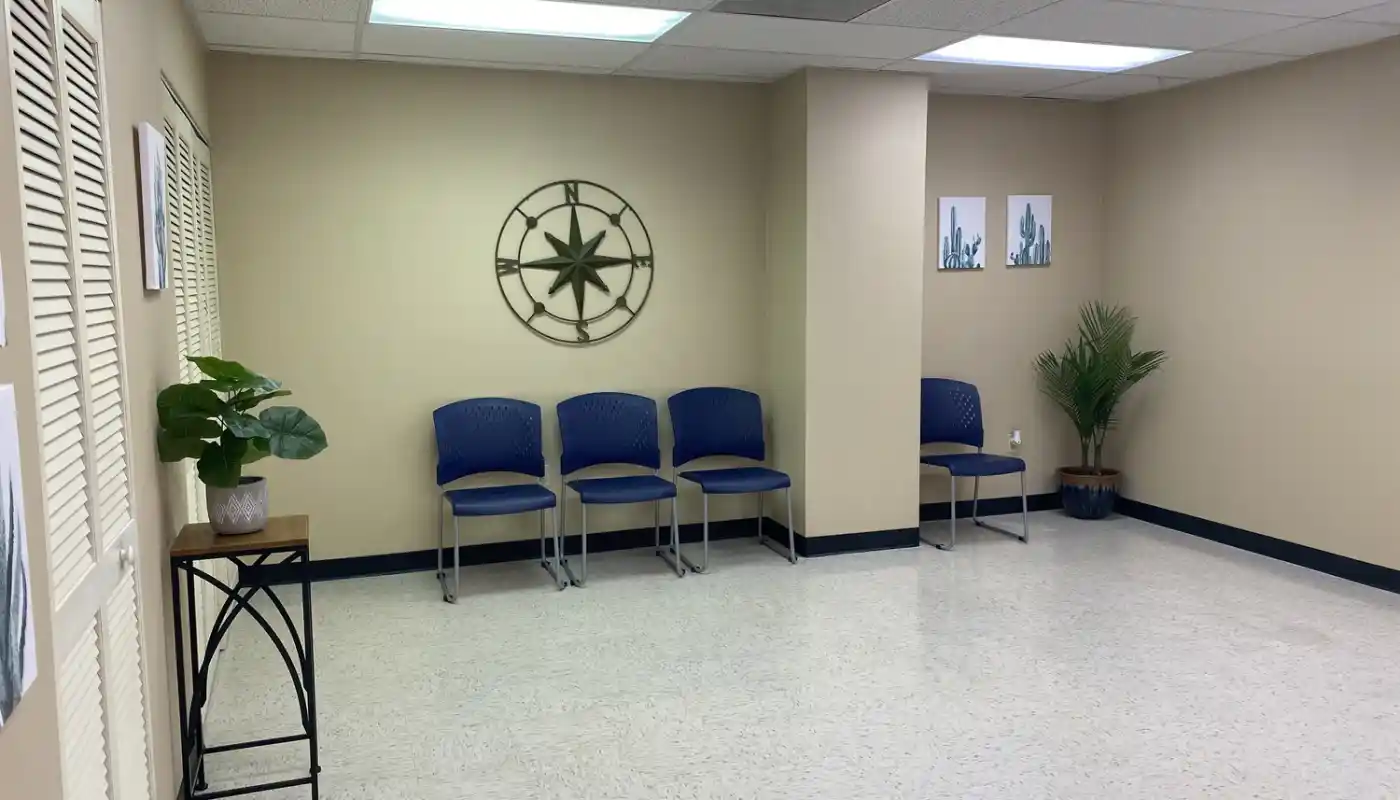
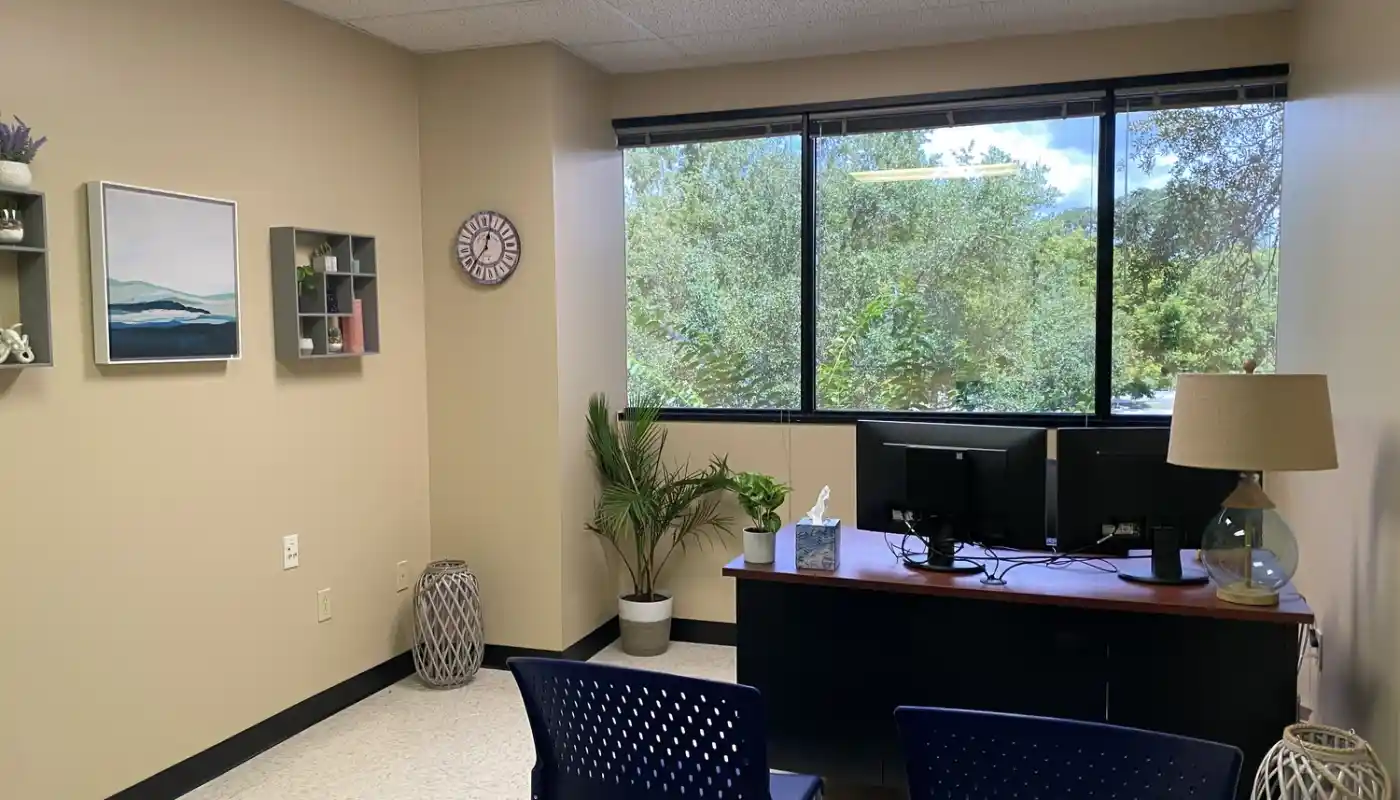
Retreat Behavioral Health Orlando’s outpatient facility offers flexible substance abuse and co-occurring mental health treatment to adults who are stepping down from residential care or to individuals seeking addiction support services. Their comprehensive treatment services provide differing levels of care; a partial hospitalization program (PHP), an intensive outpatient program (IOP), and a general outpatient program (GOP). These programs offer similar treatment with varying levels of intensity, with partial hospitalization being the most intensive and general outpatient the least. Retreat Behavioral Health takes a holistic approach to substance abuse and mental health treatment, focusing on the entire person by addressing mind, body, and soul.
While treatment varies throughout their several locations, patients are able to work both introspectively and with a group to strengthen life-skills and find new passions while furthering their recovery objectives. Holistic group sessions are taught by compassionate and experienced licensed professionals with a variety of options available to suit individual interests, preferences, and therapeutic goals. The outpatient programs at Retreat involve learning coping skills, 12-step facilitation, relapse prevention counseling, and learning to rebuild relationships. The co-occurring disorders that are most commonly treated at Retreat include trauma, pain management, anxiety, depression, grief, and loss. Treatment plans are highly individualized, offering many holistic treatment modalities that may include art therapy, music therapy, recreational therapy, gardening therapy, and culinary therapy. Counseling groups and additional specialty groups take place on a daily basis, and patients are also offered private psychotherapy and psychiatry sessions dependent on individual needs. In addition to group and individual therapy, Retreat Behavioral Health also offers medication assisted treatment (MAT).
Their admissions team is available to assist potential patients or their loved ones 24/7. Retreat Behavioral Health is Joint Commission and CARF accredited, and accepts most major insurances.

Provider’s Policy:By working closely with insurance organizations and maintaining a consistent record of excellence in patient care, we have formed a foundation for premiere, cost-effective treatment.
Providing health care programs that reinforce, maintain, and sustain good health for uniformed service members, retirees, and their families globally.
Cigna’s unique history traces back to 1792, but today they offer services to 190 million customers in 30 different countries across the globe.
A leading healthcare provider serving over 100 million Americans as one of the largest insurance companies in the country.
Serving Rhode Island, Massachusetts, and Connecticut with affordable healthcare plans and partnership with Harvard Pilgrim Health Care.
Carelon Behavioral Health, formerly Beacon Health Options, is headquartered in Boston, Massachusetts and serves over 40 million people.
Offering plans to individuals and businesses throughout the United States and in countries around the world.
One of the largest health insurance companies in the US, offering several health insurance options to individuals and businesses.
Founded in 1996, Highmark helps 7 million customers all across the eastern half of the United States get quality care.
The world’s #1 employee assisted program (EAP) provider, offering unique personalized programs to Americans & people worldwide.
Men
Women
Men and Women
Men and Women
Men and women attend treatment for addiction in a co-ed setting, going to therapy groups together to share experiences, struggles, and successes.
Mental health is a complex health condition that requires a comprehensive, patient-centered approach to treatment that ensures you receive the appropriate care at the right time, based on your individual needs.
Typically the initial stage of treatment for substance use, focusing on medically supervised management of withdrawal symptoms.
An intensive program offering 24 hour care and a variety of therapeutic services in a residential setting.
Transitional housing designed to support individuals recovering from substance use disorders offering a safe, supportive and structured environment for practicing long-term sobriety, while reintegrating back into daily living.
In a PHP, patients live at home but follow an intensive schedule of treatment. Most programs require you to be on-site for about 40 hours per week.
Treatment programming allowing patients to receive care without staying in a hospital or inpatient facility, providing a variety of therapeutic and medical services.
Co-Occurring Disorders
A person with multiple mental health diagnoses, such as addiction and depression, has co-occurring disorders also called dual diagnosis.
1-on-1 Counseling
1-on-1 Counseling
Patient and therapist meet 1-on-1 to work through difficult emotions and behavioral challenges in a personal, private setting.
Transcranial Magnetic Stimulation
Localized magnetic pulses stimulate areas of the brain to increase brain activity and reduce abnormal functions.
Art Therapy
Art Therapy
Visual art invites patients to examine the emotions within their work, focusing on the process of creativity and its gentle therapeutic power.
Cognitive Behavioral Therapy
Introduction to the 12 Step Program
Experiential Therapy
With this approach, patients heal by doing. Therapists help patients process difficult emotions to speak, using guided activities like art or dance.
Family Therapy
Family Therapy
Family therapy addresses group dynamics within a family system, with a focus on improving communication and interrupting unhealthy relationship patterns.
Life Skills
Life Skills
Teaching life skills like cooking, cleaning, clear communication, and even basic math provides a strong foundation for continued recovery.
Medication-Assisted Treatment
Combined with behavioral therapy, prescribed medications can enhance treatment by relieving withdrawal symptoms and focus patients on their recovery.
Music Therapy
Music Therapy
Singing, performing, and even listening to music can be therapeutic. Music therapy sessions are facilitated by certified counselors.
Psychoeducation
Psychoeducation
This method combines treatment with education, teaching patients about different paths toward recovery. This empowers them to make more effective decisions.
Relapse Prevention Counseling
Relapse prevention counselors teach patients to recognize the signs of relapse and reduce their risk.
Twelve Step Facilitation
12-Step groups offer a framework for addiction recovery. Members commit to a higher power, recognize their issues, and support each other in the healing process.
Dialectical Behavior Therapy
Group Therapy
Grief and Loss
Grief and Loss
Grief is a natural reaction to loss, but severe grief can interfere with your ability to function. You can get treatment for this condition.
Personality Disorders
Personality disorders destabilize the way a person thinks, feels, and behaves. If untreated, they can undermine relationships and lead to severe distress.
Alcohol
Alcohol
Using alcohol as a coping mechanism, or drinking excessively throughout the week, signals an alcohol use disorder.
Anxiety
Anxiety
Anxiety is a common mental health condition that can include excessive worry, panic attacks, physical tension, and increased blood pressure.
Bipolar
Bipolar
This mental health condition is characterized by extreme mood swings between depression, mania, and remission.
Co-Occurring Disorders
A person with multiple mental health diagnoses, such as addiction and depression, has co-occurring disorders also called dual diagnosis.
Addictions
Depression
Depression
Symptoms of depression may include fatigue, a sense of numbness, and loss of interest in activities. This condition can range from mild to severe.
Drug Addiction
Drug Addiction
Drug addiction is the excessive and repetitive use of substances, despite harmful consequences to a person’s life, health, and relationships.
Post Traumatic Stress Disorder
PTSD is a long-term mental health issue caused by a disturbing event or events. Symptoms include anxiety, dissociation, flashbacks, and intrusive thoughts.
Trauma
Trauma
Some traumatic events are so disturbing that they cause long-term mental health problems. Those ongoing issues can also be referred to as ‘trauma.’
Alumni Events & Get-Togethers
AA/NA Meetings
Orlando, Florida, United States.
By working closely with insurance organizations and maintaining a consistent record of excellence in patient care, we have formed a foundation for premiere, cost-effective treatment..
The typical length is 30-90 days.
Top10 Rehabs is an independent organization that simplifies finding the best mental health and addiction treatment. Comprehensive profiles of over 2,500 rehab centers include insurance coverage, pricing, photos, reviews, and more. Choosing the best path to recovery has never been easier.