


Verified
This provider’s information has been quality-checked by RehabPath’s Research Team for accuracy and completeness, including data verification through appropriate third-party organizations.View This Center’s Verified License

Provider’s Policy

Call For Rates
Treating addiction and co-occurring mental health with detox, evidence-based care, and specialized tracks for healthcare workers, veterans, and first responders.
Highlights


Connect with Recovery First Treatment Center by calling their admissions team directly.
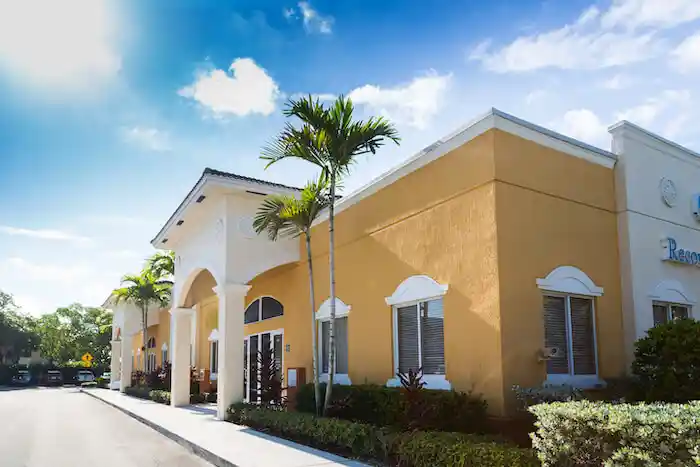

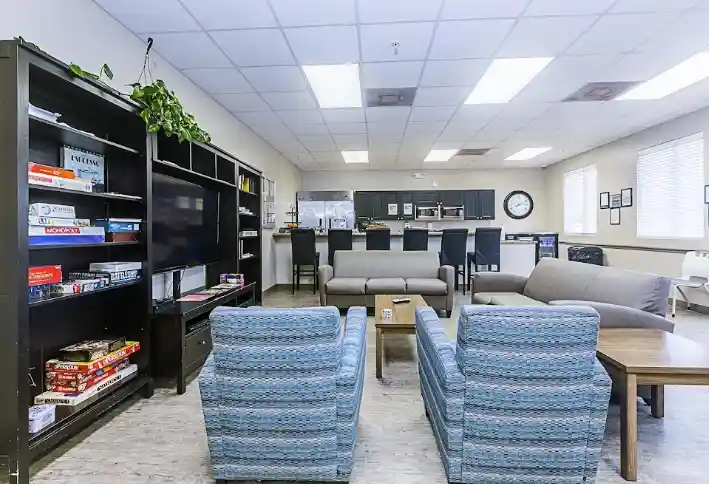
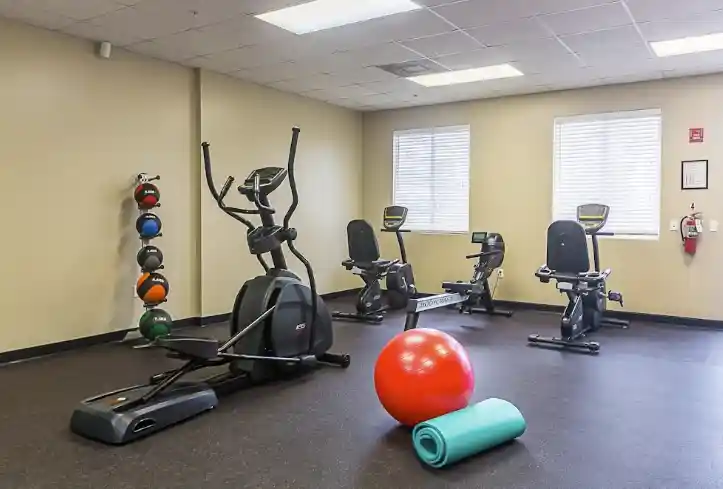
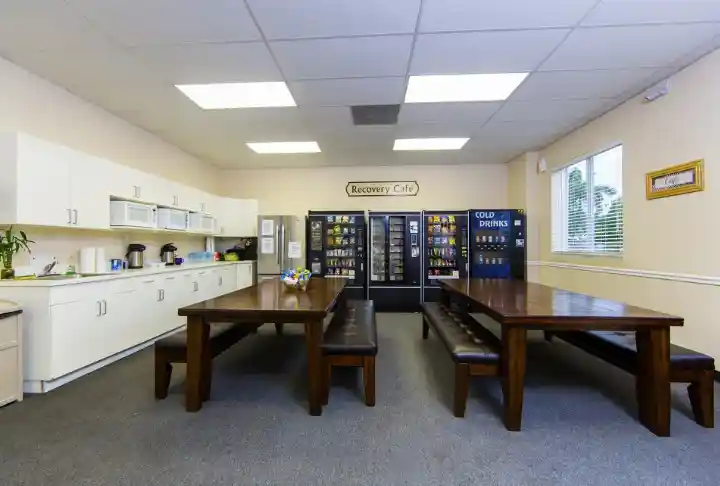
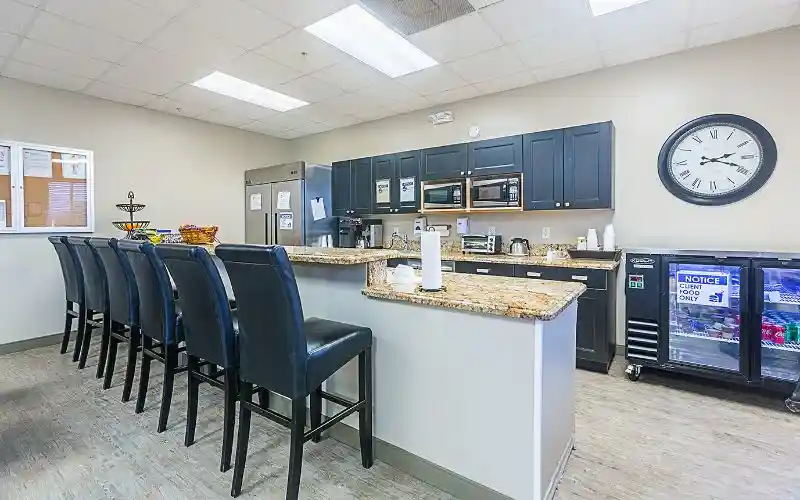

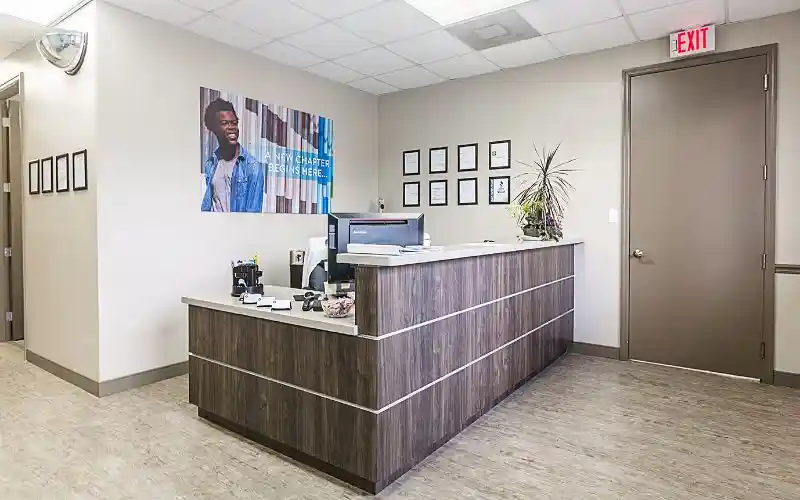


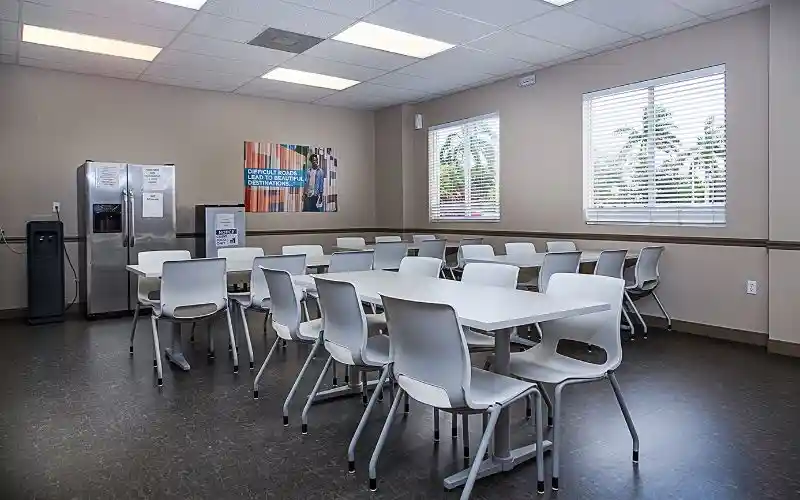
Set in Hollywood on Florida’s east coast, Recovery First Treatment Center offers a full spectrum of care for drug/alcohol dependence and addiction and treatment for co-occurring disorders. Their adult treatment programs feature evidence-based methods like cognitive behavioral therapy, medication-assisted treatment (MAT), and family therapy. Recovery First Treatment Center also incorporates holistic methods into treatment, including art therapy and mindfulness-based activities.
Recovery First’s professional staff treats clients with co-occurring disorders like anxiety, depression, and post-traumatic stress disorder (PTSD). Recovery First’s comprehensive treatment approach encompasses evidence-based and holistic/alternative therapies, as well as mutual help groups like 12-Step programs and SMART Recovery.
Notably, Recovery First Treatment Center provides specialized treatment tracks for Veterans, first responders, and impaired professionals. These tracks focus on issues unique to each profession and are designed to address PTSD, grief and loss, work-life balance, and chronic stress. Re-entry support helps all clients transition back into life outside treatment, either through step-down continuing care or group aftercare options. Recovery First also offers specialized therapy for those dealing with sexual and domestic trauma.
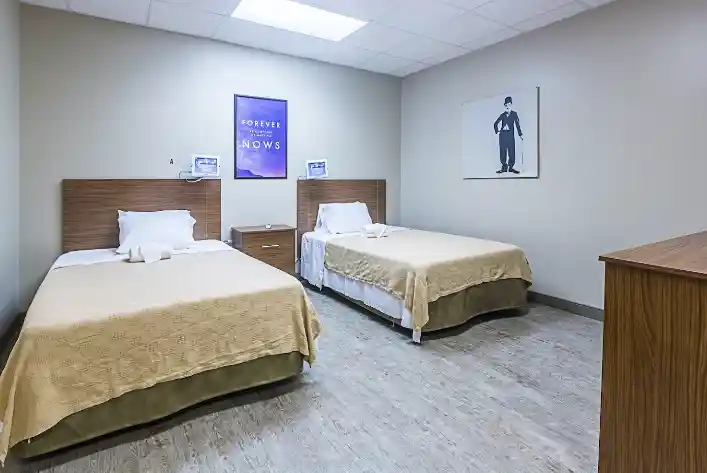
Recovery First Treatment Center is in downtown Hollywood, Florida, and provides a 28-bed apartment-style facility for clients. Clients can enjoy local excursions, an on-site fitness center, a game room, and plenty of recreational activities during their stay. Recovery First Treatment Center is Joint Commission accredited and accepts many health insurance plans.
Provider’s Policy:Recovery First accepts many insurances to help cover the costs of addiction treatment. If Recovery First is in-network with the company that carries your insurance policy, at least some of your treatment costs will be covered.

With roots in the health field dating back to 1961, Humana is a trusted insurance provider that proudly serves over 20 million Americans.

Part of UnitedHealth Group, providing care to over 165,000 people worldwide.

Providing health care programs that reinforce, maintain, and sustain good health for uniformed service members, retirees, and their families globally.

Cigna’s unique history traces back to 1792, but today they offer services to 190 million customers in 30 different countries across the globe.

One of the largest health insurance companies in the US, offering several health insurance options to individuals and businesses.

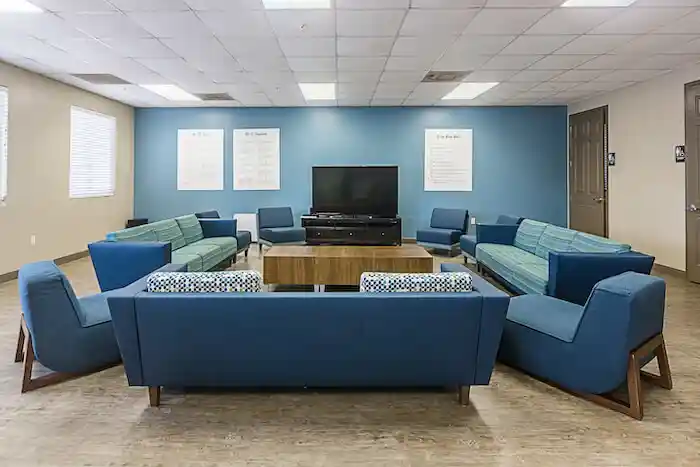
Recovery First offers recreational amenities, like a game room with a TV, board games, ping pong tables, and more. They also provide therapeutic excursions. Their bed size of 28 gives their facility a close, community-style feel. Each apartment-style suite includes a small kitchen and a bathroom shared between two clients. Common areas allow clients to mingle and socialize outside treatment.
Recovery First recognizes that addiction and mental health disorders can often coincide and believes treating both is necessary for recovery. They have the knowledge and experience to treat conditions like trauma, PTSD, bipolar disorder, depression, and other disorders commonly present with addiction. With this care, clients can receive the integrated care they need to fully recover.
Recovery First offers medical detox with 24/7 nursing care to help patients overcome drug or alcohol dependence in safety and comfort. Medications may be provided to alleviate pain, prevent complications, and ease cravings. Medications are only prescribed as needed, deemed necessary by Recovery First’s clinical staff.
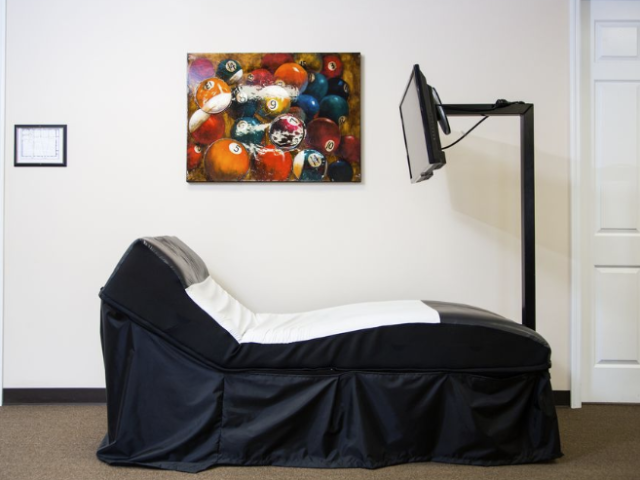

Healthcare professionals can experience unique stressors and circumstances in their line of work. Recovery First tailors a treatment track to meet the needs of doctors, nurses, pharmacists, counselors, and others in the healthcare field. They seek to help clients manage stress, work-life balance, and help them return to work, or find a job better suited to their recovery needs.
RehabPath verified that the name, location, contact information and license to operate for this treatment provider are valid and up-to-date. Recovery First Treatment Center has verified the information on this page to be accurate.

RehabPath is an independent, third-party mental health resource. Verification does not imply endorsement and does not guarantee the quality of treatment services

Young Adults
Young Adults
Emerging adults ages 18-25 receive treatment catered to the unique challenges of early adulthood, like college, risky behaviors, and vocational struggles.
Men and Women
Men and Women
Men and women attend treatment for addiction in a co-ed setting, going to therapy groups together to share experiences, struggles, and successes.
Midlife Adults
Midlife Adults
For adults ages 40+, treatment shifts to focus on the unique challenges, blocks, and risk factors of their age group, and unites peers in a similar community.
Veterans
Veterans
Patients who completed active military duty receive specialized treatment focused on trauma, grief, loss, and finding a new work-life balance.

Alcohol
Alcohol
Using alcohol as a coping mechanism, or drinking excessively throughout the week, signals an alcohol use disorder.
Benzodiazepines
Benzodiazepines
Benzodiazepines are prescribed to treat anxiety and sleep issues. They are highly habit forming, and their abuse can cause mood changes and poor judgement.
Co-Occurring Disorders
Co-Occurring Disorders
A person with multiple mental health diagnoses, such as addiction and depression, has co-occurring disorders also called dual diagnosis.
Cocaine
Cocaine
Cocaine is a stimulant with euphoric effects. Agitation, muscle ticks, psychosis, and heart issues are common symptoms of cocaine abuse.
Drug Addiction
Drug Addiction
Drug addiction is the excessive and repetitive use of substances, despite harmful consequences to a person’s life, health, and relationships.
Ecstasy
Ecstasy
Ecstasy is a stimulant that causes intense euphoria and heightened awareness. Abuse of this drug can trigger depression, insomnia, and memory problems.
Methamphetamine
Methamphetamine
Methamphetamine, or meth, increases energy, agitation, and paranoia. Long-term use can result in severe physical and mental health issues.
Opioids
Opioids
Opioids produce pain-relief and euphoria, which can lead to addiction. This class of drugs includes prescribed medication and the illegal drug heroin.
Detox (on-site)
Detox (on-site)
This is often the first step of addiction treatment. For many people, it’s dangerous to detox without proper medical support.
Outpatient Program
Outpatient Program
During outpatient rehab, patients attend a structured treatment program while continuing to live at home.
Residential
Residential
In a residential rehab program, patients live onsite, with access to daily treatment and 24-hour care. An average stay is 30-90 days.
Outpatient Therapy
Evidence-Based
Evidence-Based
A combination of scientifically rooted therapies and treatments make up evidence-based care, defined by their measured and proven results.
Individual Treatment
Individual Treatment
Individual care meets the needs of each patient, using personalized treatment to provide them the most relevant care and greatest chance of success.
Spiritual Emphasis
Spiritual Emphasis
Spirituality connects patients to a higher power and helps strengthen their recovery, hope, and compliance with other treatment modalities.
Group Therapy
Dialectical Behavior Therapy
1-on-1 Counseling
1-on-1 Counseling
Patient and therapist meet 1-on-1 to work through difficult emotions and behavioral challenges in a personal, private setting.
Mindfulness Therapy
Mindfulness Therapy
This ancient practice can be mental, emotional, and even spiritual. In meditation, you focus your attention on the present moment without judgement.
Life Skills
Life Skills
Teaching life skills like cooking, cleaning, clear communication, and even basic math provides a strong foundation for continued recovery.
Cognitive Behavioral Therapy
Relapse Prevention Counseling
Relapse Prevention Counseling
Relapse prevention counselors teach patients to recognize the signs of relapse and reduce their risk.
Twelve Step Facilitation
Twelve Step Facilitation
12-Step groups offer a framework for addiction recovery. Members commit to a higher power, recognize their issues, and support each other in the healing process.
Medication-Assisted Treatment
Medication-Assisted Treatment
Combined with behavioral therapy, prescribed medications can enhance treatment by relieving withdrawal symptoms and focus patients on their recovery.
Family Therapy
Family Therapy
Family therapy addresses group dynamics within a family system, with a focus on improving communication and interrupting unhealthy relationship patterns.
Motivational Interviewing and Enhancement Therapy (MET)
Motivational Interviewing and Enhancement Therapy (MET)
This approach is based on idea that motivation to change comes from within. Providers use a conversational framework that may help you commit to recovery.
Trauma-Specific Therapy
Trauma-Specific Therapy
This form of talk therapy addresses any childhood trauma at the root of a patient’s current diagnosis.
Meditation & Mindfulness
Meditation & Mindfulness
A practiced state of mind that brings patients to the present. It allows them to become fully aware of themselves, their feelings, and the present moment.
Art Therapy
Art Therapy
Visual art invites patients to examine the emotions within their work, focusing on the process of creativity and its gentle therapeutic power.
Prescription Drugs
Prescription Drugs
It’s possible to abuse any drug, even prescribed ones. If you crave a medication, or regularly take it more than directed, you may have an addiction.
Co-Occurring Disorders
Co-Occurring Disorders
A person with multiple mental health diagnoses, such as addiction and depression, has co-occurring disorders also called dual diagnosis.
Cocaine
Cocaine
Cocaine is a stimulant with euphoric effects. Agitation, muscle ticks, psychosis, and heart issues are common symptoms of cocaine abuse.
Benzodiazepines
Benzodiazepines
Benzodiazepines are prescribed to treat anxiety and sleep issues. They are highly habit forming, and their abuse can cause mood changes and poor judgement.
Ecstasy
Ecstasy
Ecstasy is a stimulant that causes intense euphoria and heightened awareness. Abuse of this drug can trigger depression, insomnia, and memory problems.
Opioids
Opioids
Opioids produce pain-relief and euphoria, which can lead to addiction. This class of drugs includes prescribed medication and the illegal drug heroin.
Methamphetamine
Methamphetamine
Methamphetamine, or meth, increases energy, agitation, and paranoia. Long-term use can result in severe physical and mental health issues.
Heroin
Heroin
Heroin is a highly addictive and illegal opioid. It can cause insomnia, collapsed veins, heart issues, and additional mental health issues.
Psychedelics
Psychedelics
Hallucinogenic drugs—like LSD—cause euphoria and increased sensory experiences. When abused, they can lead to depression and psychosis.
Post Traumatic Stress Disorder
Post Traumatic Stress Disorder
PTSD is a long-term mental health issue caused by a disturbing event or events. Symptoms include anxiety, dissociation, flashbacks, and intrusive thoughts.
Depression
Depression
Symptoms of depression may include fatigue, a sense of numbness, and loss of interest in activities. This condition can range from mild to severe.
Drug Addiction
Drug Addiction
Drug addiction is the excessive and repetitive use of substances, despite harmful consequences to a person’s life, health, and relationships.
Alcohol
Alcohol
Using alcohol as a coping mechanism, or drinking excessively throughout the week, signals an alcohol use disorder.
Chronic Relapse
Chronic Relapse
Consistent relapse occurs repeatedly, after partial recovery from addiction. This condition requires long-term treatment.
Anxiety
Anxiety
Anxiety is a common mental health condition that can include excessive worry, panic attacks, physical tension, and increased blood pressure.
Bipolar
Bipolar
This mental health condition is characterized by extreme mood swings between depression, mania, and remission.
Stress
Stress
Stress is a natural reaction to challenges, and it can even help you adapt. However, chronic stress can cause physical and mental health issues.
Obsessive Compulsive Disorder
Obsessive Compulsive Disorder
OCD is characterized by intrusive and distressing thoughts that drive repetitive behaviors. This pattern disrupts daily life and relationships.
Anger
Anger
Although anger itself isn’t a disorder, it can get out of hand. If this feeling interferes with your relationships and daily functioning, treatment can help.
Trauma
Trauma
Some traumatic events are so disturbing that they cause long-term mental health problems. Those ongoing issues can also be referred to as ‘trauma.’

Air-Conditioned Rooms
En Suite Bathroom
Internet Access
Excursions
Fitness Center
Recreation Room
First Responders Program
First Responders Program
Paramedics, police officers, firefighters, and others join in a specific First Responders program, usually focused on trauma, grief, and work-life balance.
AA/NA Meetings
Alternative Meetings
Games
Movies
AA/NA Meetings
Alternative Meetings


CEO

Medical Director

Addictionologist

Program Supervisor

Clinical Operations Manager
Master’s in Health Administration

Director of Quality & Performance Improvement
MBA

Clinical Manager, Residential Program

Salute to Recovery Group Facilitator
Admissions and Transportation Manager
See photos and take a 3-D tour of Recovery First to learn more about what they offer, and their location.
Read what past clients have to say about their treatment at Recovery First, and how it impacted their lives for the better.
Recovery First’s Missy Pollack contributes to SheKnows’ article on the new rise in sober curiosity, why it’s come about, and its benefits.
Recovery First’s addictionologist pens an article for Op-Med discussing addiction in healthcare professionals, and how it can begin and how it can end.
I came to this facility for alcohol dependence and it was such a great experience. The therapists and each and every staff member were absolutely incredible. I was treated with respect and treatment was tailored to my individual needs.
Top10 Rehabs is an independent organization that simplifies finding the best mental health and addiction treatment. Comprehensive profiles of over 2,500 rehab centers include insurance coverage, pricing, photos, reviews, and more. Choosing the best path to recovery has never been easier.