Verified
Provider’s Policy
Covered plans and verification of benefits.
$20,125
A national leader in LGBTQ+ addiction and mental health treatment since 1986, Pride Institute helps individuals recover while fully embracing their identities.
Highlights
Connect with Pride Institute by calling their admissions team directly.


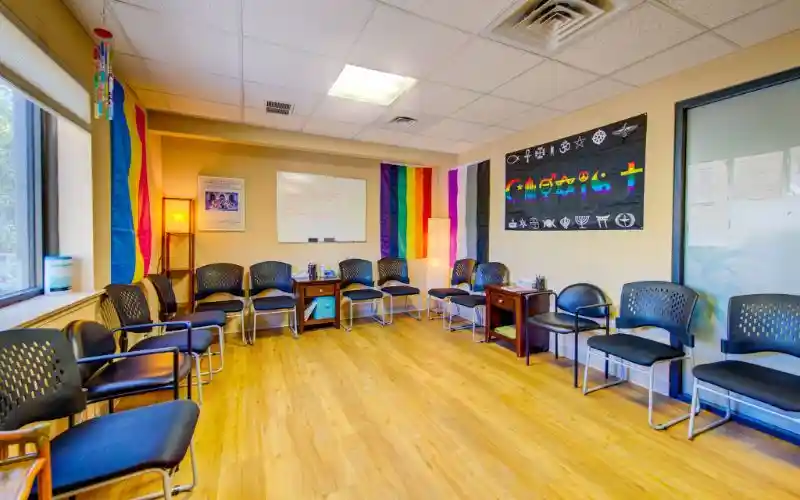
Pride Institute offers an exclusive LGBTQ+ recovery program in Eden Prairie, Minnesota. They’re a national leader in addiction treatment and treat clients all across the U.S. Pride Institute uses evidence-based therapies to address substance misuse, past trauma, sexual health, and mental health in an inclusive and accepting environment. The program’s goal is to give participants the knowledge, abilities, and resources they need to pursue long-term recovery. During treatment, Pride Institute includes case management support, around-the-clock nursing care, and cognitive behavioral therapy (CBT) with 12-Step facilitation. Each client works with a primary counselor to develop a treatment strategy that is specific to their needs.
Pride Institute recognizes the blockages between LGBTQ+ people and quality treatment for addiction, mental health, and sexual health. Clients will be supported with a team who embrace cultural competency. They offer daily group therapy and peer support groups like SMART recovery, 12-Step meetings, and Recovery Dharma. Pride Institute welcomes clients as they are, requiring no explanations. Peers encompass this idea too, as everyone in treatment is in the LGBTQ+ community.
The average length of stay at Pride Institute is 25 days, but the program can go up to 90 days. Clients meet weekly with a masters-level therapist for 1:1 therapy. Family therapy occurs 1-2 times during treatment, if desired. In addition to residential treatment, Pride also offers partial hospitalization (PHP) and an intensive outpatient program (IOP). Their PHP provides housing for clients in an 8-bed home 3 miles away from Pride Institute. PHP runs Monday–Friday for 6+ hours a day. In IOP, clients can attend morning or evening groups Monday, Wednesday, and Thursday. Care also goes online, with Telehealth programming offered by Pride Institute for even greater flexibility.
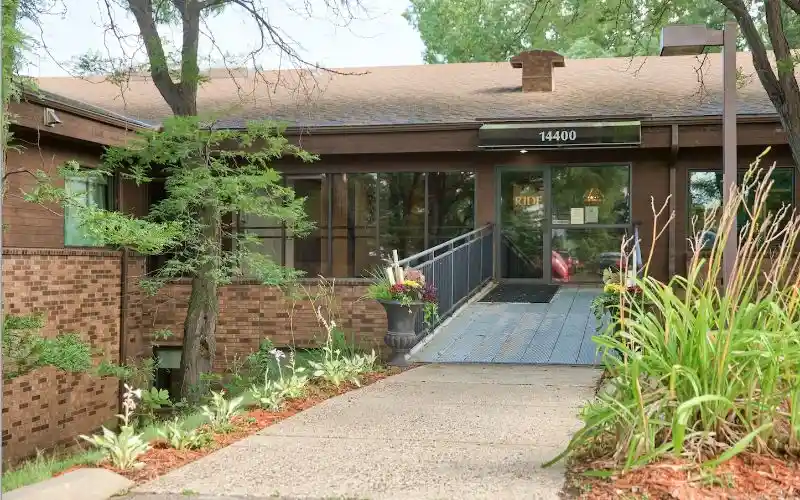
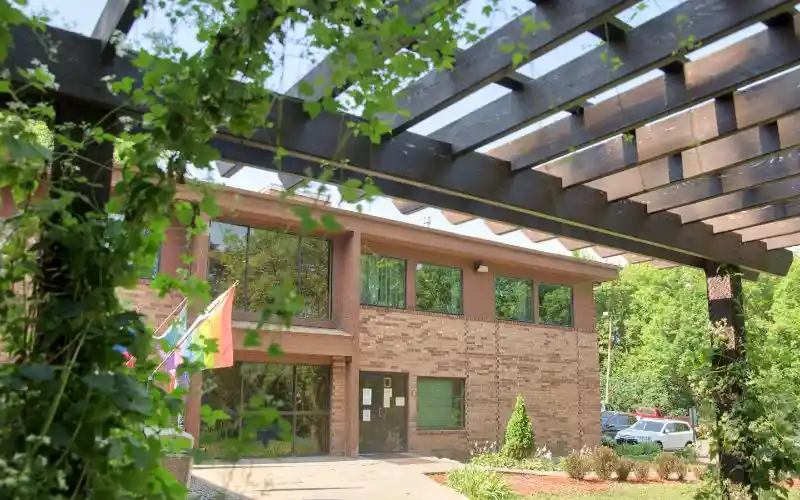
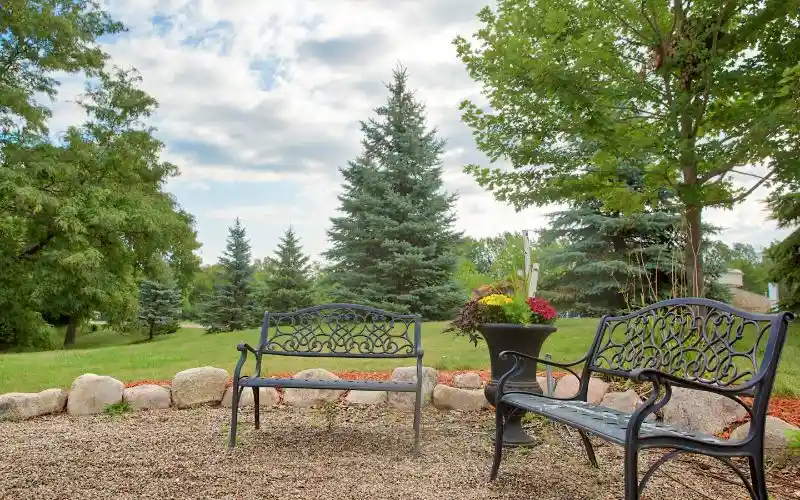
Eden Prairie, Minnesota, just west of the Twin Cities, is home to Pride Institute’s main campus. Their center sits on 5 acres with a creek and calm forested area nearby. Pride Institute additionally offers off-site equine therapy. Their outpatient campus is in uptown Minneapolis, right in the center of a vibrant and creative neighborhood. Pride Institute is accredited by CARF, Legit-Script certified, and in network with most private insurance companies.

Provider’s Policy:Pride Institute accepts most major forms of insurance, self-pay and Minnesota state funding. We’ll work closely with patients and families to help understand and navigate your insurance co-pay and deductible, if applicable. Unfortunately, we do not accept Medicare or out-of-state Medicaid programs due to our specific licensure.
Cigna’s unique history traces back to 1792, but today they offer services to 190 million customers in 30 different countries across the globe.
A leading healthcare provider serving over 100 million Americans as one of the largest insurance companies in the country.
Offering plans to individuals and businesses throughout the United States and in countries around the world.
One of the largest health insurance companies in the US, offering several health insurance options to individuals and businesses.
Founded in 1957, HealthPartners focuses on providing comprehensive access to care for customers across the Midwest.
Pride Institute approaches addiction and mental health recovery in a variety of ways, tailoring their final approach to patients’ specific assessment-based needs. They use 12-Step facilitation, evidence-based therapies, holistic care, and psychoeducation on mental and sexual health for well-rounded treatment.
Biological and/or chosen family can join their loved one at Pride Institute to learn more about addiction and mental health. Their family program ultimately helps family members become active recovery allies and even better supporters as their loved one works through treatment. Families can join large treatment groups or individual family sessions up to 6 months after their loved one leaves Pride–inpatient or outpatient.
As an exclusive, nation-leading LGBTQ+ treatment center, Pride Institute discusses recovery and wellness topics related to the nuances and challenges of LGBTQ+ identities. These topics include sexual health and safety, HIV testing, trauma, and other challenges. Pride Institute also holds body image groups, anger management groups, a transgender support group, and a women’s-only group.

Aiming to heal all areas of the mind, body, and spirit, Pride Institute offers wellness services like aromatherapy and acupuncture. Life skills and finance-management groups prepare clients for success after treatment. Pride Institute’s therapy dog adds another layer of companionship and comfort to treatment, complemented by their art therapies and spiritual care.
RehabPath verified that the name, location, contact information and license to operate for this treatment provider are valid and up-to-date. Pride Institute has verified the information on this page to be accurate.
RehabPath is an independent, third-party mental health resource. Verification does not imply endorsement and does not guarantee the quality of treatment services
$805 | Per day
Extended options available
LGBTQ+
LGBTQ+
Addiction and mental illnesses in the LGBTQ+ community must be treated with an affirming, safe, and relevant approach, which many centers provide.
LGBTQ+ only
LGBTQ+ only
Those who identify as LGBTQ+ receive treatment for addiction and mental health with others in the community, making treatment highly relevant and effective.
Mental health is a complex health condition that requires a comprehensive, patient-centered approach to treatment that ensures you receive the appropriate care at the right time, based on your individual needs.
Typically the initial stage of treatment for substance use, focusing on medically supervised management of withdrawal symptoms.
An intensive program offering 24 hour care and a variety of therapeutic services in a residential setting. An intensive program offering 24 hour care and a variety of therapeutic services in a residential setting.
In a PHP, patients live at home but follow an intensive schedule of treatment. Most programs require you to be on-site for about 40 hours per week.
Treatment programming allowing patients to receive care without staying in a hospital or inpatient facility, providing a variety of therapeutic and medical services.
Alcohol
Alcohol
Using alcohol as a coping mechanism, or drinking excessively throughout the week, signals an alcohol use disorder.
Co-Occurring Disorders
A person with multiple mental health diagnoses, such as addiction and depression, has co-occurring disorders also called dual diagnosis.
Drug Addiction
Drug Addiction
Drug addiction is the excessive and repetitive use of substances, despite harmful consequences to a person’s life, health, and relationships.
LGBTQ+
LGBTQ+
Addiction and mental illnesses in the LGBTQ+ community must be treated with an affirming, safe, and relevant approach, which many centers provide.
LGBTQ+ only
LGBTQ+ only
Those who identify as LGBTQ+ receive treatment for addiction and mental health with others in the community, making treatment highly relevant and effective.
Trauma
Trauma
Some traumatic events are so disturbing that they cause long-term mental health problems. Those ongoing issues can also be referred to as “trauma.”
Evidence-Based
Evidence-Based
A combination of scientifically rooted therapies and treatments make up evidence-based care, defined by their measured and proven results.
Individual Treatment
Individual care meets the needs of each patient, using personalized treatment to provide them the most relevant care and greatest chance of success
Twelve Step
Twelve Step
Incorporating spirituality, community, and responsibility, 12-Step philosophies prioritize the guidance of a Higher Power and a continuation of 12-Step practices.
Personalized Treatment
The specific needs, histories, and conditions of individual patients receive personalized, highly relevant care throughout their recovery journey.
Wellness
Wellness
Wellness philosophies focus on the physical, mental, and spiritual wellness of each patient, helping them restore purpose with natural remedies.
Acupuncture
N/A
N/A
1-on-1 Counseling
1-on-1 Counseling
Patient and therapist meet 1-on-1 to work through difficult emotions and behavioral challenges in a personal, private setting.
Canine Therapy
Canine Therapy
Friendly dogs provide a pleasant therapeutic experience, helping patients who’ve experienced trauma or separations build social and communication skills.
Cognitive Behavioral Therapy
N/A
Relapse Prevention Counseling
Relapse prevention counselors teach patients to recognize the signs of relapse and reduce their risk.
Aromatherapy
Aromatherapy
Inhaling or topically applying essential oils can help relieve stress, soothe pains, and relieve emotional distress.
Twelve Step Facilitation
12-Step groups offer a framework for addiction recovery. Members commit to a higher power, recognize their issues, and support each other in the healing process.
Expressive Arts
Expressive Arts
Creative processes like art, writing, or dance use inner creative desires to help boost confidence, emotional growth, and initiate change.
Psychoeducation
Psychoeducation
This method combines treatment with education, teaching patients about different paths toward recovery. This empowers them to make more effective decisions.
Family Therapy
Family Therapy
Family therapy addresses group dynamics within a family system, with a focus on improving communication and interrupting unhealthy relationship patterns.
Self-Harm
Self-Harm
The act of intentionally harming oneself, also called self-injury, is associated with mental health issues like depression.
Prescription Drugs
Prescription Drugs
It’s possible to abuse any drug, even prescribed ones. If you crave a medication, or regularly take it more than directed, you may have an addiction.
Nicotine
N/A
Co-Occurring Disorders
A person with multiple mental health diagnoses, such as addiction and depression, has co-occurring disorders also called dual diagnosis.
Benzodiazepines
Benzodiazepines
Benzodiazepines are prescribed to treat anxiety and sleep issues. They are highly habit forming, and their abuse can cause mood changes and poor judgement.
Ecstasy
Ecstasy
Ecstasy is a stimulant that causes intense euphoria and heightened awareness. Abuse of this drug can trigger depression, insomnia, and memory problems.
Pornography
Pornography
A person with a porn addiction is emotionally dependent on pornography to the point that it interferes with their daily life and relationships.
Grief and Loss
Grief and Loss
Grief is a natural reaction to loss, but severe grief can interfere with your ability to function. You can get treatment for this condition.
Opioids
Opioids
Opioids produce pain-relief and euphoria, which can lead to addiction. This class of drugs includes prescribed medication and the illegal drug heroin.
Codependency
Codependency
Codependency is a pattern of emotional dependence and controlling behavior. It’s most common among people with addicted loved ones.
Methamphetamine
Methamphetamine
Methamphetamine, or meth, increases energy, agitation, and paranoia. Long-term use can result in severe physical and mental health issues.
Heroin
Heroin
Heroin is a highly addictive and illegal opioid. It can cause insomnia, collapsed veins, heart issues, and additional mental health issues.
Post Traumatic Stress Disorder
PTSD is a long-term mental health issue caused by a disturbing event or events. Symptoms include anxiety, dissociation, flashbacks, and intrusive thoughts.
Marijuana
N/A
Synthetic Drugs
Synthetic Drugs
Synthetic drugs are made in a lab, unlike plant-based drugs like mushrooms. Most synthetic drugs are either stimulants or synthetic cannabinoids.
Suicidality
Suicidality
With suicidality, a person fantasizes about suicide, or makes a plan to carry it out. This is a serious mental health symptom.
Depression
Depression
Symptoms of depression may include fatigue, a sense of numbness, and loss of interest in activities. This condition can range from mild to severe.
Drug Addiction
Drug Addiction
Drug addiction is the excessive and repetitive use of substances, despite harmful consequences to a person’s life, health, and relationships.
Alcohol
Alcohol
Using alcohol as a coping mechanism, or drinking excessively throughout the week, signals an alcohol use disorder.
Anxiety
Anxiety
Anxiety is a common mental health condition that can include excessive worry, panic attacks, physical tension, and increased blood pressure.
Sex Addiction
Sex Addiction
Compulsively seeking out sex can easily become a problem. This addiction is detrimental to relationships, physical health, and self-esteem.
Stress
Stress
Stress is a natural reaction to challenges, and it can even help you adapt. However, chronic stress can cause physical and mental health issues.
Anger
Anger
Although anger itself isn’t a disorder, it can get out of hand. If this feeling interferes with your relationships and daily functioning, treatment can help.
Trauma
Trauma
Some traumatic events are so disturbing that they cause long-term mental health problems. Those ongoing issues can also be referred to as “trauma.”
Support Meetings
N/A
Outpatient Treatment
N/A
Relapse Prevention Planning
N/A
Alumni Events & Get-Togethers
N/A
Alumni Reunions
N/A
Private, Online Alumni Groups
N/A
Medication Assistance
N/A
Support Meetings (on-site)
N/A
Aftercare Group Therapy
N/A
N/A
Private or Shared Rooms
N/A
N/A
Fitness Center
N/A
Gardens
N/A
Outdoor Lounge
N/A
Walking Trails
N/A
Vegan
N/A
Vegetarian
N/A
Gluten-Free
N/A
LGBTQ group
LGBTQ group
Group therapy unites LGBTQ+ patients in a safe and culturally competent setting, encouraging peer support under the expert leadership of a therapist.
Other dietary needs (vegan, vegetarian, gluten-free, etc.)
N/A
AA/NA Meetings
N/A
Games
N/A
Physical Fitness
N/A
Acupuncture
N/A
Chief Executive Officer
MA
Director of Clinical Services
MA, LPCC, LADC
Director of Utilization Review
Director of Marketing and Business Development
Director of Nursing
Admissions Supervisor
LADC
Director of Human Resources
SPHR
Psychiatrist and Medical Director
MD
While costs may vary due to program length and insurance benefits, it typically costs $20,125.
Eden Prairie, Minnesota, United States.
Pride Institute accepts most major forms of insurance, self-pay and Minnesota state funding. We’ll work closely with patients and families to help understand and navigate your insurance co-pay and deductible, if applicable. Unfortunately, we do not accept Medicare or out-of-state Medicaid programs due to our specific licensure..
The typical length is 25 days.
Top10 Rehabs is an independent organization that simplifies finding the best mental health and addiction treatment. Comprehensive profiles of over 2,500 rehab centers include insurance coverage, pricing, photos, reviews, and more. Choosing the best path to recovery has never been easier.