

Unclaimed
This provider hasn’t verified their profile’s information. Are you the owner of this center? Claim your listing to better manage your presence on Top10 Rehabs.
Providing comprehensive and individualized residential care for men with substance abuse and related mental health disorders using evidence-based treatment.
Claim your profile to manage this page and enable the messaging form.
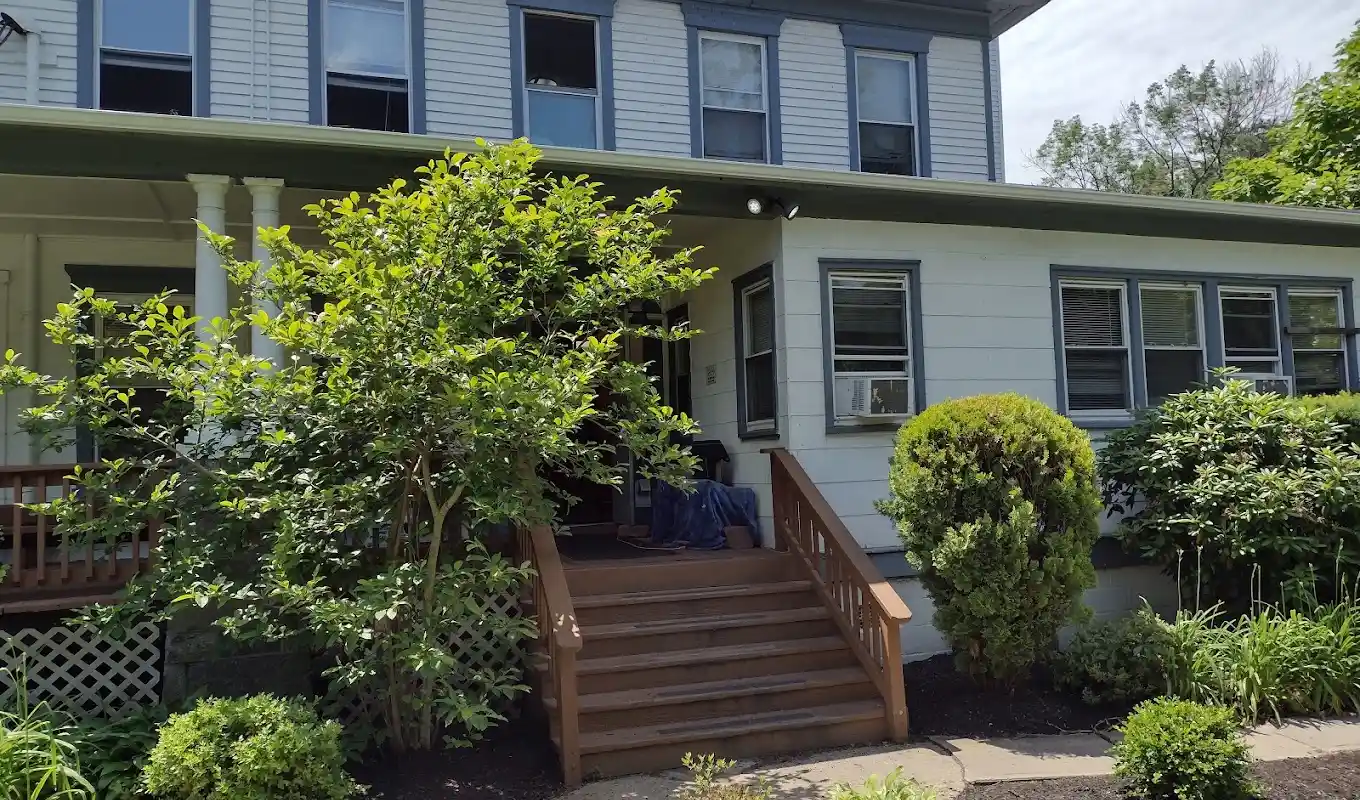
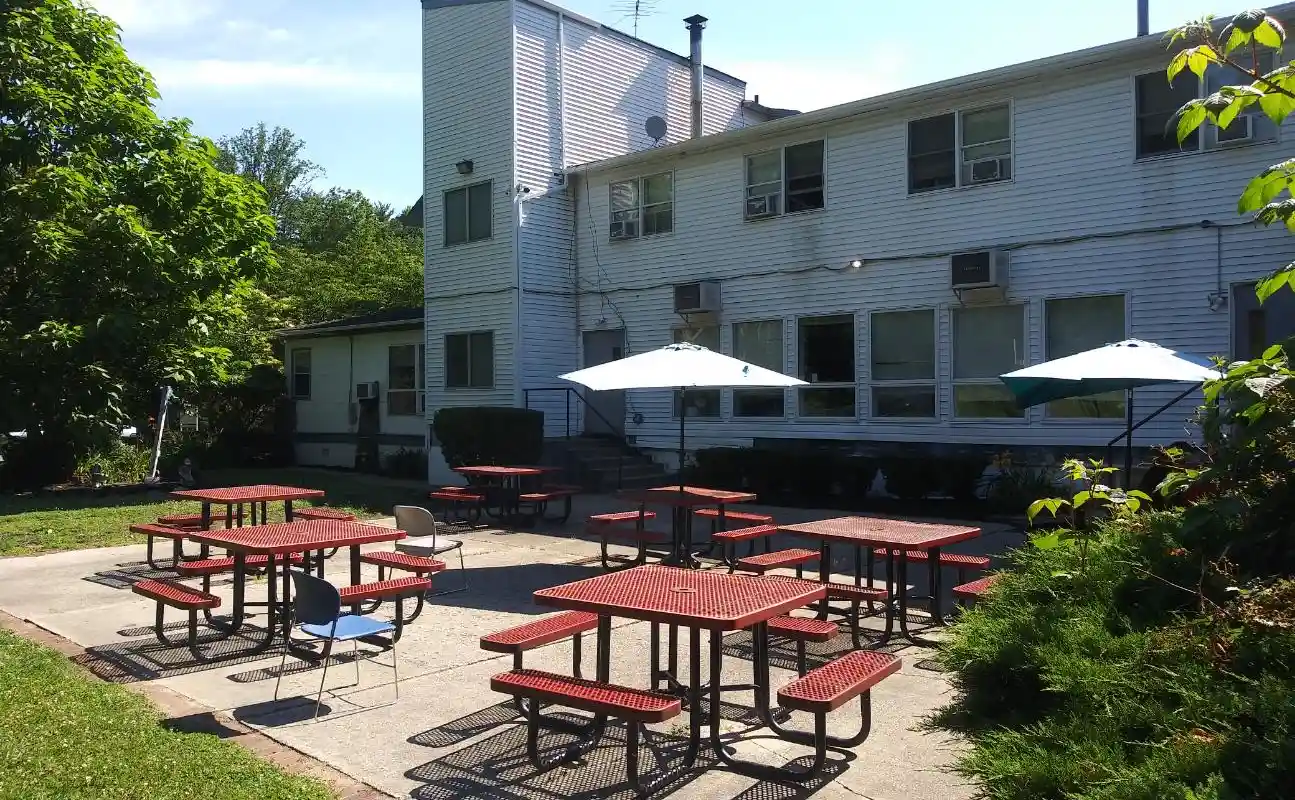
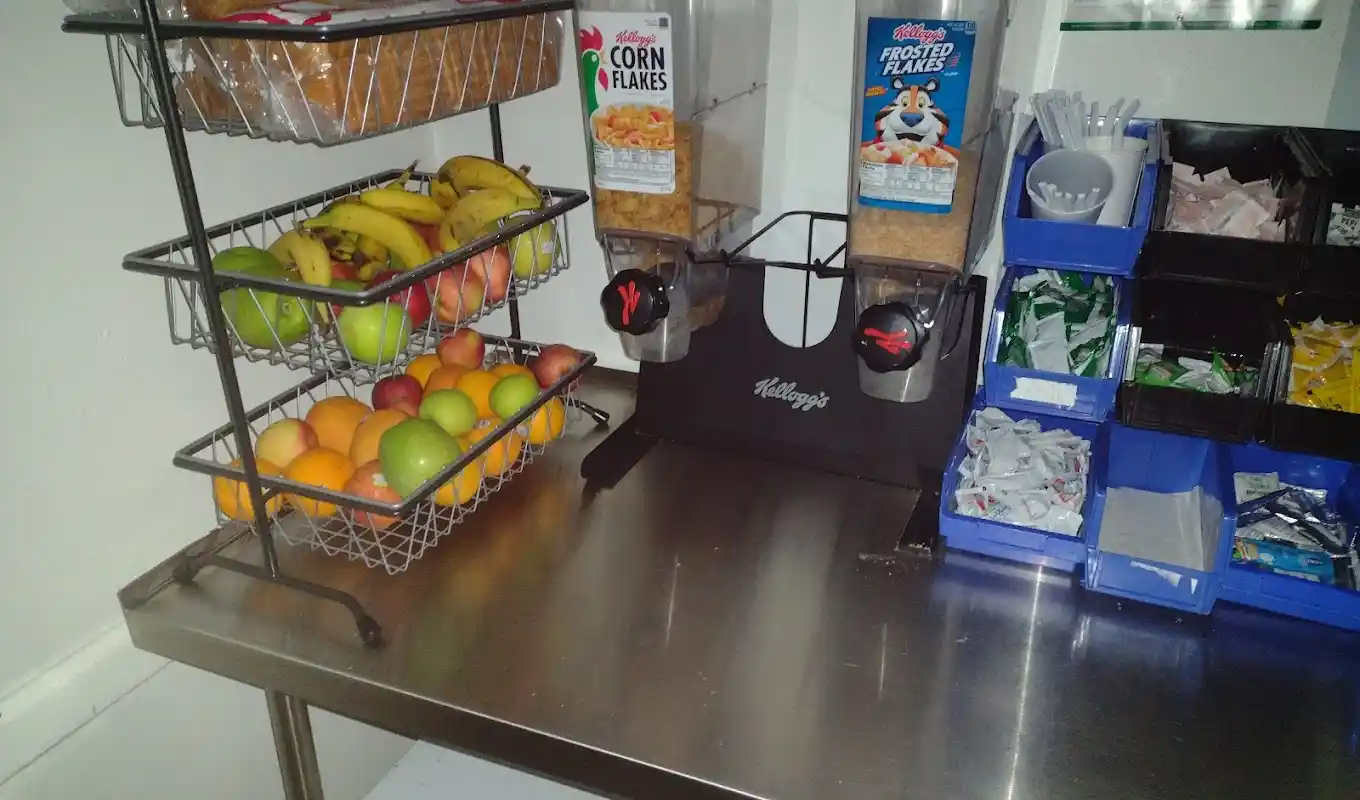

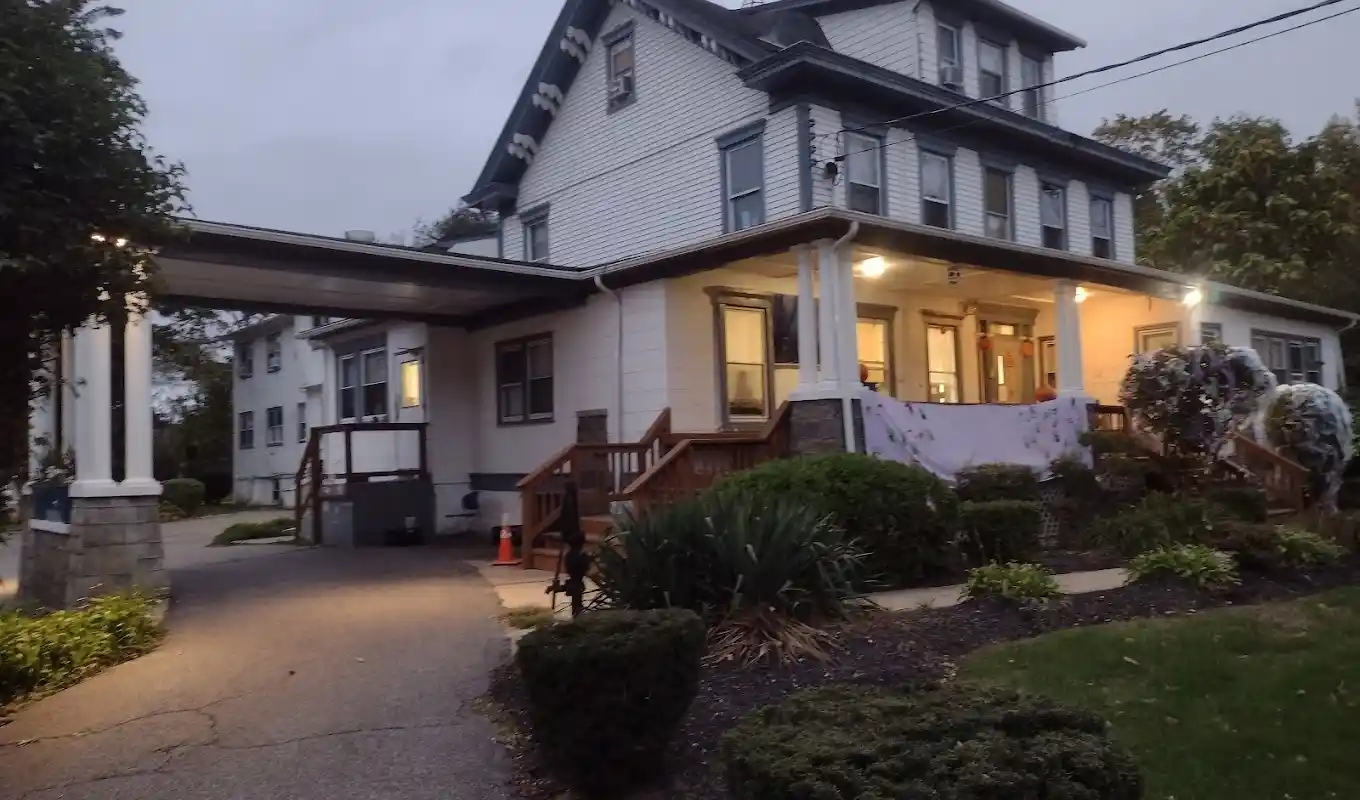
Phoenix House is a dual-diagnosis treatment provider with several locations in the New York area offering residential and outpatient treatment to adults and teens who are struggling with addiction and co-occurring mental health. Their Hauppauge location provides individualized and comprehensive residential treatment for adult men.
Phoenix House offers strength-based, holistic treatment for addiction and underlying mental health disorders in a structured and healing environment. Skilled and compassionate clinicians provide assessments, individual and group counseling, co-occurring mental health treatment, case management, and discharge planning for clients.
Phoenix House in Hauppauge offers adults a safe and supportive environment to focus on recovery. Clients go through an initial medical and psychological assessment that will identify their unique treatment needs and provide them with a comprehensive treatment plan. Individually tailored treatment plans are designed to meet each individual’s treatment needs, and case management services provide regular monitoring to track progress and make adjustments accordingly. Clients will work toward their recovery goals with a team of qualified professionals that include licensed therapists, counselors, and trained medical staff who are committed to providing quality care in a supportive environment.
Their highly structured dual-diagnosis program offers holistic, evidence-based treatment. Residential treatment may consist of individual and group therapy and recreational therapy activities that encourage clients to find substance-free leisure hobbies that they enjoy. They use proven methods such as cognitive behavioral therapy (CBT), dialectical behavioral therapy (DBT), and trauma-specific therapy as part of their programs. Experiential therapy methods may include creative activities led by a therapist, such as art, dance, or music therapy used to promote social and emotional well-being.
In addition to evidence-based therapies, patients will also receive life skills training as part of their treatment to help with reintegration back into society and maintaining sobriety. Phoenix House also offers medication-assisted treatment (MAT) to clients who are struggling with physical dependency, which includes medications that can help manage and alleviate the physical symptoms of withdrawal such as methadone or suboxone.
Their military community services program offers substance abuse and mental health treatment specifically designed to deal with suicide prevention, post traumatic stress disorder (PTSD), and the unique needs of veterans, current military personnel, and their families.
Phoenix House is active in engaging with the community, advocating for addiction and mental health treatment and recovery resources. After treatment, clients are connected to a strong alumni network, providing ongoing support and allowing them to stay connected, provide encouragement, and share experiences with others in recovery. Discharge planning can assist clients in finding outpatient support once they complete their residential program.
Phoenix House in Hauppauge is CARF accredited and accepts most major credit cards and insurance providers.

Men
Men Only
Veterans
Veterans
Patients who completed active military duty receive specialized treatment focused on trauma, grief, loss, and finding a new work-life balance.

Mental health is a complex health condition that requires a comprehensive, patient-centered approach to treatment that ensures you receive the appropriate care at the right time, based on your individual needs.

Typically the initial stage of treatment for substance use, focusing on medically supervised management of withdrawal symptoms.

An intensive program offering 24 hour care and a variety of therapeutic services in a residential setting.
Transitional housing designed to support individuals recovering from substance use disorders offering a safe, supportive and structured environment for practicing long-term sobriety, while reintegrating back into daily living.
Treatment programming allowing patients to receive care without staying in a hospital or inpatient facility, providing a variety of therapeutic and medical services.

Co-Occurring Disorders
Co-Occurring Disorders
A person with multiple mental health diagnoses, such as addiction and depression, has co-occurring disorders also called dual diagnosis.
Medication-Assisted Treatment
Medication-Assisted Treatment
Combined with behavioral therapy, prescribed medications can enhance treatment by relieving withdrawal symptoms and focus patients on their recovery.
1-on-1 Counseling
1-on-1 Counseling
Patient and therapist meet 1-on-1 to work through difficult emotions and behavioral challenges in a personal, private setting.
Trauma-Specific Therapy
Trauma-Specific Therapy
This form of talk therapy addresses any childhood trauma at the root of a patient’s current diagnosis.
Art Therapy
Art Therapy
Visual art invites patients to examine the emotions within their work, focusing on the process of creativity and its gentle therapeutic power.
Cognitive Behavioral Therapy
Dance Therapy
Dance Therapy
This experiential therapy uses dance to improve body awareness, physical health, and social skills.
Introduction to the 12 Step Program
Experiential Therapy
Experiential Therapy
With this approach, patients heal by doing. Therapists help patients process difficult emotions to speak, using guided activities like art or dance.
Family Therapy
Family Therapy
Family therapy addresses group dynamics within a family system, with a focus on improving communication and interrupting unhealthy relationship patterns.
Life Skills
Life Skills
Teaching life skills like cooking, cleaning, clear communication, and even basic math provides a strong foundation for continued recovery.
Medication-Assisted Treatment
Medication-Assisted Treatment
Combined with behavioral therapy, prescribed medications can enhance treatment by relieving withdrawal symptoms and focus patients on their recovery.
Music Therapy
Music Therapy
Singing, performing, and even listening to music can be therapeutic. Music therapy sessions are facilitated by certified counselors.
Nutrition Counseling
Nutrition Counseling
Nutritious food helps patients heal from within, setting them up for mental and bodily wellness as they learn about healthy eating.
Recreation Therapy
Recreation Therapy
In recreation therapy, recovery can be joyful. Patients practice social skills and work through emotional triggers by engaging in fun activities.
Dialectical Behavior Therapy
Group Therapy
Yoga
Yoga
Yoga is both a physical and spiritual practice. It includes a flow of movement, breathing techniques, and meditation.
Alcohol
Alcohol
Using alcohol as a coping mechanism, or drinking excessively throughout the week, signals an alcohol use disorder.
Co-Occurring Disorders
Co-Occurring Disorders
A person with multiple mental health diagnoses, such as addiction and depression, has co-occurring disorders also called dual diagnosis.
Cocaine
Cocaine
Cocaine is a stimulant with euphoric effects. Agitation, muscle ticks, psychosis, and heart issues are common symptoms of cocaine abuse.
Addictions
Drug Addiction
Drug Addiction
Drug addiction is the excessive and repetitive use of substances, despite harmful consequences to a person’s life, health, and relationships.
Heroin
Heroin
Heroin is a highly addictive and illegal opioid. It can cause insomnia, collapsed veins, heart issues, and additional mental health issues.
Post Traumatic Stress Disorder
Post Traumatic Stress Disorder
PTSD is a long-term mental health issue caused by a disturbing event or events. Symptoms include anxiety, dissociation, flashbacks, and intrusive thoughts.
Suicidality
Suicidality
With suicidality, a person fantasizes about suicide, or makes a plan to carry it out. This is a serious mental health symptom.
Trauma
Trauma
Some traumatic events are so disturbing that they cause long-term mental health problems. Those ongoing issues can also be referred to as ‘trauma.’
Aftercare Home Support
Alumni Events & Get-Togethers

Private or Shared Rooms
Shared Bathroom
Fitness Center
Gardens
Chef-prepared Meals
Outdoor Lounge
Nutrition Emphasis
Gender-specific groups
Gender-specific groups
Patients in gender-specific groups gain the opportunity to discuss challenges unique to their gender in a comfortable, safe setting conducive to healing.
Yoga
Yoga
Yoga is both a physical and spiritual practice. It includes a flow of movement, breathing techniques, and meditation.
AA/NA Meetings
Farming, Gardening
Physical Fitness
Hauppauge, New York, United States.
Top10 Rehabs is an independent organization that simplifies finding the best mental health and addiction treatment. Comprehensive profiles of over 2,500 rehab centers include insurance coverage, pricing, photos, reviews, and more. Choosing the best path to recovery has never been easier.