


Verified

Provider’s Policy
If you are interested in exploring the possibility of treatment for teen mental health, behavioral heath or addiction treatment at Paradigm Treatment, we can begin the insurance verification process immediately. We are happy to obtain your insurance policy information and seek verification on your behalf. You may wish to expedite the process by completing the insurance verification form. We can generally provide you with verification results within 24 hours.
Covered plans and verification of benefits.

$66,000+
A residential program specializing in treating teens ages 13-17 with mental health concerns, set in the stunning Texas hill country.
Highlights


Connect with Paradigm Teen Austin by calling their admissions team directly.
















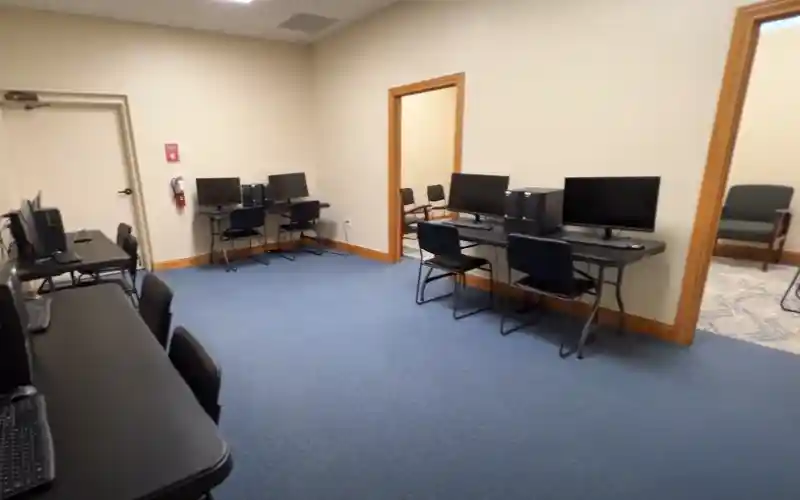

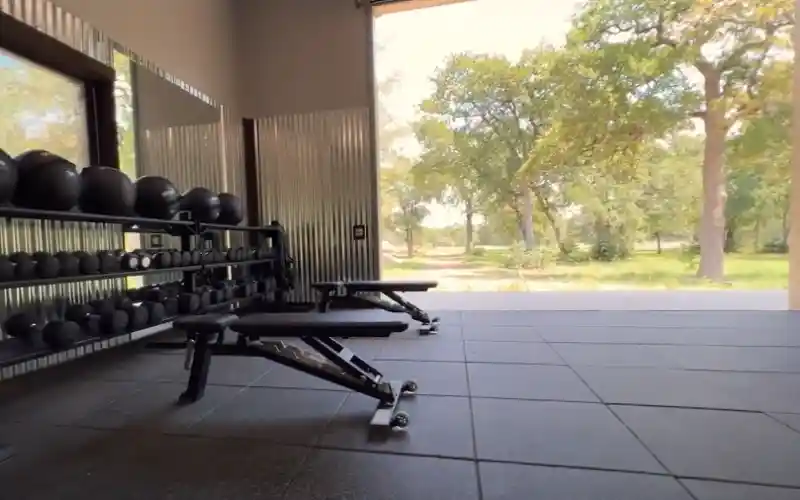

For 12 years, Paradigm Treatment has been providing residential treatment for teens 13-17 with mental health issues. Their medical and clinical teams delve deep to address the root causes of the struggles young people face in today’s stress-filled world. They work closely with youth and their families, treating anxiety, depression, grief, trauma, mood and personality disorders. Paradigm’s academic coordinators address academic issues so that students can resume studies after treatment while experiential approaches such as yoga, meditation, and equine therapy empower clients to transform their lives. Paradigm works with most commercial insurance and is accredited by the Joint Commission.
Paradigm’s Austin, TX location offers a resort-like atmosphere for teens, all while providing the top notch clinical and therapeutic treatment they need to recover. With only 12 clients in treatment at a time, care at Paradigm Austin is wholly intimate and personal, offering a space for reflection and healing. Paradigm’s mission is to get to the root cause of mental health disorders, first beginning with thorough psychological, physical, and nutritional assessments. The staff at Paradigm Treatment in Austin are both accredited and dedicated, walking teens through mental disorders with a caring, compassionate, and professional hand.
Paradigm Treatment notably provides 4 individual therapy sessions per week, plus regular group and family sessions. Their 30-90-day program gives clients ample time to heal before returning to life outside of residential treatment. To combine and balance clinical treatment with experiential modalities, Paradigm also offers plentiful on and off-site activities, like swimming, horseback riding, physical fitness and much more. Academic collaboration may also be used during the school year to maintain continuity with home schools. The program sets aside 3 hours for school, 5 days a week.
Paradigm’s Austin campus is in the stunning Texas Hill Country, which provides 14,000 square miles of picturesque outdoor activities, including camping by the Guadalupe River and trips to Garner State Park. The region is also home to quaint towns, award-winning barbecue, and historical sites that make ideal day trips for parents traveling through the area.
Provider’s Policy:If you are interested in exploring the possibility of treatment for teen mental health, behavioral heath or addiction treatment at Paradigm Treatment, we can begin the insurance verification process immediately. We are happy to obtain your insurance policy information and seek verification on your behalf. You may wish to expedite the process by completing the insurance verification form. We can generally provide you with verification results within 24 hours.

With 40+ years of behavioral health care experience, MHN partners with thousands of licensed practitioners and hospitals to provide quality insurance to their customers.

Founded in 1946, Anthem is the 4th largest public managed health care company in the United States and serves over 46 million clients.

Paradigm Austin uses multiple treatment pathways to find the right blend for each adolescent. Experiential therapies, evidence-based care, and medication-assisted therapy, as appropriate, cater to the needs of each teen. Psychoeducation also plays a large role, in both the treatment of teens and their families. With a diverse range of treatments, Paradigm can help each teen and their families heal long term.
Teens receive treatment along with 11 others, with treatment sizes maxing out at 12. The center’s small size helps treatment feel and stay individualized, with client-to-staff ratios allowing teens and their families to get the personal attention they need to heal and recover. Paradigm Austin’s location makes for an even more intimate experience, separated from outside triggers and busyness.
Paradigm Austin understands the need for families to heal alongside their teens. They offer psychoeducation, family therapy sessions, and weekly family visits to keep families involved in their teens’ treatment. Paradigm’s goal is to help heal the entire family unit, believing that goal can make healing last–even as teens return to life outside treatment and continue to move forward in life.
Paradigm Austin collaborates with outside providers, aiming to help teens remain as comfortable as possible. Paradigm can coordinate with an existing mental health care provider that a teen may already be seeing. This extends to schooling, with Paradigm collaborating with schools and teachers to help ensure kids stay on track.
RehabPath verified that the name, location, contact information and license to operate for this treatment provider are valid and up-to-date. Paradigm Teen Austin has verified the information on this page to be accurate.

RehabPath is an independent, third-party mental health resource. Verification does not imply endorsement and does not guarantee the quality of treatment services

N/A
Adolescents
Adolescents
LGBTQ+
LGBTQ+

Adolescents
Adolescents
Personality Disorders
Personality Disorders
Anxiety
Anxiety
Anxiety is a common mental health condition that can include excessive worry, panic attacks, physical tension, and increased blood pressure.
Bipolar
Bipolar
This mental health condition is characterized by extreme mood swings between depression, mania, and remission.
Depression
Depression
Symptoms of depression may include fatigue, a sense of numbness, and loss of interest in activities. This condition can range from mild to severe.
Residential
Residential
In a residential rehab program, patients live onsite, with access to daily treatment and 24-hour care. An average stay is 30-90 days.
Evidence-Based
Evidence-Based
A combination of scientifically rooted therapies and treatments make up evidence-based care, defined by their measured and proven results.
Family Involvement
Family Involvement
Providers involve family in the treatment of their loved one through family therapy, visits, or both–because addiction is a family disease.
Experiential
Experiential
Expressive tools and therapies help patients process past situations, learn more about themselves, and find healing through action.
Non 12 Step
Non 12 Step
Non-12-Step philosophies veer from the spiritual focus of the 12-Steps and instead treat the disease of addiction with holistic or secular modalities.
Group Therapy
N/A
1-on-1 Counseling
1-on-1 Counseling
Patient and therapist meet 1-on-1 to work through difficult emotions and behavioral challenges in a personal, private setting.
Life Skills
Life Skills
Teaching life skills like cooking, cleaning, clear communication, and even basic math provides a strong foundation for continued recovery.
Cognitive Behavioral Therapy
N/A
Relapse Prevention Counseling
Relapse Prevention Counseling
Relapse prevention counselors teach patients to recognize the signs of relapse and reduce their risk.
Experiential Therapy
Experiential Therapy
With this approach, patients heal by doing. Therapists help patients process difficult emotions to speak, using guided activities like art or dance.
Recreation Therapy
Recreation Therapy
In recreation therapy, recovery can be joyful. Patients practice social skills and work through emotional triggers by engaging in fun activities.
Family Therapy
Family Therapy
Family therapy addresses group dynamics within a family system, with a focus on improving communication and interrupting unhealthy relationship patterns.
Solution Focused, Goal-Oriented Therapy
Solution Focused, Goal-Oriented Therapy
A quick goal-oriented therapy that helps patients identify their current and future goals, find out how to achieve them, and empower future problem-solving.
Music Therapy
Music Therapy
Singing, performing, and even listening to music can be therapeutic. Music therapy sessions are facilitated by certified counselors.
Meditation & Mindfulness
Meditation & Mindfulness
A practiced state of mind that brings patients to the present. It allows them to become fully aware of themselves, their feelings, and the present moment.
Yoga
Yoga
Yoga is both a physical and spiritual practice. It includes a flow of movement, breathing techniques, and meditation.
Art Therapy
Art Therapy
Visual art invites patients to examine the emotions within their work, focusing on the process of creativity and its gentle therapeutic power.
Eye Movement Therapy (EMDR)
Eye Movement Therapy (EMDR)
Lateral, guided eye movements help reduce the emotional reactions of retelling and reprocessing trauma, allowing intense feelings to dissipate.
Self-Harm
Self-Harm
The act of intentionally harming oneself, also called self-injury, is associated with mental health issues like depression.
Prescription Drugs
Prescription Drugs
It’s possible to abuse any drug, even prescribed ones. If you crave a medication, or regularly take it more than directed, you may have an addiction.
Co-Occurring Disorders
Co-Occurring Disorders
A person with multiple mental health diagnoses, such as addiction and depression, has co-occurring disorders also called dual diagnosis.
Personality Disorders
Personality Disorders
Personality disorders destabilize the way a person thinks, feels, and behaves. If untreated, they can undermine relationships and lead to severe distress.
Gaming
Gaming
Compulsive gaming is most often a problem for children and teens. The disorder can affect physical health, sleep, and the ability to focus at school.
Codependency
Codependency
Codependency is a pattern of emotional dependence and controlling behavior. It’s most common among people with addicted loved ones.
Internet Addiction
Internet Addiction
Internet addiction is common among children teens. This compulsive disorder can damage relationships, school performance, sleep habits, and physical health.
Post Traumatic Stress Disorder
Post Traumatic Stress Disorder
PTSD is a long-term mental health issue caused by a disturbing event or events. Symptoms include anxiety, dissociation, flashbacks, and intrusive thoughts.
Suicidality
Suicidality
With suicidality, a person fantasizes about suicide, or makes a plan to carry it out. This is a serious mental health symptom.
Depression
Depression
Symptoms of depression may include fatigue, a sense of numbness, and loss of interest in activities. This condition can range from mild to severe.
Anxiety
Anxiety
Anxiety is a common mental health condition that can include excessive worry, panic attacks, physical tension, and increased blood pressure.
Schizophrenia
Schizophrenia
Schizophrenia is a serious mental health condition that causes hallucinations, delusions, and disordered thinking.
Sex Addiction
Sex Addiction
Compulsively seeking out sex can easily become a problem. This addiction is detrimental to relationships, physical health, and self-esteem.
Obsessive Compulsive Disorder
Obsessive Compulsive Disorder
OCD is characterized by intrusive and distressing thoughts that drive repetitive behaviors. This pattern disrupts daily life and relationships.
Anger
Anger
Although anger itself isn’t a disorder, it can get out of hand. If this feeling interferes with your relationships and daily functioning, treatment can help.
Trauma
Trauma
Some traumatic events are so disturbing that they cause long-term mental health problems. Those ongoing issues can also be referred to as “trauma.”
ADHD, ADD
ADHD, ADD
ADHD is a common mental health condition caused by dopamine imbalance. Common symptoms include inattention, hyperactivitiy, and impulsivity.

Air-Conditioned Rooms
N/A
Private or Shared Rooms
N/A
Pool
N/A
Access to Nature
N/A
Gardens
N/A
Chef-prepared Meals
N/A
Outdoor Lounge
N/A
Outdoor Lounge
N/A
Dietary Accommodations
N/A
Other dietary needs (vegan, vegetarian, gluten-free, etc.)
N/A
Yoga
Yoga
Yoga is both a physical and spiritual practice. It includes a flow of movement, breathing techniques, and meditation.
Games
N/A
Games
N/A
Swimming
N/A
Off-Site Activities
N/A


Executive Director
LCSW

Director of Business Development
B.S.

Program Administrator
LCCA

Psychiatrist
M.D.

Lead Therapist
M.S., LPC

Fitness Trainer & Coach

Fitness Director
B.S.
See the newly purchased campus of Paradigm Austin, and some of its outdoor amenities.
A family therapist and clinical counselor discuss topics relating to mental health, teen challenges, and substance use.
Explore the 5 signs that could indicate a need for residential care in teens and adolescents.
Learn more about academics at Paradigm, including how they do it, their curriculum, and how it integrates into effective treatment.
We lost one of our sons to suicide, which nearly destroyed his twin brother and our family. The loving and knowledgeable staff at Paradigm took in our shattered son and began the process of helping him want to live again. [They] extended the same love, support and education to our family, and we are now finally moving forward with hope. There is no doubt that Paradigm saved our son and our family.
While costs may vary due to program length and insurance benefits, it typically costs $66,000+.
Austin, Texas, United States.
If you are interested in exploring the possibility of treatment for teen mental health, behavioral heath or addiction treatment at Paradigm Treatment, we can begin the insurance verification process immediately. We are happy to obtain your insurance policy information and seek verification on your behalf. You may wish to expedite the process by completing the insurance verification form. We can generally provide you with verification results within 24 hours..
The typical length is 30+ days.
Top10 Rehabs is an independent organization that simplifies finding the best mental health and addiction treatment. Comprehensive profiles of over 2,500 rehab centers include insurance coverage, pricing, photos, reviews, and more. Choosing the best path to recovery has never been easier.