


Verified
This provider’s information has been quality-checked by Top10 Rehabs’s Research Team for accuracy and completeness, including data verification through appropriate third-party organizations.View This Center’s Verified License

Provider’s Policy

$8,000-$28,000
A countryside center providing medically supervised detox, residential treatment, and aftercare connections with a focus on trauma and early recovery.
Highlights


Connect with Ohio Recovery Center by calling their admissions team directly.
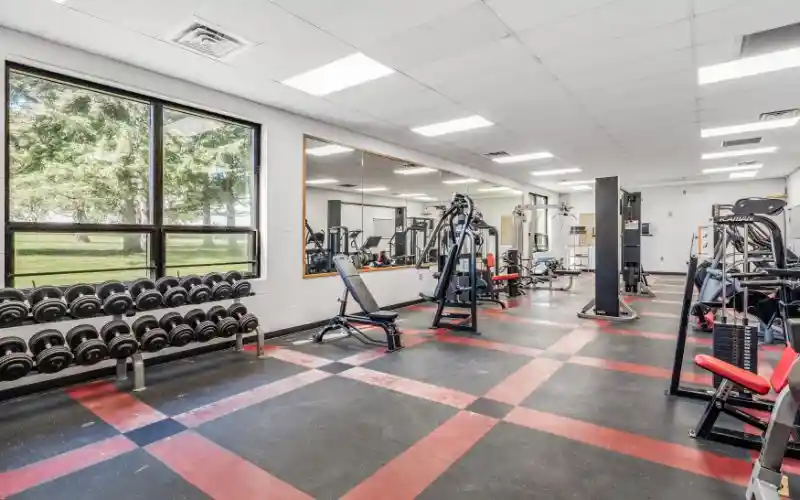

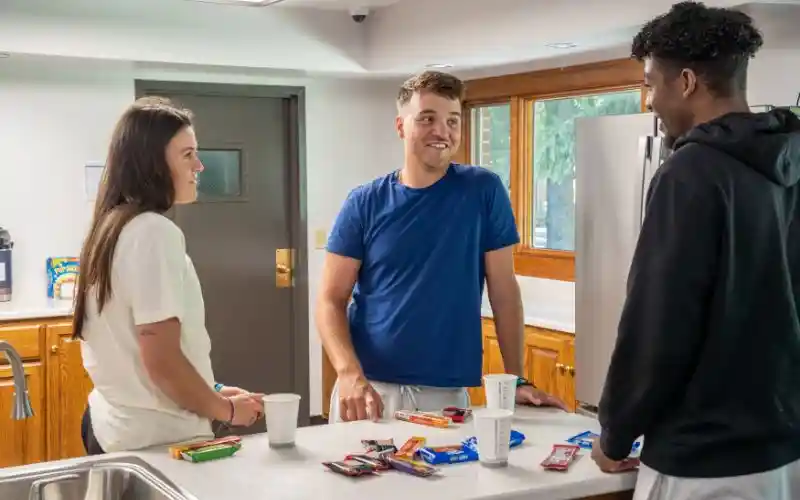


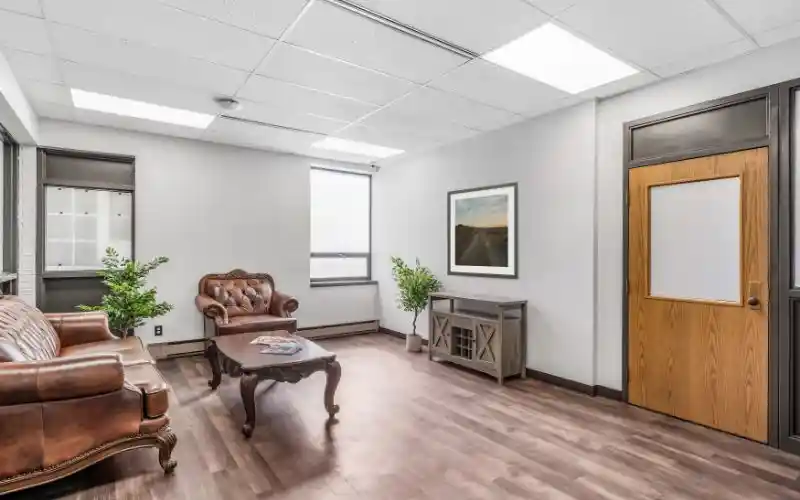
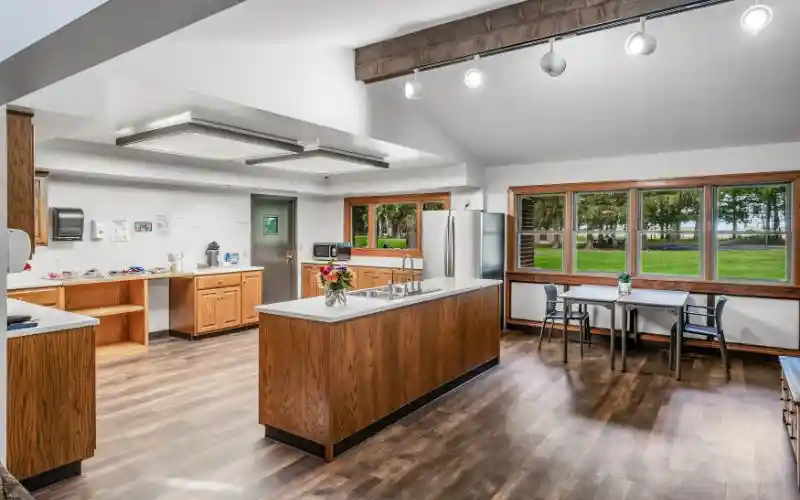

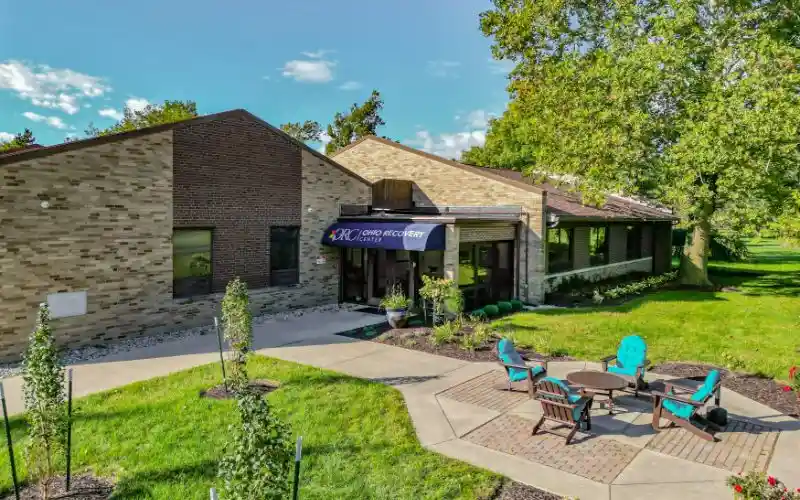
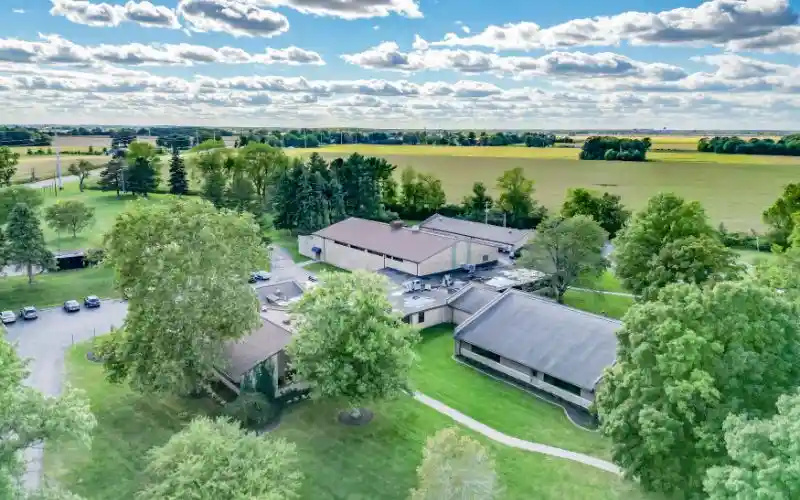
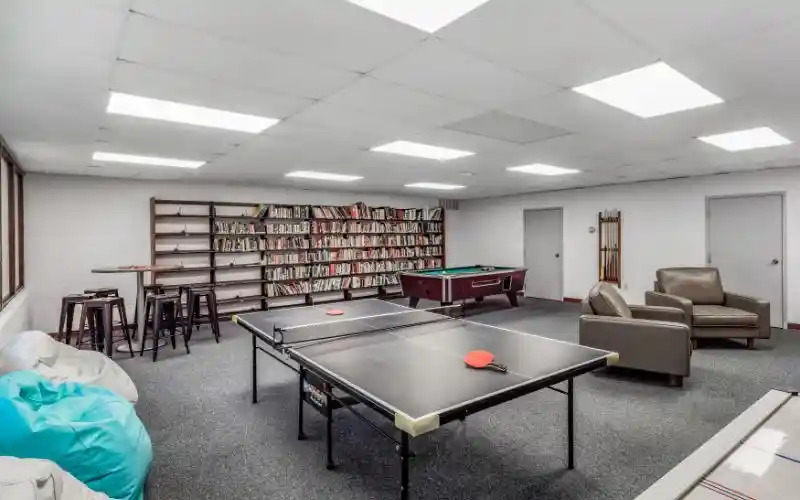



Ohio Recovery Center (ORC) is part of Ark Behavioral Health’s treatment network. Ohio Recovery Center is their newest addition, located in the quiet countryside of Van Wert, Ohio. ORC’s facility offers medically monitored detox, residential care, and aftercare services. They focus on group therapy, with full-day curriculums combining process and psychoeducation groups.
The staff at ORC serve clients with master’s level qualifications, years of experience, and compassion. They prioritize clients’ physical and mental health during their stay, with psychiatric care, 1:1 sessions with a primary physician, and behavioral health staff. Experienced clinicians help make detox smooth and individualized, with medication-assisted treatment available for opioid and alcohol use disorders (during and after detox).
ORC creates personalized treatment plans, beginning with a biopsychosocial assessment before pairing clients with a primary clinician and case manager. A team plans each step of clients’ recovery process, from detox to residential treatment graduation. ORC uses medication-assisted treatment (MAT) throughout clients’ treatment, primarily during detox. Safe detox gives way to residential treatment, which is also at their facility. Residential treatment entails various therapies, all led by qualified professionals with the experience to make treatment smooth and enjoyable. Some of their therapy and treatment modalities include individual cognitive behavioral therapy (CBT), dialectical behavioral therapy (DBT), daily group therapies, motivational interviewing (MI), and 12-Step meetings. They also offer specialized groups for LGBTQ+ clients, first responders, couples, and young adults.
Ohio Recovery Center prioritizes mental and physical wellness, offering a variety of planned activities to make treatment invigorating and restorative. Clients can enjoy yoga and meditation classes, karaoke, game nights, movie viewings, and art therapy.
Aftercare at ORC is a long-lasting support system and resource, providing the continued help and care clients need to maintain sobriety. Their aftercare coordinators can connect clients to further treatment (PHP, IOP, OP), set up medical appointments, connect clients to local 12-Step groups, and provide continued medication management. Therapy and support groups are effective aftercare modalities, as well as sober living homes and medication management.
Provider’s Policy:In Ohio, addiction treatment can be expensive. Fortunately, many of the state’s rehab centers, including Ohio Recovery Center, accept health insurance. The amount of coverage you receive depends on the type of insurance you have and the type of treatment you need.
Cigna’s unique history traces back to 1792, but today they offer services to 190 million customers in 30 different countries across the globe.
A leading healthcare provider serving over 100 million Americans as one of the largest insurance companies in the country.
One of the largest health insurance companies in the US, offering several health insurance options to individuals and businesses.
Founded in 1946, Anthem is the 4th largest public managed health care company in the United States and serves over 46 million clients.

Ohio Recovery Center seeks to make detox and residential treatment as safe and comfortable as possible, which is why they use MAT during detox and treatment. Their medications help clients detox from opioids and alcohol and maintain sobriety. Clients’ clinical team will assess their needs and prescribe the appropriate medication.
Ohio Recovery Center provides specialized programs for First Responders, young adults, couples, and those in the LGBTQ+ community. These programs focus on the unique aspects of those attending, like workplace trauma as a First Responder or the struggles young adults face as they battle addiction. Each group complements the other process and psychoeducation groups clients attend.
Ohio Recovery Center begins treatment with a biopsychosocial assessment. Based on the results, clients either start detox in a medically supervised setting or begin residential treatment. ORC offers dual-diagnosis care to address the potential causes of addiction, with 1:1 mental health counseling done with a primary physician. After residential treatment, case managers and aftercare coordinators match clients to their next steps in treatment.

At ORC, clients can access amenities like yoga and meditation, art therapy, movies, and nature. Psychoeducation classes provide a greater sense of understanding regarding addiction and a community setting for clients to learn more about themselves and their peers.
RehabPath verified that the name, location, contact information and license to operate for this treatment provider are valid and up-to-date. Ohio Recovery Center has verified the information on this page to be accurate.
RehabPath is an independent, third-party mental health resource. Verification does not imply endorsement and does not guarantee the quality of treatment services

$8,000 | Full Medical Detox
$28,000 | 28 Day Residential Stay
Extended options available
Men
Women
Young Adults
Young Adults
Emerging adults ages 18-25 receive treatment catered to the unique challenges of early adulthood, like college, risky behaviors, and vocational struggles.
LGBTQ+
LGBTQ+
Addiction and mental illnesses in the LGBTQ+ community must be treated with an affirming, safe, and relevant approach, which many centers provide.
Midlife Adults
Midlife Adults
For adults ages 40+, treatment shifts to focus on the unique challenges, blocks, and risk factors of their age group, and unites peers in a similar community.

Alcohol
Alcohol
Using alcohol as a coping mechanism, or drinking excessively throughout the week, signals an alcohol use disorder.
Benzodiazepines
Benzodiazepines
Benzodiazepines are prescribed to treat anxiety and sleep issues. They are highly habit forming, and their abuse can cause mood changes and poor judgement.
Cocaine
Cocaine
Cocaine is a stimulant with euphoric effects. Agitation, muscle ticks, psychosis, and heart issues are common symptoms of cocaine abuse.
Heroin
Heroin
Heroin is a highly addictive and illegal opioid. It can cause insomnia, collapsed veins, heart issues, and additional mental health issues.
Methamphetamine
Methamphetamine
Methamphetamine, or meth, increases energy, agitation, and paranoia. Long-term use can result in severe physical and mental health issues.
Opioids
Opioids
Opioids produce pain-relief and euphoria, which can lead to addiction. This class of drugs includes prescribed medication and the illegal drug heroin.
Detox
Detox
Detox fully and safely removes toxic substances from the body, allowing the next steps in treatment to begin with a clean slate.
Detox
Detox
Detox fully and safely removes toxic substances from the body, allowing the next steps in treatment to begin with a clean slate.
Residential
Residential
In a residential rehab program, patients live onsite, with access to daily treatment and 24-hour care. An average stay is 30-90 days.
Evidence-Based
Evidence-Based
A combination of scientifically rooted therapies and treatments make up evidence-based care, defined by their measured and proven results.
Individual Treatment
Individual Treatment
Individual care meets the needs of each patient, using personalized treatment to provide them the most relevant care and greatest chance of success.
Medical
Medical
Medical addiction treatment uses approved medications to manage withdrawals and cravings, and to treat contributing mental health conditions.
1-on-1 Counseling
1-on-1 Counseling
Patient and therapist meet 1-on-1 to work through difficult emotions and behavioral challenges in a personal, private setting.
Cognitive Behavioral Therapy
Medication-Assisted Treatment
Medication-Assisted Treatment
Combined with behavioral therapy, prescribed medications can enhance treatment by relieving withdrawal symptoms and focus patients on their recovery.
Motivational Interviewing
Motivational Interviewing
Based on the idea that motivation to change comes from within, providers use a conversational framework to discover personalized methods for change.
Psychoeducation
Psychoeducation
This method combines treatment with education, teaching patients about different paths toward recovery. This empowers them to make more effective decisions.
Twelve Step Facilitation
Twelve Step Facilitation
12-Step groups offer a framework for addiction recovery. Members commit to a higher power, recognize their issues, and support each other in the healing process.
Dialectical Behavior Therapy
Group Therapy
Yoga
Yoga
Yoga is both a physical and spiritual practice. It includes a flow of movement, breathing techniques, and meditation.
Prescription Drugs
Prescription Drugs
It’s possible to abuse any drug, even prescribed ones. If you crave a medication, or regularly take it more than directed, you may have an addiction.
Cocaine
Cocaine
Cocaine is a stimulant with euphoric effects. Agitation, muscle ticks, psychosis, and heart issues are common symptoms of cocaine abuse.
Opioids
Opioids
Opioids produce pain-relief and euphoria, which can lead to addiction. This class of drugs includes prescribed medication and the illegal drug heroin.
Alcohol
Alcohol
Using alcohol as a coping mechanism, or drinking excessively throughout the week, signals an alcohol use disorder.
Methamphetamine
Methamphetamine
Methamphetamine, or meth, increases energy, agitation, and paranoia. Long-term use can result in severe physical and mental health issues.
Heroin
Heroin
Heroin is a highly addictive and illegal opioid. It can cause insomnia, collapsed veins, heart issues, and additional mental health issues.
Drug Addiction
Drug Addiction
Drug addiction is the excessive and repetitive use of substances, despite harmful consequences to a person’s life, health, and relationships.
Support Meetings (on-site)

Air-Conditioned Rooms
Private or Shared Rooms
Access to Nature
Outdoor Lounge
Couples program
Couples program
Using gentle clinical care, therapists guide patients and their partner through guided sessions to address issues and work towards lasting solutions.
LGBTQ group
LGBTQ group
Group therapy unites LGBTQ+ patients in a safe and culturally competent setting, encouraging peer support under the expert leadership of a therapist.
First Responders Program
First Responders Program
Paramedics, police officers, firefighters, and others join in a specific First Responders program, usually focused on trauma, grief, and work-life balance.
Yoga
Yoga
Yoga is both a physical and spiritual practice. It includes a flow of movement, breathing techniques, and meditation.
AA/NA Meetings
Movies
Learn about substance misuse numbers in Ohio and the helpful facts and statistics concerning them.
Learn more about Ohio Recovery Center’s admission process, mission, insurance coverage, and treatment programs.
See what aftercare programs Ohio Recovery Center facilitates and what plans may sound best.
Discover more about inpatient treatment at Ohio Recovery Center and their residential program lengths.
While costs may vary due to program length and insurance benefits, it typically costs $8,000-$28,000.
While costs may vary due to program length and insurance benefits, it typically costs $8,000-$28,000.
Top10 Rehabs is an independent organization that simplifies finding the best mental health and addiction treatment. Comprehensive profiles of over 2,500 rehab centers include insurance coverage, pricing, photos, reviews, and more. Choosing the best path to recovery has never been easier.