Verified
This provider’s information has been quality-checked by Top10 Rehabs’s Research Team for accuracy and completeness, including data verification through appropriate third-party organizations.View This Center’s Verified License
Provider’s Policy
Call For Rates
Young adults ages 18-35 receive personalized mental health treatment in a tranquil setting, delivered with an integrated and holistic approach.
Highlights
Connect with Newport Institute Virginia by calling their admissions team directly.


Newport Institute offers gender-specific treatment for young adults ages 18 to 35 who struggle with mental health issues. Each resident’s treatment plan includes clinical, experiential, vocational, and educational aspects for long-lasting effectiveness. The Newport Institute provides individual and group therapy, cognitive behavioral therapy (CBT), nutrition education, body image group, and attachment-based family therapy (ABFT). Founder Jamison Monroe created Newport Institute to help young adults have fulfilling, happy lives as they are the generation with the most dramatic rise in mental health issues in the United States.
Newport Institute has young adult male and female programs located in Leesburg, Virginia, with residential homes for women and men. They incorporate experiential practices into their patients’ schedules. These include yoga, equine-assisted therapy, cooking classes, martial arts, and many more. Newport Institute Virginia strives to provide a well-rounded program and has life skills programs, career counseling and spiritual programs.
Young adults spend 30 hours in clinical and experiential care. Their academic pursuits take up another 20 hours, keeping patients comfortably busy as they work through treatment. Newport Institute uses assessments and personalized care to get to the “why” behind behavioral issues, treating much more than just the symptoms. Their proven success comes largely from compassionate staff, who aim to heal young adults in mind, body, and spirit.
Newport Institute’s life skills and academic programs prepare young adults for their new futures. Vocational assistance helps older patients as they transition out of schooling and into work, improving their executive skills and motivation. For the college-bound, Newport Institute helps patients keep on track with school and keep their future goals a priority.

Provider’s Policy:We work collaboratively with most major healthcare payers to optimize the benefit coverage for families in need.
Verify your insurance eligibility by completing our insurance verification form, which kick-starts our health insurance verification process and takes only a few minutes.
One of the nation’s largest not-for-profit health plans, serving 12.7 million members.
Cigna’s unique history traces back to 1792, but today they offer services to 190 million customers in 30 different countries across the globe.
A leading healthcare provider serving over 100 million Americans as one of the largest insurance companies in the country.
With 40+ years of behavioral health care experience, MHN partners with thousands of licensed practitioners and hospitals to provide quality insurance to their customers.
Carelon Behavioral Health, formerly Beacon Health Options, is headquartered in Boston, Massachusetts and serves over 40 million people.
Offering plans to individuals and businesses throughout the United States and in countries around the world.
One of the largest health insurance companies in the US, offering several health insurance options to individuals and businesses.
Founded in 1946, Anthem is the 4th largest public managed health care company in the United States and serves over 46 million clients.
Founded in 1996, Highmark helps 7 million customers all across the eastern half of the United States get quality care.
The world’s #1 employee assisted program (EAP) provider, offering unique personalized programs to Americans & people worldwide.
Serving over 3 million clients throughout California with an ongoing mission to help the community.
Newport Institute carefully blends therapeutic care with experiential treatment, providing young adults an adventurous and healing experience. A combination of each addresses the needs of young adults, inspiring change, growth, and hope in the future. Outdoor outings take clients out into nature for a grounding and therapeutic experience.
Young adults beginning college, work, and their adult lives receive the support and skill-building they need from Newport Institute. Gentle support and guidance gives clients greater confidence, heightening executive functioning, independence, and their academic futures in college and beyond. Newport’s Life Skills program aims to inspire confidence and give the skills clients need for a successful and comfortable future.
Understanding the prevalence of trauma and mental health conditions in young adults, Newport Institute treats each patient as a whole–addressing trauma, post traumatic stress (PTSD), and mental health conditions like depression and anxiety. With co-occurring disorders treated, patients and their families begin healing from eating disorders, and other conditions.
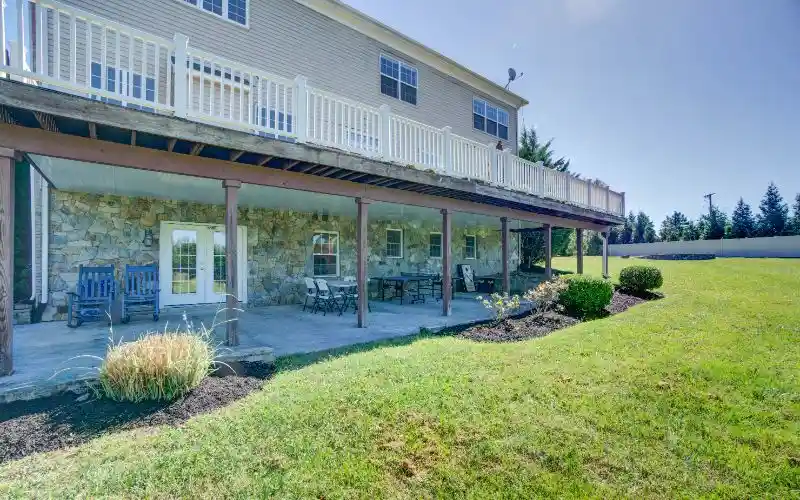
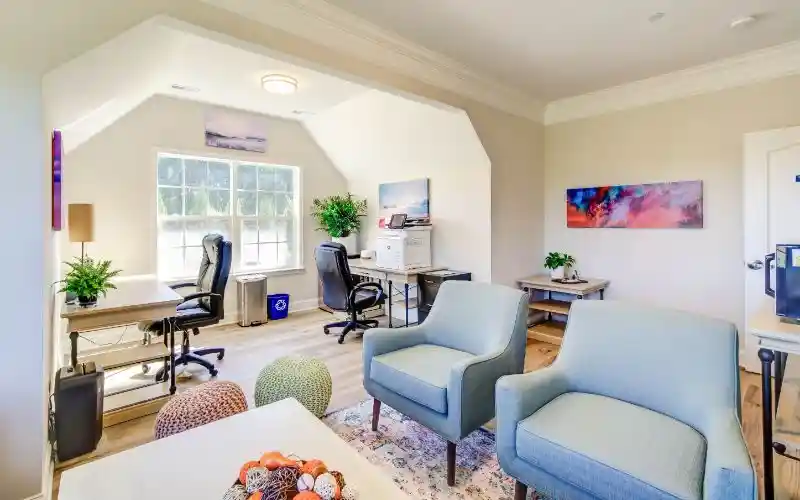
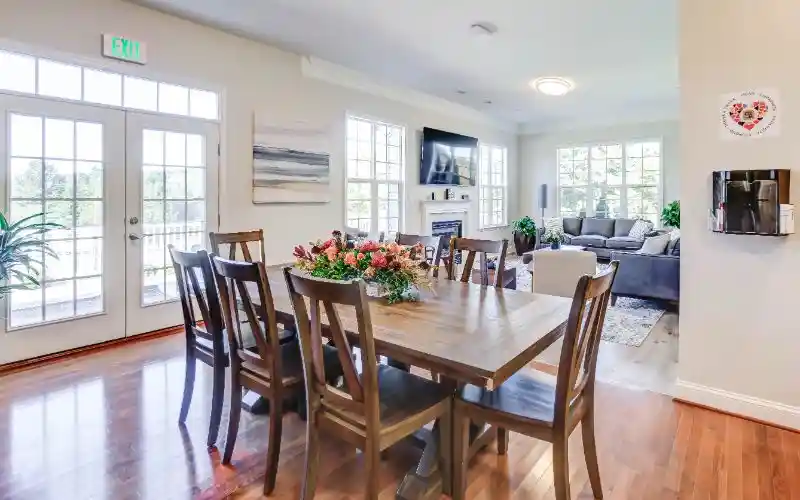
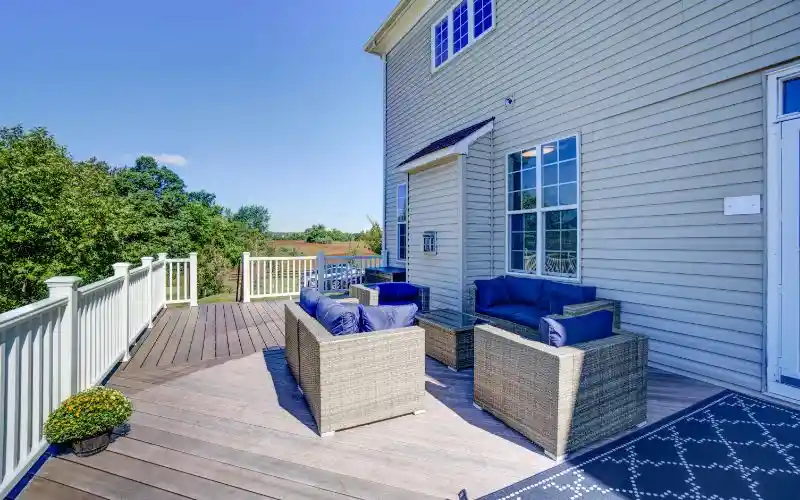
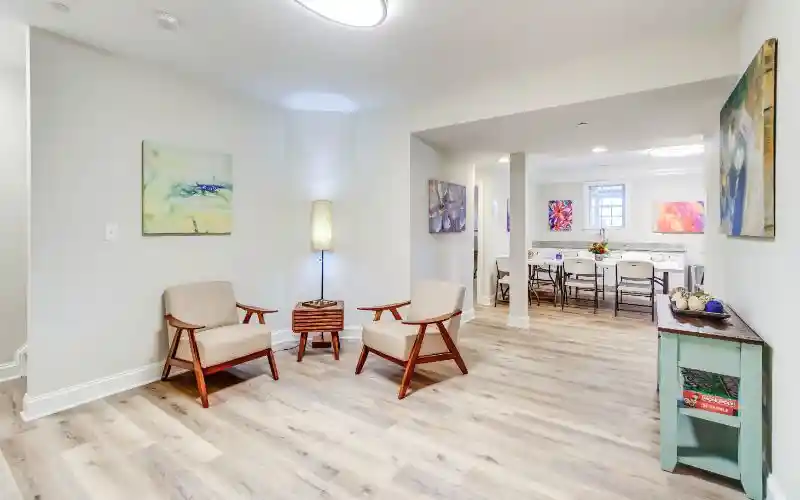
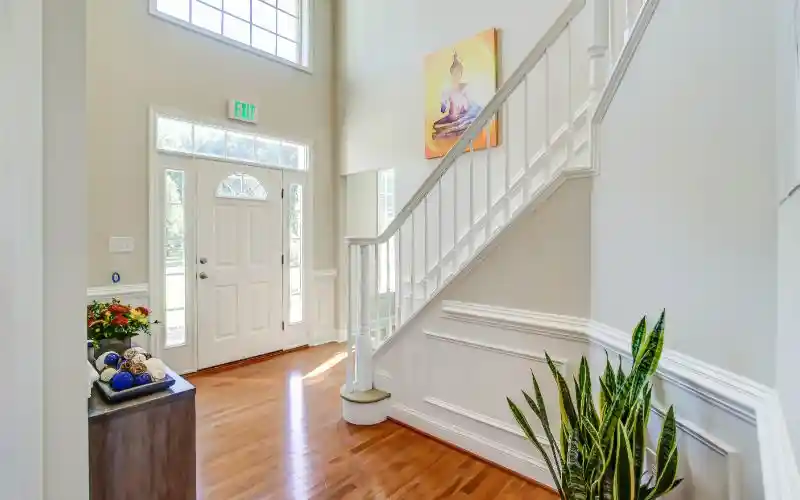
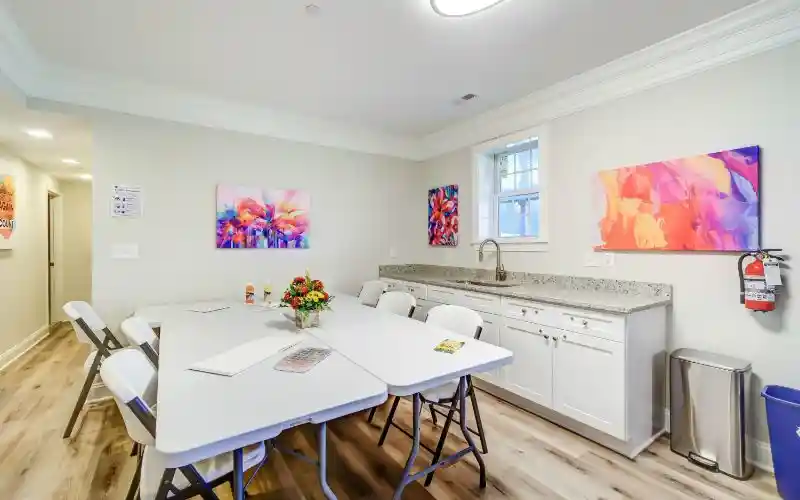
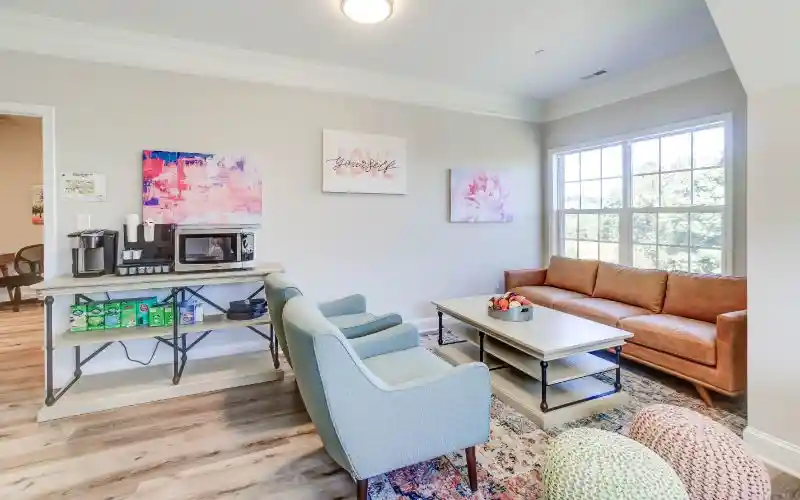
Newport Institute prioritizes having a peaceful place to recover. Their gender-specific homes in Virginia meet this need for young adults, allowing them to separate from the outside world during treatment. Their Northern Virginia locations are just 25 minutes away from Washington DC and surrounded by natural attractions and quiet nature.
RehabPath verified that the name, location, contact information and license to operate for this treatment provider are valid and up-to-date. Newport Institute Virginia has verified the information on this page to be accurate.
RehabPath is an independent, third-party mental health resource. Verification does not imply endorsement and does not guarantee the quality of treatment services
Men
Women
Young Adults
Young Adults
Emerging adults ages 18-25 receive treatment catered to the unique challenges of early adulthood, like college, risky behaviors, and vocational struggles.
LGBTQ+
LGBTQ+
Addiction and mental illnesses in the LGBTQ+ community must be treated with an affirming, safe, and relevant approach, which many centers provide.
Anxiety
Anxiety
Anxiety is a common mental health condition that can include excessive worry, panic attacks, physical tension, and increased blood pressure.
Bipolar
Bipolar
This mental health condition is characterized by extreme mood swings between depression, mania, and remission.
Codependency
Codependency
Codependency is a pattern of emotional dependence and controlling behavior. It’s most common among people with addicted loved ones.
Depression
Depression
Symptoms of depression may include fatigue, a sense of numbness, and loss of interest in activities. This condition can range from mild to severe.
Young Adults
Young Adults
Emerging adults ages 18-25 receive treatment catered to the unique challenges of early adulthood, like college, risky behaviors, and vocational struggles.
Post Traumatic Stress Disorder
PTSD is a long-term mental health issue caused by a disturbing event or events. Symptoms include anxiety, dissociation, flashbacks, and intrusive thoughts.
Stress
Stress
Stress is a natural reaction to challenges, and it can even help you adapt. However, chronic stress can cause physical and mental health issues.
Trauma
Trauma
Some traumatic events are so disturbing that they cause long-term mental health problems. Those ongoing issues can also be referred to as ‘trauma.’
Licensed Primary Mental Health
Some primary care providers offer mental health diagnosis and treatment. This can prevent patients from developing more serious conditions.
Residential
Residential
In a residential rehab program, patients live onsite, with access to daily treatment and 24-hour care. An average stay is 30-90 days.
Individual Treatment
Individual care meets the needs of each patient, using personalized treatment to provide them the most relevant care and greatest chance of success.
Twelve Step
Twelve Step
Incorporating spirituality, community, and responsibility, 12-Step philosophies prioritize the guidance of a Higher Power and a continuation of 12-Step practices.
Holistic
Holistic
A non-medicinal, wellness-focused approach that aims to align the mind, body, and spirit for deep and lasting healing.
Experiential
Experiential
Expressive tools and therapies help patients process past situations, learn more about themselves, and find healing through action.
Gender-Specific
Gender-Specific
Separate treatment for men or women can create strong peer connections and remove barriers related to trauma, shame, and gender-specific nuances.
1-on-1 Counseling
1-on-1 Counseling
Patient and therapist meet 1-on-1 to work through difficult emotions and behavioral challenges in a personal, private setting.
Trauma-Specific Therapy
This form of talk therapy addresses any childhood trauma at the root of a patient’s current diagnosis.
Online Therapy
Online Therapy
Patients can connect with a therapist via videochat, messaging, email, or phone. Remote therapy makes treatment more accessible.
Mindfulness Therapy
Mindfulness Therapy
This ancient practice can be mental, emotional, and even spiritual. In meditation, you focus your attention on the present moment without judgement.
Art Therapy
Art Therapy
Visual art invites patients to examine the emotions within their work, focusing on the process of creativity and its gentle therapeutic power.
Cognitive Behavioral Therapy
Equine Therapy
Equine Therapy
Guided interactions with trained horses, their handler, and a therapist can help patients improve their self-esteem, trust, empathy, and social skills.
Experiential Therapy
With this approach, patients heal by doing. Therapists help patients process difficult emotions to speak, using guided activities like art or dance.
Eye Movement Therapy (EMDR)
Lateral, guided eye movements help reduce the emotional reactions of retelling and reprocessing trauma, allowing intense feelings to dissipate.
Family Therapy
Family Therapy
Family therapy addresses group dynamics within a family system, with a focus on improving communication and interrupting unhealthy relationship patterns.
Horticultural Therapy
Gardening can be both meditative and inspiring. This therapy encourages social, emotional, and physical recovery.
Life Skills
Life Skills
Teaching life skills like cooking, cleaning, clear communication, and even basic math provides a strong foundation for continued recovery.

Music Therapy
Music Therapy
Singing, performing, and even listening to music can be therapeutic. Music therapy sessions are facilitated by certified counselors.
Psychoeducation
Psychoeducation
This method combines treatment with education, teaching patients about different paths toward recovery. This empowers them to make more effective decisions.
Recreation Therapy
Recreation Therapy
In recreation therapy, recovery can be joyful. Patients practice social skills and work through emotional triggers by engaging in fun activities.
Spiritual Care
Spiritual Care
Tending to spiritual health helps treatment become more effective, allowing patients to better cope with their emotions and rebuild their spiritual wellbeing.
Twelve Step Facilitation
12-Step groups offer a framework for addiction recovery. Members commit to a higher power, recognize their issues, and support each other in the healing process.
Acceptance and Commitment Therapy (ACT)
This cognitive behavioral therapy teaches patients to accept challenging feelings and make the appropriate changes to reach personal goals.
Dialectical Behavior Therapy
Group Therapy
Yoga
Yoga
Yoga is both a physical and spiritual practice. It includes a flow of movement, breathing techniques, and meditation.
Eating Disorders
Eating Disorders
An eating disorder is a long-term pattern of unhealthy behavior relating to food. Most people with eating disorders have a distorted self-image.
Self-Harm
Self-Harm
The act of intentionally harming oneself, also called self-injury, is associated with mental health issues like depression.
Co-Occurring Disorders
A person with multiple mental health diagnoses, such as addiction and depression, has co-occurring disorders also called dual diagnosis.
Personality Disorders
Personality disorders destabilize the way a person thinks, feels, and behaves. If untreated, they can undermine relationships and lead to severe distress.
Codependency
Codependency
Codependency is a pattern of emotional dependence and controlling behavior. It’s most common among people with addicted loved ones.
Post Traumatic Stress Disorder
PTSD is a long-term mental health issue caused by a disturbing event or events. Symptoms include anxiety, dissociation, flashbacks, and intrusive thoughts.
Suicidality
Suicidality
With suicidality, a person fantasizes about suicide, or makes a plan to carry it out. This is a serious mental health symptom.
Depression
Depression
Symptoms of depression may include fatigue, a sense of numbness, and loss of interest in activities. This condition can range from mild to severe.
Anxiety
Anxiety
Anxiety is a common mental health condition that can include excessive worry, panic attacks, physical tension, and increased blood pressure.
Bipolar
Bipolar
This mental health condition is characterized by extreme mood swings between depression, mania, and remission.
Stress
Stress
Stress is a natural reaction to challenges, and it can even help you adapt. However, chronic stress can cause physical and mental health issues.
Obsessive Compulsive Disorder
OCD is characterized by intrusive and distressing thoughts that drive repetitive behaviors. This pattern disrupts daily life and relationships.
Trauma
Trauma
Some traumatic events are so disturbing that they cause long-term mental health problems. Those ongoing issues can also be referred to as ‘trauma.’
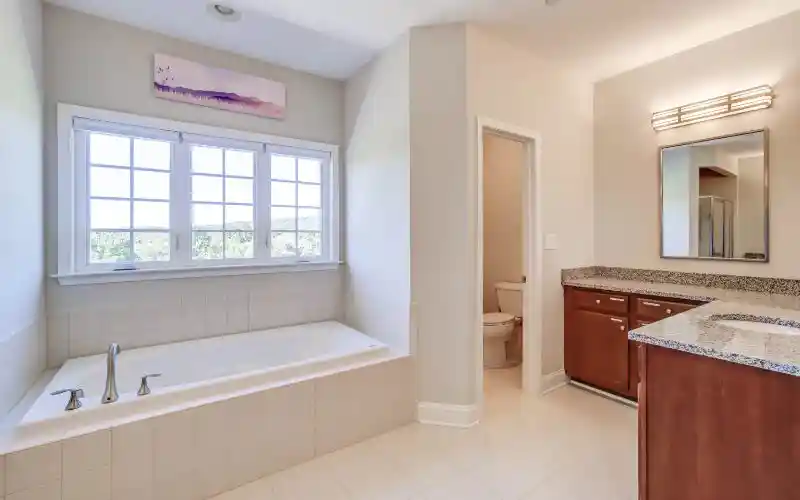
Air-Conditioned Rooms
Desk
Shared Rooms
Access to Nature
Gardens
Outdoor Lounge
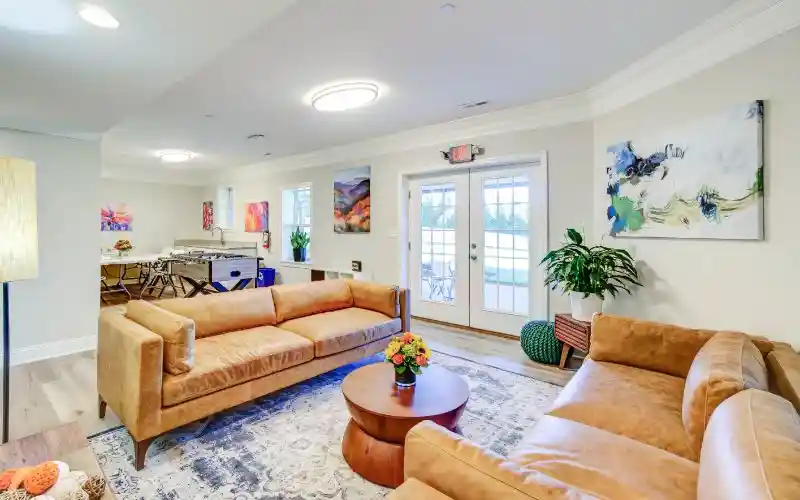
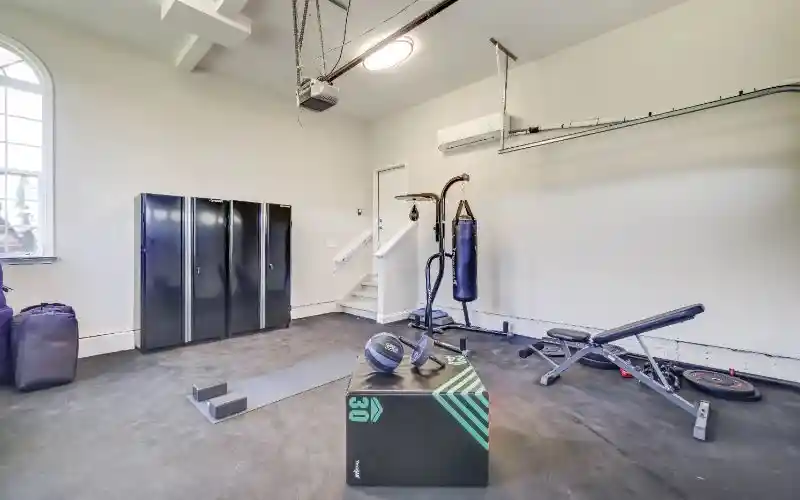
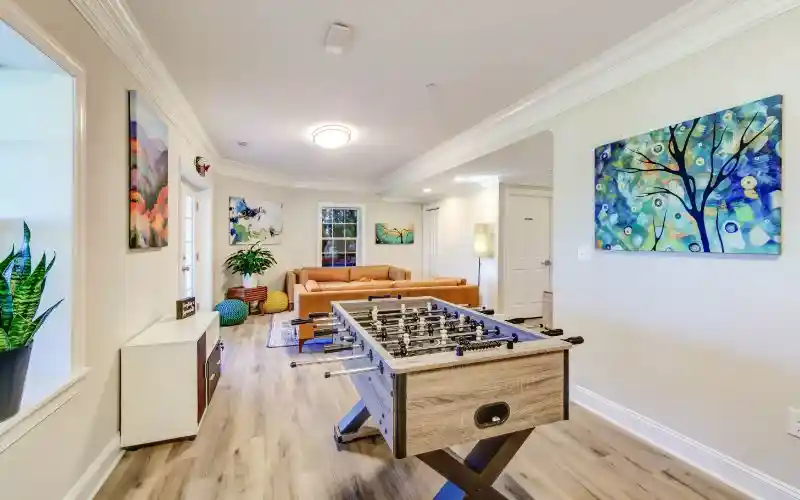
Recreation Room
Walking Trails
Gender-specific groups
Patients in gender-specific groups gain the opportunity to discuss challenges unique to their gender in a comfortable, safe setting conducive to healing.
Young Adults Program
Programs for young adults bring teens 18+ together to discuss age-specific challenges, vocational and educational progress, and successes in treatment.
Yoga
Yoga
Yoga is both a physical and spiritual practice. It includes a flow of movement, breathing techniques, and meditation.
AA/NA Meetings
Cooking Classes
Games
Martial Arts
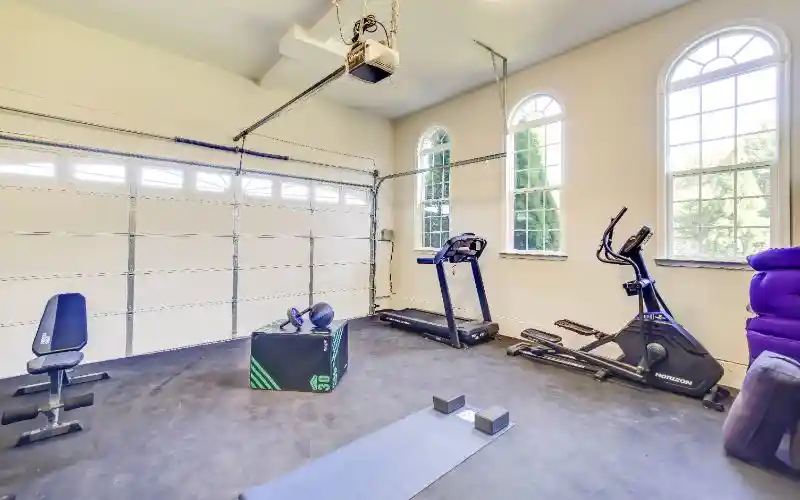
Physical Fitness
Adventure Outings
Biking
Hiking
Horseback Riding
Ropes Course
Water Activities
Clinical Director of Admissions
LMFT
Chief Clinical Officer
PhD, LMFT, LADC
Psychiatris
MD
Clinical Services Instructor
PsyD
Clinical Director
MA, LMFT
Director of Young Adult Services
Newport Institute partnered with independent party Drexel University to analyze their treatment outcomes, finding success in each area.
See what sets Newport Institute apart, and why their approach makes them a unique place for care.
Read Newport Institute’s answers to common questions about their environment and communication.
Jamison Monroe, founder of Newport Institute, speaks about his dedication to providing patient-centered care and lasting results.
Newport gave me a safe and supportive environment to heal and grow. I learned how to deal with life in a healthy, positive manner and gained a sense of self-worth that I had never felt before. I learned that I am more than my mental health. That I am strong, worthy and loved.
While costs may vary due to program length and insurance benefits, it typically costs Call For Rates.
Leesburg, Virginia, United States.
We work collaboratively with most major healthcare payers to optimize the benefit coverage for families in need. Verify your insurance eligibility by completing our insurance verification form, which kick-starts our health insurance verification process and takes only a few minutes..
The typical length is 30-90 days.
Top10 Rehabs is an independent organization that simplifies finding the best mental health and addiction treatment. Comprehensive profiles of over 2,500 rehab centers include insurance coverage, pricing, photos, reviews, and more. Choosing the best path to recovery has never been easier.