

Unclaimed
This provider hasn’t verified their profile’s information. Are you the owner of this center? Claim your listing to better manage your presence on Top10 Rehabs.
Offering outpatient treatment with a sober living component for young adult women (age 18-35) struggling with addiction and co-occurring disorders.
Claim your profile to manage this page and enable the messaging form.
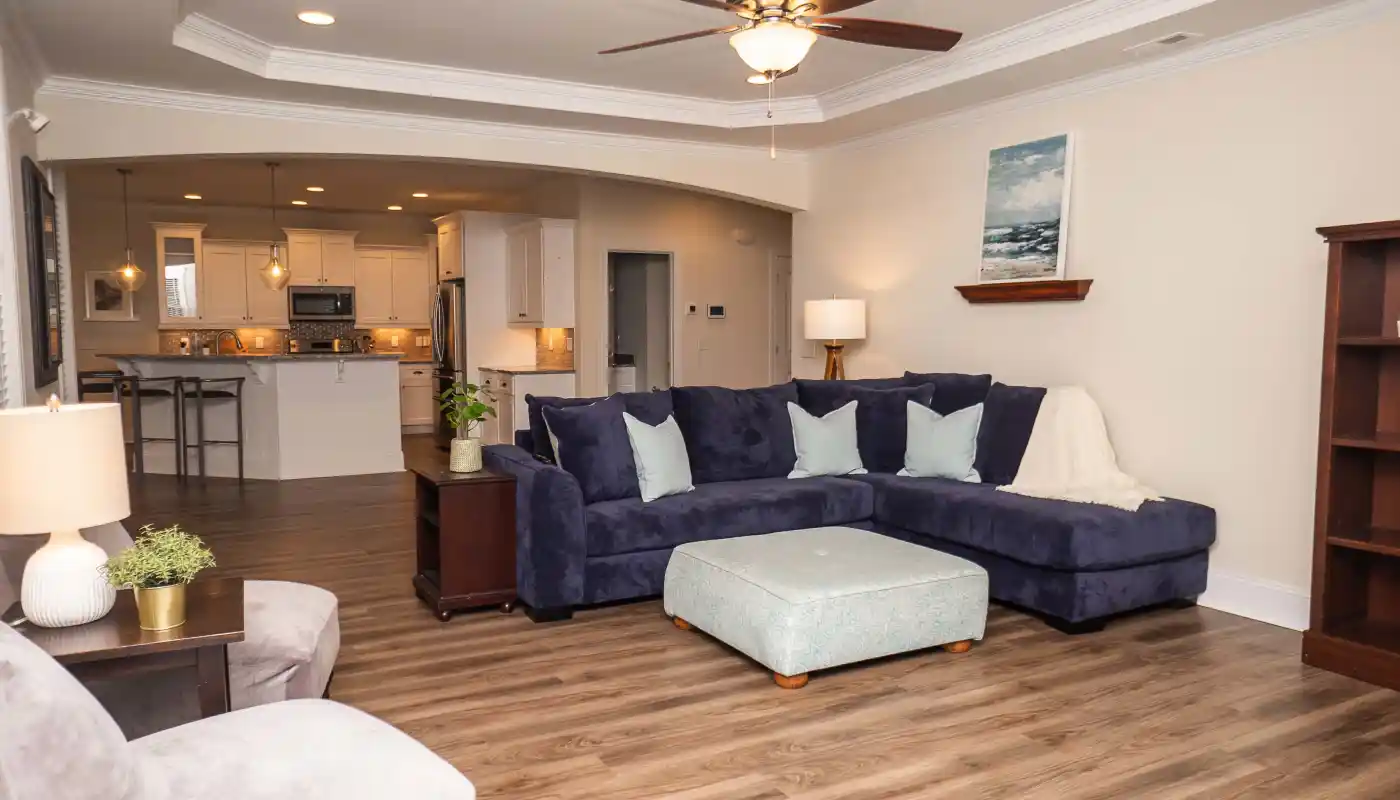


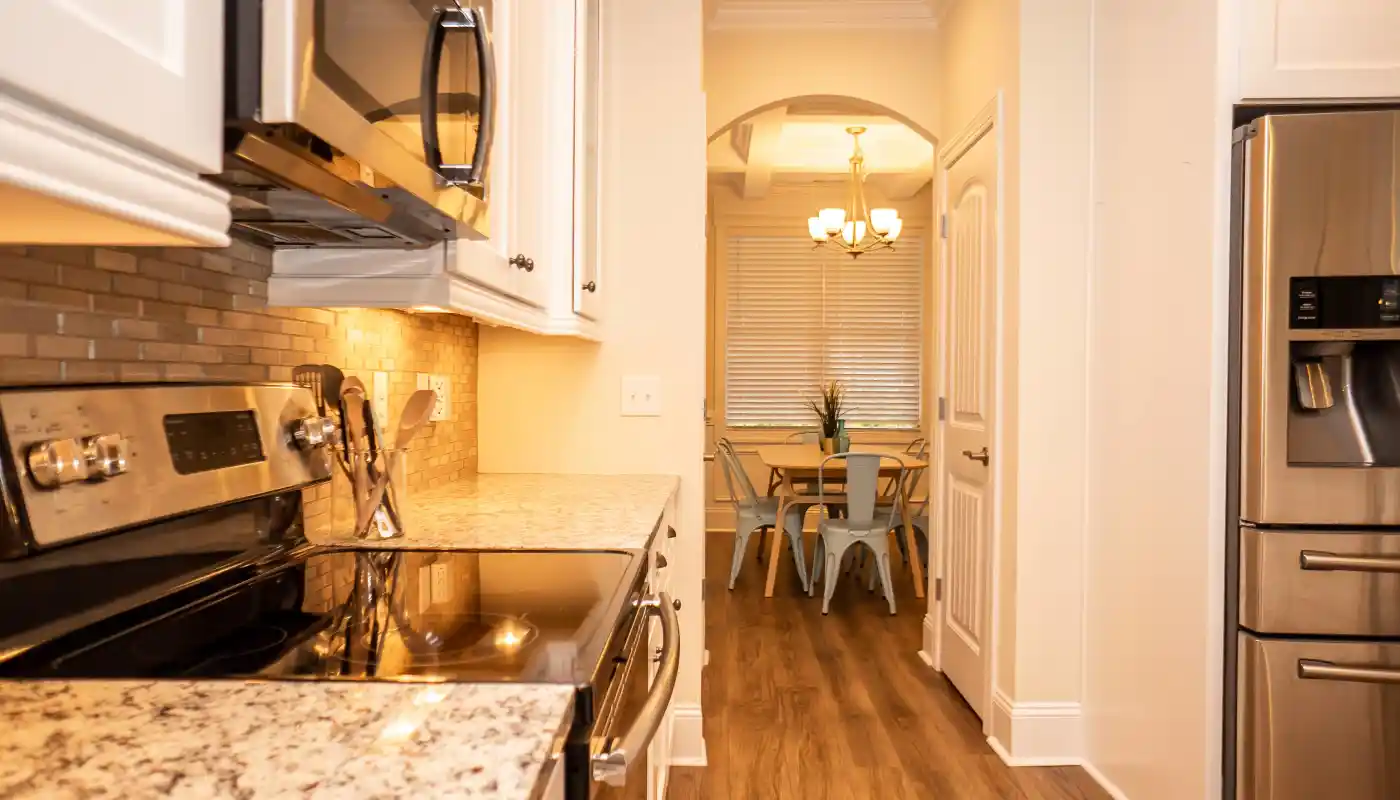
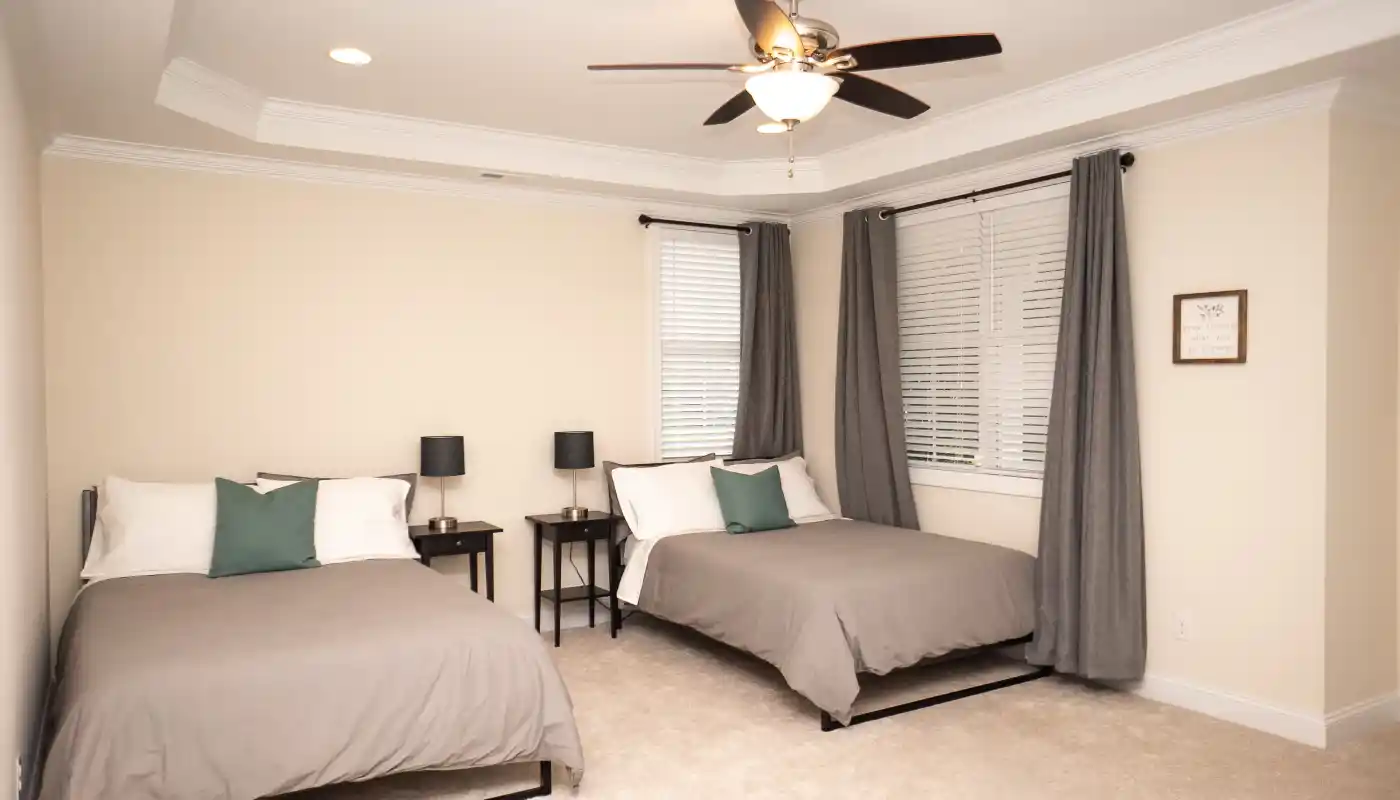
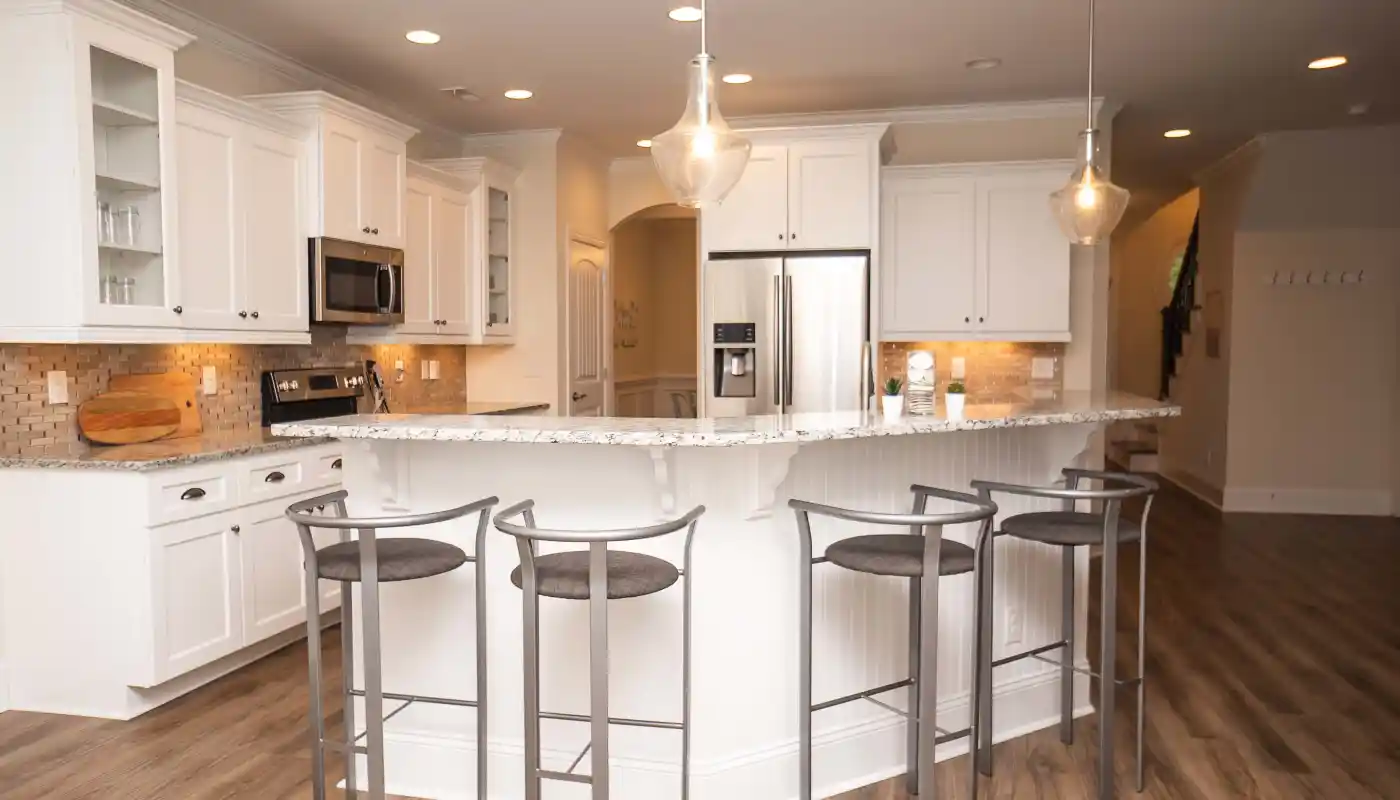


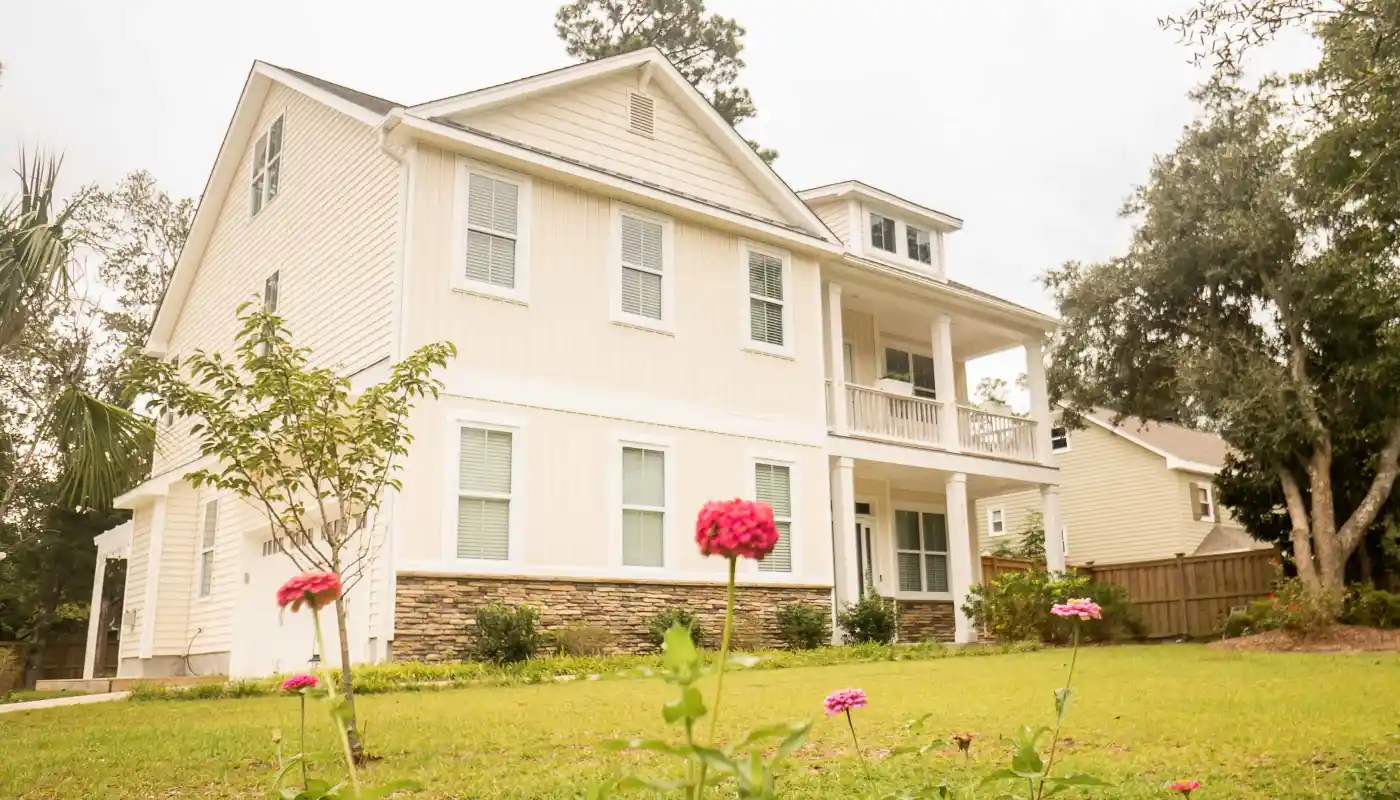
Momentum Recovery – The Cove offers addiction and mental health treatment for young women (age 18–35) in need of extended care and sober living. The Cove’s gender-specific program contains comprehensive clinical and life skills programming, from a holistic perspective. The young adult recovery community in the Wilmington area is incredibly active, offering lots of opportunities for fellowship, support, fun, and personal growth. The Cove encourages residents to form relationships with other people as they walk through the recovery process.
The Cove uses a dual-diagnosis approach to addiction treatment, which means they treat the addiction by addressing the underlying mental health conditions that contributed to the addiction. Therapies employed in the program consist of eye movement desensitization and reprocessing (EMDR), cognitive behavioral therapy (CBT), recreational therapy, yoga, and other evidence-based and experiential therapies. Female clinicians work individually with clients to uncover and heal trauma and other co-occurring disorders. Family members are also involved in the treatment process, in order to ensure comprehensive healing for the entire family system.
The Cove specializes in facilitating goal development and attainment in a therapeutic, adventurous setting. Their phased approach leads clients through an outpatient program, allowing them extended care to strengthen the skills learned in residential treatment. The Cove’s sober living component offers the community, support, and stability a young woman needs in early recovery. The final phase occurs when clients move out on their own, but with continued individual therapy sessions and regular drug tests, and further involvement in the Wilmington recovery community. In this phase, clients can continue to implement the tools they’ve learned while relying on the safety net that The Cove’s trusted clinicians and community can provide.

Women
Women only
Women only
Women attend treatment in a gender-specific facility, with treatment delivered in a safe, nourishing, and supportive environment for greater comfort.

Mental health is a complex health condition that requires a comprehensive, patient-centered approach to treatment that ensures you receive the appropriate care at the right time, based on your individual needs.

Typically the initial stage of treatment for substance use, focusing on medically supervised management of withdrawal symptoms.
An intensive program offering 24 hour care and a variety of therapeutic services in a residential setting.

Transitional housing designed to support individuals recovering from substance use disorders offering a safe, supportive and structured environment for practicing long-term sobriety, while reintegrating back into daily living.
Treatment programming allowing patients to receive care without staying in a hospital or inpatient facility, providing a variety of therapeutic and medical services.

Alcohol
Alcohol
Using alcohol as a coping mechanism, or drinking excessively throughout the week, signals an alcohol use disorder.
Co-Occurring Disorders
Co-Occurring Disorders
A person with multiple mental health diagnoses, such as addiction and depression, has co-occurring disorders also called dual diagnosis.
Drug Addiction
Drug Addiction
Drug addiction is the excessive and repetitive use of substances, despite harmful consequences to a person’s life, health, and relationships.
Women only
Women only
Women attend treatment in a gender-specific facility, with treatment delivered in a safe, nourishing, and supportive environment for greater comfort.
1-on-1 Counseling
1-on-1 Counseling
Patient and therapist meet 1-on-1 to work through difficult emotions and behavioral challenges in a personal, private setting.
Cognitive Behavioral Therapy
Experiential Therapy
Experiential Therapy
With this approach, patients heal by doing. Therapists help patients process difficult emotions to speak, using guided activities like art or dance.
Eye Movement Therapy (EMDR)
Eye Movement Therapy (EMDR)
Lateral, guided eye movements help reduce the emotional reactions of retelling and reprocessing trauma, allowing intense feelings to dissipate.
Family Therapy
Family Therapy
Family therapy addresses group dynamics within a family system, with a focus on improving communication and interrupting unhealthy relationship patterns.
Horticultural Therapy
Horticultural Therapy
Gardening can be both meditative and inspiring. This therapy encourages social, emotional, and physical recovery.
Recreation Therapy
Recreation Therapy
In recreation therapy, recovery can be joyful. Patients practice social skills and work through emotional triggers by engaging in fun activities.
Group Therapy
Yoga
Yoga
Yoga is both a physical and spiritual practice. It includes a flow of movement, breathing techniques, and meditation.
Alcohol
Alcohol
Using alcohol as a coping mechanism, or drinking excessively throughout the week, signals an alcohol use disorder.
Benzodiazepines
Benzodiazepines
Benzodiazepines are prescribed to treat anxiety and sleep issues. They are highly habit forming, and their abuse can cause mood changes and poor judgement.
Co-Occurring Disorders
Co-Occurring Disorders
A person with multiple mental health diagnoses, such as addiction and depression, has co-occurring disorders also called dual diagnosis.
Cocaine
Cocaine
Cocaine is a stimulant with euphoric effects. Agitation, muscle ticks, psychosis, and heart issues are common symptoms of cocaine abuse.
Drug Addiction
Drug Addiction
Drug addiction is the excessive and repetitive use of substances, despite harmful consequences to a person’s life, health, and relationships.
Ecstasy
Ecstasy
Ecstasy is a stimulant that causes intense euphoria and heightened awareness. Abuse of this drug can trigger depression, insomnia, and memory problems.
Heroin
Heroin
Heroin is a highly addictive and illegal opioid. It can cause insomnia, collapsed veins, heart issues, and additional mental health issues.
Psychedelics
Psychedelics
Hallucinogenic drugs—like LSD—cause euphoria and increased sensory experiences. When abused, they can lead to depression and psychosis.
Marijuana
Methamphetamine
Methamphetamine
Methamphetamine, or meth, increases energy, agitation, and paranoia. Long-term use can result in severe physical and mental health issues.
Opioids
Opioids
Opioids produce pain-relief and euphoria, which can lead to addiction. This class of drugs includes prescribed medication and the illegal drug heroin.
Prescription Drugs
Prescription Drugs
It’s possible to abuse any drug, even prescribed ones. If you crave a medication, or regularly take it more than directed, you may have an addiction.
Synthetic Drugs
Synthetic Drugs
Synthetic drugs are made in a lab, unlike plant-based drugs like mushrooms. Most synthetic drugs are either stimulants or synthetic cannabinoids.

Gardens
Outdoor Space
Farming, Gardening
Boating Charters
Yoga
Yoga
Yoga is both a physical and spiritual practice. It includes a flow of movement, breathing techniques, and meditation.
Swimming
Wilmington, North Carolina, United States.
Top10 Rehabs is an independent organization that simplifies finding the best mental health and addiction treatment. Comprehensive profiles of over 2,500 rehab centers include insurance coverage, pricing, photos, reviews, and more. Choosing the best path to recovery has never been easier.