

Unclaimed
A state-of-the-art treatment facility offering personalized recovery plans and medical and psychiatric services to address addiction.

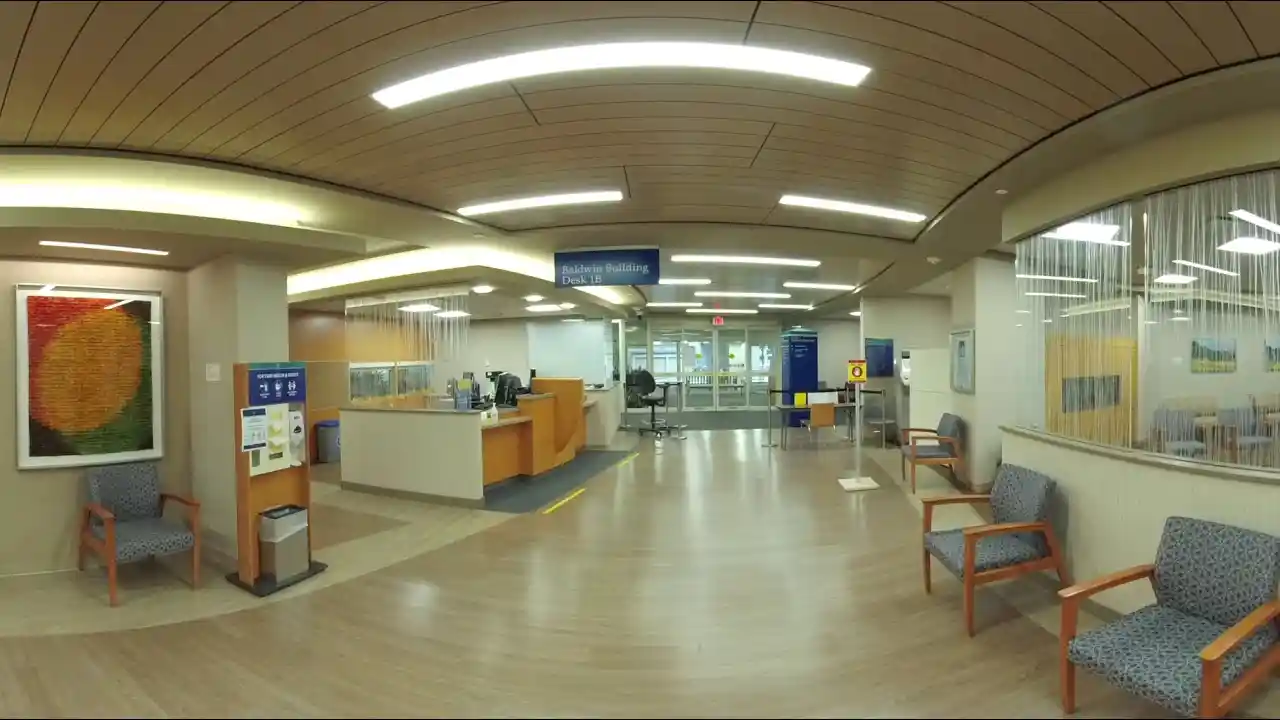

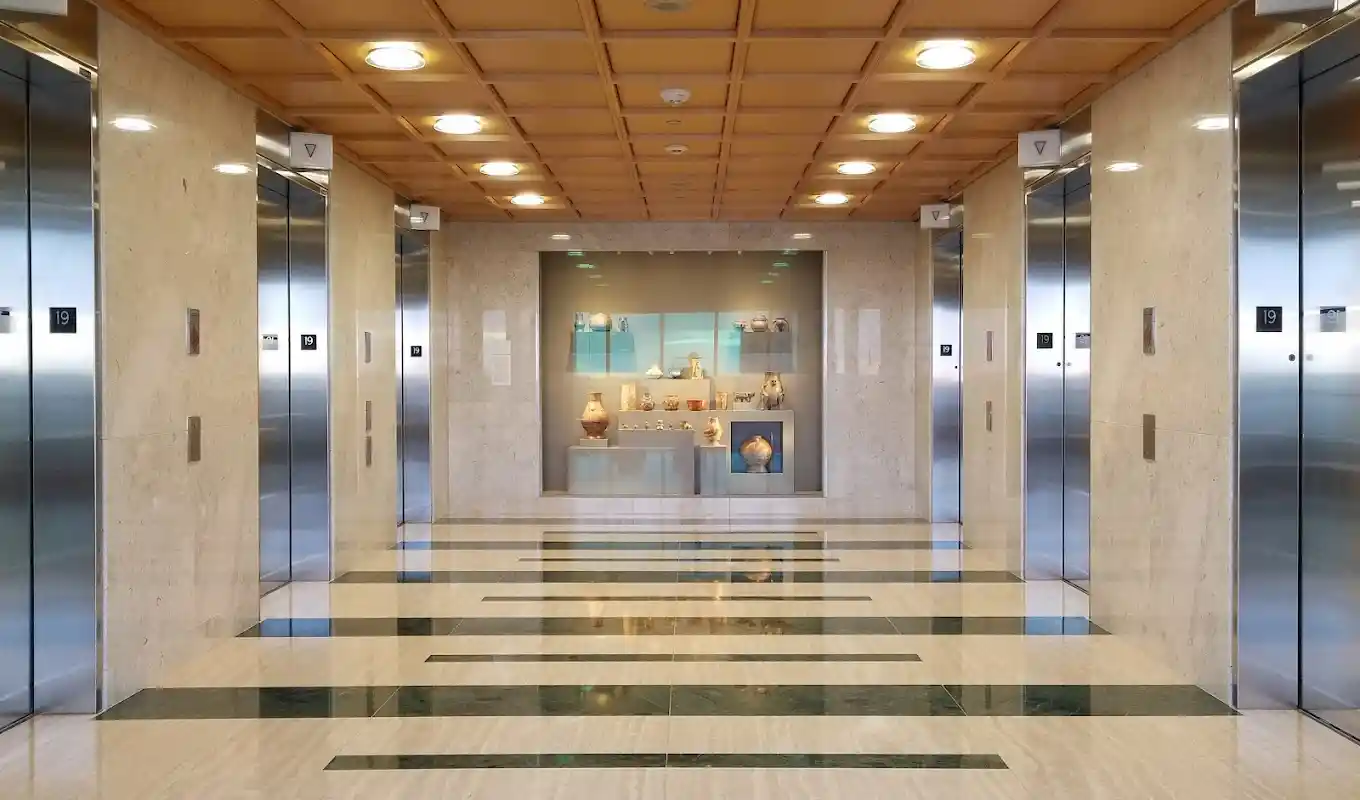
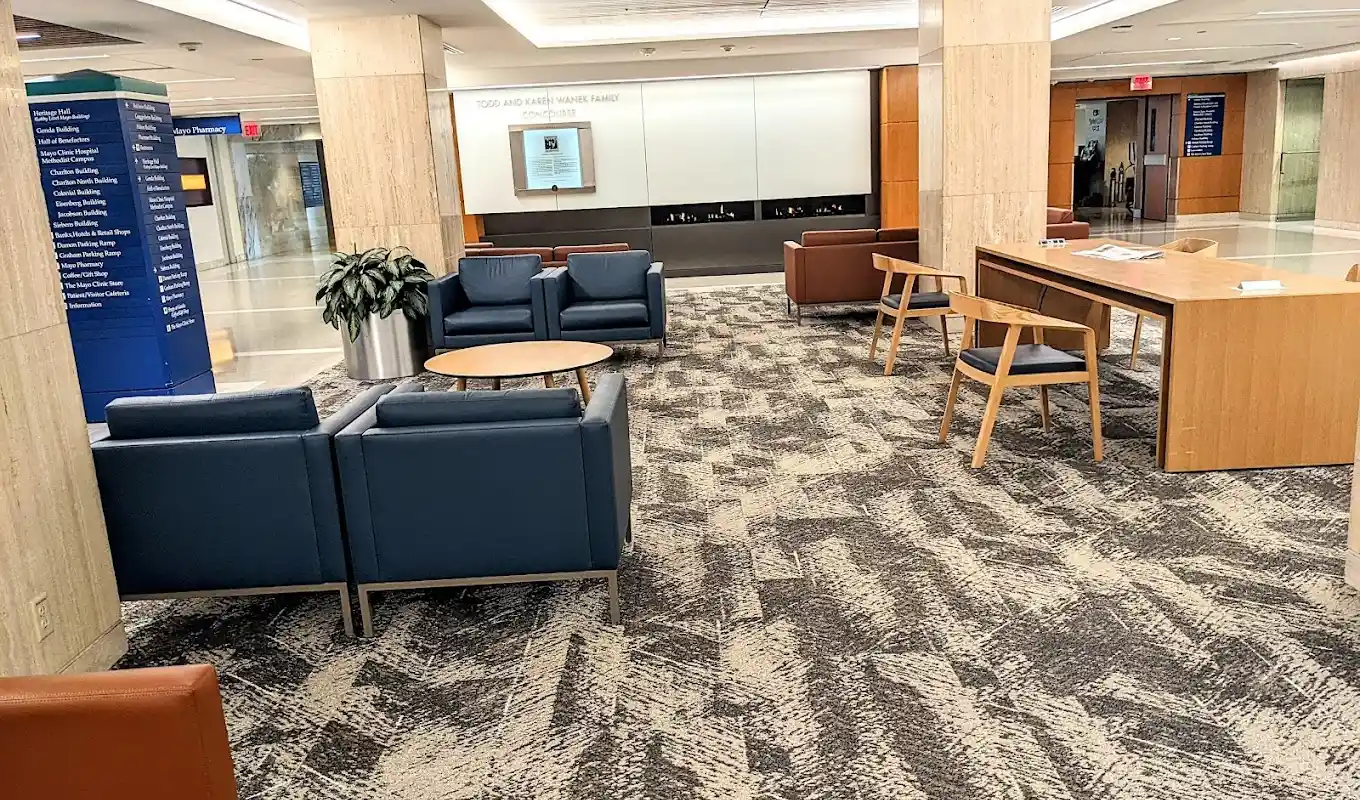
Mayo Clinic’s intensive addiction program specializes in residential treatment for drug and alcohol addictions, providing a healing environment for those seeking to overcome substance misuse and co-occurring mental health disorders. Their experienced and knowledgeable staff is made up of licensed mental health professionals and addiction counselors that will create personalized care plans tailored to each individual. The typical day at Mayo Clinic involves a variety of structured groups, using evidence-based and experiential therapies. Treatment may include meditation and mindfulness training, addiction education, individual counseling, coping skills, recreation therapy, and 12-Step support.
The outpatient addiction program at Mayo Clinic is designed for those who are ready to take a step down from residential care or do not require the intensity of inpatient treatment. The outpatient addiction program allows patients to continue to work on their recovery goals while attending 3 hours of group and individual therapy 5 days per week over a 4 week period. Some of the group therapy sessions cover subjects such as addiction education, relapse prevention, processing groups, and psychotherapy sessions. Addiction psychiatrists can oversee the management of medications that may be prescribed for addiction management, and also offers ongoing nursing assessments and lab testing to monitor sobriety. Patients may also participate in Friday family day, incorporating family members into the recovery process. When the outpatient program is done, the treatment team is there to assist individuals with finding the best level of continuing care.
Mayo Clinic offers several types of programs for patients who have completed primary treatment, allowing individuals to choose which program best meets their needs and providing a continuum of care. Their extended outpatient program is very similar to their outpatient addiction program and is for those who wish to continue with outpatient care after the initial 4 weeks is over. The early recovery program involves meeting 2 times a week for 6 weeks and includes educational, individual, and group therapies for patients who need less frequent care and support implementing the skills and strategies needed for long-term success in recovery. The recovery maintenance program at Mayo is their last stage of their continuum of care services. This program involves an opportunity for weekly group meetings and 1-on-1 sessions. Patients can participate in this maintenance program for up to 6 months, determined by each individual’s treatment plan. In addition to the continuing care programs, Mayo Clinic offers addiction services for healthcare professionals, such as doctors, nurses, pharmacists, and dentists seeking treatment for drug and alcohol dependency.
Provider’s Policy:Mayo Clinic may not be at the highest benefit level or participate in every product offering from the health plans listed below. Please contact the customer service department on the back of your member identification card to confirm that you have in-network access to Mayo Clinic.
Cigna’s unique history traces back to 1792, but today they offer services to 190 million customers in 30 different countries across the globe.
A leading healthcare provider serving over 100 million Americans as one of the largest insurance companies in the country.

Offering plans to individuals and businesses throughout the United States and in countries around the world.

One of the largest health insurance companies in the US, offering several health insurance options to individuals and businesses.


N/A
Men
N/A
Women
N/A
Executives
Executives
Executive treatment programs typically directly support the needs of people who manage businesses and may provide flexible schedules and office space to allow work during treatment.
Men and Women
Men and Women
Men and women attend treatment for addiction in a co-ed setting, going to therapy groups together to share experiences, struggles, and successes.
Professionals
Professionals
Busy, high-ranking professionals get the personalized treatment they need with greater accommodations for work, privacy, and outside communication.

Mental health is a complex health condition that requires a comprehensive, patient-centered approach to treatment that ensures you receive the appropriate care at the right time, based on your individual needs.

Typically the initial stage of treatment for substance use, focusing on medically supervised management of withdrawal symptoms.

The highest level of care, medically managed with 24-hour nursing and physician care in a residential or medically-based setting, and can include any combination of medication, counseling and therapy.
An intensive program offering 24 hour care and a variety of therapeutic services in a residential setting. An intensive program offering 24 hour care and a variety of therapeutic services in a residential setting.
Transitional housing designed to support individuals recovering from substance use disorders offering a safe, supportive and structured environment for practicing long-term sobriety, while reintegrating back into daily living.
Treatment programming allowing patients to receive care without staying in a hospital or inpatient facility, providing a variety of therapeutic and medical services.

Intensive Inpatient
Intensive Inpatient
The highest level of care, medically managed intensive inpatient services provides 24-hour nursing and physician care.
Addictions
N/A
Spiritual Care
Spiritual Care
Tending to spiritual health helps treatment become more effective, allowing patients to better cope with their emotions and rebuild their spiritual wellbeing.
Group Therapy
N/A
1-on-1 Counseling
1-on-1 Counseling
Patient and therapist meet 1-on-1 to work through difficult emotions and behavioral challenges in a personal, private setting.
Recreation Therapy
Recreation Therapy
In recreation therapy, recovery can be joyful. Patients practice social skills and work through emotional triggers by engaging in fun activities.
Twelve Step Facilitation
Twelve Step Facilitation
12-Step groups offer a framework for addiction recovery. Members commit to a higher power, recognize their issues, and support each other in the healing process.
Motivational Interviewing and Enhancement Therapy (MET)
Motivational Interviewing and Enhancement Therapy (MET)
This approach is based on idea that motivation to change comes from within. Providers use a conversational framework that may help you commit to recovery.
Relaxation Therapy
Relaxation Therapy
Muscle relaxation techniques relax mind and body. They can easily be practiced outside treatment, making it a valuable coping tool for continued recovery.
Meditation & Mindfulness
Meditation & Mindfulness
A practiced state of mind that brings patients to the present. It allows them to become fully aware of themselves, their feelings, and the present moment.
Prescription Drugs
Prescription Drugs
It’s possible to abuse any drug, even prescribed ones. If you crave a medication, or regularly take it more than directed, you may have an addiction.
Nicotine
N/A
Co-Occurring Disorders
Co-Occurring Disorders
A person with multiple mental health diagnoses, such as addiction and depression, has co-occurring disorders also called dual diagnosis.
Benzodiazepines
Benzodiazepines
Benzodiazepines are prescribed to treat anxiety and sleep issues. They are highly habit forming, and their abuse can cause mood changes and poor judgement.
Cocaine
Cocaine
Cocaine is a stimulant with euphoric effects. Agitation, muscle ticks, psychosis, and heart issues are common symptoms of cocaine abuse.
Methamphetamine
Methamphetamine
Methamphetamine, or meth, increases energy, agitation, and paranoia. Long-term use can result in severe physical and mental health issues.
Heroin
Heroin
Heroin is a highly addictive and illegal opioid. It can cause insomnia, collapsed veins, heart issues, and additional mental health issues.
Drug Addiction
Drug Addiction
Drug addiction is the excessive and repetitive use of substances, despite harmful consequences to a person’s life, health, and relationships.
Alcohol
Alcohol
Using alcohol as a coping mechanism, or drinking excessively throughout the week, signals an alcohol use disorder.
Drug Screening
N/A
Support Meetings
N/A
Ability to Call a Counselor
N/A
Alumni Reunions
N/A

Internet
N/A
Private or Shared Rooms
N/A
Shared Bathroom
N/A
Family Program
N/A
Rochester, Minnesota, United States.
Mayo Clinic may not be at the highest benefit level or participate in every product offering from the health plans listed below. Please contact the customer service department on the back of your member identification card to confirm that you have in-network access to Mayo Clinic..
The typical length is 30 days.
Top10 Rehabs is an independent organization that simplifies finding the best mental health and addiction treatment. Comprehensive profiles of over 2,500 rehab centers include insurance coverage, pricing, photos, reviews, and more. Choosing the best path to recovery has never been easier.