

Claimed
Top10 Rehabs has connected directly with this treatment provider to validate the information in their profile.
New England detox and residential treatment facility for drug and alcohol addiction.
Connect with Mayflower Recovery by calling their admissions team directly.

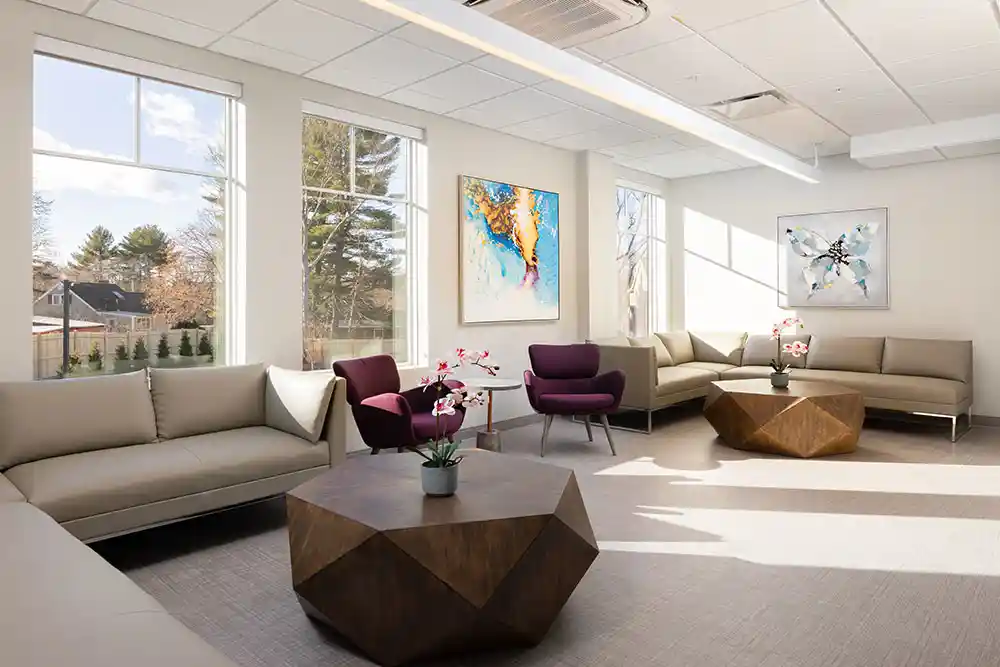
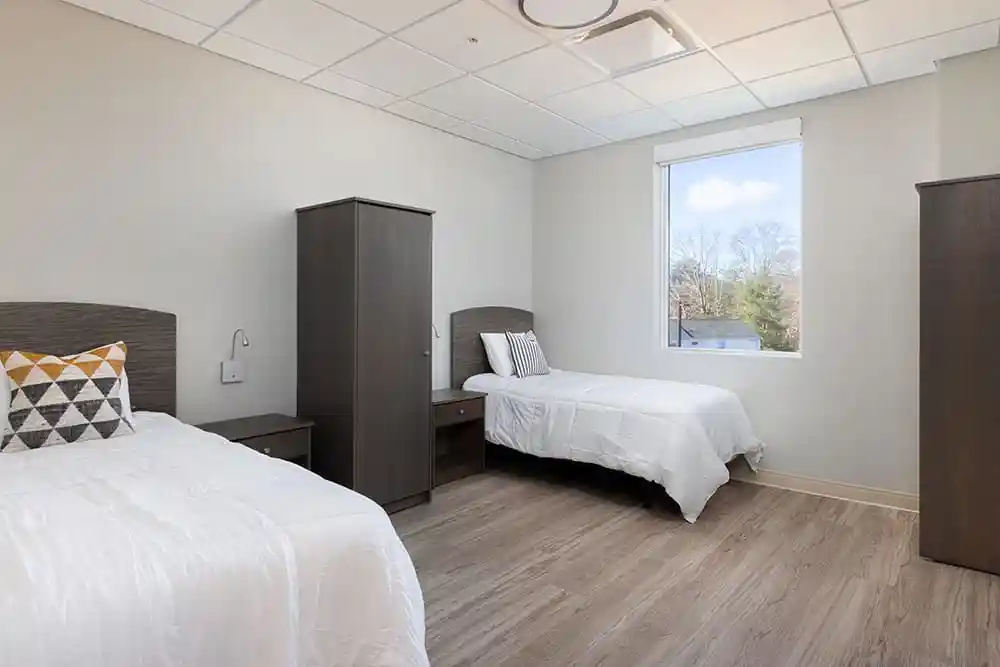
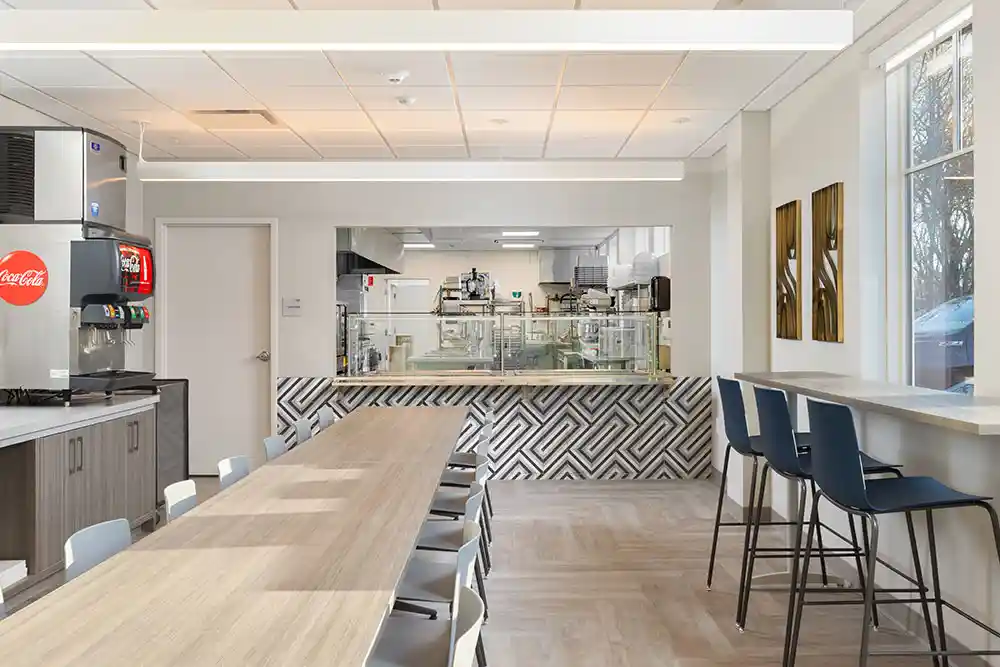
Mayflower Recovery provides on-site detox as well as post-detox residential treatment for those struggling with drug and alcohol addiction. Built in 2021, Mayflower’s 48-bed healthcare facility is staffed by doctors, nurses, and behavioral health professionals.
Mayflower offers personalized 1-on-1-therapy, substance use assessments, and medical and nursing evaluations and services. Group work is focused on substance use, relapse prevention, coping skills, motivation, and trigger identification. Couples and family therapy sessions help to establish stronger support structures and better understand the role family dynamics can play in addiction. Mayflower also incorporates educational seminars on mindfulness and self-care into their program.
Provider’s Policy:Our Rapid Intake team is here and ready to take your call, get your insurance verified, and get you started in one of our detox programs 24-hours a day/7 days a week.
Serving Rhode Island, Massachusetts, and Connecticut with affordable healthcare plans and partnership with Harvard Pilgrim Health Care.


Men
Women
Young Adults
Young Adults
Emerging adults ages 18-25 receive treatment catered to the unique challenges of early adulthood, like college, risky behaviors, and vocational struggles.
Men and Women
Men and Women
Men and women attend treatment for addiction in a co-ed setting, going to therapy groups together to share experiences, struggles, and successes.
Midlife Adults
Midlife Adults
For adults ages 40+, treatment shifts to focus on the unique challenges, blocks, and risk factors of their age group, and unites peers in a similar community.

Mental health is a complex health condition that requires a comprehensive, patient-centered approach to treatment that ensures you receive the appropriate care at the right time, based on your individual needs.

Typically the initial stage of treatment for substance use, focusing on medically supervised management of withdrawal symptoms.

An intensive program offering 24 hour care and a variety of therapeutic services in a residential setting.
Transitional housing designed to support individuals recovering from substance use disorders offering a safe, supportive and structured environment for practicing long-term sobriety, while reintegrating back into daily living.
Treatment programming allowing patients to receive care without staying in a hospital or inpatient facility, providing a variety of therapeutic and medical services.

Alcohol
Alcohol
Using alcohol as a coping mechanism, or drinking excessively throughout the week, signals an alcohol use disorder.
Cocaine
Cocaine
Cocaine is a stimulant with euphoric effects. Agitation, muscle ticks, psychosis, and heart issues are common symptoms of cocaine abuse.
Drug Addiction
Drug Addiction
Drug addiction is the excessive and repetitive use of substances, despite harmful consequences to a person’s life, health, and relationships.
Opioids
Opioids
Opioids produce pain-relief and euphoria, which can lead to addiction. This class of drugs includes prescribed medication and the illegal drug heroin.
Prescription Drugs
Prescription Drugs
It’s possible to abuse any drug, even prescribed ones. If you crave a medication, or regularly take it more than directed, you may have an addiction.
Evidence-Based
Evidence-Based
A combination of scientifically rooted therapies and treatments make up evidence-based care, defined by their measured and proven results.
Individual Treatment
Individual Treatment
Individual care meets the needs of each patient, using personalized treatment to provide them the most relevant care and greatest chance of success.
Family Involvement
Family Involvement
Providers involve family in the treatment of their loved one through family therapy, visits, or both–because addiction is a family disease.
Medical
Medical
Medical addiction treatment uses approved medications to manage withdrawals and cravings, and to treat contributing mental health conditions.
1-on-1 Counseling
1-on-1 Counseling
Patient and therapist meet 1-on-1 to work through difficult emotions and behavioral challenges in a personal, private setting.
Meditation & Mindfulness
Meditation & Mindfulness
A practiced state of mind that brings patients to the present. It allows them to become fully aware of themselves, their feelings, and the present moment.
Animal Therapy
Animal Therapy
Animals can inspire trust and self-worth. In this experiential therapy, guided interactions are used to improve social skills and emotion regulation.
Art Therapy
Art Therapy
Visual art invites patients to examine the emotions within their work, focusing on the process of creativity and its gentle therapeutic power.
Cognitive Behavioral Therapy
Couples Counseling
Couples Counseling
Partners work to improve their communication patterns, using advice from their therapist to better their relationship and make healthy changes.
DBT
DBT
This stage-based therapy helps patients address their realities and behaviors while inspiring healthy change, primarily in regulating emotions.
Equine Therapy
Equine Therapy
Guided interactions with trained horses, their handler, and a therapist can help patients improve their self-esteem, trust, empathy, and social skills.
Experiential Therapy
Experiential Therapy
With this approach, patients heal by doing. Therapists help patients process difficult emotions to speak, using guided activities like art or dance.
Family Therapy
Family Therapy
Family therapy addresses group dynamics within a family system, with a focus on improving communication and interrupting unhealthy relationship patterns.
Life Skills
Life Skills
Teaching life skills like cooking, cleaning, clear communication, and even basic math provides a strong foundation for continued recovery.
Medication-Assisted Treatment
Medication-Assisted Treatment
Combined with behavioral therapy, prescribed medications can enhance treatment by relieving withdrawal symptoms and focus patients on their recovery.
Mindfulness-Based Cognitive Therapy
Mindfulness-Based Cognitive Therapy
MBCT combines mindfulness practices—like meditation—with cognitive therapy techniques to help patients work through negative thought patterns.
Motivational Interviewing
Motivational Interviewing
Based on the idea that motivation to change comes from within, providers use a conversational framework to discover personalized methods for change.
Motivational Interviewing and Enhancement Therapy (MET)
Motivational Interviewing and Enhancement Therapy (MET)
This approach is based on idea that motivation to change comes from within. Providers use a conversational framework that may help you commit to recovery.
Music Therapy
Music Therapy
Singing, performing, and even listening to music can be therapeutic. Music therapy sessions are facilitated by certified counselors.
Narrative Therapy
Narrative Therapy
Through narrative therapy, patients rewrite past events with a positive focus. They separate themselves from the problem to see their purpose and capabilities.
Nutrition Counseling
Nutrition Counseling
Nutritious food helps patients heal from within, setting them up for mental and bodily wellness as they learn about healthy eating.
Psychoeducation
Psychoeducation
This method combines treatment with education, teaching patients about different paths toward recovery. This empowers them to make more effective decisions.
Recreation Therapy
Recreation Therapy
In recreation therapy, recovery can be joyful. Patients practice social skills and work through emotional triggers by engaging in fun activities.
Relapse Prevention Counseling
Relapse Prevention Counseling
Relapse prevention counselors teach patients to recognize the signs of relapse and reduce their risk.
Solution Focused and Goal-Oriented Therapy
Solution Focused and Goal-Oriented Therapy
A quick goal-oriented therapy that helps patients identify their current and future goals, find out how to achieve them, and empower future problem-solving.
Solution Focused, Goal-Oriented Therapy
Solution Focused, Goal-Oriented Therapy
A quick goal-oriented therapy that helps patients identify their current and future goals, find out how to achieve them, and empower future problem-solving.
Spiritual Care
Spiritual Care
Tending to spiritual health helps treatment become more effective, allowing patients to better cope with their emotions and rebuild their spiritual wellbeing.
Twelve Step Facilitation
Twelve Step Facilitation
12-Step groups offer a framework for addiction recovery. Members commit to a higher power, recognize their issues, and support each other in the healing process.
Dialectical Behavior Therapy
Group Therapy
Yoga
Yoga
Yoga is both a physical and spiritual practice. It includes a flow of movement, breathing techniques, and meditation.
Addictions
Prescription Drugs
Prescription Drugs
It’s possible to abuse any drug, even prescribed ones. If you crave a medication, or regularly take it more than directed, you may have an addiction.
Nicotine
Cocaine
Cocaine
Cocaine is a stimulant with euphoric effects. Agitation, muscle ticks, psychosis, and heart issues are common symptoms of cocaine abuse.
Benzodiazepines
Benzodiazepines
Benzodiazepines are prescribed to treat anxiety and sleep issues. They are highly habit forming, and their abuse can cause mood changes and poor judgement.
Ecstasy
Ecstasy
Ecstasy is a stimulant that causes intense euphoria and heightened awareness. Abuse of this drug can trigger depression, insomnia, and memory problems.
Opioids
Opioids
Opioids produce pain-relief and euphoria, which can lead to addiction. This class of drugs includes prescribed medication and the illegal drug heroin.
Alcohol
Alcohol
Using alcohol as a coping mechanism, or drinking excessively throughout the week, signals an alcohol use disorder.
Methamphetamine
Methamphetamine
Methamphetamine, or meth, increases energy, agitation, and paranoia. Long-term use can result in severe physical and mental health issues.
Heroin
Heroin
Heroin is a highly addictive and illegal opioid. It can cause insomnia, collapsed veins, heart issues, and additional mental health issues.
Psychedelics
Psychedelics
Hallucinogenic drugs—like LSD—cause euphoria and increased sensory experiences. When abused, they can lead to depression and psychosis.
Marijuana
Synthetic Drugs
Synthetic Drugs
Synthetic drugs are made in a lab, unlike plant-based drugs like mushrooms. Most synthetic drugs are either stimulants or synthetic cannabinoids.
Drug Addiction
Drug Addiction
Drug addiction is the excessive and repetitive use of substances, despite harmful consequences to a person’s life, health, and relationships.
Drug Screening
Family Follow-up Counseling
Support Meetings
Follow-up Sessions (online)
Recovery Coach
Fitness Sessions
Return Visits
Follow-up Sessions (in-person)
Outpatient Treatment
Aftercare Recovery Coach
Family Follow-up Counseling
Aftercare Home Support
Ability to Call a Counselor
Alumni Events & Get-Togethers
Follow-up Sessions (in-person)
Private, Online Alumni Groups
Professional Re-entry Support
Support Meetings (on-site)
Aftercare Group Therapy

Air-Conditioned Rooms
Bathroom Essentials (towels, soap, shampoo)
Desk
Housekeeping
Snacks
TV
Access to Nature
Basketball Court
Gourmet Dining
Library
Outdoor Dining
Recreation Room
Dietary Accommodations
Vegan
Vegetarian
Gluten-Free
Executive Program
Executive Program
Addiction and mental health treatment for executives typically involves high discretion, greater technology access, and more private, 1-on-1 care.
Wheelchair Accessible
Yoga
Yoga
Yoga is both a physical and spiritual practice. It includes a flow of movement, breathing techniques, and meditation.
AA/NA Meetings
Games
Movies
Museums
Adventure Outings
Beach Walks
Hiking
Horseback Riding
Physical Fitness
Swimming
Beach Access
Pool
Airport Transfers
Arcade
Basketball Court
Bowling Alley
Fitness Center
Gardens
Library
Salon
Sauna
Spa
Tennis Court
Theater
Virtual Golf
Walking Trails
Wilmington, Massachusetts, United States.
Our Rapid Intake team is here and ready to take your call, get your insurance verified, and get you started in one of our detox programs 24-hours a day/7 days a week..
The typical length is 30 Days.
Yes, services include detox (on-site with residential).
Top10 Rehabs is an independent organization that simplifies finding the best mental health and addiction treatment. Comprehensive profiles of over 2,500 rehab centers include insurance coverage, pricing, photos, reviews, and more. Choosing the best path to recovery has never been easier.