This provider’s information has been quality-checked by RehabPath’s Research Team for accuracy and completeness, including data verification through appropriate third-party organizations.
View This Center’s Verified License



Verified

Provider’s Policy
Covered plans and verification of benefits.

$24,500+
A special 3-Phase program delivers treatment for addiction and mental health, tailoring recovery to each client in a luxurious 4-story facility by the beach.
Highlights


Connect with Immersion Recovery Center by calling their admissions team directly.













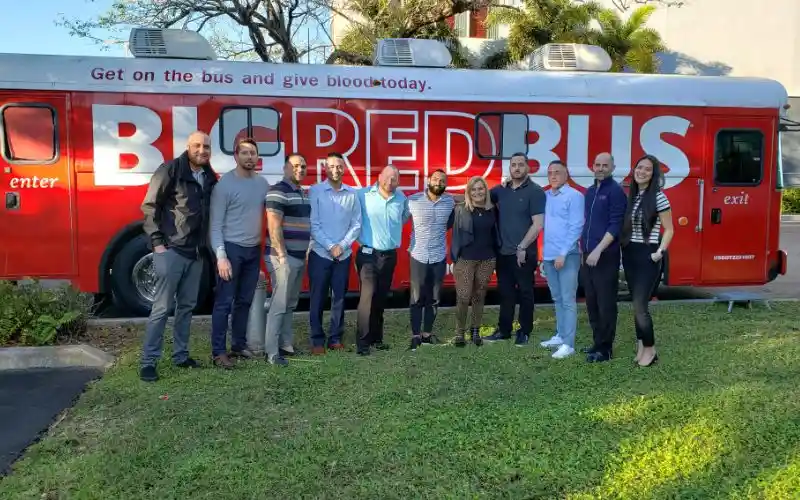
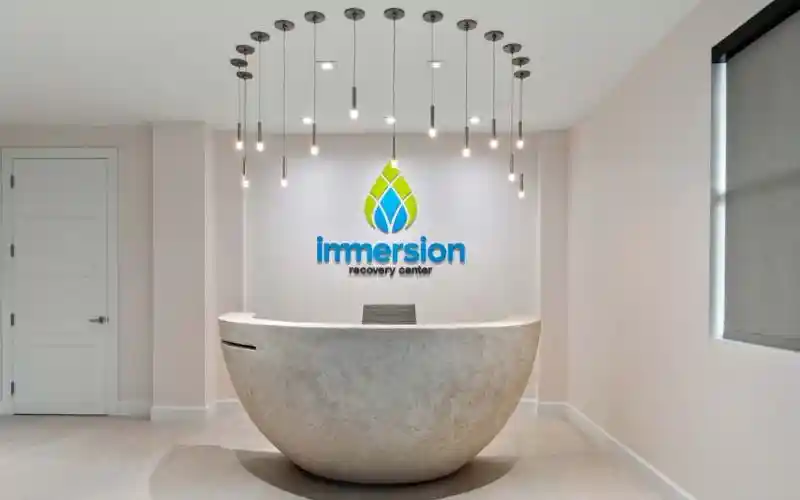




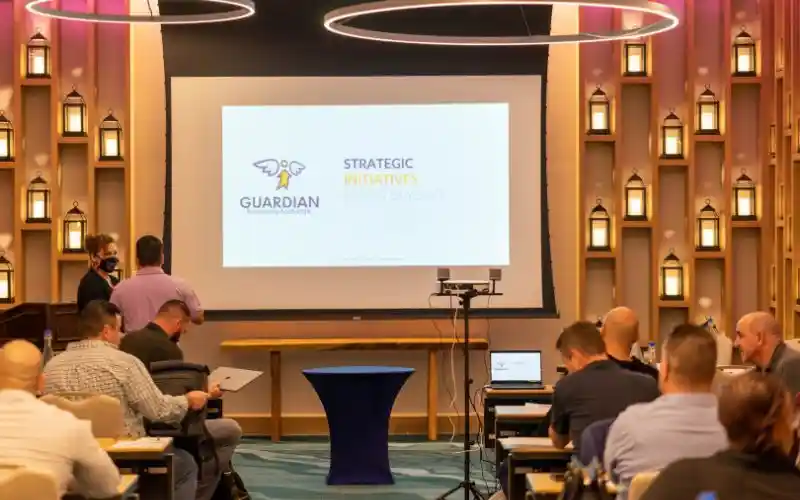

Immersion Recovery Center is part of the Guardian Recovery Network (GRN), a leader in substance use disorder treatment with 2 decades of experience providing a full continuum of care for clients and their families. They use a combination of evidence-based practices and holistic methods to provide an individualized recovery experience for each client. Clients will have the opportunity to engage in 12-Step facilitation, traditional talk therapy, acupuncture, life skills training, recreational outings, yoga, and much more.
Immersion Recovery offers medical detox, residential care, and aftercare planning using a 3-phase approach. Phase 1 focuses on detox, residential care, and stabilization. Phase 2 gets clients motivated for recovery in partial hospitalization (PHP). Phase 3 centers around reintegration and outpatient care. These phases can stretch out to a year of treatment, or shorten for a speedier track to recovery. The time spent in each phase is up to each client and their clinical team.
Families join their loved one in therapeutic care, as desired. Immersion Recovery holds family workshops and family therapy, helping families become the recovery allies they strive to be. Educational and healing lectures bring clarity and hope. Clients can enjoy this aspect of treatment in residential care, PHP, and Immersion’s outpatient services.
Located in Delray Beach, Florida, Immersion Recovery’s home has 4 stories of luxury accommodations. Their home offers shared and private bedrooms, therapy rooms, a large common area, communal dining area, and a lounge for relaxing and socializing, plus an outdoor swimming pool with a patio. Clients can enjoy grilling on the outdoor barbecue, playing volleyball in the backyard, and having movie nights in the living room. Throughout their recovery experience, Immersion prioritizes relapse prevention and teaching the coping skills clients need outside treatment. Combined with their well-rounded approach, clients leave with a secure grasp on recovery and a renewed sense of self and hope.
Immersion Recovery Center is LegitScript certified, accredited by the Joint Commission, and recognized by the Greater Delray Beach Chamber of Commerce.
Provider’s Policy:Immersion Recovery Center offers free no obligation insurance benefits checks. They most likely accept your health insurance plan.

With roots in the health field dating back to 1961, Humana is a trusted insurance provider that proudly serves over 20 million Americans.
A leading healthcare provider serving over 100 million Americans as one of the largest insurance companies in the country.
Carelon Behavioral Health, formerly Beacon Health Options, is headquartered in Boston, Massachusetts and serves over 40 million people.
One of the largest health insurance companies in the US, offering several health insurance options to individuals and businesses.

Founded in 1946, Anthem is the 4th largest public managed health care company in the United States and serves over 46 million clients.

Founded in 1996, Highmark helps 7 million customers all across the eastern half of the United States get quality care.


Immersion Recovery’s 3-Phase program takes clients through comprehensive stages of recovery, starting with detox and stabilization in their residential setting. Each phase typically lasts 28 days, with phase 3 lasting as long as clients see fit. From inpatient to partial hospitalization to outpatient, each client enjoys a wholly personalized and intensive approach to lasting recovery.

Immersion Recovery uses a combination of clinical, evidence-based, and 12-Step care to best meet the needs of each client. A clinical assessment during the admissions process helps Immersion’s team create an effective treatment plan using their resources, taking into account the preferences and desires of each client. With this approach, clients can experience a bit of each treatment modality, from 12-Step to holistic, and find what’s best for them.
Understanding the needs of executive clientele, Immersion Recovery offers an executive-focused treatment plan that allows greater tech access and privacy. CEOs, entrepreneurs, celebrities, and others who require a private space to work can do so at Immersion. For families, Immersion Recovery offers a specific family program with family therapy and family workshops.
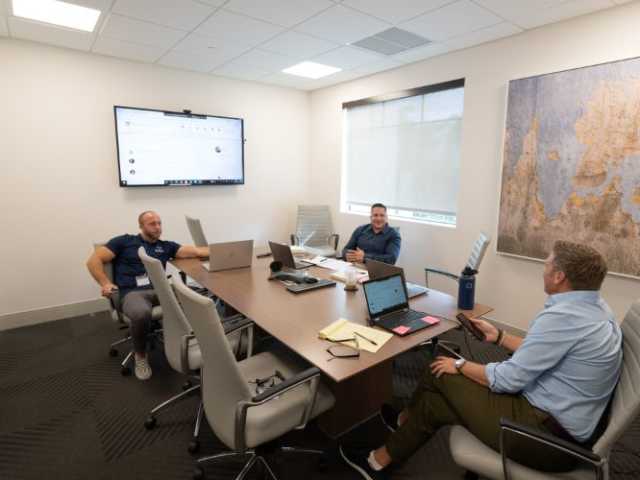

Immersion Recovery treats addiction and co-occurring mental health conditions, knowing that the two often occur simultaneously. Their clinical and therapeutic staff help ensure each area receives care, aiming to heal what’s behind addiction for lasting results and hope.
RehabPath verified that the name, location, contact information and license to operate for this treatment provider are valid and up-to-date. Immersion Recovery Center has verified the information on this page to be accurate.
RehabPath is an independent, third-party mental health resource. Verification does not imply endorsement and does not guarantee the quality of treatment services

$34,500 | 28 days – Phase 1
$24,500 | 28 days – Phase 2
$5,600 | 30 days – Phase 3
$1,000 | 1 night – Detox
$2,000 | 1 night – Executive Detox
Extended options available
Men
N/A
Women
N/A
Executives
Executives
Executive treatment programs typically directly support the needs of people who manage businesses and may provide flexible schedules and office space to allow work during treatment.
LGBTQ+
LGBTQ+
Addiction and mental illnesses in the LGBTQ+ community must be treated with an affirming, safe, and relevant approach, which many centers provide.
Professionals
Professionals
Busy, high-ranking professionals get the personalized treatment they need with greater accommodations for work, privacy, and outside communication.

Alcohol
Alcohol
Using alcohol as a coping mechanism, or drinking excessively throughout the week, signals an alcohol use disorder.
Co-Occurring Disorders
Co-Occurring Disorders
A person with multiple mental health diagnoses, such as addiction and depression, has co-occurring disorders also called dual diagnosis.
Drug Addiction
Drug Addiction
Drug addiction is the excessive and repetitive use of substances, despite harmful consequences to a person’s life, health, and relationships.
Executive Program
Executive Program
Drug addiction is the excessive and repetitive use of substances, despite harmful consequences to a person’s life, health, and relationships.
Opioids
Opioids
Opioids produce pain-relief and euphoria, which can lead to addiction. This class of drugs includes prescribed medication and the illegal drug heroin.
Twelve Step
Twelve Step
Incorporating spirituality, community, and responsibility, 12-Step philosophies prioritize the guidance of a Higher Power and a continuation of 12-Step practices.
Gender-Specific
Gender-Specific
Separate treatment for men or women can create strong peer connections and remove barriers related to trauma, shame, and gender-specific nuances.
Detox
Detox
Detox fully and safely removes toxic substances from the body, allowing the next steps in treatment to begin with a clean slate.
Day Treatment
Day Treatment
In a PHP, patients live at home but follow an intensive schedule of treatment. Most programs require you to be on-site for about 40 hours per week.
Detox
Detox
Detox fully and safely removes toxic substances from the body, allowing the next steps in treatment to begin with a clean slate.
Intensive Outpatient Program
Intensive Outpatient Program
In an IOP, patients live at home, but attend treatment for up to 30 hours a week. Most programs include talk therapy, support groups, and other methods.
Outpatient Program
Outpatient Program
During outpatient rehab, patients attend a structured treatment program while continuing to live at home.
Residential
Residential
In a residential rehab program, patients live onsite, with access to daily treatment and 24-hour care. An average stay is 30-90 days.
Outpatient Therapy
N/A
Evidence-Based
Evidence-Based
A combination of scientifically rooted therapies and treatments make up evidence-based care, defined by their measured and proven results.
Twelve Step
Twelve Step
Incorporating spirituality, community, and responsibility, 12-Step philosophies prioritize the guidance of a Higher Power and a continuation of 12-Step practices.
Family Involvement
Family Involvement
Providers involve family in the treatment of their loved one through family therapy, visits, or both–because addiction is a family disease.
Medical
Medical
Medical addiction treatment uses approved medications to manage withdrawals and cravings, and to treat contributing mental health conditions.
Acupuncture
N/A
Stress Management
Stress Management
Patients learn specific stress management techniques, like breathing exercises and how to safely anticipate triggers.
Spiritual Care
Spiritual Care
Tending to spiritual health helps treatment become more effective, allowing patients to better cope with their emotions and rebuild their spiritual wellbeing.
Group Therapy
N/A
1-on-1 Counseling
1-on-1 Counseling
Patient and therapist meet 1-on-1 to work through difficult emotions and behavioral challenges in a personal, private setting.
Mindfulness Therapy
Mindfulness Therapy
This ancient practice can be mental, emotional, and even spiritual. In meditation, you focus your attention on the present moment without judgement.
Life Skills
Life Skills
Teaching life skills like cooking, cleaning, clear communication, and even basic math provides a strong foundation for continued recovery.
Introduction to the 12 Step Program
N/A
Cognitive Behavioral Therapy
N/A
Relapse Prevention Counseling
Relapse Prevention Counseling
Relapse prevention counselors teach patients to recognize the signs of relapse and reduce their risk.
Reiki
Reiki
Hand placements or light touches over the body aim to strengthen patients’ life energy, guided by a Reiki therapist with expertise in this Eastern medicine.
Experiential Therapy
Experiential Therapy
With this approach, patients heal by doing. Therapists help patients process difficult emotions to speak, using guided activities like art or dance.
Recreation Therapy
Recreation Therapy
In recreation therapy, recovery can be joyful. Patients practice social skills and work through emotional triggers by engaging in fun activities.
Twelve Step Facilitation
Twelve Step Facilitation
12-Step groups offer a framework for addiction recovery. Members commit to a higher power, recognize their issues, and support each other in the healing process.
Equine Therapy
Equine Therapy
Guided interactions with trained horses, their handler, and a therapist can help patients improve their self-esteem, trust, empathy, and social skills.
Medication-Assisted Treatment
Medication-Assisted Treatment
Combined with behavioral therapy, prescribed medications can enhance treatment by relieving withdrawal symptoms and focus patients on their recovery.
Family Therapy
Family Therapy
Family therapy addresses group dynamics within a family system, with a focus on improving communication and interrupting unhealthy relationship patterns.
Motivational Interviewing and Enhancement Therapy (MET)
Motivational Interviewing and Enhancement Therapy (MET)
A practiced state of mind that brings patients to the present. It allows them to become fully aware of themselves, their feelings, and the present moment.
Yoga
Yoga
Yoga is both a physical and spiritual practice. It includes a flow of movement, breathing techniques, and meditation.
Art Therapy
Art Therapy
Visual art invites patients to examine the emotions within their work, focusing on the process of creativity and its gentle therapeutic power.
Eye Movement Therapy (EMDR)
Eye Movement Therapy (EMDR)
Lateral, guided eye movements help reduce the emotional reactions of retelling and reprocessing trauma, allowing intense feelings to dissipate.
Prescription Drugs
Prescription Drugs
It’s possible to abuse any drug, even prescribed ones. If you crave a medication, or regularly take it more than directed, you may have an addiction.
Nicotine
N/A
Co-Occurring Disorders
Co-Occurring Disorders
A person with multiple mental health diagnoses, such as addiction and depression, has co-occurring disorders also called dual diagnosis.
Benzodiazepines
Benzodiazepines
Benzodiazepines are prescribed to treat anxiety and sleep issues. They are highly habit forming, and their abuse can cause mood changes and poor judgement.
Ecstasy
Ecstasy
Ecstasy is a stimulant that causes intense euphoria and heightened awareness. Abuse of this drug can trigger depression, insomnia, and memory problems.
Grief and Loss
Grief and Loss
Grief is a natural reaction to loss, but severe grief can interfere with your ability to function. You can get treatment for this condition.
Opioids
Opioids
Opioids produce pain-relief and euphoria, which can lead to addiction. This class of drugs includes prescribed medication and the illegal drug heroin.
Codependency
Codependency
Codependency is a pattern of emotional dependence and controlling behavior. It’s most common among people with addicted loved ones.
Cocaine
Cocaine
Cocaine is a stimulant with euphoric effects. Agitation, muscle ticks, psychosis, and heart issues are common symptoms of cocaine abuse.
Methamphetamine
Methamphetamine
Methamphetamine, or meth, increases energy, agitation, and paranoia. Long-term use can result in severe physical and mental health issues.
Heroin
Heroin
Heroin is a highly addictive and illegal opioid. It can cause insomnia, collapsed veins, heart issues, and additional mental health issues.
Psychedelics
Psychedelics
Hallucinogenic drugs—like LSD—cause euphoria and increased sensory experiences. When abused, they can lead to depression and psychosis.
Post Traumatic Stress Disorder
Post Traumatic Stress Disorder
PTSD is a long-term mental health issue caused by a disturbing event or events. Symptoms include anxiety, dissociation, flashbacks, and intrusive thoughts.
Marijuana
N/A
Synthetic Drugs
Synthetic Drugs
Synthetic drugs are made in a lab, unlike plant-based drugs like mushrooms. Most synthetic drugs are either stimulants or synthetic cannabinoids.
Depression
Depression
Symptoms of depression may include fatigue, a sense of numbness, and loss of interest in activities. This condition can range from mild to severe.
Drug Addiction
Drug Addiction
Drug addiction is the excessive and repetitive use of substances, despite harmful consequences to a person’s life, health, and relationships.
Alcohol
Alcohol
Using alcohol as a coping mechanism, or drinking excessively throughout the week, signals an alcohol use disorder.
Chronic Relapse
Chronic Relapse
Consistent relapse occurs repeatedly, after partial recovery from addiction. This condition requires long-term treatment.
Anxiety
Anxiety
Anxiety is a common mental health condition that can include excessive worry, panic attacks, physical tension, and increased blood pressure.
Bipolar
Bipolar
This mental health condition is characterized by extreme mood swings between depression, mania, and remission.
Chronic Pain Management
Chronic Pain Management
Long-term physical pain can have an affect on mental health. Without support, it can also impact your daily life and even lead to addiction.
Stress
Stress
Stress is a natural reaction to challenges, and it can even help you adapt. However, chronic stress can cause physical and mental health issues.
Anger
Anger
Although anger itself isn’t a disorder, it can get out of hand. If this feeling interferes with your relationships and daily functioning, treatment can help.
Trauma
Trauma
Some traumatic events are so disturbing that they cause long-term mental health problems. Those ongoing issues can also be referred to as “trauma.”
Burnout
Burnout
Burnout entails mental and physical exhaustion, and leads to a severe lack of fulfillment. This condition is often caused by overwork.
N/A
Aftercare Recovery Coach
N/A
Family Follow-up Counseling
N/A
Aftercare Home Support
N/A
Follow-up Sessions (online)
N/A
Relapse Prevention Planning
N/A
Aftercare App
N/A
Return Visits
N/A
Ability to Call a Counselor
N/A
Alumni Events & Get-Togethers
N/A
Sober Companion
N/A
Alumni Reunions
N/A
Private, Online Alumni Groups
N/A
Medication Assistance
N/A
Support Meetings (on-site)
N/A
Aftercare Group Therapy
N/A

Room Service
N/A
Personal Fitness Trainer
N/A
Air-Conditioned Rooms
N/A
Armchair or Sofa
N/A
Bathroom Essentials (towels, soap, shampoo)
N/A
Coffee Maker and Tea
N/A
Desk
N/A
En Suite Bathroom
N/A
Housekeeping
N/A
Internet Access
N/A
Kitchenette (sink, microwave, mini fridge)
N/A
Laundry Service
N/A
Personal Life Coach
N/A
Outdoor Space (connected to room)
N/A
Personal Butler
N/A
Personal Chauffeur
N/A
Personal Chef
N/A
Private or Shared Rooms
N/A
Snacks
N/A
TV
N/A
View
N/A
Welcome Package
N/A
Beach Access
N/A
Pool
N/A
Access to Nature
N/A
Airport Transfers
N/A
Wellness Center
N/A
Gourmet Dining
N/A
Chef-prepared Meals
N/A
Outdoor Lounge
N/A
Walking Trails
N/A
Dietary Accommodations
N/A
Vegan
N/A
Vegetarian
N/A
Gluten-Free
N/A
COVID-19 Measures
N/A
Executive Program
Executive Program
Addiction and mental health treatment for executives typically involves high discretion, greater technology access, and more private, 1-on-1 care.
Flexible technology policies
Flexible technology policies
Centers with flexible technology policies allow professionals to stay in touch with work and give patients a greater sense of connection and normalcy.
Gender-specific groups
Gender-specific groups
Patients in gender-specific groups gain the opportunity to discuss challenges unique to their gender in a comfortable, safe setting conducive to healing.
Kosher
N/A
Wheelchair Accessible
N/A
Yoga
Yoga
Yoga is both a physical and spiritual practice. It includes a flow of movement, breathing techniques, and meditation.
AA/NA Meetings
N/A
Beach Fitness
N/A
Beach Walks
N/A
Alternative Meetings
N/A
Physical Fitness
N/A
Reading
N/A
N/A
N/A
Water Activities
N/A
Acupuncture
N/A
Beach Fitness
N/A
Beach Walks
N/A
Sightseeing
N/A
Water Activities
N/A
Beach Access
N/A
Access to Nature
N/A

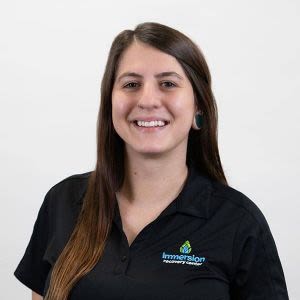
BHT Supervisor
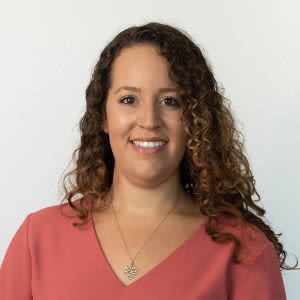
Primary Therapist
LMHC

Recovery Advocate
CCAR
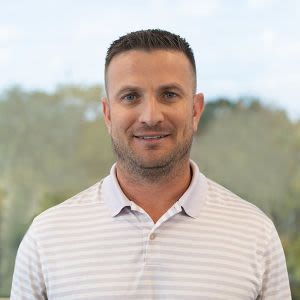
Treatment Advisor
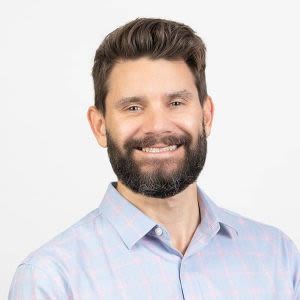
Treatment Advisor

Medical Director
MD

Chief Nursing Officer
RN

Director of Nursing

Director of Clinical Case Management
Psy.D., CASAC, DBT-LBC, CSOTP

12 Step Director
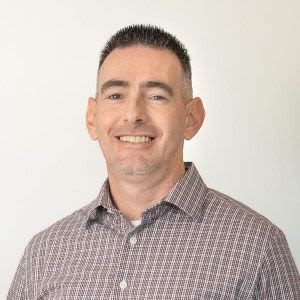
Primary Therapist
LCSW

Primary Therapist
RCSWI

Primary Therapist
MS

ARNP

Director of Family Services
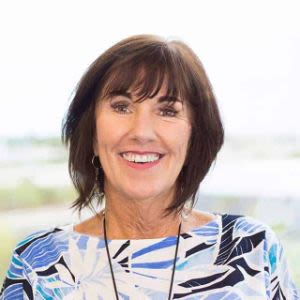
Medical Service Coordinator

ARNP

Family Services Coordinator
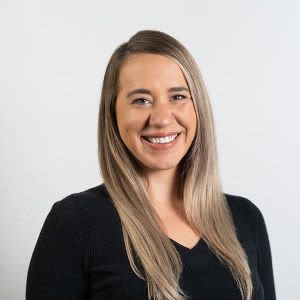
Outpatient Clinical Director
LCSW, CYT
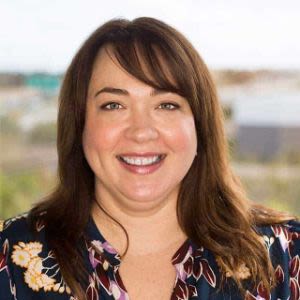
Group Facilitator & Family Workshop Therapist
LCSW, CET2
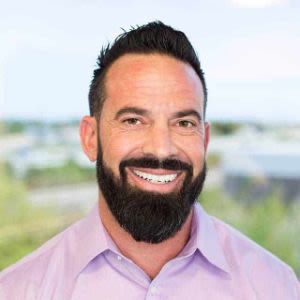
Clinical Supervisor
LCSW
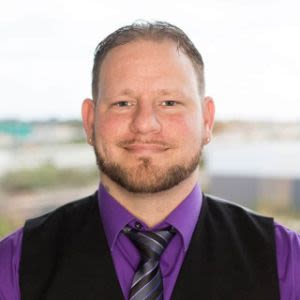
Primary Therapist
CAC
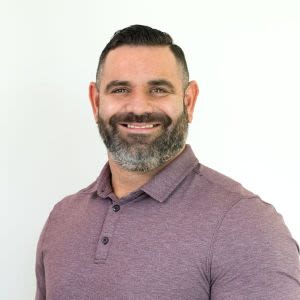
BHT Supervisor
BSA

Primary Therapist
MSW, RCSWI, CAP

Primary Therapist

12 Step Contact

Case Manager
Leah, an Immersion Recovery alumni, shares her story about recovery and how treatment at Immersion gave her hope.
Immersion Recovery lists rehab myths, debunking them with the facts about pricing, the experience, and more.
Learn more about the admissions process and what to expect during treatment.
Discover more about Immersion’s professional intervention services, including the common steps of an intervention.
When I worked through the program that was laid out for me at Immersion, my life completely fell into place. I learned honesty and integrity, and I learned why I had turned to substances in the first place. They did a really good job of educating me; of teaching me why I was operating the way I was and how to make lasting changes in my life.
While costs may vary due to program length and insurance benefits, it typically costs $24,500+.
Delray Beach, Florida, United States.
Immersion Recovery Center offers free no obligation insurance benefits checks. They most likely accept your health insurance plan..
The typical length is 28+ days.
Yes, services include detox.
Top10 Rehabs is an independent organization that simplifies finding the best mental health and addiction treatment. Comprehensive profiles of over 2,500 rehab centers include insurance coverage, pricing, photos, reviews, and more. Choosing the best path to recovery has never been easier.