Covered plans and verification of benefits.


Claimed
RehabPath has connected directly with this treatment provider to validate the information in their profile.

Provider’s Policy
Covered plans and verification of benefits.

$30,000 – $40,000
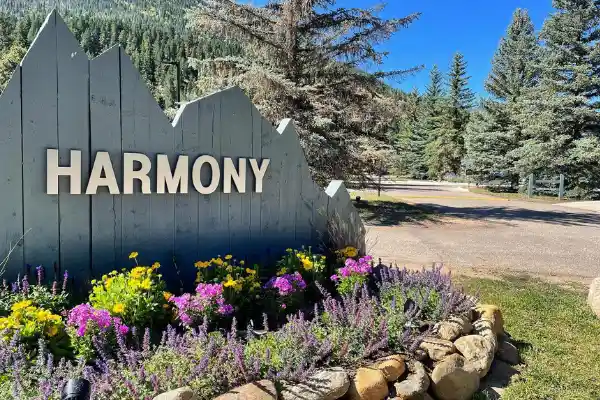
Located in the serene mountains of Estes Park, Harmony Foundation offers gender specific treatment programs using the 12-Step model.
Connect with Harmony Foundation by calling their admissions team directly.




Harmony Foundation was founded in 1969 by a group of men that wanted to help others who were struggling with the disease of alcoholism. Since then, Harmony Foundation has expanded and is nestled on 43 acres of land in the Rocky Mountains just outside Estes Park, Colorado. Harmony Foundation offers residential treatment programs, medical evaluation and detox, recommitment to recovery programs, intensive outpatient programs (IOP), harmony recovery support groups, clinical case management, and a family program for men, women, and young adults. Therapies used during these programs are evidence-based, bio-psycho-social, and 12-step. The residential treatment program is gender-specific, with men and women living and receiving treatment in separate facilities. The primary therapy is group based, and clients can attend group sessions in the mornings as afternoons are set aside for educational offerings and weekly meetings with primary therapists. Clients attend 12-step meetings every day. Harmony Foundation’s setting plays a role in the recovery process, and they believe that the renewal and groundedness that comes from the mountains helps clients learn to rely on the strength that comes from surrender. They conclude that the raw energy of the Rockies releases the guilt and stress of addiction, providing an opportunity for healing. Harmony Foundation is accredited by CARF. Harmony Foundation does not accept Medicaid or Medicare. They do accept most insurance providers and are in-network with many companies. Harmony Foundation is a nonprofit organization and receives donations for a scholarship fund to help with some of the costs of admission.
Harmony Foundation is set in the Rocky Mountains and has a modern cabin vibe. They provide shared gender-specific accommodations for men and women. The clients have access to many hiking trails and walking trails. Harmony Foundation is LGBTQ+ friendly and has special groups and meetings. They have an on-site kitchen staff that prepares 3 meals a day and can accommodate nutritional needs. The maximum occupancy is 80 beds.
Provider’s Policy:We are able to offer insurance options with several providers.
One of the nation’s largest not-for-profit health plans, serving 12.7 million members.

With roots in the health field dating back to 1961, Humana is a trusted insurance provider that proudly serves over 20 million Americans.

Part of UnitedHealth Group, providing care to over 165,000 people worldwide.
Cigna’s unique history traces back to 1792, but today they offer services to 190 million customers in 30 different countries across the globe.
A leading healthcare provider serving over 100 million Americans as one of the largest insurance companies in the country.

Offering plans to individuals and businesses throughout the United States and in countries around the world.
One of the largest health insurance companies in the US, offering several health insurance options to individuals and businesses.
Founded in 1946, Anthem is the 4th largest public managed health care company in the United States and serves over 46 million clients.
The world’s #1 employee assisted program (EAP) provider, offering unique personalized programs to Americans & people worldwide.


Men
Women
Young Adults
Young Adults
Emerging adults ages 18-25 receive treatment catered to the unique challenges of early adulthood, like college, risky behaviors, and vocational struggles.
Women only
Women only
Women attend treatment in a gender-specific facility, with treatment delivered in a safe, nourishing, and supportive environment for greater comfort.

Mental health is a complex health condition that requires a comprehensive, patient-centered approach to treatment that ensures you receive the appropriate care at the right time, based on your individual needs.

Typically the initial stage of treatment for substance use, focusing on medically supervised management of withdrawal symptoms.
An intensive program offering 24 hour care and a variety of therapeutic services in a residential setting.

Transitional housing designed to support individuals recovering from substance use disorders offering a safe, supportive and structured environment for practicing long-term sobriety, while reintegrating back into daily living.
Treatment programming allowing patients to receive care without staying in a hospital or inpatient facility, providing a variety of therapeutic and medical services.

Alcohol
Alcohol
Using alcohol as a coping mechanism, or drinking excessively throughout the week, signals an alcohol use disorder.
Co-Occurring Disorders
Co-Occurring Disorders
A person with multiple mental health diagnoses, such as addiction and depression, has co-occurring disorders also called dual diagnosis.
Individual Treatment
Individual Treatment
Individual care meets the needs of each patient, using personalized treatment to provide them the most relevant care and greatest chance of success.
Twelve Step
Twelve Step
Incorporating spirituality, community, and responsibility, 12-Step philosophies prioritize the guidance of a Higher Power and a continuation of 12-Step practices.
Medical
Medical
Medical addiction treatment uses approved medications to manage withdrawals and cravings, and to treat contributing mental health conditions.
Gender-Specific
Gender-Specific
Separate treatment for men or women can create strong peer connections and remove barriers related to trauma, shame, and gender-specific nuances.
Bio-Medical
Bio-Medical
A philosophy focusing on the biomechanics behind mental health disorders, using prescribed medications as a supplement to behavioral therapy.
Spiritual Care
Spiritual Care
Tending to spiritual health helps treatment become more effective, allowing patients to better cope with their emotions and rebuild their spiritual wellbeing.
Group Therapy
1-on-1 Counseling with Clinical Psychologist
Cognitive Behavioral Therapy
Online Therapy
Online Therapy
Patients can connect with a therapist via videochat, messaging, email, or phone. Remote therapy makes treatment more accessible.
Experiential Therapy
Experiential Therapy
With this approach, patients heal by doing. Therapists help patients process difficult emotions to speak, using guided activities like art or dance.
Twelve Step Facilitation
Twelve Step Facilitation
12-Step groups offer a framework for addiction recovery. Members commit to a higher power, recognize their issues, and support each other in the healing process.
Medication-Assisted Treatment
Medication-Assisted Treatment
Combined with behavioral therapy, prescribed medications can enhance treatment by relieving withdrawal symptoms and focus patients on their recovery.
Family Therapy
Family Therapy
Family therapy addresses group dynamics within a family system, with a focus on improving communication and interrupting unhealthy relationship patterns.
Prescription Drugs
Prescription Drugs
It’s possible to abuse any drug, even prescribed ones. If you crave a medication, or regularly take it more than directed, you may have an addiction.
Co-Occurring Disorders
Co-Occurring Disorders
A person with multiple mental health diagnoses, such as addiction and depression, has co-occurring disorders also called dual diagnosis.
Cocaine
Cocaine
Cocaine is a stimulant with euphoric effects. Agitation, muscle ticks, psychosis, and heart issues are common symptoms of cocaine abuse.
Benzodiazepines
Benzodiazepines
Benzodiazepines are prescribed to treat anxiety and sleep issues. They are highly habit forming, and their abuse can cause mood changes and poor judgement.
Opioids
Opioids
Opioids produce pain-relief and euphoria, which can lead to addiction. This class of drugs includes prescribed medication and the illegal drug heroin.
Methamphetamine
Methamphetamine
Methamphetamine, or meth, increases energy, agitation, and paranoia. Long-term use can result in severe physical and mental health issues.
Marijuana
Synthetic Drugs
Synthetic Drugs
Synthetic drugs are made in a lab, unlike plant-based drugs like mushrooms. Most synthetic drugs are either stimulants or synthetic cannabinoids.
Depression
Depression
Symptoms of depression may include fatigue, a sense of numbness, and loss of interest in activities. This condition can range from mild to severe.
Drug Addiction
Drug Addiction
Drug addiction is the excessive and repetitive use of substances, despite harmful consequences to a person’s life, health, and relationships.
Alcohol
Alcohol
Using alcohol as a coping mechanism, or drinking excessively throughout the week, signals an alcohol use disorder.
Anxiety
Anxiety
Anxiety is a common mental health condition that can include excessive worry, panic attacks, physical tension, and increased blood pressure.
Bipolar
Bipolar
This mental health condition is characterized by extreme mood swings between depression, mania, and remission.

Air-Conditioned Rooms
Private or Shared Rooms
Access to Nature
Gourmet Dining
Outdoor Dining
Outdoor Lounge
Walking Trails
Dietary Accommodations
COVID-19 Measures
Gender-specific groups
Gender-specific groups
Patients in gender-specific groups gain the opportunity to discuss challenges unique to their gender in a comfortable, safe setting conducive to healing.
Healthy Meals are provided
Healthy Meals are provided
Great food meets great treatment, with providers serving healthy meals to restore nutrition, wellbeing, and health.
Young Adults Program
Young Adults Program
Programs for young adults bring teens 18+ together to discuss age-specific challenges, vocational and educational progress, and successes in treatment.
Hiking
While costs may vary due to program length and insurance benefits, it typically costs $30,000 – $40,000.
Estes Park, Colorado, United States.
We are able to offer insurance options with several providers..
The typical length is 26 days.
Yes, services include detox.
Top10 Rehabs is an independent organization that simplifies finding the best mental health and addiction treatment. Comprehensive profiles of over 2,500 rehab centers include insurance coverage, pricing, photos, reviews, and more. Choosing the best path to recovery has never been easier.