

Unclaimed
This provider hasn’t verified their profile’s information. Are you the owner of this center? Claim your listing to better manage your presence on Top10 Rehabs.
A 16 bed residential facility for adolescents aged 12-17 offering holistic treatment for substance abuse and co-occurring disorders in a home-like environment.
Claim your profile to manage this page and enable the messaging form.
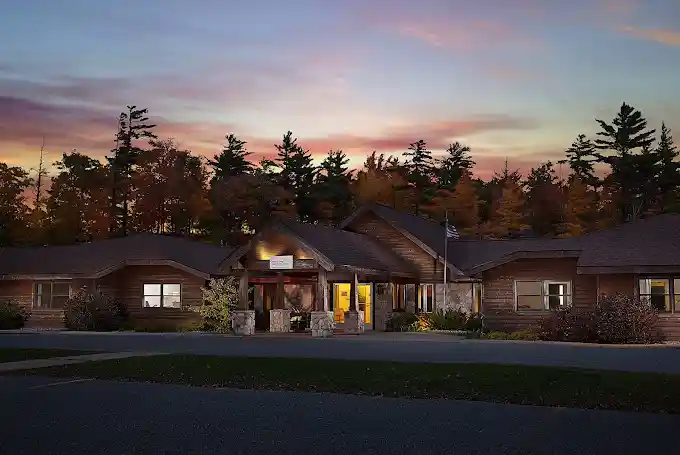
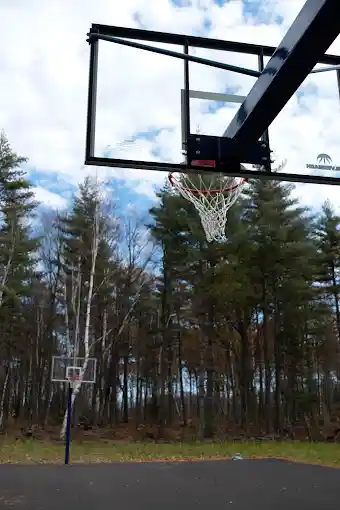
Located on 32 acres of land, Great Lakes Recovery Center for adolescents is a residential facility providing substance abuse treatment and relapse prevention services for individuals ages 12-17. Caring and empathetic staff are trained to support each individual holistically, working with clients to develop life-skills, engage in healthy relationships, address trauma, and maintain sobriety. Patients will attend school on-site and attend 2 group sessions daily, along with weekly individual and family therapy.
Classroom Education
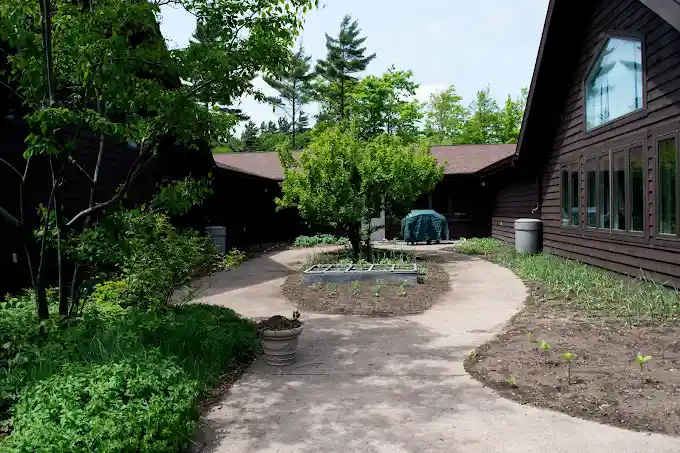
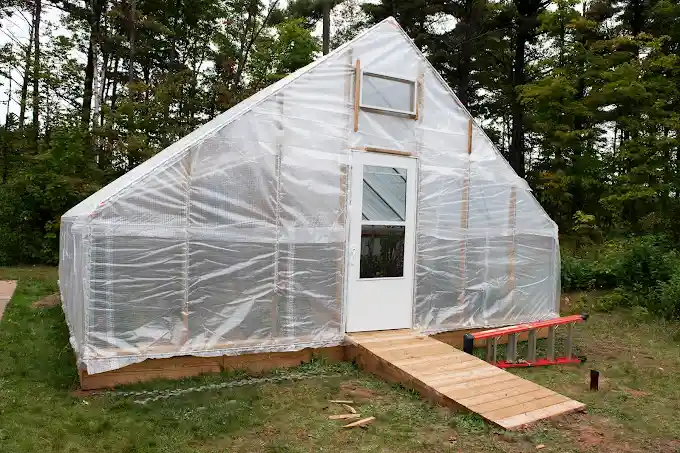
Great Lakes Recovery provides a home-like atmosphere and year-round classroom education allowing patients to continue their schooling while in treatment. The comfortable environment offers semi-private bedrooms with an attached bath, a community living space including a TV area, social community meal times, an enclosed courtyard, outdoor basketball court, a greenhouse, walking trails, and a healing circle. A certified Special Education teacher is on-site to work with clients and meet each of their academic needs, including GED testing when needed. An in-house medical provider and nurse are also available to provide comprehensive medical care ensuring clients have their medical and dental needs met.
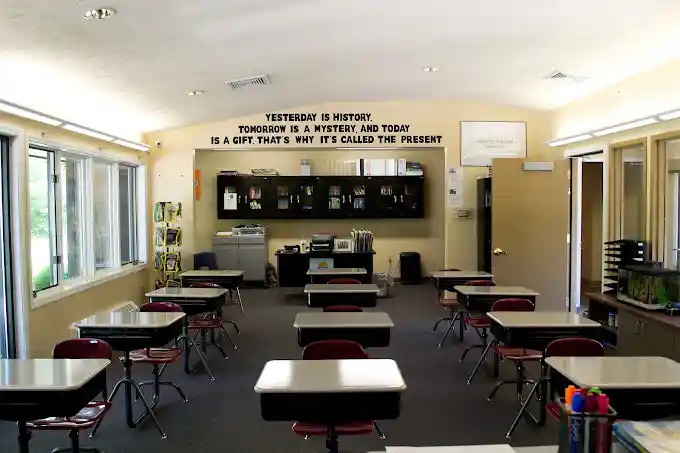
The on-site classroom offers natural lighting with views of nature, and is equipped with comfortable desk seating, laptops for educational use only and headphones when needed, a dry erase board, projector, monitor, and smart board for various learning presentations. A Great Lakes Recovery counselor is also assigned to the classroom, creating a low adult-to-student ratio. School records are transferred from the patient’s school district upon admission, allowing the teacher to prepare similar lesson plans and curriculum. Weekly school reports document classroom performance, and academic recommendations are given to the district to help patients transition back into school. A school psychologist is also available for consultation and developing or managing individualized education plans. Books, materials, and transportation are all provided by Great Lakes Recovery Center.
Family Involvement
When patients enter treatment at Great Lakes Recovery Center, each is assigned a primary counselor to provide weekly individual therapy sessions. Clients participate in multiple therapeutic or didactic group therapy sessions daily with group discussion on various topics and group activities or workshops. Care givers are given a family questionnaire as part of the admissions process, allowing the primary therapist to use the family’s input and develop a treatment plan that includes family involvement. Primary therapists will maintain contact regarding the patients progress and facilitate family therapy sessions that can be done both in person and virtually. Adolescent residential services can also address patients with co-occurring disorders, providing medication education and management, along with specialized clinical treatment with motivational and engagement strategies along and evidence-based practices.
Holistic Treatment
Residents will also experience several forms of experiential and recreational therapies, such as music expression which includes instruments, song writing, singing, and lyrical analysis and explores personal feelings, promotes personal expression, and helps develop healthy coping skills. Art expression involves various art projects and activities that promote creativity and provide alternative coping strategies for trauma and overwhelming emotions.
Surrounded by 32 acres of campus, clients will also explore recreational interests like hiking, basketball, gym and fitness, and outdoor seasonal activities such as swimming, volleyball, kayaking, ultimate frisbee, tennis, skiing, ice skating, snowshoeing, and sledding. Seasonal equine therapy is also available at nearby Heritage Hills, where patients can learn to groom, feed, halter, and lead a horse as part of a therapeutic process.
Through Our Eyes is a photography program, teaching photography skills and allowing patients to hike the campus taking photographs that fall within the current month’s theme. The Bridges program connects adolescent patients with local senior citizens from assisted living communities, focusing on fellowship with games, crafts, and activities and community involvement. Service learning provides the opportunity for feeling like an accomplished and valued member of the community, allowing clients to perform community service projects ranging from working with senior citizens, special needs, reading to children in local daycares, and planting community gardens.
On-staff Acupuncture Detoxification Specialists provide auricular therapy, using acupuncture to aid in the detoxification process and promote relaxation as an alternative form of healing. Other holistic therapies include meditation, essential oils, and guided visualization, offering foot baths and herbal teas as part of the treatment experience.
Provider’s Policy:GLRC’s dedicated team of specialists can assist you in determining if your insurance carrier covers services.
Signed into law through the Social Security Act in 1965, Medicaid is a United States government program that offers health insurance to those with limited income.
A leading healthcare provider serving over 100 million Americans as one of the largest insurance companies in the country.

A simple coverage option for Americans without health insurance and disabilities. Many private insurances incorporate Medicare to expand its coverage options.


Adolescents
Adolescents
Adolescents receive the treatment they need for mental health disorders and addiction, with the added support of educational and vocational services.

Mental health is a complex health condition that requires a comprehensive, patient-centered approach to treatment that ensures you receive the appropriate care at the right time, based on your individual needs.

Typically the initial stage of treatment for substance use, focusing on medically supervised management of withdrawal symptoms.

An intensive program offering 24 hour care and a variety of therapeutic services in a residential setting.
Transitional housing designed to support individuals recovering from substance use disorders offering a safe, supportive and structured environment for practicing long-term sobriety, while reintegrating back into daily living.
Treatment programming allowing patients to receive care without staying in a hospital or inpatient facility, providing a variety of therapeutic and medical services.

Adolescents
Adolescents
Adolescents receive the treatment they need for mental health disorders and addiction, with the added support of educational and vocational services.
Co-Occurring Disorders
Co-Occurring Disorders
A person with multiple mental health diagnoses, such as addiction and depression, has co-occurring disorders also called dual diagnosis.
Equine Therapy
Equine Therapy
Guided interactions with trained horses, their handler, and a therapist can help patients improve their self-esteem, trust, empathy, and social skills.
1-on-1 Counseling
1-on-1 Counseling
Patient and therapist meet 1-on-1 to work through difficult emotions and behavioral challenges in a personal, private setting.
Meditation & Mindfulness
Meditation & Mindfulness
A practiced state of mind that brings patients to the present. It allows them to become fully aware of themselves, their feelings, and the present moment.
Art Therapy
Art Therapy
Visual art invites patients to examine the emotions within their work, focusing on the process of creativity and its gentle therapeutic power.
Cognitive Behavioral Therapy
Introduction to the 12 Step Program
Equine Therapy
Equine Therapy
Guided interactions with trained horses, their handler, and a therapist can help patients improve their self-esteem, trust, empathy, and social skills.
Experiential Therapy
Experiential Therapy
With this approach, patients heal by doing. Therapists help patients process difficult emotions to speak, using guided activities like art or dance.
Expressive Arts
Expressive Arts
Creative processes like art, writing, or dance use inner creative desires to help boost confidence, emotional growth, and initiate change.
Eye Movement Therapy (EMDR)
Eye Movement Therapy (EMDR)
Lateral, guided eye movements help reduce the emotional reactions of retelling and reprocessing trauma, allowing intense feelings to dissipate.
Family Therapy
Family Therapy
Family therapy addresses group dynamics within a family system, with a focus on improving communication and interrupting unhealthy relationship patterns.
Didactic Group Therapy
Life Skills
Life Skills
Teaching life skills like cooking, cleaning, clear communication, and even basic math provides a strong foundation for continued recovery.
Medication-Assisted Treatment
Medication-Assisted Treatment
Combined with behavioral therapy, prescribed medications can enhance treatment by relieving withdrawal symptoms and focus patients on their recovery.
Motivational Interviewing
Motivational Interviewing
Based on the idea that motivation to change comes from within, providers use a conversational framework to discover personalized methods for change.
Motivational Interviewing and Enhancement Therapy (MET)
Motivational Interviewing and Enhancement Therapy (MET)
This approach is based on idea that motivation to change comes from within. Providers use a conversational framework that may help you commit to recovery.
Music Therapy
Music Therapy
Singing, performing, and even listening to music can be therapeutic. Music therapy sessions are facilitated by certified counselors.
Recreation Therapy
Recreation Therapy
In recreation therapy, recovery can be joyful. Patients practice social skills and work through emotional triggers by engaging in fun activities.
Relapse Prevention Counseling
Relapse Prevention Counseling
Relapse prevention counselors teach patients to recognize the signs of relapse and reduce their risk.
Twelve Step Facilitation
Twelve Step Facilitation
12-Step groups offer a framework for addiction recovery. Members commit to a higher power, recognize their issues, and support each other in the healing process.
Dialectical Behavior Therapy
Group Therapy
Alcohol
Alcohol
Using alcohol as a coping mechanism, or drinking excessively throughout the week, signals an alcohol use disorder.
Co-Occurring Disorders
Co-Occurring Disorders
A person with multiple mental health diagnoses, such as addiction and depression, has co-occurring disorders also called dual diagnosis.
Addictions
Drug Addiction
Drug Addiction
Drug addiction is the excessive and repetitive use of substances, despite harmful consequences to a person’s life, health, and relationships.
Alumni Events & Get-Togethers

En Suite Bathroom
Private or Shared Rooms
Access to Nature
Basketball Court
Desk
Fitness Center
Internet Access
Chef-prepared Meals
Outdoor Space
Walking Trails
AA/NA Meetings
Farming, Gardening
Alternative Meetings
Games
Hiking
Volleyball
Massage
Physical Fitness
Skiing
Swimming
Water Activities
Acupuncture
Negaunee, Michigan, United States.
GLRC’s dedicated team of specialists can assist you in determining if your insurance carrier covers services..
Top10 Rehabs is an independent organization that simplifies finding the best mental health and addiction treatment. Comprehensive profiles of over 2,500 rehab centers include insurance coverage, pricing, photos, reviews, and more. Choosing the best path to recovery has never been easier.