

Verified
This provider’s information has been quality-checked by RehabPath’s Research Team for accuracy and completeness, including data verification through appropriate third-party organizations.View This Center’s Verified License

$5,000+
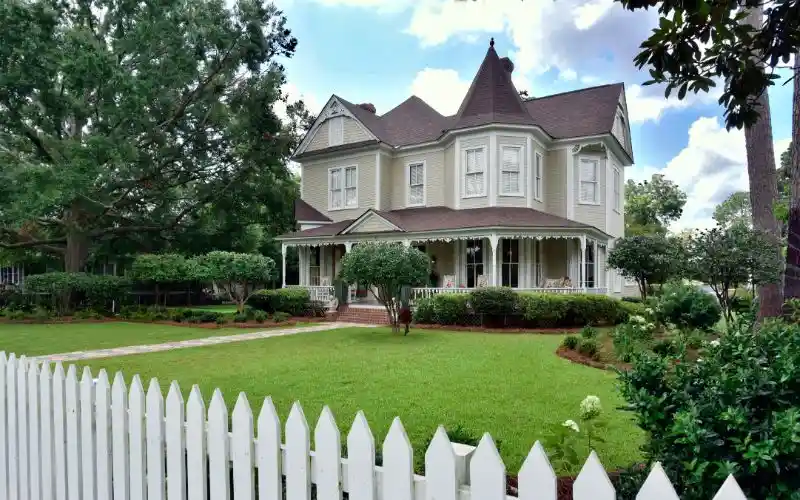
A women’s only non-profit Victorian home offering a community-based atmosphere, resources, and jobs to help sustain long-term sobriety.
Highlights


Connect with GraceWay Recovery by calling their admissions team directly.







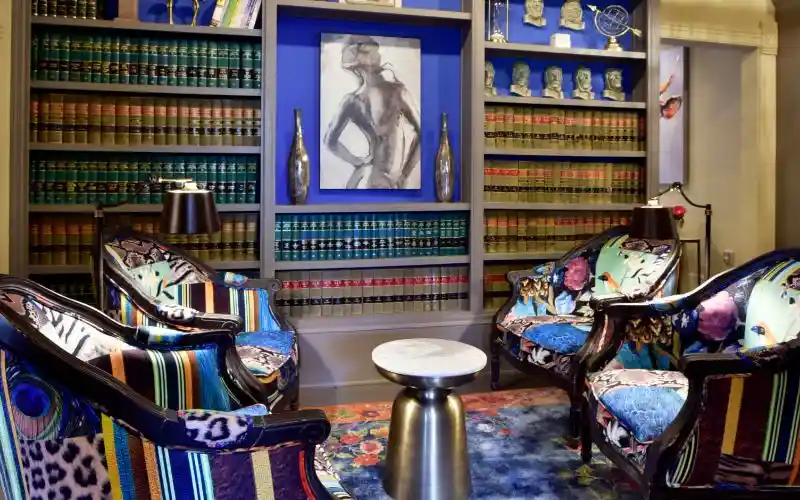
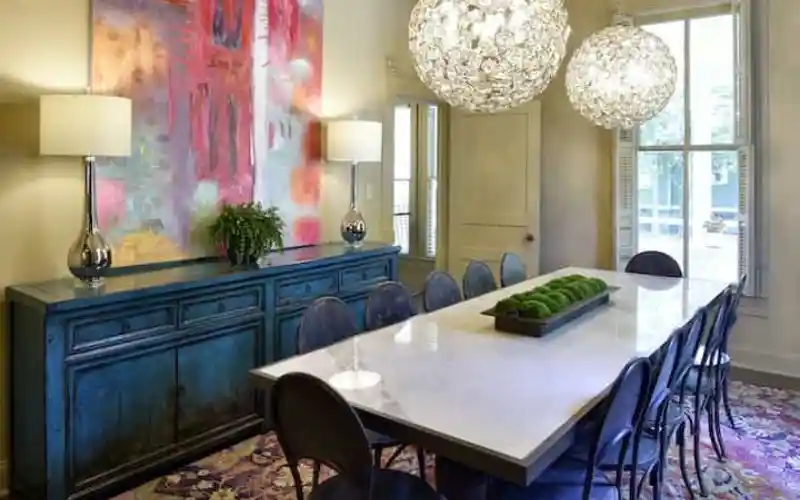
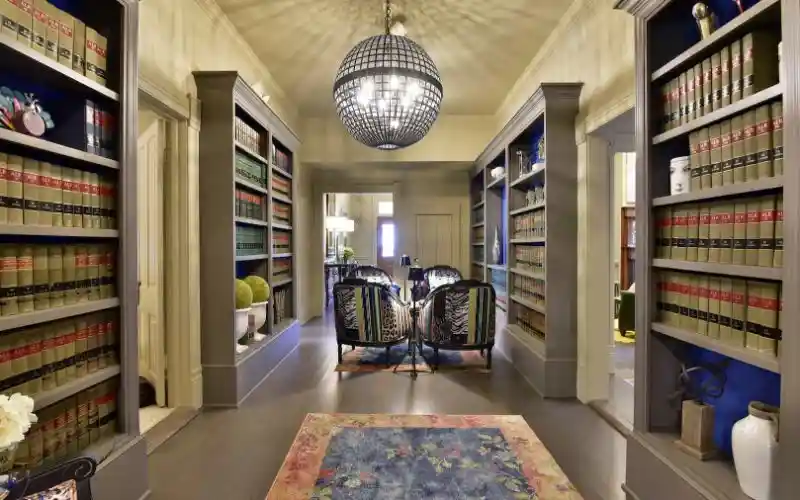
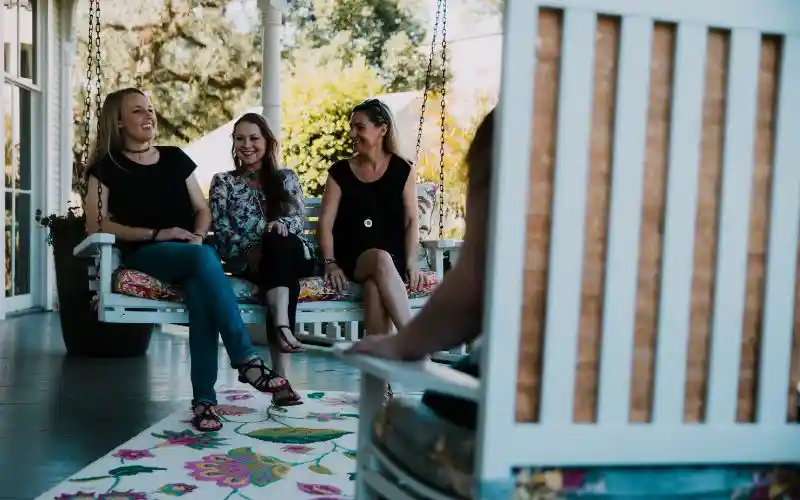
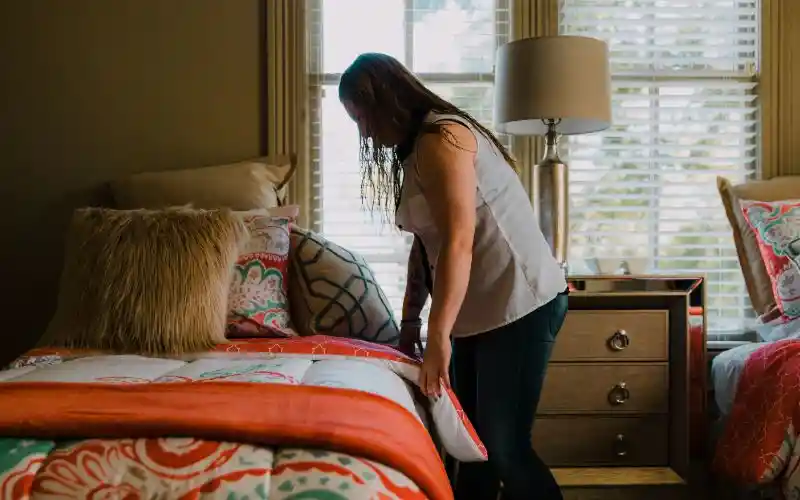



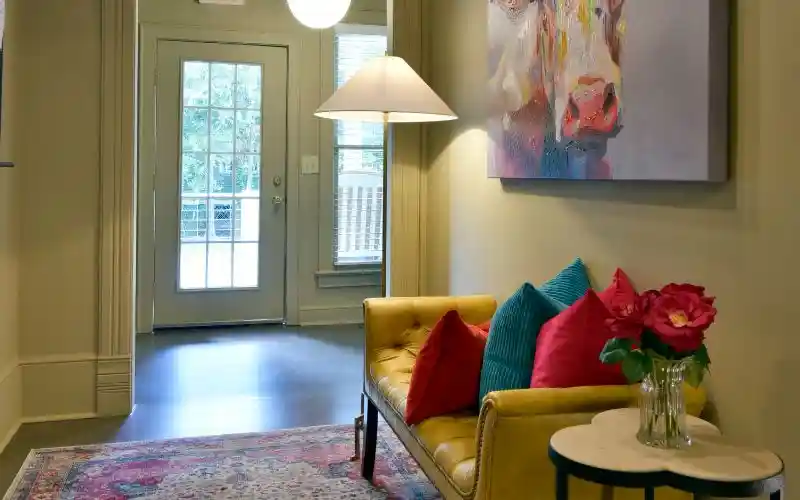
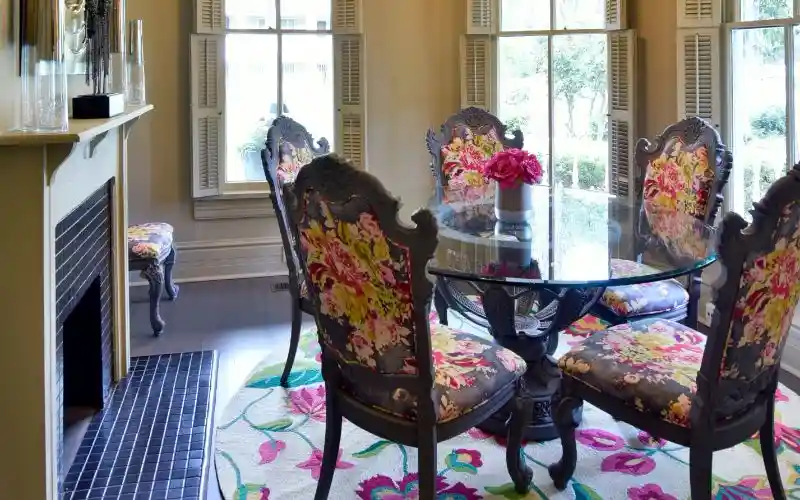

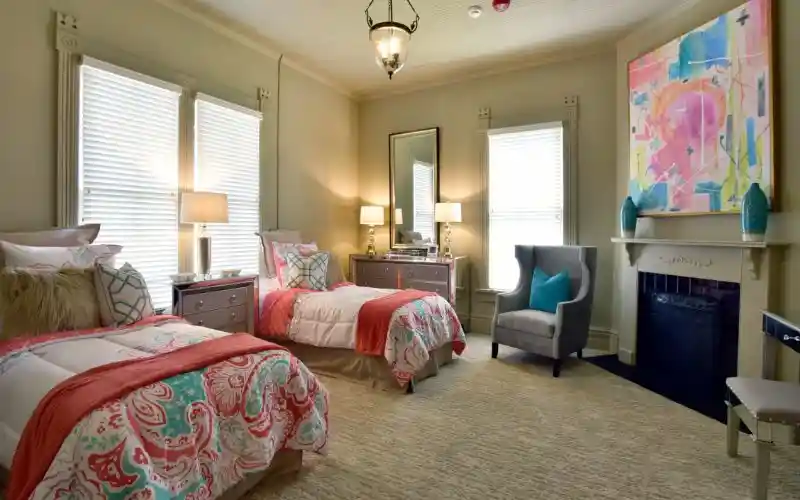
GraceWay Recovery Residence opened its doors in August 2003 with the mission of providing women with a long-term abstinence-based solution to addiction. Today, that mission continues to be realized on a daily basis.
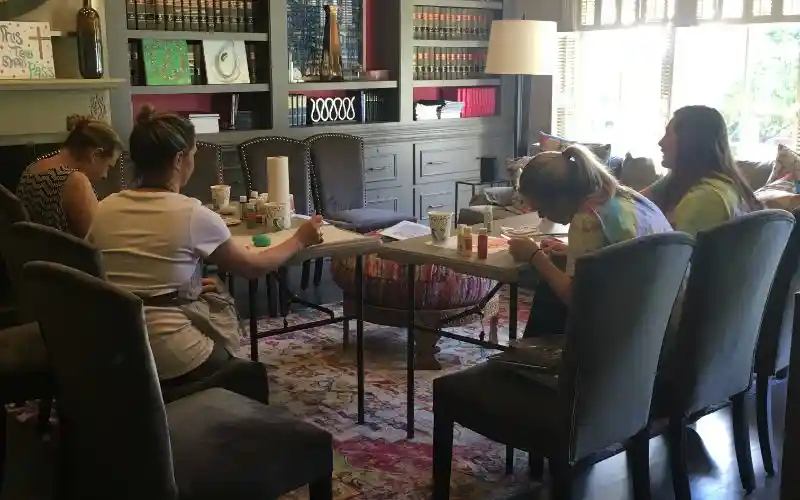
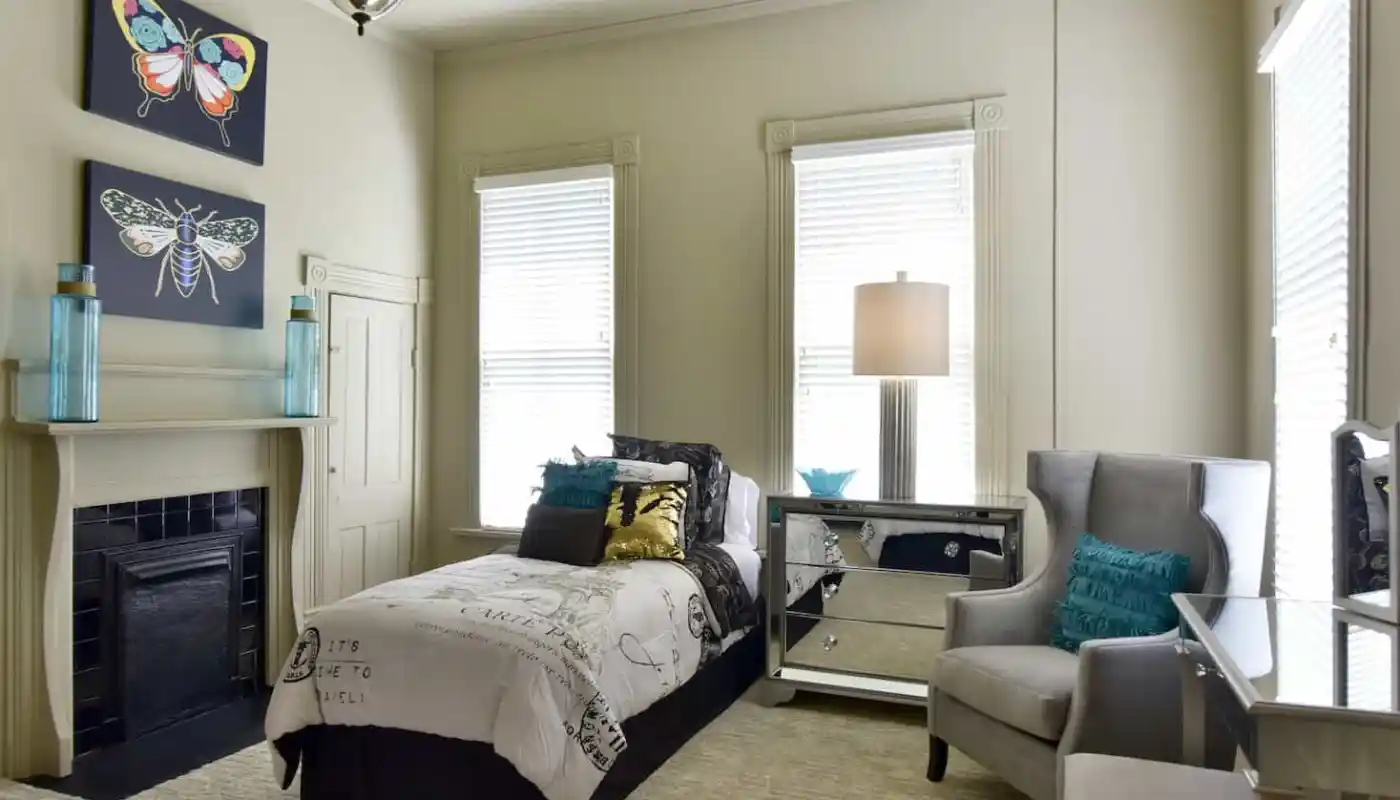
GraceWay is located in a beautiful Victorian home in downtown Albany, Georgia. This setting provides a comfortable, warm environment for women to face the hardships of their past while receiving unconditional positive regard from their counselors. A structured schedule, including daily chores, exercise, mindfulness meditation, counselor-chaired groups, spirituality groups, in-house 12-step meetings, weekly individual sessions, daily living skills, and recreational activities, makes up the bones of GraceWay.
GraceWay’s intensive recovery support home has thirteen beds, is taken thirty days at a time, and is a 90 day program. Once women complete the program, they have the opportunity to transition into sober living at The Way Sober Living apartments. The fully furnished two bedroom apartments are next door to GraceWay. Women can better practice and hone their new recovery skills in one of our nine apartments at The Way Sober Living for a period of 90 days. Recovering women find universality and community at the apartments while continuing with 12-step meetings and aftercare groups.
During sober living at The Way apartments, women also have two safe environments for employment: The Bread House & Granary and The Whittlesey House. Employment at either business fosters independence and self-sufficiency through money and time management. Working in an environment that’s free from temptation is a great stepping stone for recovering women to take into a world that may not be so safe. Through this aspect of sober living, women gain a greater confidence in their recovery and a sense of responsibility and financial comfort. All of these positive aspects combine to form a lasting feeling of empowerment and success, which are crucial during the recovery process. GraceWay also offers traveling intervention services, helping families gently place their loved ones into treatment.
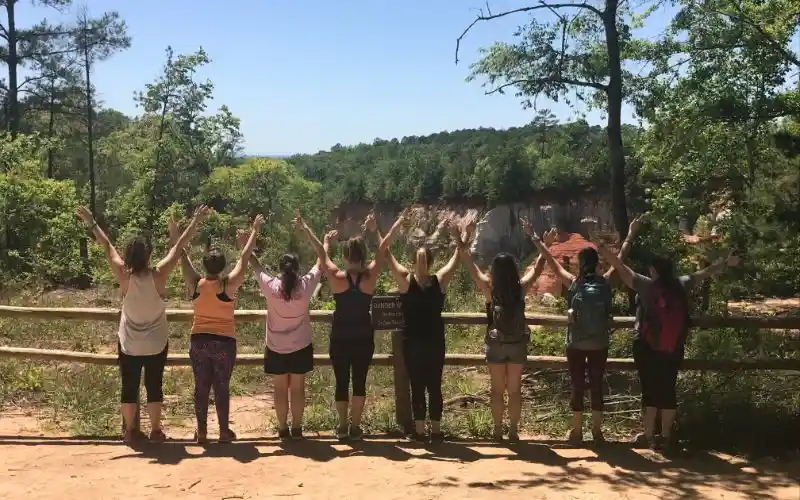
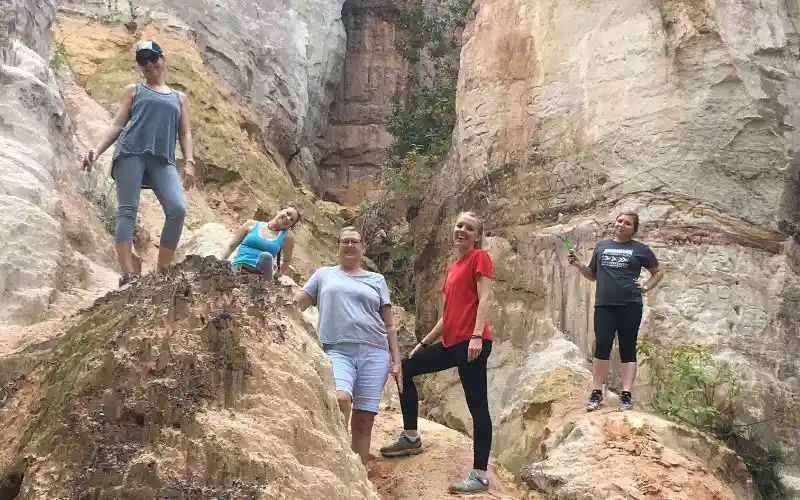
Located in downtown Albany, GraceWay’s center boasts beautiful Georgia sunshine and a tranquil setting. Residents will get to experience unique travel destinations like Radium Springs, which is one of Georgia’s 7 natural wonders.
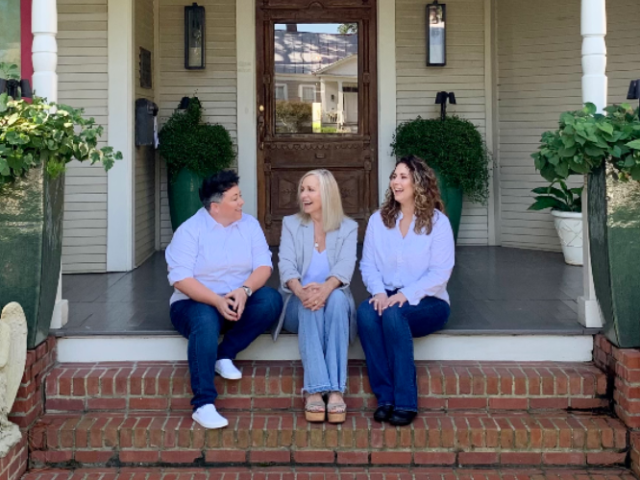
GraceWay’s foundation is based on the 12-step methodology of Alcoholics Anonymous and Narcotics Anonymous. At GraceWay, residents will find a safe atmosphere of ‘women helping women’.
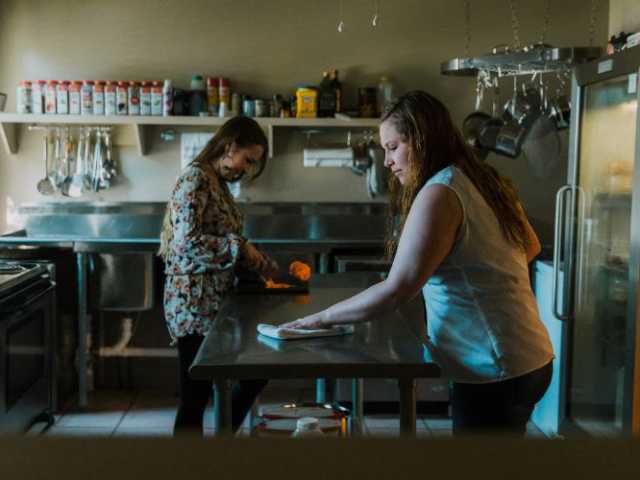
One of the many aspects that sets GraceWay apart is their partnership with two local businesses, The Bread House & Granary and The Whittlesey House. All residents begin employment at The Bread House, bought in 2009 by Founder Debbie Mazur. Residents will learn job training skills, find purpose, and become financially responsible and independent through this experience.
GraceWay welcomes women in all stages of life, including pregnancy. Though this does vary case-by-case, GraceWay strives to welcome all who need their services. Family is a strong focus of their treatment style, starting within the womb. Family and children are welcome to visit and stay with their mothers at The Way sober living apartments. Visits and stays start out weekends-only and gradually expand over time.
RehabPath verified that the name, location, contact information and license to operate for this treatment provider are valid and up-to-date. GraceWay Recovery has verified the information on this page to be accurate.

RehabPath is an independent, third-party mental health resource. Verification does not imply endorsement and does not guarantee the quality of treatment services

$5,000 | 30 days
$10,000 | 60 days
$15,000 | 90 days
$20,000 | 120 days
Extended options available
Women
Young Adults
Young Adults
Emerging adults ages 18-25 receive treatment catered to the unique challenges of early adulthood, like college, risky behaviors, and vocational struggles.
Midlife Adults
Midlife Adults
For adults ages 40+, treatment shifts to focus on the unique challenges, blocks, and risk factors of their age group, and unites peers in a similar community.
Pregnant Women
Pregnant Women
Addiction and mental health treatment meets the clinical and psychological needs of pregnant women, ensuring they receive optimal care in all areas.
Women only
Women only
Women attend treatment in a gender-specific facility, with treatment delivered in a safe, nourishing, and supportive environment for greater comfort.

Mental health is a complex health condition that requires a comprehensive, patient-centered approach to treatment that ensures you receive the appropriate care at the right time, based on your individual needs.

Typically the initial stage of treatment for substance use, focusing on medically supervised management of withdrawal symptoms.

An intensive program offering 24 hour care and a variety of therapeutic services in a residential setting.
Transitional housing designed to support individuals recovering from substance use disorders offering a safe, supportive and structured environment for practicing long-term sobriety, while reintegrating back into daily living.
Treatment programming allowing patients to receive care without staying in a hospital or inpatient facility, providing a variety of therapeutic and medical services.

Women
Alcohol
Alcohol
Using alcohol as a coping mechanism, or drinking excessively throughout the week, signals an alcohol use disorder.
Drug Addiction
Drug Addiction
Drug addiction is the excessive and repetitive use of substances, despite harmful consequences to a person’s life, health, and relationships.
Young Adults
Young Adults
Emerging adults ages 18-25 receive treatment catered to the unique challenges of early adulthood, like college, risky behaviors, and vocational struggles.
Midlife Adults
Midlife Adults
For adults ages 40+, treatment shifts to focus on the unique challenges, blocks, and risk factors of their age group, and unites peers in a similar community.
Women only
Women only
Women attend treatment in a gender-specific facility, with treatment delivered in a safe, nourishing, and supportive environment for greater comfort.
Evidence-Based
Evidence-Based
A combination of scientifically rooted therapies and treatments make up evidence-based care, defined by their measured and proven results.
Individual Treatment
Individual Treatment
Individual care meets the needs of each patient, using personalized treatment to provide them the most relevant care and greatest chance of success.
Twelve Step
Twelve Step
Incorporating spirituality, community, and responsibility, 12-Step philosophies prioritize the guidance of a Higher Power and a continuation of 12-Step practices.
Spiritual Care
Spiritual Care
Tending to spiritual health helps treatment become more effective, allowing patients to better cope with their emotions and rebuild their spiritual wellbeing.
1-on-1 Counseling
1-on-1 Counseling
Patient and therapist meet 1-on-1 to work through difficult emotions and behavioral challenges in a personal, private setting.
Mindfulness Therapy
Mindfulness Therapy
This ancient practice can be mental, emotional, and even spiritual. In meditation, you focus your attention on the present moment without judgement.
Life Skills
Life Skills
Teaching life skills like cooking, cleaning, clear communication, and even basic math provides a strong foundation for continued recovery.
Cognitive Behavioral Therapy
Relapse Prevention Counseling
Relapse Prevention Counseling
Relapse prevention counselors teach patients to recognize the signs of relapse and reduce their risk.
Experiential Therapy
Experiential Therapy
With this approach, patients heal by doing. Therapists help patients process difficult emotions to speak, using guided activities like art or dance.
Twelve Step Facilitation
Twelve Step Facilitation
12-Step groups offer a framework for addiction recovery. Members commit to a higher power, recognize their issues, and support each other in the healing process.
Art Therapy
Art Therapy
Visual art invites patients to examine the emotions within their work, focusing on the process of creativity and its gentle therapeutic power.
Prescription Drugs
Prescription Drugs
It’s possible to abuse any drug, even prescribed ones. If you crave a medication, or regularly take it more than directed, you may have an addiction.
Cocaine
Cocaine
Cocaine is a stimulant with euphoric effects. Agitation, muscle ticks, psychosis, and heart issues are common symptoms of cocaine abuse.
Benzodiazepines
Benzodiazepines
Benzodiazepines are prescribed to treat anxiety and sleep issues. They are highly habit forming, and their abuse can cause mood changes and poor judgement.
Ecstasy
Ecstasy
Ecstasy is a stimulant that causes intense euphoria and heightened awareness. Abuse of this drug can trigger depression, insomnia, and memory problems.
Opioids
Opioids
Opioids produce pain-relief and euphoria, which can lead to addiction. This class of drugs includes prescribed medication and the illegal drug heroin.
Codependency
Codependency
Codependency is a pattern of emotional dependence and controlling behavior. It’s most common among people with addicted loved ones.
Methamphetamine
Methamphetamine
Methamphetamine, or meth, increases energy, agitation, and paranoia. Long-term use can result in severe physical and mental health issues.
Heroin
Heroin
Heroin is a highly addictive and illegal opioid. It can cause insomnia, collapsed veins, heart issues, and additional mental health issues.
Marijuana
Synthetic Drugs
Synthetic Drugs
Synthetic drugs are made in a lab, unlike plant-based drugs like mushrooms. Most synthetic drugs are either stimulants or synthetic cannabinoids.
Drug Addiction
Drug Addiction
Drug addiction is the excessive and repetitive use of substances, despite harmful consequences to a person’s life, health, and relationships.
Alcohol
Alcohol
Using alcohol as a coping mechanism, or drinking excessively throughout the week, signals an alcohol use disorder.
Chronic Relapse
Chronic Relapse
Consistent relapse occurs repeatedly, after partial recovery from addiction. This condition requires long-term treatment.
Anger
Anger
Although anger itself isn’t a disorder, it can get out of hand. If this feeling interferes with your relationships and daily functioning, treatment can help.
Trauma
Trauma
Some traumatic events are so disturbing that they cause long-term mental health problems. Those ongoing issues can also be referred to as ‘trauma.’

Air-Conditioned Rooms
Bathroom Essentials (towels, soap, shampoo)
Coffee Maker and Tea
Hair Dryer
Iron
Laundry Service
Shared Bathroom
Shared Rooms
Gardens
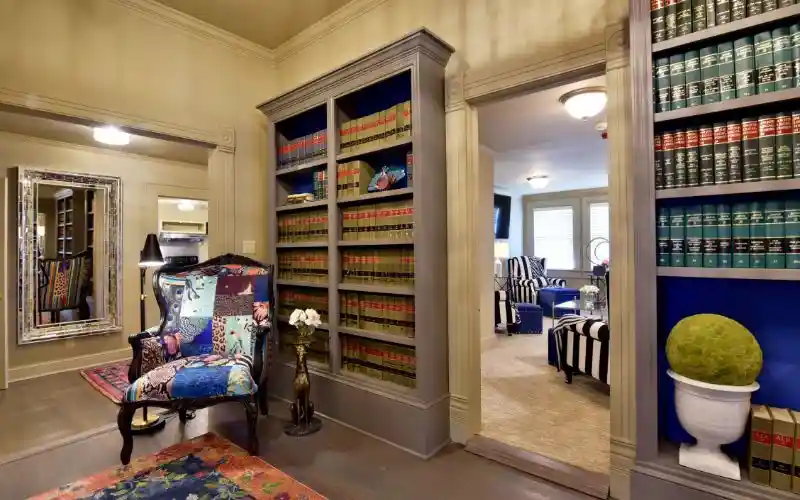
Library
Volleyball Court
Center Pets
Center Pets
Addiction and mental health facilities with pets allow patients to interact with friendly dogs, cats, horses, and in some cases, even dolphins.
Gender-specific groups
Gender-specific groups
Patients in gender-specific groups gain the opportunity to discuss challenges unique to their gender in a comfortable, safe setting conducive to healing.
Other dietary needs (vegan, vegetarian, gluten-free, etc.)
AA/NA Meetings
Cooking Classes
Farming, Gardening
Movies
Physical Fitness
Museums
Yoga
Yoga
Yoga is both a physical and spiritual practice. It includes a flow of movement, breathing techniques, and meditation.
Adventure Outings
Dance Classes
Movies
Physical Fitness
Pool
Airport Transfers
Bowling Alley
Fitness Center
Theater
Walking Trails

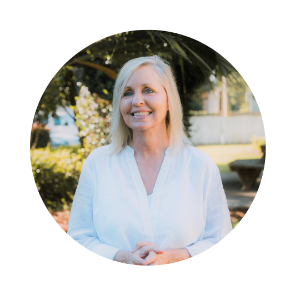
Founder
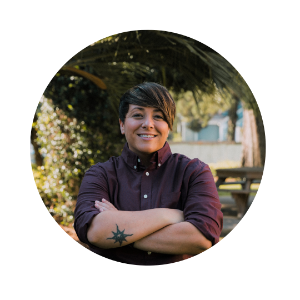
Program Director
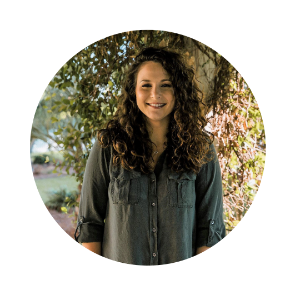
Certified Peer Specialist
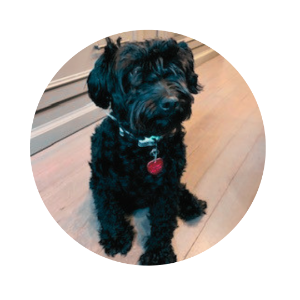
GraceWay’s Recovery Dog
While costs may vary due to program length and insurance benefits, it typically costs $5,000+.
Top10 Rehabs is an independent organization that simplifies finding the best mental health and addiction treatment. Comprehensive profiles of over 2,500 rehab centers include insurance coverage, pricing, photos, reviews, and more. Choosing the best path to recovery has never been easier.