


Verified
This provider’s information has been quality-checked by RehabPath’s Research Team for accuracy and completeness, including data verification through appropriate third-party organizations.View This Center’s Verified License

Provider’s Policy

$29,500 – $82,500
Treating addiction and mental health with individualized care, a specialized track for veterans and first responders, and trauma treatment for adults 30+.
Highlights


Connect with Futures Recovery Healthcare by calling their admissions team directly.







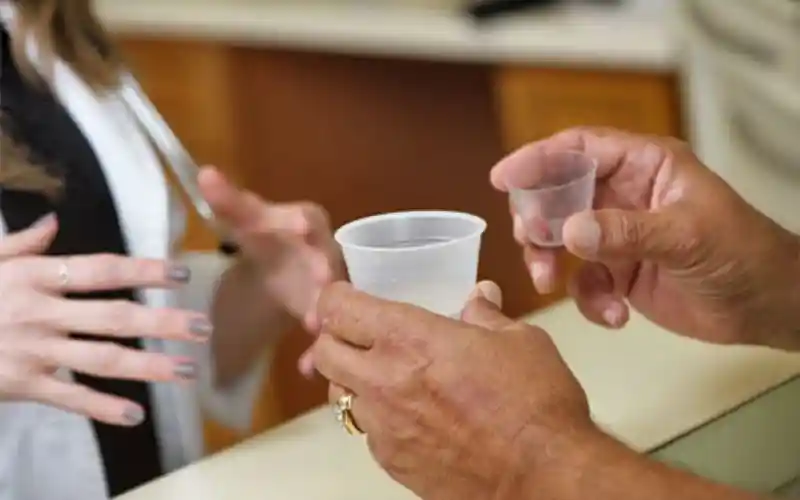
















Futures Recovery Healthcare provides detoxification, residential care for substance use and co-occurring conditions, and residential care for primary mental health disorders. Clients receive expert treatment on Futures’ 9-acre, gated campus in Tequesta, Florida. Their approach to treatment revolves around holistic, evidence-based, and innovative practices. Futures takes a completely individualized approach, catering clients’ treatment plans to their personal needs and circumstances. Their admissions staff begins this process by connecting clients to key staff members who further delve into treatment needs, all to give clients a plan that leads to lasting success.
Futures Recovery provides the ultimate oasis for healing and recovery. Their Florida location offers all the beachy, serene aspects of a summer vacation, allowing for a complete focus on recovery. Combined with Futures’ exceptional team of staff, clients’ recovery journey will be as enjoyable as it is beneficial. Diverse teams of therapists, family therapists, wellness advisors, and physical therapists make each level of care highly personalized, and led with the knowledge and accreditations clients need to find lasting recovery.
Futures Recovery offers a variety of specialized programs. Their Hero’s Ascent First Responders track addressed underlying trauma, chronic pain, and addiction. Individual, group, and family therapy connect veterans and first responders to effective and relevant care. Catering to working executives, their Orenda program is a concierge treatment service with its own space on their third floor. Futures’ Rise program focuses on adventure therapy, bringing participants on outdoor adventures to find healing, fun, and empowerment. Rise, Orenda, and their mental health and substance use programs all operate with continuous clinical care. Futures also offers specialized services for those with chronic pain and trauma.
Clients at Futures Recovery have the choice between a fully private bedroom and living space, or a shared suite with private bedrooms. Both options have a private bedroom. Futures’ standard option includes two private bedrooms, a bathroom, and a shared living space. Clients will enjoy the talents of Futures’ chef and kitchen staff, as well as their pool, whirlpool, gym, and media center. A library, basketball court, and tennis courts give further options for relaxation and movement. The connections made at Futures Recovery Healthcare don’t end at their programs’ completion, and neither does clients’ care. Futures offers aftercare programs to guide and support clients through their recovery.
Provider’s Policy:Futures is a primary out-of-network provider that works with patients and insurance providers to make its services as accessible and affordable as possible. We do also work with groups we direct contract with so please inquire with our team on whether your employer, group or EAP is contracted with us.
A leading healthcare provider serving over 100 million Americans as one of the largest insurance companies in the country.

Offering plans to individuals and businesses throughout the United States and in countries around the world.

One of the largest health insurance companies in the US, offering several health insurance options to individuals and businesses.

Futures Recovery’s first responders track treats veterans and first responders with addiction, trauma/PTSD, chronic pain, and more in a safe and discreet setting. Their Hero’s Ascent track provides medical treatment, individual and group therapy, physical therapy, neurostimulation, and wellness services. Futures offers family therapy and education to help clients and their loved ones heal as a whole.
Futures offers multiple pathways to recovery, with 4 unique and separate program options: Substance Use and Co-Occurring Disorders Program, Primary Mental Health Program, Adventure-Based Program, and their Concierge Program. Each program operates independently, providing a unique opportunity for clients to engage with similar individuals.
Chronic pain or pain without a known cause can both cause a dependency on prescribed pain medications. In Futures’ Pain Track, they focus on the pain behind the addiction by detoxing and working on a management plan for pain. Their specialized services include physical therapy, fitness, meal planning, DBT, CBT, sleep hygiene, and hypnotherapy.
Coordinated Care brings together each client’s assigned treatment providers. Futures organizes weekly coordinated care meetings to assess clients’ current and future needs, progress, new revelations, and ideas on how to improve treatment.
RehabPath verified that the name, location, contact information and license to operate for this treatment provider are valid and up-to-date. Futures Recovery Healthcare has verified the information on this page to be accurate.

RehabPath is an independent, third-party mental health resource. Verification does not imply endorsement and does not guarantee the quality of treatment services

Insurance Accepted | Detox/Stabilization
Insurance Accepted | 30 Day Program (SUD or MH)
$82,500 | 30 Day Concierge Program
Extended options available
Men
Women
Young Adults
Young Adults
Emerging adults ages 18-25 receive treatment catered to the unique challenges of early adulthood, like college, risky behaviors, and vocational struggles.
Midlife Adults
Midlife Adults
For adults ages 40+, treatment shifts to focus on the unique challenges, blocks, and risk factors of their age group, and unites peers in a similar community.
Professionals
Professionals
Busy, high-ranking professionals get the personalized treatment they need with greater accommodations for work, privacy, and outside communication.

Alcohol
Alcohol
Using alcohol as a coping mechanism, or drinking excessively throughout the week, signals an alcohol use disorder.
Chronic Pain Management
Chronic Pain Management
Long-term physical pain can have an affect on mental health. Without support, it can also impact your daily life and even lead to addiction.
Co-Occurring Disorders
Co-Occurring Disorders
A person with multiple mental health diagnoses, such as addiction and depression, has co-occurring disorders also called dual diagnosis.
Depression
Depression
Symptoms of depression may include fatigue, a sense of numbness, and loss of interest in activities. This condition can range from mild to severe.
Opioids
Opioids
Opioids produce pain-relief and euphoria, which can lead to addiction. This class of drugs includes prescribed medication and the illegal drug heroin.
Prescription Drugs
Prescription Drugs
It’s possible to abuse any drug, even prescribed ones. If you crave a medication, or regularly take it more than directed, you may have an addiction.
Professionals
Professionals
Busy, high-ranking professionals get the personalized treatment they need with greater accommodations for work, privacy, and outside communication.
Trauma
Trauma
Some traumatic events are so disturbing that they cause long-term mental health problems. Those ongoing issues can also be referred to as ‘trauma.’
Day Treatment
Day Treatment
In a PHP, patients live at home but follow an intensive schedule of treatment. Most programs require you to be on-site for about 40 hours per week.
Detox
Detox
Detox fully and safely removes toxic substances from the body, allowing the next steps in treatment to begin with a clean slate.
Intensive Outpatient Program
Intensive Outpatient Program
In an IOP, patients live at home, but attend treatment for up to 30 hours a week. Most programs include talk therapy, support groups, and other methods.
Licensed Primary Mental Health
Licensed Primary Mental Health
Some primary care providers offer mental health diagnosis and treatment. This can prevent patients from developing more serious conditions.
Outpatient Program
Outpatient Program
During outpatient rehab, patients attend a structured treatment program while continuing to live at home.
Residential
Residential
In a residential rehab program, patients live onsite, with access to daily treatment and 24-hour care. An average stay is 30-90 days.
Outpatient Therapy
Evidence-Based
Evidence-Based
A combination of scientifically rooted therapies and treatments make up evidence-based care, defined by their measured and proven results.
Family Program
Group Therapy
Holistic
Holistic
A non-medicinal, wellness-focused approach that aims to align the mind, body, and spirit for deep and lasting healing.
Experiential
Experiential
Expressive tools and therapies help patients process past situations, learn more about themselves, and find healing through action.
Wellness
Wellness
Wellness philosophies focus on the physical, mental, and spiritual wellness of each patient, helping them restore purpose with natural remedies.
Acupuncture
Physiotherapy
Physiotherapy
Also called physical therapy, this approach includes exercise and various medical treatments for injury, pain, and disease.
Spiritual Care
Spiritual Care
Tending to spiritual health helps treatment become more effective, allowing patients to better cope with their emotions and rebuild their spiritual wellbeing.
Group Therapy
Equine Therapy
Equine Therapy
Guided interactions with trained horses, their handler, and a therapist can help patients improve their self-esteem, trust, empathy, and social skills.
1-on-1 Counseling
1-on-1 Counseling
Patient and therapist meet 1-on-1 to work through difficult emotions and behavioral challenges in a personal, private setting.
Relapse Prevention Counseling
Relapse Prevention Counseling
Relapse prevention counselors teach patients to recognize the signs of relapse and reduce their risk.
Acceptance and Commitment Therapy (ACT)
Acceptance and Commitment Therapy (ACT)
This cognitive behavioral therapy teaches patients to accept challenging feelings and make the appropriate changes to reach personal goals.
Experiential Therapy
Experiential Therapy
With this approach, patients heal by doing. Therapists help patients process difficult emotions to speak, using guided activities like art or dance.
Recreation Therapy
Recreation Therapy
In recreation therapy, recovery can be joyful. Patients practice social skills and work through emotional triggers by engaging in fun activities.
Hypnotherapy
Hypnotherapy
A hypnotherapist guides patients through a trance-like state. This helps them identify and process subconscious emotions and regain inner control.
Psychodrama Therapy
Psychodrama Therapy
Patients act out real or imagined scenarios under a therapist’s guidance. These exercises foster creative thought, sponteneity, and problem-solving skills.
Psychoeducation
Psychoeducation
This method combines treatment with education, teaching patients about different paths toward recovery. This empowers them to make more effective decisions.
Family Therapy
Family Therapy
Family therapy addresses group dynamics within a family system, with a focus on improving communication and interrupting unhealthy relationship patterns.
Massage Therapy
Massage Therapy
Massage therapy relieves physical and emotional tension, reduces pain, promotes relaxation, and improves emotion regulation.
Relaxation Therapy
Relaxation Therapy
Muscle relaxation techniques relax mind and body. They can easily be practiced outside treatment, making it a valuable coping tool for continued recovery.
Motivational Interviewing
Motivational Interviewing
Based on the idea that motivation to change comes from within, providers use a conversational framework to discover personalized methods for change.
Solution Focused, Goal-Oriented Therapy
Solution Focused, Goal-Oriented Therapy
A quick goal-oriented therapy that helps patients identify their current and future goals, find out how to achieve them, and empower future problem-solving.
Music Therapy
Music Therapy
Singing, performing, and even listening to music can be therapeutic. Music therapy sessions are facilitated by certified counselors.
Meditation & Mindfulness
Meditation & Mindfulness
A practiced state of mind that brings patients to the present. It allows them to become fully aware of themselves, their feelings, and the present moment.
Yoga
Yoga
Yoga is both a physical and spiritual practice. It includes a flow of movement, breathing techniques, and meditation.
Art Therapy
Art Therapy
Visual art invites patients to examine the emotions within their work, focusing on the process of creativity and its gentle therapeutic power.
Eye Movement Therapy (EMDR)
Eye Movement Therapy (EMDR)
Lateral, guided eye movements help reduce the emotional reactions of retelling and reprocessing trauma, allowing intense feelings to dissipate.
Eating Disorders
Eating Disorders
An eating disorder is a long-term pattern of unhealthy behavior relating to food. Most people with eating disorders have a distorted self-image.
Prescription Drugs
Prescription Drugs
It’s possible to abuse any drug, even prescribed ones. If you crave a medication, or regularly take it more than directed, you may have an addiction.
Co-Occurring Disorders
Co-Occurring Disorders
A person with multiple mental health diagnoses, such as addiction and depression, has co-occurring disorders also called dual diagnosis.
Cocaine
Cocaine
Cocaine is a stimulant with euphoric effects. Agitation, muscle ticks, psychosis, and heart issues are common symptoms of cocaine abuse.
Benzodiazepines
Benzodiazepines
Benzodiazepines are prescribed to treat anxiety and sleep issues. They are highly habit forming, and their abuse can cause mood changes and poor judgement.
Ecstasy
Ecstasy
Ecstasy is a stimulant that causes intense euphoria and heightened awareness. Abuse of this drug can trigger depression, insomnia, and memory problems.
Opioids
Opioids
Opioids produce pain-relief and euphoria, which can lead to addiction. This class of drugs includes prescribed medication and the illegal drug heroin.
Codependency
Codependency
Codependency is a pattern of emotional dependence and controlling behavior. It’s most common among people with addicted loved ones.
Methamphetamine
Methamphetamine
Methamphetamine, or meth, increases energy, agitation, and paranoia. Long-term use can result in severe physical and mental health issues.
Heroin
Heroin
Heroin is a highly addictive and illegal opioid. It can cause insomnia, collapsed veins, heart issues, and additional mental health issues.
Post Traumatic Stress Disorder
Post Traumatic Stress Disorder
PTSD is a long-term mental health issue caused by a disturbing event or events. Symptoms include anxiety, dissociation, flashbacks, and intrusive thoughts.
Marijuana
Synthetic Drugs
Synthetic Drugs
Synthetic drugs are made in a lab, unlike plant-based drugs like mushrooms. Most synthetic drugs are either stimulants or synthetic cannabinoids.
Depression
Depression
Symptoms of depression may include fatigue, a sense of numbness, and loss of interest in activities. This condition can range from mild to severe.
Drug Addiction
Drug Addiction
Drug addiction is the excessive and repetitive use of substances, despite harmful consequences to a person’s life, health, and relationships.
Alcohol
Alcohol
Using alcohol as a coping mechanism, or drinking excessively throughout the week, signals an alcohol use disorder.
Chronic Relapse
Chronic Relapse
Consistent relapse occurs repeatedly, after partial recovery from addiction. This condition requires long-term treatment.
Anxiety
Anxiety
Anxiety is a common mental health condition that can include excessive worry, panic attacks, physical tension, and increased blood pressure.
Bipolar
Bipolar
This mental health condition is characterized by extreme mood swings between depression, mania, and remission.
Chronic Pain Management
Chronic Pain Management
Long-term physical pain can have an affect on mental health. Without support, it can also impact your daily life and even lead to addiction.
Anger
Anger
Although anger itself isn’t a disorder, it can get out of hand. If this feeling interferes with your relationships and daily functioning, treatment can help.
Trauma
Trauma
Some traumatic events are so disturbing that they cause long-term mental health problems. Those ongoing issues can also be referred to as ‘trauma.’

Air-Conditioned Rooms
Armchair or Sofa
Coffee Maker and Tea
Desk
En Suite Bathroom
Housekeeping
Internet Access
Private or Shared Rooms
Snacks
Thermostat
TV
Walk-in Closet
Pool
Access to Nature
Basketball Court
Fitness Center
Gardens
Gourmet Dining
Internet
Library
Outdoor Lounge
Recreation Room
Tennis Court
Volleyball Court
Walking Trails
Other dietary needs (vegan, vegetarian, gluten-free, etc.)
AA/NA Meetings
Alternative Meetings
Massage
Physical Fitness
Swimming
Acupuncture
AA/NA Meetings


CEO

COO
PhD, LCSW

Medical Director
M.D.

DOO

Clinical Director
MS, LMHC

Clinical Director
LMHC, MCAP

Director of Nursing
RN

Food Services Manager
Chef
Discover what defines a treatment center as ‘luxury’, and what to expect at a luxury mental health facility like Futures Recovery.
Learn more about the role case managers play in recovery, and why they’re such an exceptional addition to treatment.
See why Telehealth can be so beneficial for recovery, especially after residential treatment.
Read–and watch–testimonies from Futures Recovery’s alumni to see how their treatment modalities and staff led to recovery.
The therapists, nurses, case managers and RA’s made me feel cared for and safe when I was going through such a scary transitional period in my life.
While costs may vary due to program length and insurance benefits, it typically costs $29,500 – $82,500.
Futures is a primary out-of-network provider that works with patients and insurance providers to make its services as accessible and affordable as possible. We do also work with groups we direct contract with so please inquire with our team on whether your employer, group or EAP is contracted with us.
Top10 Rehabs is an independent organization that simplifies finding the best mental health and addiction treatment. Comprehensive profiles of over 2,500 rehab centers include insurance coverage, pricing, photos, reviews, and more. Choosing the best path to recovery has never been easier.