Verified
This providerās information has been quality-checked by RehabPathās Research Team for accuracy and completeness, including data verification through appropriate third-party organizations.View This Centerās Verified License
Provider’s Policy
$1,950 / day
Family First specializes in treating the most common and complex mental health issues that teen boys face using a client-centric, trauma-informed approach.
Highlights
Connect with Family First Adolescent Services by calling their admissions team directly.


Family First Adolescent Services treats boys ages 13-18 with mental health conditions, substance use disorders, and dual diagnoses. They use a trauma-informed approach to help boys heal the root cause of the behaviors and thoughts that lead to their conditions. Family First Adolescent Services involves family each step of the way, with weekly support groups, calls about progress, and family therapy to help the whole family heal.
Family First Adolescent Services provides 40 hours of trauma-informed care each week, starting with their unique 5-in-7 care method. This method connects boys with their primary therapist 5 times in their first 7 days of treatment for an immersive beginning to recovery. Family First Adolescent Services boasts a 3:1 staff-to-client ratio, with a multidisciplinary team helping teen boys heal comprehensively. They offer treatment for complex post-traumatic stress disorder (C-PTSD), depression, anxiety, trauma, ADHD/ADD, gaming and internet addiction, and substance use disorders.
Family First Adolescent Services provides on-site academic services for teens in high school and teens preparing for college. They offer dual enrollment courses through Palm Beach State College, ACT, SAT, and PERT prep, and help boys with their FAFSAs. On-site educators collaborate with teensā home schools to continue their education at Family First Adolescent Services. When not in school, boys engage in therapy and experiential activities. Their therapies include cognitive behavioral therapy (CBT), dialectical behavioral therapy (DBT), eye movement desensitization and reprocessing (EMDR), equine therapy, somatic therapy, and expressive arts.
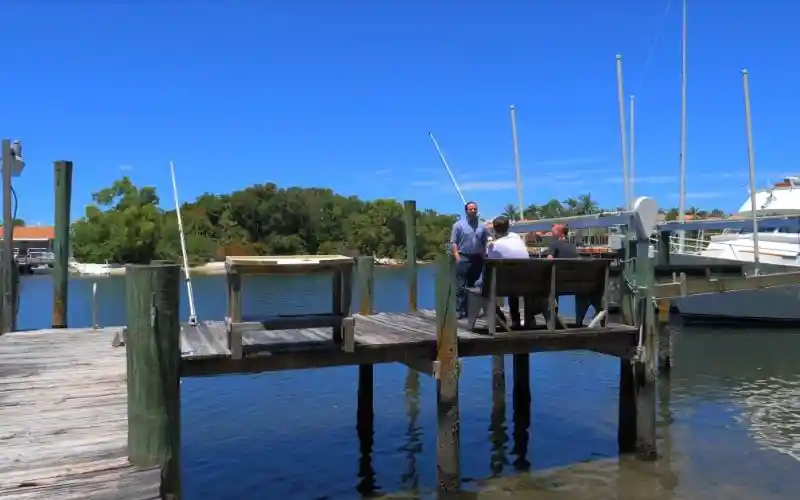
Teen boys can enjoy a wide variety of experiential therapies and outdoor activities at Family First Adolescent Services. Boys can paddleboard, wakeboard, paintball, surf, kayak, and go deep-sea fishing. They can also try CrossFit and yoga, plus weight training in Family First Adolescent Servicesā on-site gym. After treatment, Family First Adolescent Services offers a year of aftercare services with weekly check-ins and 2 weekly meetings. Their intensive outpatient program (IOP) welcomes local teens for 3 group meetings a week and 1:1 sessions. For out-of-town teens, Family First Adolescent Services connects boys and their families with continued services in their areaālike therapy, therapeutic boarding school, and local IOPs.

Provider’s Policy:At Family First, we know that treatment financing can make all the difference in receiving quality treatment. In addition, advisors and insurance companies sometimes push families towards lower-cost, poor-quality treatment options. As a result, this sets young people up for exposure to negative and even traumatic treatment experiences. To support families in their efforts to access quality young adult and adolescent treatment, Family First Adolescent Services accepts a wide range of insurance plans and provides financing options.

A patient-first health insurance company, offering a range of insurance products and services to thousands of people across the United States.
Part of UnitedHealth Group, providing care to over 165,000 people worldwide.
A leading healthcare provider serving over 100 million Americans as one of the largest insurance companies in the country.
Founded in 1946, Anthem is the 4th largest public managed health care company in the United States and serves over 46 million clients.
Founded in 1996, Highmark helps 7 million customers all across the eastern half of the United States get quality care.
Family First Adolescent Services strives to help teen boys heal from underlying trauma and correct harmful thoughts and behaviors. They provide through psychiatric assessments to identify potential mental health conditions or past traumas. Their trauma-informed approach uses NARM (neuroaffective relational model) and trauma-focused therapies like EMDR to address past or ongoing trauma.
Family First Adolescent Servicesā academic team guides teens through schooling and into their next stages of life. Along with collaborating with their home schools and offering on-site classes, Family First Adolescent Services also helps teens prepare for their careers and develop intellectually. Teen boys additionally receive help as they begin writing resumes and preparing for interviews.
Family First Adolescent Services structures each day of treatment, keeping boys busy and engaged as they work on their recovery. If theyāre not in therapy or group classes, boys can enjoy clinician-led activities and holistic therapies, like yoga and mindfulness. Family First Adolescent Servicesā unique 5-in-7 model envelops teens in intensive 1:1 care right away for an attentive treatment introduction.
As their name implies, Family First Adolescent Services believes in treating the whole family. They include family from beginning to end, offering family therapy, parent support groups, and frequent communication about the progress of their son. Any medications pass through a parentās approval first, as do changes in treatment. Family First Adolescent Services provides additional weekly support meetings for families in their aftercare program, and an app and Facebook group for alumni and their parents.
RehabPath verified that the name, location, contact information and license to operate for this treatment provider are valid and up-to-date. Family First Adolescent Services has verified the information on this page to be accurate.
RehabPath is an independent, third-party mental health resource. Verification does not imply endorsement and does not guarantee the quality of treatment services
$1,950 | Per day
$87,750 | 45 days
$175,500 | 90 days
Extended options available
Adolescents
Adolescents
Adolescents receive the treatment they need for mental health disorders and addiction, with the added support of educational and vocational services.
Boys
Mental health is a complex health condition that requires a comprehensive, patient-centered approach to treatment that ensures you receive the appropriate care at the right time, based on your individual needs.
An intensive program offering 24 hour care and a variety of therapeutic services in a residential setting.
Transitional housing designed to support individuals recovering from substance use disorders offering a safe, supportive and structured environment for practicing long-term sobriety, while reintegrating back into daily living.
In a PHP, patients live at home but follow an intensive schedule of treatment. Most programs require you to be on-site for about 40 hours per week.
Treatment programming allowing patients to receive care without staying in a hospital or inpatient facility, providing a variety of therapeutic and medical services.
Some primary care providers offer mental health diagnosis and treatment. This can prevent patients from developing more serious conditions.
Adolescents
Adolescents
Adolescents receive the treatment they need for mental health disorders and addiction, with the added support of educational and vocational services.
Anxiety
Anxiety
Anxiety is a common mental health condition that can include excessive worry, panic attacks, physical tension, and increased blood pressure.
Bipolar
Bipolar
This mental health condition is characterized by extreme mood swings between depression, mania, and remission.
Drug Addiction
Drug Addiction
Drug addiction is the excessive and repetitive use of substances, despite harmful consequences to a person’s life, health, and relationships.
Gaming
Gaming
Compulsive gaming is most often a problem for children and teens. The disorder can affect physical health, sleep, and the ability to focus at school.
Internet Addiction
Internet Addiction
Internet addiction is common among children teens. This compulsive disorder can damage relationships, school performance, sleep habits, and physical health.
Trauma
Trauma
Some traumatic events are so disturbing that they cause long-term mental health problems. Those ongoing issues can also be referred to as ‘trauma.’
Boys
Evidence-Based
Evidence-Based
A combination of scientifically rooted therapies and treatments make up evidence-based care, defined by their measured and proven results.
Family Involvement
Family Involvement
Providers involve family in the treatment of their loved one through family therapy, visits, or bothābecause addiction is a family disease.
Holistic
Holistic
A non-medicinal, wellness-focused approach that aims to align the mind, body, and spirit for deep and lasting healing.
Experiential
Experiential
Expressive tools and therapies help patients process past situations, learn more about themselves, and find healing through action.
Surf Therapy
Surf Therapy
Surf therapy promotes body awareness, mindfulness, and self-confidence. Because sessions begin with surf lessons, this treatment is appropriate for beginners.
Group Therapy
Equine Therapy
Equine Therapy
Guided interactions with trained horses, their handler, and a therapist can help patients improve their self-esteem, trust, empathy, and social skills.
1-on-1 Counseling
1-on-1 Counseling
Patient and therapist meet 1-on-1 to work through difficult emotions and behavioral challenges in a personal, private setting.
Mindfulness Therapy
Mindfulness Therapy
This ancient practice can be mental, emotional, and even spiritual. In meditation, you focus your attention on the present moment without judgement.
1-on-1 Counseling with Clinical Psychologist
Life Skills
Life Skills
Teaching life skills like cooking, cleaning, clear communication, and even basic math provides a strong foundation for continued recovery.
Attachment-Based Family Therapy
ABFT is a trauma-focused therapy that teaches you to form healthy relationships by rebuilding trust and healing attachment issues formed in childhood.
Animal Therapy
Animal Therapy
Animals can inspire trust and self-worth. In this experiential therapy, guided interactions are used to improve social skills and emotion regulation.
Adventure Therapy
Adventure Therapy
This experiential approach uses the physical and emotional challenges of outdoor activities as tools for personal growth.
Cognitive Behavioral Therapy
Body Image Therapy
Body Image Therapy
Therapists use cognitive behavior techniques to challenge how patients perceive their body and their worth, rewriting negative thoughts and attitudes.
Online Therapy
Online Therapy
Patients can connect with a therapist via videochat, messaging, email, or phone. Remote therapy makes treatment more accessible.
Experiential Therapy
With this approach, patients heal by doing. Therapists help patients process difficult emotions to speak, using guided activities like art or dance.
Didactic Group Therapy
Recreation Therapy
Recreation Therapy
In recreation therapy, recovery can be joyful. Patients practice social skills and work through emotional triggers by engaging in fun activities.
Family Therapy
Family Therapy
Family therapy addresses group dynamics within a family system, with a focus on improving communication and interrupting unhealthy relationship patterns.
Relaxation Therapy
Relaxation Therapy
Muscle relaxation techniques relax mind and body. They can easily be practiced outside treatment, making it a valuable coping tool for continued recovery.
Trauma-Specific Therapy
This form of talk therapy addresses any childhood trauma at the root of a patient’s current diagnosis.
Meditation & Mindfulness
A practiced state of mind that brings patients to the present. It allows them to become fully aware of themselves, their feelings, and the present moment.
DBT
DBT
This stage-based therapy helps patients address their realities and behaviors while inspiring healthy change, primarily in regulating emotions.
Art Therapy
Art Therapy
Visual art invites patients to examine the emotions within their work, focusing on the process of creativity and its gentle therapeutic power.
Eye Movement Therapy (EMDR)
Lateral, guided eye movements help reduce the emotional reactions of retelling and reprocessing trauma, allowing intense feelings to dissipate.
Self-Harm
Self-Harm
The act of intentionally harming oneself, also called self-injury, is associated with mental health issues like depression.
Shopping
Shopping
Excessive shopping and spending also known as compulsive buying disorder makes life unsustainable. It puts a strain on finances, relationships, and emotional well-being.
Prescription Drugs
Prescription Drugs
It’s possible to abuse any drug, even prescribed ones. If you crave a medication, or regularly take it more than directed, you may have an addiction.
Nicotine
Co-Occurring Disorders
A person with multiple mental health diagnoses, such as addiction and depression, has co-occurring disorders also called dual diagnosis.
Cocaine
Cocaine
Cocaine is a stimulant with euphoric effects. Agitation, muscle ticks, psychosis, and heart issues are common symptoms of cocaine abuse.
Ecstasy
Ecstasy
Ecstasy is a stimulant that causes intense euphoria and heightened awareness. Abuse of this drug can trigger depression, insomnia, and memory problems.
Gaming
Gaming
Compulsive gaming is most often a problem for children and teens. The disorder can affect physical health, sleep, and the ability to focus at school.
Pornography
Pornography
A person with a porn addiction is emotionally dependent on pornography to the point that it interferes with their daily life and relationships.
Grief and Loss
Grief and Loss
Grief is a natural reaction to loss, but severe grief can interfere with your ability to function. You can get treatment for this condition.
Codependency
Codependency
Codependency is a pattern of emotional dependence and controlling behavior. It’s most common among people with addicted loved ones.
Internet Addiction
Internet Addiction
Internet addiction is common among children teens. This compulsive disorder can damage relationships, school performance, sleep habits, and physical health.
Psychedelics
Psychedelics
Hallucinogenic drugsālike LSDācause euphoria and increased sensory experiences. When abused, they can lead to depression and psychosis.
Post Traumatic Stress Disorder
PTSD is a long-term mental health issue caused by a disturbing event or events. Symptoms include anxiety, dissociation, flashbacks, and intrusive thoughts.
Marijuana
Suicidality
Suicidality
With suicidality, a person fantasizes about suicide, or makes a plan to carry it out. This is a serious mental health symptom.
Depression
Depression
Symptoms of depression may include fatigue, a sense of numbness, and loss of interest in activities. This condition can range from mild to severe.
Drug Addiction
Drug Addiction
Drug addiction is the excessive and repetitive use of substances, despite harmful consequences to a person’s life, health, and relationships.
Alcohol
Alcohol
Using alcohol as a coping mechanism, or drinking excessively throughout the week, signals an alcohol use disorder.
Anxiety
Anxiety
Anxiety is a common mental health condition that can include excessive worry, panic attacks, physical tension, and increased blood pressure.
Bipolar
Bipolar
This mental health condition is characterized by extreme mood swings between depression, mania, and remission.
Stress
Stress
Stress is a natural reaction to challenges, and it can even help you adapt. However, chronic stress can cause physical and mental health issues.
Obsessive Compulsive Disorder
OCD is characterized by intrusive and distressing thoughts that drive repetitive behaviors. This pattern disrupts daily life and relationships.
Anger
Anger
Although anger itself isn’t a disorder, it can get out of hand. If this feeling interferes with your relationships and daily functioning, treatment can help.
Trauma
Trauma
Some traumatic events are so disturbing that they cause long-term mental health problems. Those ongoing issues can also be referred to as ‘trauma.’
ADHD, ADD
ADHD, ADD
ADHD is a common mental health condition caused by dopamine imbalance. Common symptoms include inattention, hyperactivitiy, and impulsivity.
Air-Conditioned Rooms
Bathroom Essentials (towels, soap, shampoo)
Housekeeping
Shared Bathroom
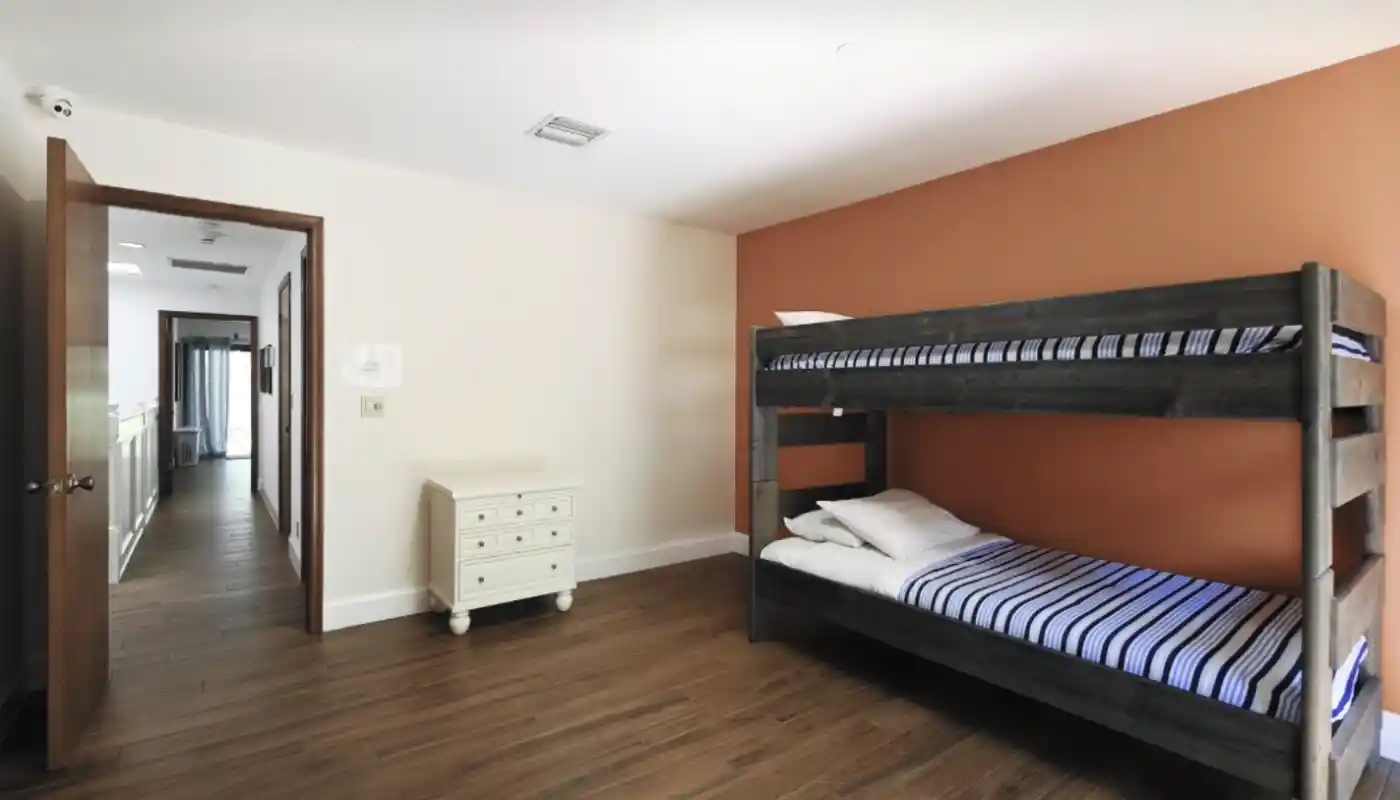
Shared Rooms
Snacks
Access to Nature
Fitness Center
Gardens
Outdoor Lounge
Recreation Room
Gender-specific groups
Patients in gender-specific groups gain the opportunity to discuss challenges unique to their gender in a comfortable, safe setting conducive to healing.
Kosher
Men only
Men only
Treatment for men addresses the specific challenges men face and unites them in a likeminded, shame-free environment for greater comfort and success.
Wheelchair Accessible
Young Adults Program
Programs for young adults bring teens 18+ together to discuss age-specific challenges, vocational and educational progress, and successes in treatment.
Yoga
Yoga
Yoga is both a physical and spiritual practice. It includes a flow of movement, breathing techniques, and meditation.
Games
Physical Fitness
Escape Room
Boating Charters
Yoga
Yoga
Yoga is both a physical and spiritual practice. It includes a flow of movement, breathing techniques, and meditation.
Adventure Outings
Beach Fitness
Beach Walks
Fishing
Alternative Meetings
Games
Horseback Riding
Physical Fitness
Ropes Course
Swimming
Water Activities
Access to Nature
Academic Coordinator
BA
Chief Development Officer
CAC, CTP, ICADC, NMP
Clinical Supervisor
M.Ed, LMHC, NCC
Lead Therapist
MA
Senior Therapist
MSW
Senior Therapist
MSW
Therapist
LCSW
Senior Therapist
LMHC
Therapist
MA
Therapist
MSW
Therapist
M.Ed., NCC
Therapist
MSW
Clinical Coach
MS
Clinical Coach
Clinical Coach
MS
Clinical Coach
CASAC
Clinical Coach
BSW
Clinical Coach
BA
Clinical Coach
BSW
Director of Experiential & Alumni Services
CAC
Director of Experiential Programming
MS, EMDR, CF-L1
Holistic Practitioner
Personal Trainer & Fitness Coordinator
CPT
Medical Director
MD MPH
Director of Psychiatric & Health Services
MSN, APRN, PMHNP-BC
Director of Nursing
RN
Registered Nurse
RN
Vice President of Operations
BS
Program Director
CAC, ICADC
Director of Support Services
CAC, ICADC
Assistant Director of Support Services
Lead Counselor Assistant
Education Director
BS
Academic Coordinator
Education Specialist
BS
Senior Program Coordinator
Program Coordinator
Evening Program Supervisor
Program Coordinator
Assistant Program Coordinator
CBHT
Program Coordinator
Assistant Program Coordinator & Case Manager
While costs may vary due to program length and insurance benefits, it typically costsĀ $1,950 / day.
At Family First, we know that treatment financing can make all the difference in receiving quality treatment. In addition, advisors and insurance companies sometimes push families towards lower-cost, poor-quality treatment options. As a result, this sets young people up for exposure to negative and even traumatic treatment experiences. To support families in their efforts to access quality young adult and adolescent treatment, Family First Adolescent Services accepts a wide range of insurance plans and provides financing options.
Top10 Rehabs is an independent organization that simplifies finding the best mental health and addiction treatment. Comprehensive profiles of over 2,500 rehab centers include insurance coverage, pricing, photos, reviews, and more. Choosing the best path to recovery has never been easier.