

Claimed
Top10 Rehabs has connected directly with this treatment provider to validate the information in their profile.
A residential treatment home for teen girls (ages 12-18) that treats mental health conditions and substance use nestled beside the Wasatch Mountains.
Connect with Embark at Hobble Creek by calling their admissions team directly.

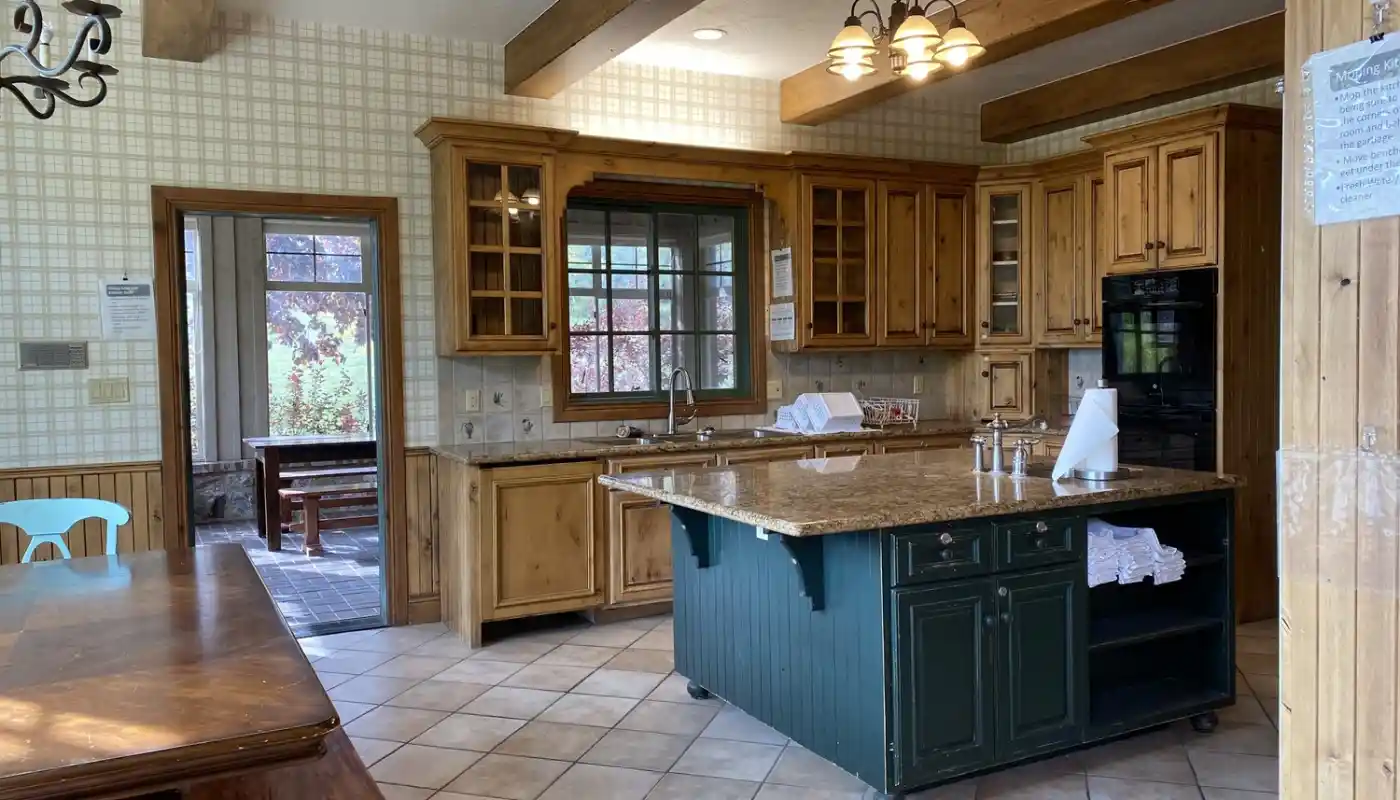

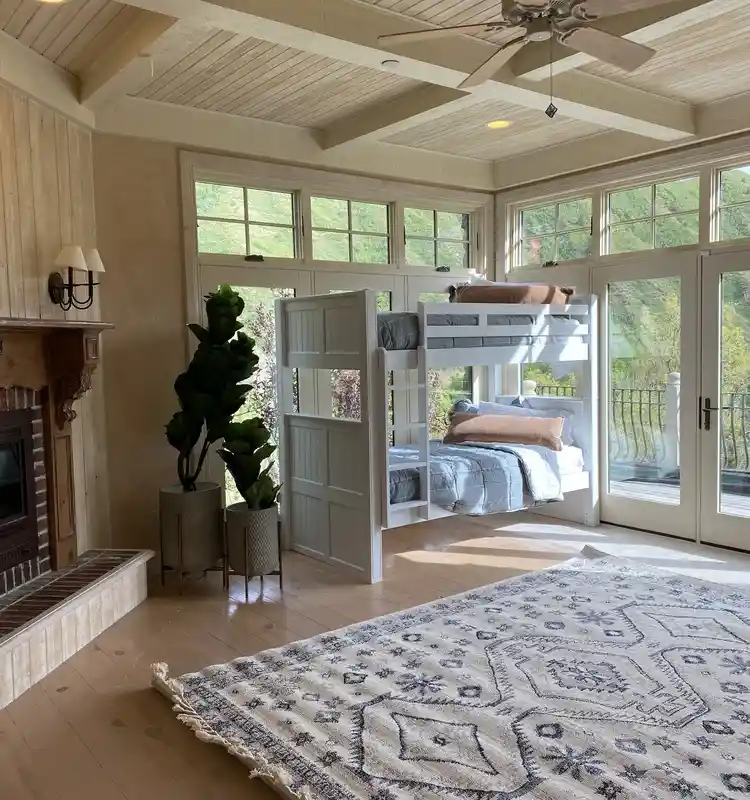
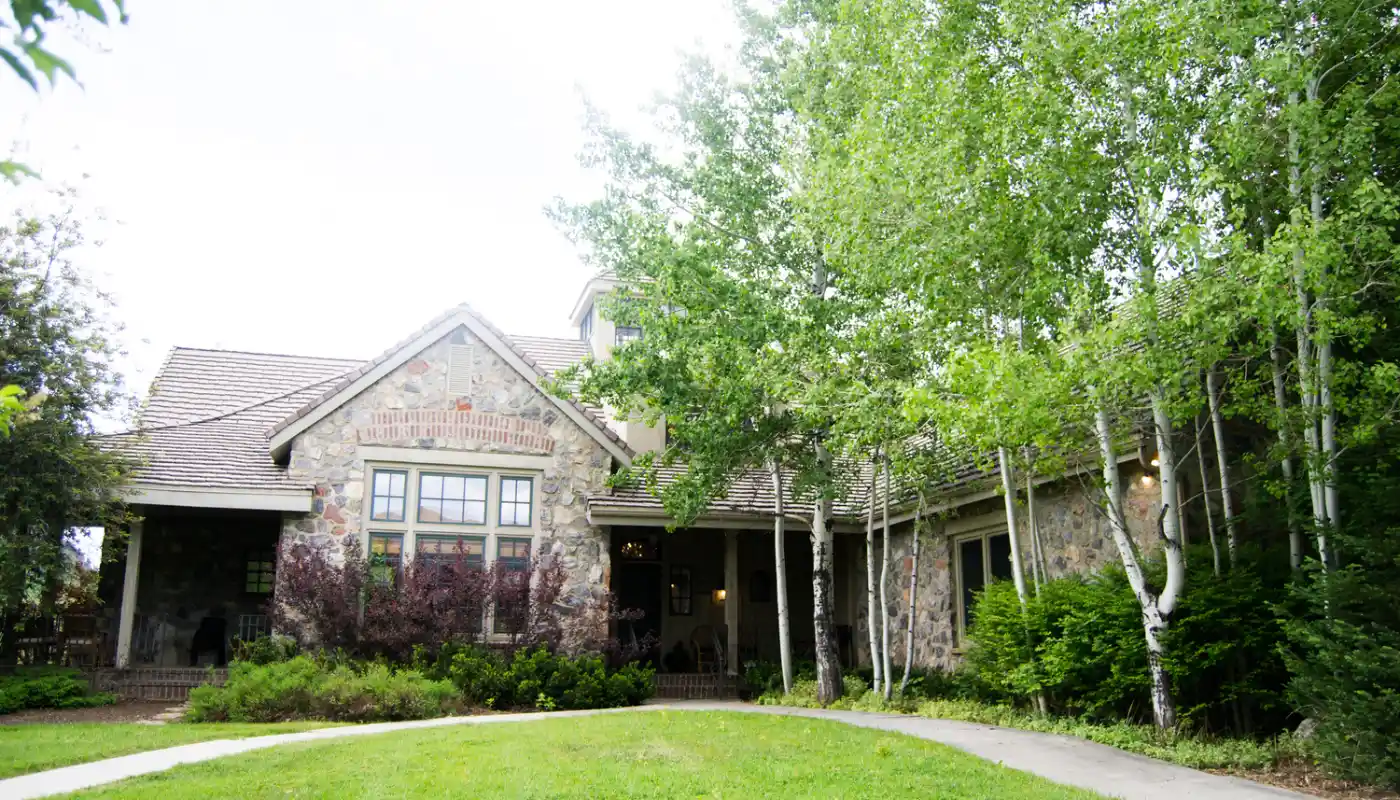
Embark at Hobble Creek is situated in Springville, Utah, amid the foothills of the breathtaking Wasatch Mountains, and in Hobble Creek Canyon. Springville is a unique locality called from the numerous freshwater springs in the vicinity. Clients feel as though they are miles away from everyone throughout their vacation, but they are just 55 minutes from Salt Lake City. Embark provides specialized short-term residential care and assistance for teenage girls seeking treatment for mental health issues and substance use. They offer a therapeutic, compassionate, and safe atmosphere to assist families and their daughters in overcoming behavioral health difficulties that may be interfering with their daily lives. Embark takes pride in tailoring therapy to the specific requirements of each client and family. The center provides treatment for mental health conditions such as ADHD, anxiety, depression, suicidality, PTSD, and more.
Embark at Hobble Creek offers short-term residential program that lasts from one to three months. Pre-teen and adolescent girls will live at Embark’s scenic residential treatment center in Pennsylvania and take part in a variety of activities aimed at treating mental health issues and rehabilitation. At Embark, clients can enjoy art therapy projects, local excursions, volleyball, yoga, rock climbing, adventure activities, and more. Embark utilities approaches such as 1-on-1 therapy, family therapy, dialectical behavioral therapy (DBT), trauma-focused therapy, and motivational interviewing. Embark at Hobble Creek is Joint Commission accredited and accepts private and public insurance. Treatment lasts around 90 days.
Provider’s Policy:Short-term residential treatment at Embark is frequently reimbursed by insurance plans. To determine if your insurance plan will cover the cost of inpatient care, contact our team or fill out our insurance verification form. We’ll work with your insurance company for free to help you understand your benefits. Let us help you demystify insurance coverage for short-term residential treatment.

Cigna’s unique history traces back to 1792, but today they offer services to 190 million customers in 30 different countries across the globe.

A leading healthcare provider serving over 100 million Americans as one of the largest insurance companies in the country.

Offering plans to individuals and businesses throughout the United States and in countries around the world.

Founded in 1946, Anthem is the 4th largest public managed health care company in the United States and serves over 46 million clients.


Adolescents
Adolescents
Adolescents receive the treatment they need for mental health disorders and addiction, with the added support of educational and vocational services.
Women only
Women only
Women attend treatment in a gender-specific facility, with treatment delivered in a safe, nourishing, and supportive environment for greater comfort.

Mental health is a complex health condition that requires a comprehensive, patient-centered approach to treatment that ensures you receive the appropriate care at the right time, based on your individual needs.

An intensive program offering 24 hour care and a variety of therapeutic services in a residential setting.

Transitional housing designed to support individuals recovering from substance use disorders offering a safe, supportive and structured environment for practicing long-term sobriety, while reintegrating back into daily living.
Treatment programming allowing patients to receive care without staying in a hospital or inpatient facility, providing a variety of therapeutic and medical services.
Some primary care providers offer mental health diagnosis and treatment. This can prevent patients from developing more serious conditions.

Adolescents
Adolescents
Adolescents receive the treatment they need for mental health disorders and addiction, with the added support of educational and vocational services.
Alcohol
Alcohol
Using alcohol as a coping mechanism, or drinking excessively throughout the week, signals an alcohol use disorder.
Co-Occurring Disorders
Co-Occurring Disorders
A person with multiple mental health diagnoses, such as addiction and depression, has co-occurring disorders also called dual diagnosis.
Drug Addiction
Drug Addiction
Drug addiction is the excessive and repetitive use of substances, despite harmful consequences to a person’s life, health, and relationships.
Evidence-Based
Evidence-Based
A combination of scientifically rooted therapies and treatments make up evidence-based care, defined by their measured and proven results.
Individual Treatment
Individual Treatment
Individual care meets the needs of each patient, using personalized treatment to provide them the most relevant care and greatest chance of success.
Family Involvement
Family Involvement
Providers involve family in the treatment of their loved one through family therapy, visits, or both–because addiction is a family disease.
Experiential
Experiential
Expressive tools and therapies help patients process past situations, learn more about themselves, and find healing through action.
1-on-1 Counseling
1-on-1 Counseling
Patient and therapist meet 1-on-1 to work through difficult emotions and behavioral challenges in a personal, private setting.
Cognitive Behavioral Therapy
DBT
DBT
This stage-based therapy helps patients address their realities and behaviors while inspiring healthy change, primarily in regulating emotions.
Experiential Therapy
Experiential Therapy
With this approach, patients heal by doing. Therapists help patients process difficult emotions to speak, using guided activities like art or dance.
Eye Movement Therapy (EMDR)
Eye Movement Therapy (EMDR)
Lateral, guided eye movements help reduce the emotional reactions of retelling and reprocessing trauma, allowing intense feelings to dissipate.
Family Therapy
Family Therapy
Family therapy addresses group dynamics within a family system, with a focus on improving communication and interrupting unhealthy relationship patterns.
Motivational Interviewing
Motivational Interviewing
Based on the idea that motivation to change comes from within, providers use a conversational framework to discover personalized methods for change.
Narrative Therapy
Narrative Therapy
Through narrative therapy, patients rewrite past events with a positive focus. They separate themselves from the problem to see their purpose and capabilities.
Solution Focused, Goal-Oriented Therapy
Solution Focused, Goal-Oriented Therapy
A quick goal-oriented therapy that helps patients identify their current and future goals, find out how to achieve them, and empower future problem-solving.
Acceptance and Commitment Therapy (ACT)
Acceptance and Commitment Therapy (ACT)
This cognitive behavioral therapy teaches patients to accept challenging feelings and make the appropriate changes to reach personal goals.
Group Therapy
Yoga
Yoga
Yoga is both a physical and spiritual practice. It includes a flow of movement, breathing techniques, and meditation.
Co-Occurring Disorders
Co-Occurring Disorders
A person with multiple mental health diagnoses, such as addiction and depression, has co-occurring disorders also called dual diagnosis.
Grief and Loss
Grief and Loss
Grief is a natural reaction to loss, but severe grief can interfere with your ability to function. You can get treatment for this condition.
Codependency
Codependency
Codependency is a pattern of emotional dependence and controlling behavior. It’s most common among people with addicted loved ones.
Internet Addiction
Internet Addiction
Internet addiction is common among children teens. This compulsive disorder can damage relationships, school performance, sleep habits, and physical health.
Alcohol
Alcohol
Using alcohol as a coping mechanism, or drinking excessively throughout the week, signals an alcohol use disorder.
Post Traumatic Stress Disorder
Post Traumatic Stress Disorder
PTSD is a long-term mental health issue caused by a disturbing event or events. Symptoms include anxiety, dissociation, flashbacks, and intrusive thoughts.
Suicidality
Suicidality
With suicidality, a person fantasizes about suicide, or makes a plan to carry it out. This is a serious mental health symptom.
Depression
Depression
Symptoms of depression may include fatigue, a sense of numbness, and loss of interest in activities. This condition can range from mild to severe.
Drug Addiction
Drug Addiction
Drug addiction is the excessive and repetitive use of substances, despite harmful consequences to a person’s life, health, and relationships.
Anxiety
Anxiety
Anxiety is a common mental health condition that can include excessive worry, panic attacks, physical tension, and increased blood pressure.
Bipolar
Bipolar
This mental health condition is characterized by extreme mood swings between depression, mania, and remission.
Stress
Stress
Stress is a natural reaction to challenges, and it can even help you adapt. However, chronic stress can cause physical and mental health issues.
Obsessive Compulsive Disorder
Obsessive Compulsive Disorder
OCD is characterized by intrusive and distressing thoughts that drive repetitive behaviors. This pattern disrupts daily life and relationships.
Anger
Anger
Although anger itself isn’t a disorder, it can get out of hand. If this feeling interferes with your relationships and daily functioning, treatment can help.
Trauma
Trauma
Some traumatic events are so disturbing that they cause long-term mental health problems. Those ongoing issues can also be referred to as ‘trauma.’
ADHD, ADD
ADHD, ADD
ADHD is a common mental health condition caused by dopamine imbalance. Common symptoms include inattention, hyperactivitiy, and impulsivity.

Air-Conditioned Rooms
Shared Bathroom
Shared Rooms
Access to Nature
Outdoor Lounge
Walking Trails
Rock Climbing
Yoga
Yoga
Yoga is both a physical and spiritual practice. It includes a flow of movement, breathing techniques, and meditation.
Biking
Cooking Classes
Alternative Meetings
Hiking
Swimming
Springville, Utah, United States.
Short-term residential treatment at Embark is frequently reimbursed by insurance plans. To determine if your insurance plan will cover the cost of inpatient care, contact our team or fill out our insurance verification form. We’ll work with your insurance company for free to help you understand your benefits. Let us help you demystify insurance coverage for short-term residential treatment.
The typical length is 90 days.
Top10 Rehabs is an independent organization that simplifies finding the best mental health and addiction treatment. Comprehensive profiles of over 2,500 rehab centers include insurance coverage, pricing, photos, reviews, and more. Choosing the best path to recovery has never been easier.