

Claimed
Top10 Rehabs has connected directly with this treatment provider to validate the information in their profile.
Providing evidence-based treatment in a therapeutic community setting for children 10 and older and adults seeking treatment for eating disorders
Connect with Eating Recovery Center Washington by calling their admissions team directly.


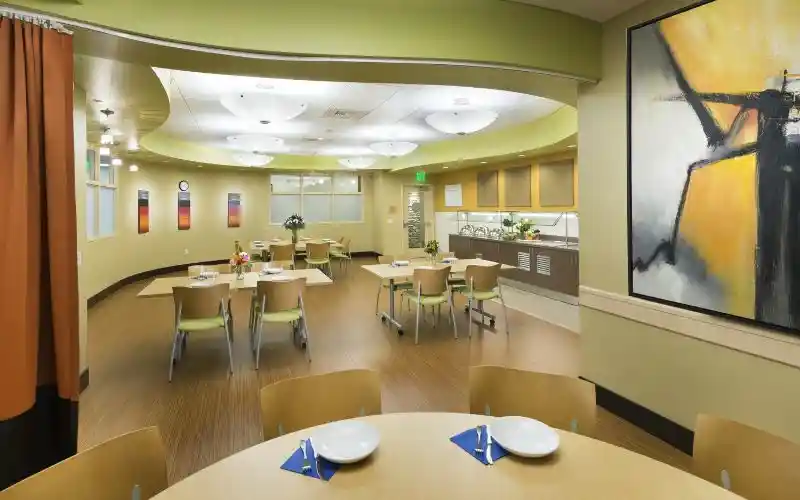


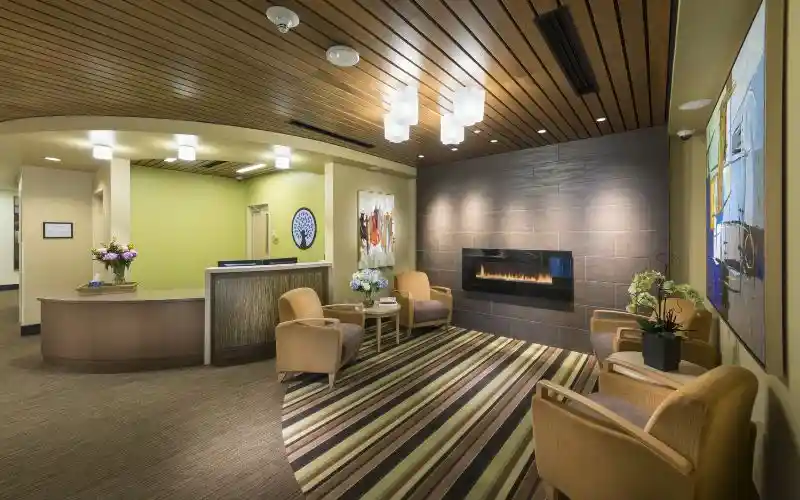
Located near nature parks and surrounded by the beautiful green scenery of Washington, Eating Recovery Center Bellevue is a specialized treatment center for eating disorders.. The center offers comprehensive treatment options for adults, adolescents ages 11 to 17, and children as young as 7 years old. Their multidisciplinary team provides cutting-edge medical, psychiatric, psychological, and nutritional interventions in their residential, partial hospitalization, and intensive outpatient programs.
Treatment Services
The residential program provides 24-hour support and daytime medical and psychiatric supervision for patients who require constant observation. The partial hospitalization program (PHP) offers full-day treatment, seven days per week, with 11 hours of daily programming. The program emphasizes the development of recovery skills, relapse prevention, and healthy parent-child interactions through individual, group, and family therapy, and staff-supported meals. Their intensive outpatient program (IOP) provides 3 hours of treatment per day, 3 days per week.
Treatment Methods
Eating Recovery Center Bellevue uses evidence-based therapies, including dialectical behavioral therapy (DBT), cognitive behavioral therapy (CBT), exposure and response prevention, behavioral activation, and DBT-centered trauma education. The center’s registered dietitians work closely with parents and patients to understand the fundamentals of nutrition, food portioning, and food plating. In addition to regularly scheduled family therapy, parents eat supported meals with their children.
Provider’s Policy:We Are In-Network With Most Major Commercial Insurance Providers. We do not currently accept Medicaid or Medicare. To ensure you can pursue recovery, our dedicated team will work on your behalf by acting as a liaison with your insurance provider, answering your questions, and providing guidance and support every step of the way.

With roots in the health field dating back to 1961, Humana is a trusted insurance provider that proudly serves over 20 million Americans.
Cigna’s unique history traces back to 1792, but today they offer services to 190 million customers in 30 different countries across the globe.
A leading healthcare provider serving over 100 million Americans as one of the largest insurance companies in the country.

Offering plans to individuals and businesses throughout the United States and in countries around the world.

One of the largest health insurance companies in the US, offering several health insurance options to individuals and businesses.
The world’s #1 employee assisted program (EAP) provider, offering unique personalized programs to Americans & people worldwide.


Adolescents
Adolescents
Adolescents receive the treatment they need for mental health disorders and addiction, with the added support of educational and vocational services.
Children
Children
Treatment for children incorporates the psychiatric care they need and education, often led by on-site teachers to keep children on track with school.
Men and Women
Men and Women
Men and women attend treatment for addiction in a co-ed setting, going to therapy groups together to share experiences, struggles, and successes.

Mental health is a complex health condition that requires a comprehensive, patient-centered approach to treatment that ensures you receive the appropriate care at the right time, based on your individual needs.

Typically the initial stage of treatment for substance use, focusing on medically supervised management of withdrawal symptoms.

An intensive program offering 24 hour care and a variety of therapeutic services in a residential setting.
Transitional housing designed to support individuals recovering from substance use disorders offering a safe, supportive and structured environment for practicing long-term sobriety, while reintegrating back into daily living.
In a PHP, patients live at home but follow an intensive schedule of treatment. Most programs require you to be on-site for about 40 hours per week.
Treatment programming allowing patients to receive care without staying in a hospital or inpatient facility, providing a variety of therapeutic and medical services.
The delivery of therapeutic services utilizing technology such as video conferencing, online messaging or phone calls, allowing for flexibility, comfort and increased access to care.

Adolescents
Adolescents
Adolescents receive the treatment they need for mental health disorders and addiction, with the added support of educational and vocational services.
Children
Children
Treatment for children incorporates the psychiatric care they need and education, often led by on-site teachers to keep children on track with school.
Eating Disorders
Eating Disorders
An eating disorder is a long-term pattern of unhealthy behavior relating to food. Most people with eating disorders have a distorted self-image.
Therapeutic Community
Therapeutic Community
Therapeutic communities allow patients to contribute to the success and progress of their community, through healthy behaviors or even basic chores.
Evidence-Based
Evidence-Based
A combination of scientifically rooted therapies and treatments make up evidence-based care, defined by their measured and proven results.
Group Therapy
Family Involvement
Family Involvement
Providers involve family in the treatment of their loved one through family therapy, visits, or both–because addiction is a family disease.
Trauma Informed
Therapeutic Community
Therapeutic Community
Therapeutic communities allow patients to contribute to the success and progress of their community, through healthy behaviors or even basic chores.
1-on-1 Counseling
1-on-1 Counseling
Patient and therapist meet 1-on-1 to work through difficult emotions and behavioral challenges in a personal, private setting.
Meditation & Mindfulness
Meditation & Mindfulness
A practiced state of mind that brings patients to the present. It allows them to become fully aware of themselves, their feelings, and the present moment.
Trauma-Specific Therapy
Trauma-Specific Therapy
This form of talk therapy addresses any childhood trauma at the root of a patient’s current diagnosis.
Mindfulness Therapy
Mindfulness Therapy
This ancient practice can be mental, emotional, and even spiritual. In meditation, you focus your attention on the present moment without judgement.
Adventure Therapy
Adventure Therapy
This experiential approach uses the physical and emotional challenges of outdoor activities as tools for personal growth.
Biofeedback
Art Therapy
Art Therapy
Visual art invites patients to examine the emotions within their work, focusing on the process of creativity and its gentle therapeutic power.
Cognitive Behavioral Therapy
DBT
DBT
This stage-based therapy helps patients address their realities and behaviors while inspiring healthy change, primarily in regulating emotions.
Experiential Therapy
Experiential Therapy
With this approach, patients heal by doing. Therapists help patients process difficult emotions to speak, using guided activities like art or dance.
Expressive Arts
Expressive Arts
Creative processes like art, writing, or dance use inner creative desires to help boost confidence, emotional growth, and initiate change.
Family Therapy
Family Therapy
Family therapy addresses group dynamics within a family system, with a focus on improving communication and interrupting unhealthy relationship patterns.
Life Skills
Life Skills
Teaching life skills like cooking, cleaning, clear communication, and even basic math provides a strong foundation for continued recovery.
Recreation Therapy
Recreation Therapy
In recreation therapy, recovery can be joyful. Patients practice social skills and work through emotional triggers by engaging in fun activities.
Relapse Prevention Counseling
Relapse Prevention Counseling
Relapse prevention counselors teach patients to recognize the signs of relapse and reduce their risk.
Acceptance and Commitment Therapy (ACT)
Acceptance and Commitment Therapy (ACT)
This cognitive behavioral therapy teaches patients to accept challenging feelings and make the appropriate changes to reach personal goals.
Dialectical Behavior Therapy
Yoga
Yoga
Yoga is both a physical and spiritual practice. It includes a flow of movement, breathing techniques, and meditation.
Eating Disorders
Eating Disorders
An eating disorder is a long-term pattern of unhealthy behavior relating to food. Most people with eating disorders have a distorted self-image.
Co-Occurring Disorders
Co-Occurring Disorders
A person with multiple mental health diagnoses, such as addiction and depression, has co-occurring disorders also called dual diagnosis.
Family Follow-up Counseling
Support Meetings
Follow-up Sessions (in-person)
Outpatient Treatment

Air-Conditioned Rooms
Shared Bathroom
Shared Rooms
TV
Access to Nature
Chef-prepared Meals
Family Program
Other dietary needs (vegan, vegetarian, gluten-free, etc.)
Yoga
Yoga
Yoga is both a physical and spiritual practice. It includes a flow of movement, breathing techniques, and meditation.
Adventure Outings
Alternative Meetings
Reading
Bellevue, Washington, United States.
We Are In-Network With Most Major Commercial Insurance Providers. We do not currently accept Medicaid or Medicare. To ensure you can pursue recovery, our dedicated team will work on your behalf by acting as a liaison with your insurance provider, answering your questions, and providing guidance and support every step of the way..
The typical length is 30 Days.
Top10 Rehabs is an independent organization that simplifies finding the best mental health and addiction treatment. Comprehensive profiles of over 2,500 rehab centers include insurance coverage, pricing, photos, reviews, and more. Choosing the best path to recovery has never been easier.