

Unclaimed
This provider hasn’t verified their profile’s information. Are you the owner of this center? Claim your listing to better manage your presence on Top10 Rehabs.
A transitional living experience for teens and young adults, providing individualized treatment plans to achieve optimal wellness and independence.
Claim your profile to manage this page and enable the messaging form.
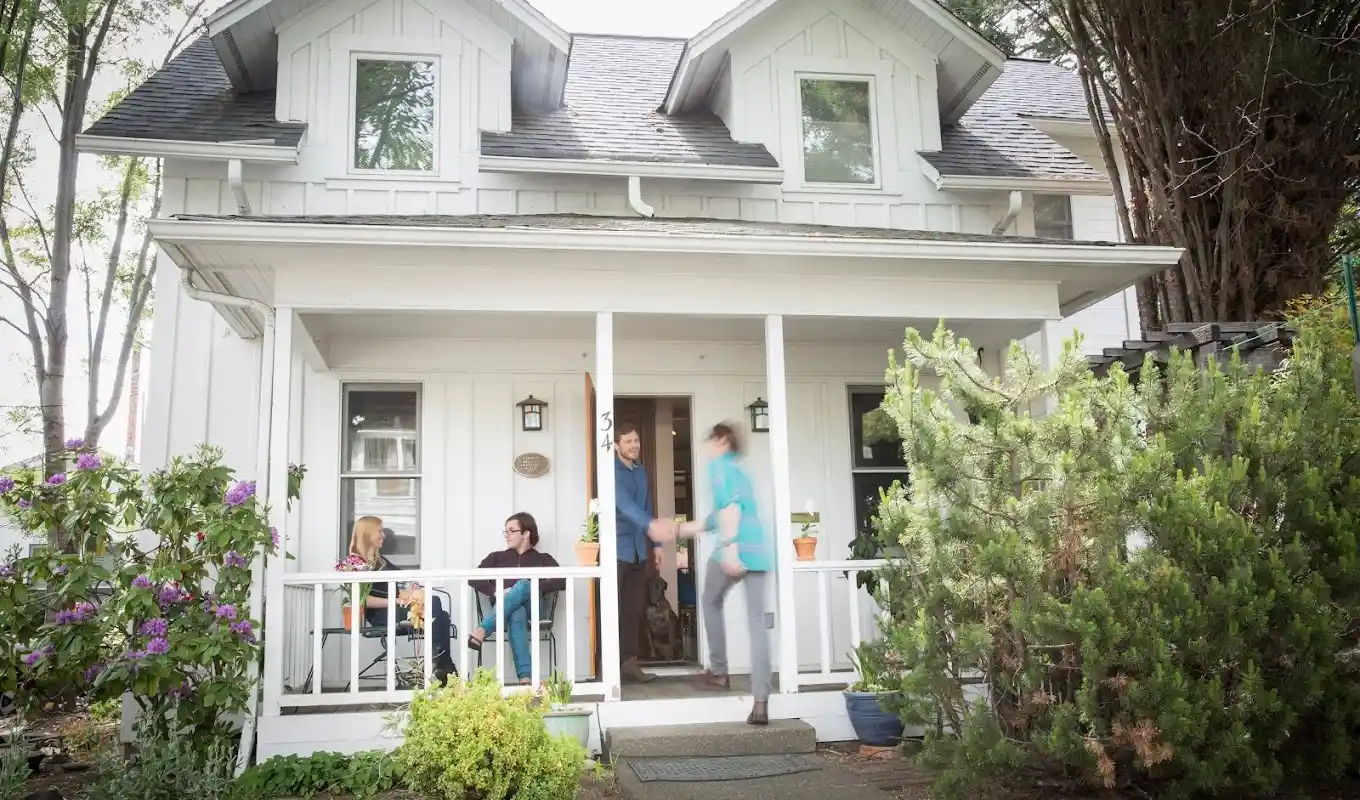
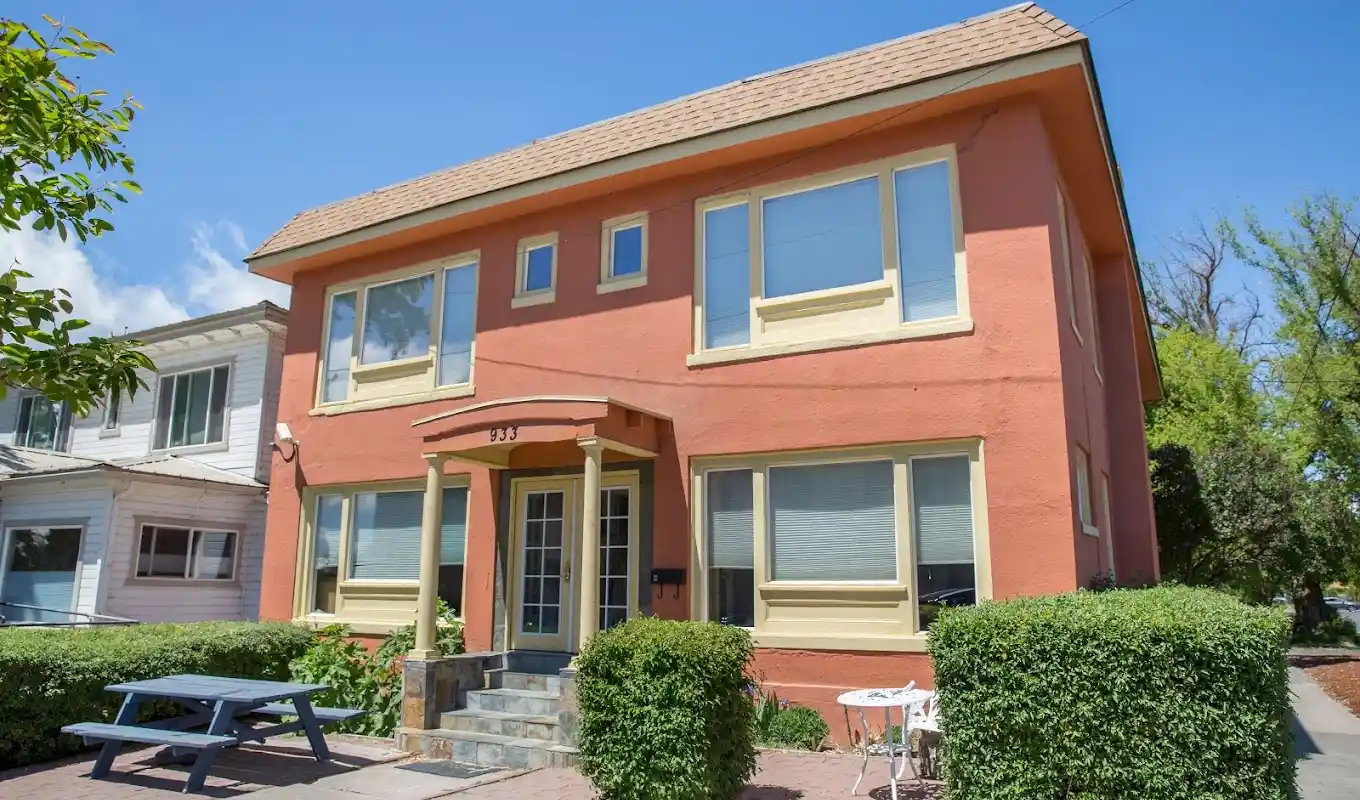
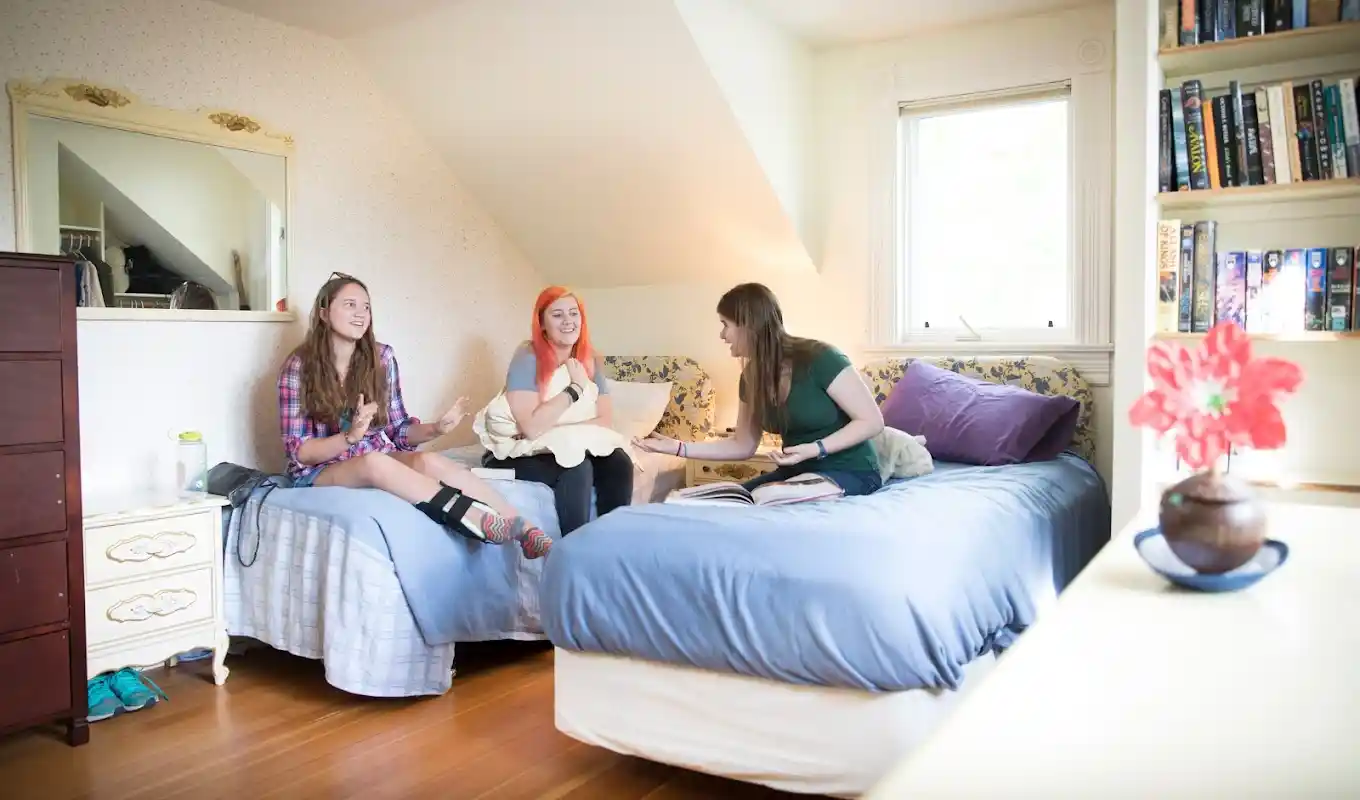


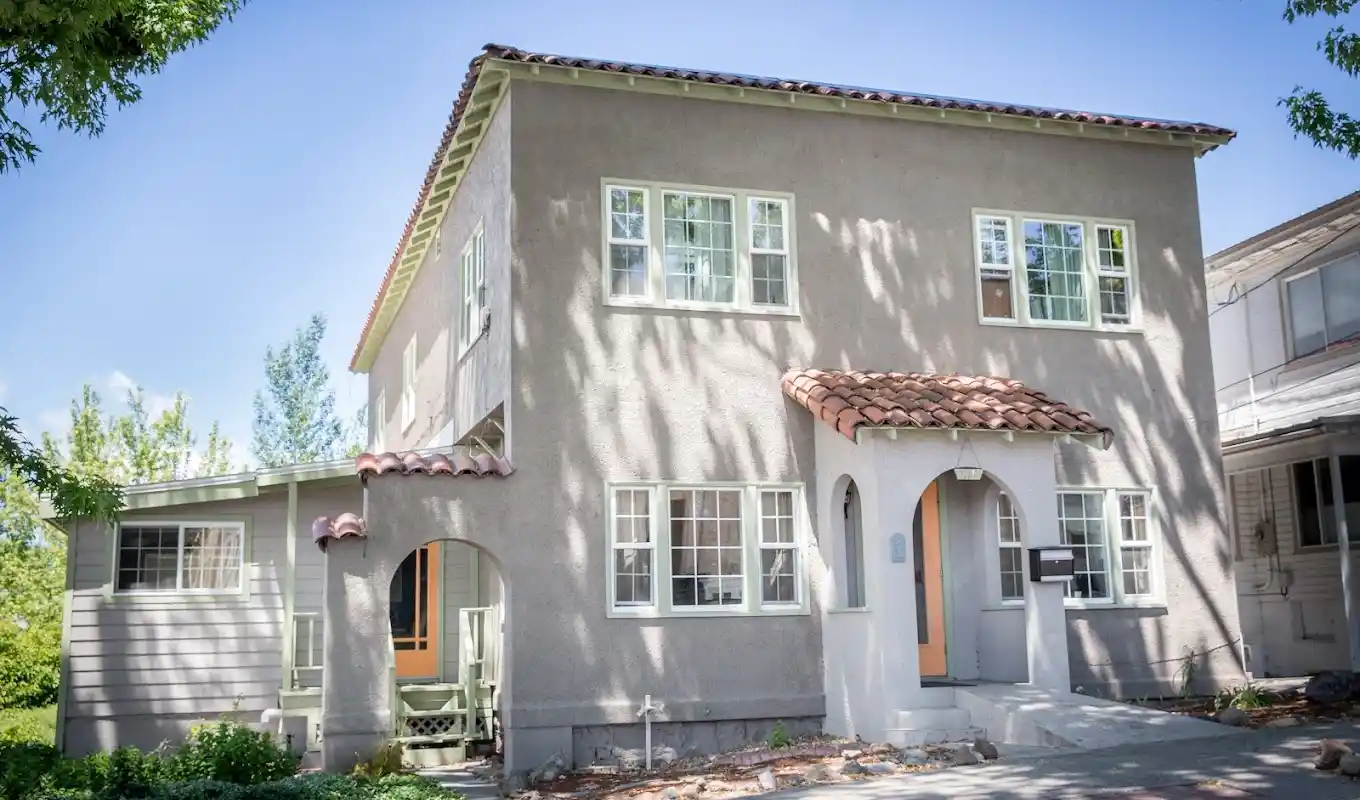
This transitional living experience is available in 3 different locations throughout Oregon for children, adolescents and young adults ages 18-31. This program is 9-12 months long and each clients’ treatment plan is unique and tailored to their specific needs. The intention of Dragonfly Transitions is for teens and young adults to challenge their negative behavioral patterns and learn how to confront life with independence. The clinicians help the young adults set educational, behavioral, social and vocational goals. Many people refer a loved one to this program due to an inability to set and achieve goals, inability to stay employed, body image issues, identity issues, learning differences, mood disorders, internet addiction or trauma.
Each individual moves through 4 phases of treatment during their time at Dragonfly. During the 1st phase, the clinicians create an individualized treatment plan with goals and expectations. In the 2nd phase, the young adults begin implementing new behaviors and explore new activities. They learn budgeting and personal finance management during this stage as well. In the 3rd phase, they are given opportunities to demonstrate leadership skills with peers. The 4th and final phase is optional, which includes the opportunity to move into their own apartment or college dorm in the area, demonstrating their ability to live life independently.

Adolescents
Adolescents
Adolescents receive the treatment they need for mental health disorders and addiction, with the added support of educational and vocational services.
Young Adults
Young Adults
Emerging adults ages 18-25 receive treatment catered to the unique challenges of early adulthood, like college, risky behaviors, and vocational struggles.
Neurodivergent

Mental health is a complex health condition that requires a comprehensive, patient-centered approach to treatment that ensures you receive the appropriate care at the right time, based on your individual needs.

Typically the initial stage of treatment for substance use, focusing on medically supervised management of withdrawal symptoms.

An intensive program offering 24 hour care and a variety of therapeutic services in a residential setting.
Transitional housing designed to support individuals recovering from substance use disorders offering a safe, supportive and structured environment for practicing long-term sobriety, while reintegrating back into daily living.
Treatment programming allowing patients to receive care without staying in a hospital or inpatient facility, providing a variety of therapeutic and medical services.

Adolescents
Adolescents
Adolescents receive the treatment they need for mental health disorders and addiction, with the added support of educational and vocational services.
Young Adults
Young Adults
Emerging adults ages 18-25 receive treatment catered to the unique challenges of early adulthood, like college, risky behaviors, and vocational struggles.
Licensed Primary Mental Health
Licensed Primary Mental Health
Some primary care providers offer mental health diagnosis and treatment. This can prevent patients from developing more serious conditions.
Transitional Living
Transitional Living
After rehab, some people stay in a transitional living situation before returning home. These programs offer structure, education, and community support.
1-on-1 Counseling
1-on-1 Counseling
Patient and therapist meet 1-on-1 to work through difficult emotions and behavioral challenges in a personal, private setting.
Family Therapy
Family Therapy
Family therapy addresses group dynamics within a family system, with a focus on improving communication and interrupting unhealthy relationship patterns.
Recreation Therapy
Recreation Therapy
In recreation therapy, recovery can be joyful. Patients practice social skills and work through emotional triggers by engaging in fun activities.
Group Therapy
ADHD, ADD
ADHD, ADD
ADHD is a common mental health condition caused by dopamine imbalance. Common symptoms include inattention, hyperactivitiy, and impulsivity.
Anxiety
Anxiety
Anxiety is a common mental health condition that can include excessive worry, panic attacks, physical tension, and increased blood pressure.
Bipolar
Bipolar
This mental health condition is characterized by extreme mood swings between depression, mania, and remission.
Depression
Depression
Symptoms of depression may include fatigue, a sense of numbness, and loss of interest in activities. This condition can range from mild to severe.
Gaming
Gaming
Compulsive gaming is most often a problem for children and teens. The disorder can affect physical health, sleep, and the ability to focus at school.
Internet Addiction
Internet Addiction
Internet addiction is common among children teens. This compulsive disorder can damage relationships, school performance, sleep habits, and physical health.
Trauma
Trauma
Some traumatic events are so disturbing that they cause long-term mental health problems. Those ongoing issues can also be referred to as ‘trauma.’

Private or Shared Rooms
Access to Nature
Luxury
Hiking
Klamath Falls, Oregon, United States.
The typical length is 9-12 months.
Top10 Rehabs is an independent organization that simplifies finding the best mental health and addiction treatment. Comprehensive profiles of over 2,500 rehab centers include insurance coverage, pricing, photos, reviews, and more. Choosing the best path to recovery has never been easier.