

Claimed
RehabPath has connected directly with this treatment provider to validate the information in their profile.
Blending a unique Growth Model of care with Christian philosophy, Compass Rose treats girls’ ages 14-18 struggling with behavioral and emotional health.
Connect with Compass Rose Academy by calling their admissions team directly.
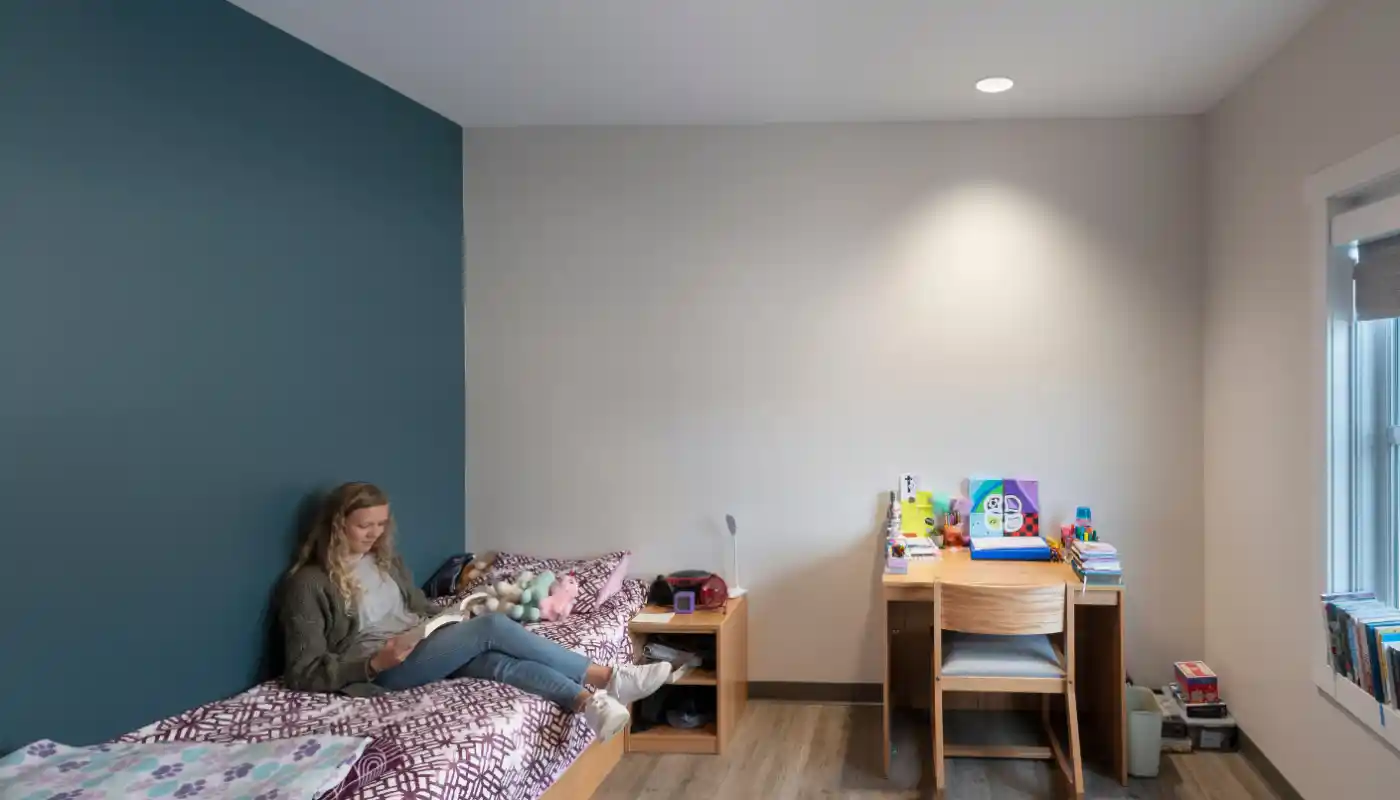
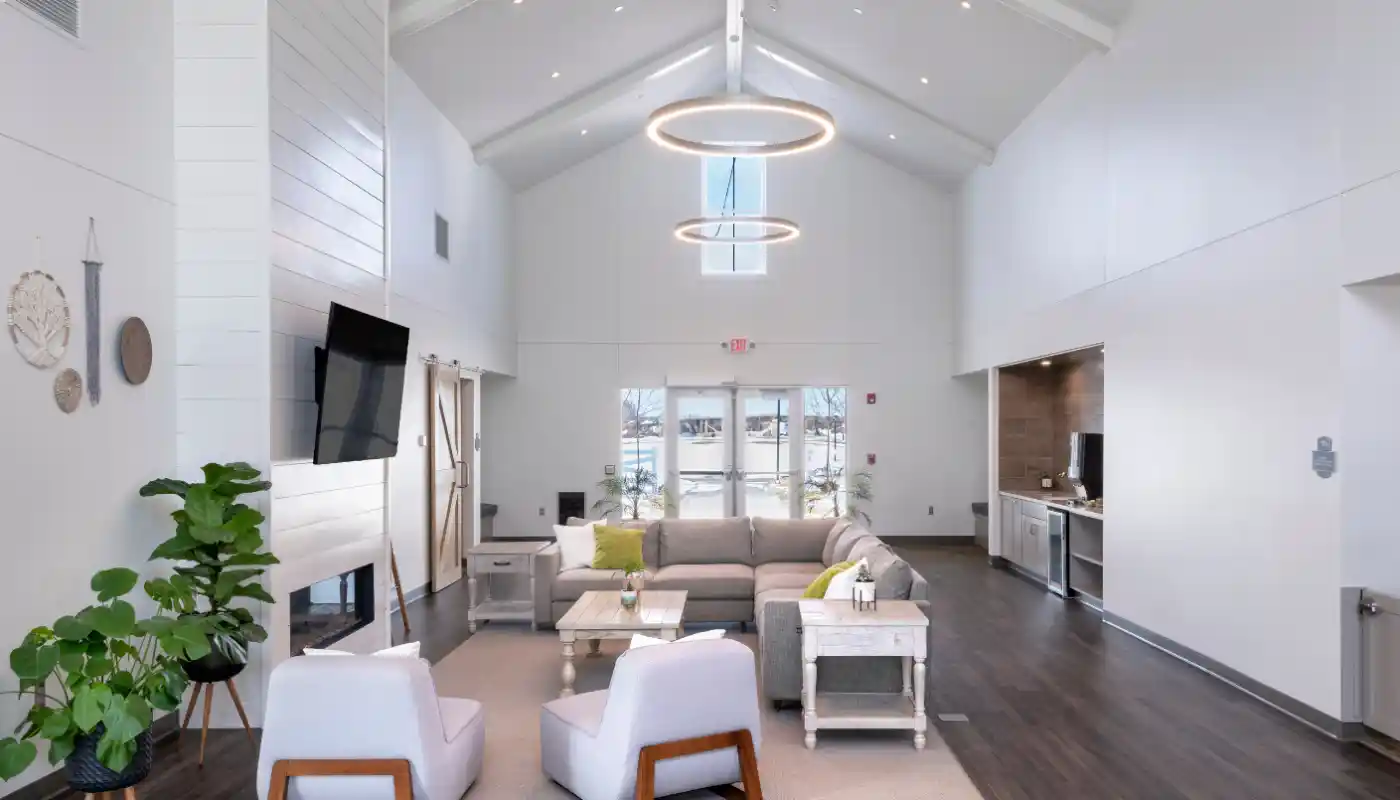
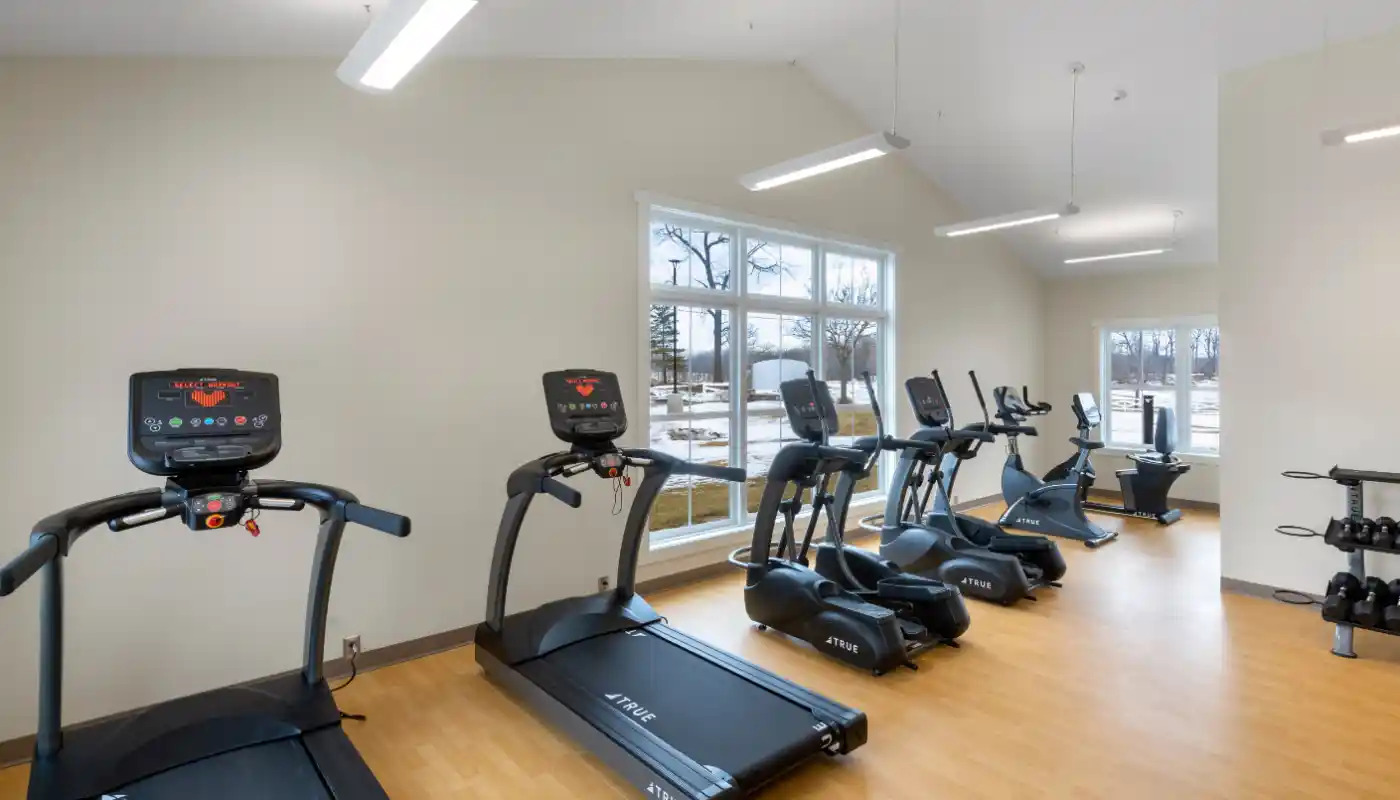
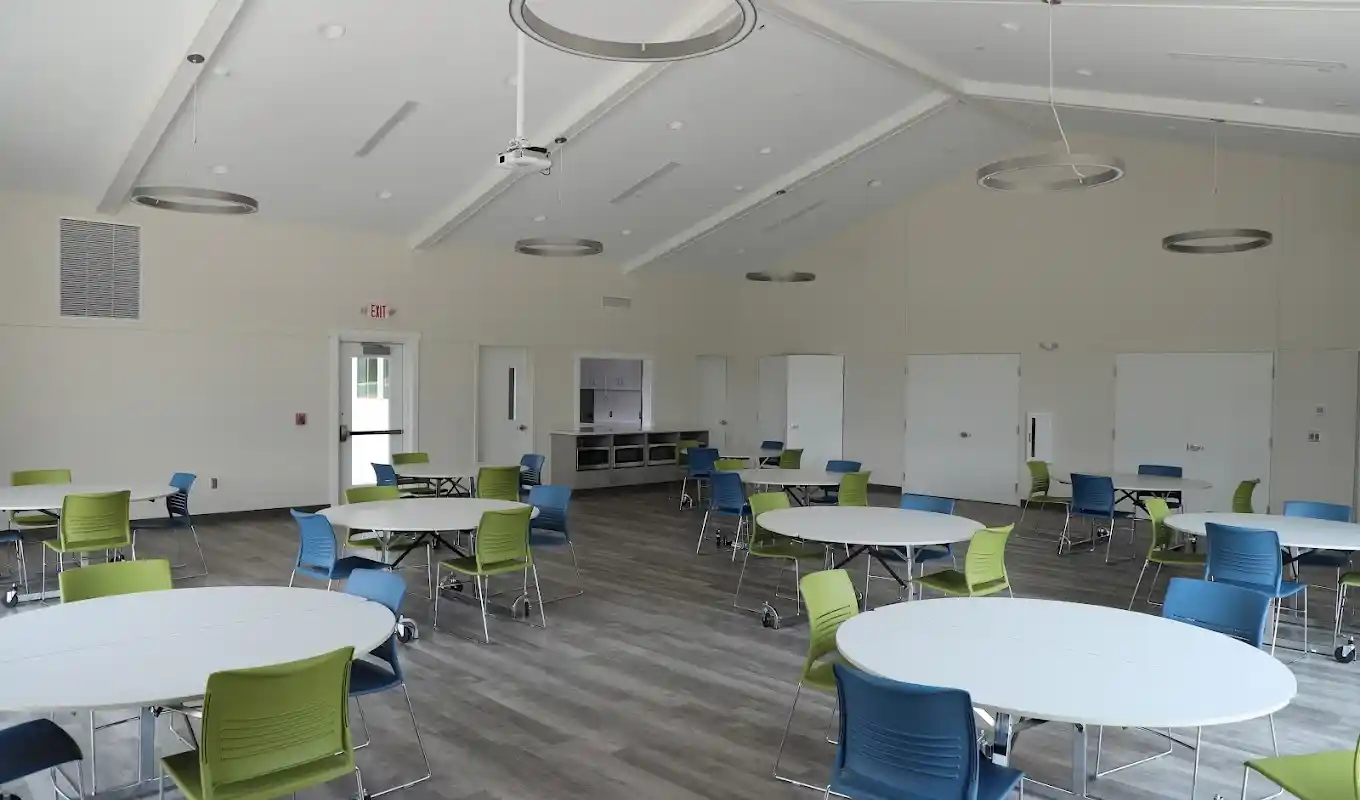
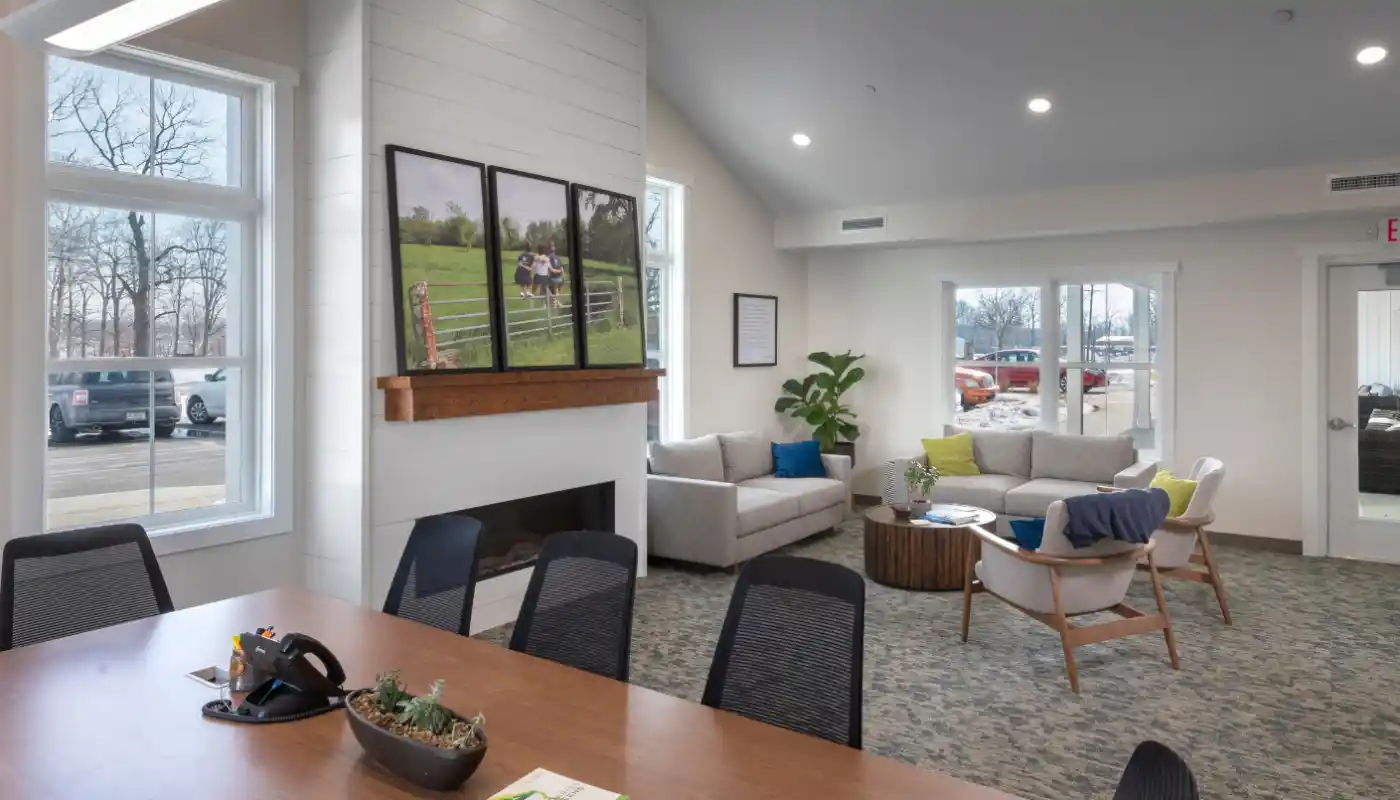

Compass Rose Academy was intentionally designed to offer a faith-based boarding school that treats the specific needs of girls ages 14 -18 struggling with behavioral and emotional concerns. The residential program is rooted in the belief that Christ is the ultimate source of love and healing and faith-based teachings, bible studies, and worship are all interwoven into the program. Compass Rose also uses a unique Growth Model recovery approach when treating anxiety, depression, or behavioral issues. Rather than focussing on lowering symptoms of anxiety or defiance, The Growth Model’s aim is to work on the underlying issue that drives the symptom. During the 12-month program, girls have the opportunity and space to work through issues with a licensed counselor. Dialectical behavioral therapy (CBT), eye movement therapy (EMDR), equine therapy, exercise and overall wellness are key components of the program.
Throughout the entire treatment process, parents play an important and active role. They also receive continuous support, regular communication, counseling, and visitation. Therapists work with parents and children to draft home visit agreements and behavior schedules that specify rules and expectations for off-campus and home visits.
Academics are also held on-site in collaboration with the Edgenuity Virtual Academy, a Church schooling curriculum. With the help of licensed teachers, every student has a unique academic plan that is intended to help them progress toward completing their graduation requirements.
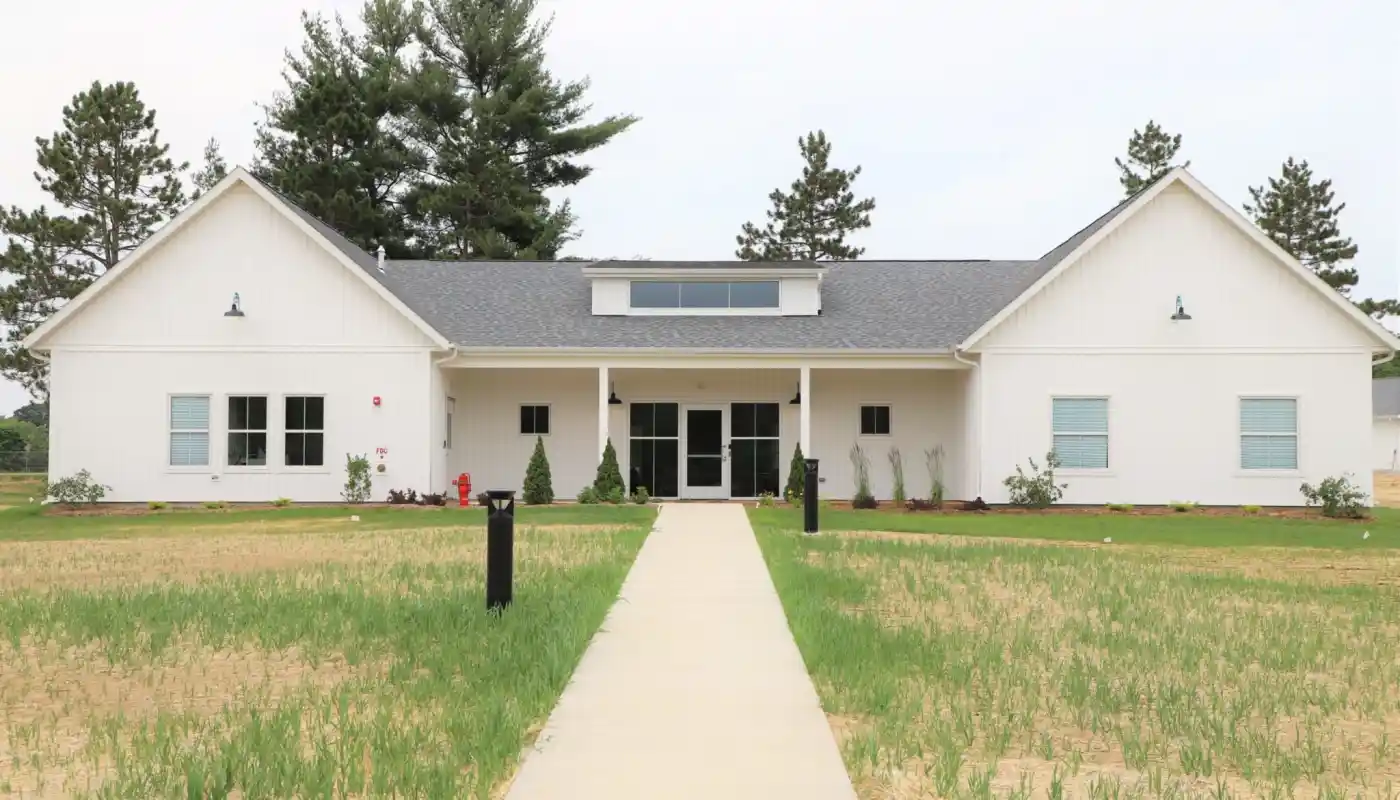
The facility itself sits on 800 acres of land with plenty of opportunities for activity. THe grounds include a softball field, ponds, a gym, and a swimming pool. Each student will have their own private bedroom. The students frequently go to concerts or other Christian events together. These are usually entertaining, modern concerts with motivational content.

Women
Adolescents
Adolescents
Adolescents receive the treatment they need for mental health disorders and addiction, with the added support of educational and vocational services.
Women only
Women only
Women attend treatment in a gender-specific facility, with treatment delivered in a safe, nourishing, and supportive environment for greater comfort.

Mental health is a complex health condition that requires a comprehensive, patient-centered approach to treatment that ensures you receive the appropriate care at the right time, based on your individual needs.

Typically the initial stage of treatment for substance use, focusing on medically supervised management of withdrawal symptoms.

An intensive program offering 24 hour care and a variety of therapeutic services in a residential setting.
Transitional housing designed to support individuals recovering from substance use disorders offering a safe, supportive and structured environment for practicing long-term sobriety, while reintegrating back into daily living.
Treatment programming allowing patients to receive care without staying in a hospital or inpatient facility, providing a variety of therapeutic and medical services.

Adolescents
Adolescents
Adolescents receive the treatment they need for mental health disorders and addiction, with the added support of educational and vocational services.
Depression
Depression
Symptoms of depression may include fatigue, a sense of numbness, and loss of interest in activities. This condition can range from mild to severe.
Christian
Christian
Through surrender and commitment to Christ, patients refocus the efforts and source of their recovery with clinical and spiritual care.
Trauma
Trauma
Some traumatic events are so disturbing that they cause long-term mental health problems. Those ongoing issues can also be referred to as ‘trauma.’
Women only
Women only
Women attend treatment in a gender-specific facility, with treatment delivered in a safe, nourishing, and supportive environment for greater comfort.
Evidence-Based
Evidence-Based
A combination of scientifically rooted therapies and treatments make up evidence-based care, defined by their measured and proven results.
Individual Treatment
Individual Treatment
Individual care meets the needs of each patient, using personalized treatment to provide them the most relevant care and greatest chance of success.
Family Involvement
Family Involvement
Providers involve family in the treatment of their loved one through family therapy, visits, or both–because addiction is a family disease.
Christian
Christian
Through surrender and commitment to Christ, patients refocus the efforts and source of their recovery with clinical and spiritual care.
Trauma Informed
Spiritual Care
Spiritual Care
Tending to spiritual health helps treatment become more effective, allowing patients to better cope with their emotions and rebuild their spiritual wellbeing.
Group Therapy
Dialectical Behavior Therapy
Equine Therapy
Equine Therapy
Guided interactions with trained horses, their handler, and a therapist can help patients improve their self-esteem, trust, empathy, and social skills.
1-on-1 Counseling
1-on-1 Counseling
Patient and therapist meet 1-on-1 to work through difficult emotions and behavioral challenges in a personal, private setting.
Didactic Group Therapy
Psychoeducation
Psychoeducation
This method combines treatment with education, teaching patients about different paths toward recovery. This empowers them to make more effective decisions.
Family Therapy
Family Therapy
Family therapy addresses group dynamics within a family system, with a focus on improving communication and interrupting unhealthy relationship patterns.
Trauma-Specific Therapy
Trauma-Specific Therapy
This form of talk therapy addresses any childhood trauma at the root of a patient’s current diagnosis.
Eye Movement Therapy (EMDR)
Eye Movement Therapy (EMDR)
Lateral, guided eye movements help reduce the emotional reactions of retelling and reprocessing trauma, allowing intense feelings to dissipate.
Self-Harm
Self-Harm
The act of intentionally harming oneself, also called self-injury, is associated with mental health issues like depression.
Post Traumatic Stress Disorder
Post Traumatic Stress Disorder
PTSD is a long-term mental health issue caused by a disturbing event or events. Symptoms include anxiety, dissociation, flashbacks, and intrusive thoughts.
Depression
Depression
Symptoms of depression may include fatigue, a sense of numbness, and loss of interest in activities. This condition can range from mild to severe.
Anxiety
Anxiety
Anxiety is a common mental health condition that can include excessive worry, panic attacks, physical tension, and increased blood pressure.
Anger
Anger
Although anger itself isn’t a disorder, it can get out of hand. If this feeling interferes with your relationships and daily functioning, treatment can help.
Trauma
Trauma
Some traumatic events are so disturbing that they cause long-term mental health problems. Those ongoing issues can also be referred to as ‘trauma.’
ADHD, ADD
ADHD, ADD
ADHD is a common mental health condition caused by dopamine imbalance. Common symptoms include inattention, hyperactivitiy, and impulsivity.

Air-Conditioned Rooms
Private Rooms
Pool
Access to Nature
Fitness Center
Gardens
Outdoor Lounge
Religion-Based Track
Religion-Based Track
Patients can join faith-based recovery tracks to approach recovery with others in their faith, healing in a like-minded group with similar goals.
Games
Horseback Riding
Physical Fitness
Swimming
Adventure Outings
Wabash, Indiana, United States.
The typical length is 12 months.
Top10 Rehabs is an independent organization that simplifies finding the best mental health and addiction treatment. Comprehensive profiles of over 2,500 rehab centers include insurance coverage, pricing, photos, reviews, and more. Choosing the best path to recovery has never been easier.