


Unclaimed
This provider hasn’t verified their profile’s information. Are you the owner of this center? Claim your listing to better manage your presence on Top10 Rehabs.
Helping adolescents of all genders replace eating disorders with new healthy skills with personalized care, family involvement, and educational support.
Claim your profile to manage this page and enable the messaging form.
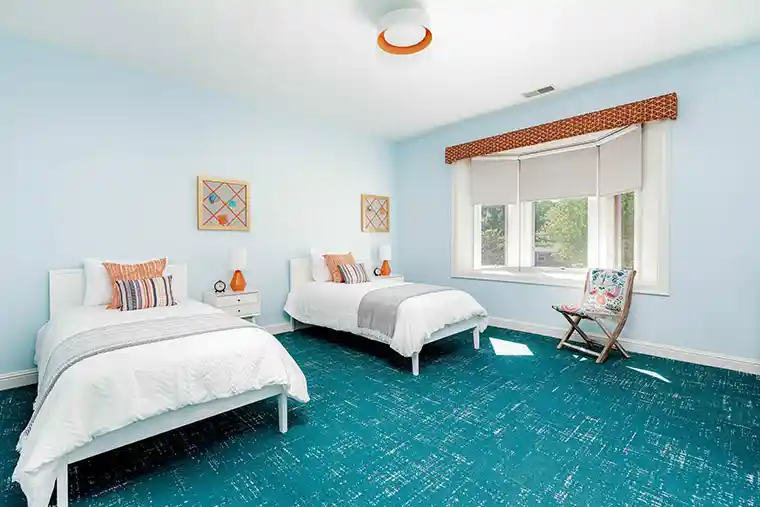
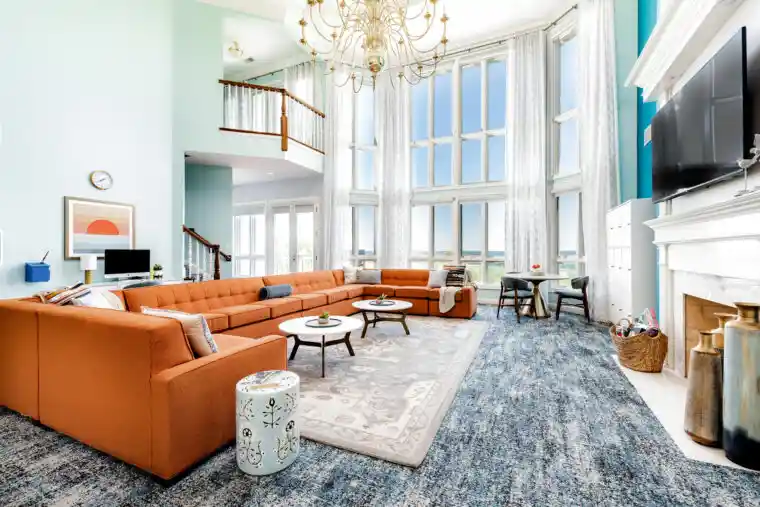
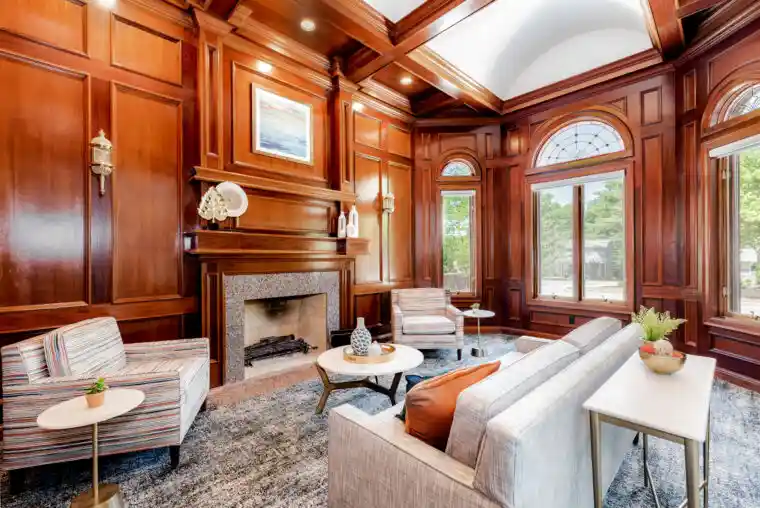
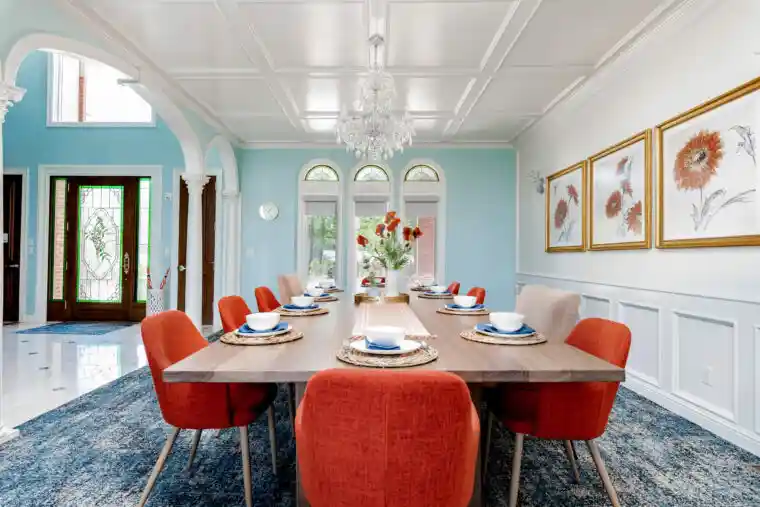
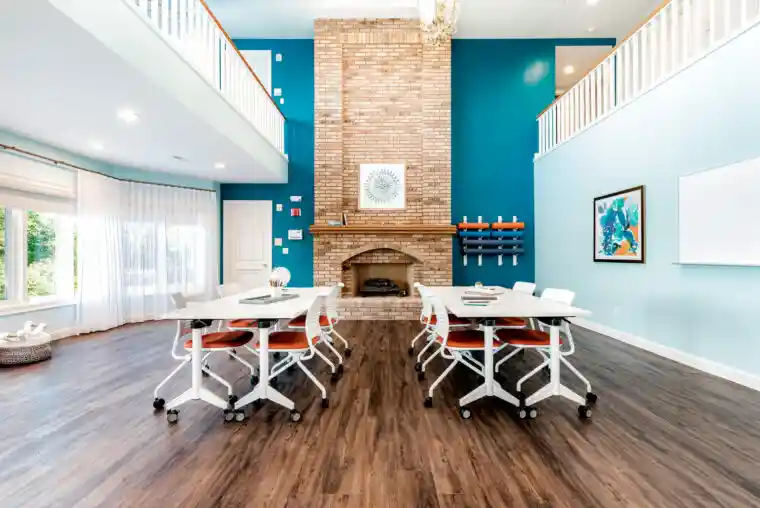
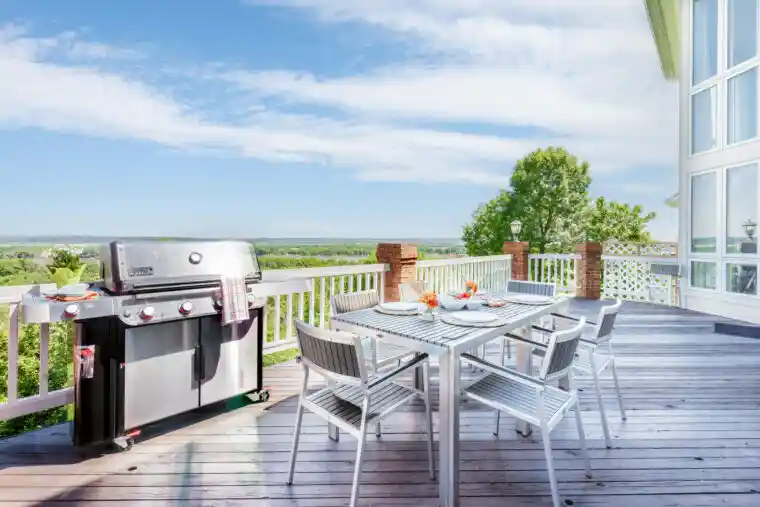
Clementine is a specialized and exclusive program treating adolescents of all genders ages (11-17) overcome disordered eating. Clementine offers the highest standard of medical care and mental health treatment in the convenience and comfort of a home-like setting. Their treatment involves addressing a host of eating disorders, including anorexia, bulimia, binge eating, compulsive overeating, ARFID, OSRED, exercise addiction, and diabulimia. Through 1-on-1 counseling, daily group meetings, and family therapy, clients can form new habits surrounding their eating patterns and address co-occurring conditions. The center also provides support for depression, anxiety, personality disorders, substance use, PTSD, and trauma.
Academic achievement and the perfectionistic demands of an eating disorder are strongly correlated for many adolescents with eating disorders. To combat this Clementine’s key objective incorporates educational help and opportunities into the therapeutic program. Individuals will receive a personalized education plan with tutors and teachers on-site.
Clementine in St Louis also has a special family program that includes multi-family group meetings, weekly family therapy, and nutritional training, as well as a parent education group. They can take part in cooking classes and nutritional guidance to this effect.
Adolescents can spend time in the center’s yoga studio, in the education and art room, or participate in cooking classes. During their stay, shared rooms will be provided in a cozy home-like environment. Clementine St. Louis also hosts fun activities for individuals on-site including jewelry making, pottery, dance classes, games, movement sessions, and movie nights. They also facilitate off-site trips such as restaurants and grocery store visits, museum trips, or bowling outings.
Provider’s Policy:Each of our programs are in-network with different providers. We have also been able to coordinate single case agreements with providers if we are not in network with your insurance company.
One of the nation’s largest not-for-profit health plans, serving 12.7 million members.

With roots in the health field dating back to 1961, Humana is a trusted insurance provider that proudly serves over 20 million Americans.
Cigna’s unique history traces back to 1792, but today they offer services to 190 million customers in 30 different countries across the globe.
A leading healthcare provider serving over 100 million Americans as one of the largest insurance companies in the country.

With 40+ years of behavioral health care experience, MHN partners with thousands of licensed practitioners and hospitals to provide quality insurance to their customers.
Carelon Behavioral Health, formerly Beacon Health Options, is headquartered in Boston, Massachusetts and serves over 40 million people.

Offering plans to individuals and businesses throughout the United States and in countries around the world.
One of the largest health insurance companies in the US, offering several health insurance options to individuals and businesses.

Founded in 1946, Anthem is the 4th largest public managed health care company in the United States and serves over 46 million clients.
The world’s #1 employee assisted program (EAP) provider, offering unique personalized programs to Americans & people worldwide.

Serving over 3 million clients throughout California with an ongoing mission to help the community.


Adolescents
Adolescents
Adolescents receive the treatment they need for mental health disorders and addiction, with the added support of educational and vocational services.

Mental health is a complex health condition that requires a comprehensive, patient-centered approach to treatment that ensures you receive the appropriate care at the right time, based on your individual needs.

An intensive program offering 24 hour care and a variety of therapeutic services in a residential setting.

Transitional housing designed to support individuals recovering from substance use disorders offering a safe, supportive and structured environment for practicing long-term sobriety, while reintegrating back into daily living.
Treatment programming allowing patients to receive care without staying in a hospital or inpatient facility, providing a variety of therapeutic and medical services.
Some primary care providers offer mental health diagnosis and treatment. This can prevent patients from developing more serious conditions.

Adolescents
Adolescents
Adolescents receive the treatment they need for mental health disorders and addiction, with the added support of educational and vocational services.
Eating Disorders
Eating Disorders
An eating disorder is a long-term pattern of unhealthy behavior relating to food. Most people with eating disorders have a distorted self-image.
Evidence-Based
Evidence-Based
A combination of scientifically rooted therapies and treatments make up evidence-based care, defined by their measured and proven results.
Individual Treatment
Individual Treatment
Individual care meets the needs of each patient, using personalized treatment to provide them the most relevant care and greatest chance of success.
Family Involvement
Family Involvement
Providers involve family in the treatment of their loved one through family therapy, visits, or both–because addiction is a family disease.
Non 12 Step
Non 12 Step
Non-12-Step philosophies veer from the spiritual focus of the 12-Steps and instead treat the disease of addiction with holistic or secular modalities.
1-on-1 Counseling
1-on-1 Counseling
Patient and therapist meet 1-on-1 to work through difficult emotions and behavioral challenges in a personal, private setting.
Meditation & Mindfulness
Meditation & Mindfulness
A practiced state of mind that brings patients to the present. It allows them to become fully aware of themselves, their feelings, and the present moment.
Art Therapy
Art Therapy
Visual art invites patients to examine the emotions within their work, focusing on the process of creativity and its gentle therapeutic power.
Body Image Therapy
Body Image Therapy
Therapists use cognitive behavior techniques to challenge how patients perceive their body and their worth, rewriting negative thoughts and attitudes.
Cognitive Behavioral Therapy
Dance Therapy
Dance Therapy
This experiential therapy uses dance to improve body awareness, physical health, and social skills.
Expressive Arts
Expressive Arts
Creative processes like art, writing, or dance use inner creative desires to help boost confidence, emotional growth, and initiate change.
Family Therapy
Family Therapy
Family therapy addresses group dynamics within a family system, with a focus on improving communication and interrupting unhealthy relationship patterns.
Life Skills
Life Skills
Teaching life skills like cooking, cleaning, clear communication, and even basic math provides a strong foundation for continued recovery.
Relapse Prevention Counseling
Relapse Prevention Counseling
Relapse prevention counselors teach patients to recognize the signs of relapse and reduce their risk.
Relaxation Therapy
Relaxation Therapy
Muscle relaxation techniques relax mind and body. They can easily be practiced outside treatment, making it a valuable coping tool for continued recovery.
Dialectical Behavior Therapy
Group Therapy
Yoga
Yoga
Yoga is both a physical and spiritual practice. It includes a flow of movement, breathing techniques, and meditation.
Eating Disorders
Eating Disorders
An eating disorder is a long-term pattern of unhealthy behavior relating to food. Most people with eating disorders have a distorted self-image.
Co-Occurring Disorders
Co-Occurring Disorders
A person with multiple mental health diagnoses, such as addiction and depression, has co-occurring disorders also called dual diagnosis.
Personality Disorders
Personality Disorders
Personality disorders destabilize the way a person thinks, feels, and behaves. If untreated, they can undermine relationships and lead to severe distress.
Post Traumatic Stress Disorder
Post Traumatic Stress Disorder
PTSD is a long-term mental health issue caused by a disturbing event or events. Symptoms include anxiety, dissociation, flashbacks, and intrusive thoughts.
Depression
Depression
Symptoms of depression may include fatigue, a sense of numbness, and loss of interest in activities. This condition can range from mild to severe.
Drug Addiction
Drug Addiction
Drug addiction is the excessive and repetitive use of substances, despite harmful consequences to a person’s life, health, and relationships.
Anxiety
Anxiety
Anxiety is a common mental health condition that can include excessive worry, panic attacks, physical tension, and increased blood pressure.
Bipolar
Bipolar
This mental health condition is characterized by extreme mood swings between depression, mania, and remission.
Stress
Stress
Stress is a natural reaction to challenges, and it can even help you adapt. However, chronic stress can cause physical and mental health issues.
Obsessive Compulsive Disorder
Obsessive Compulsive Disorder
OCD is characterized by intrusive and distressing thoughts that drive repetitive behaviors. This pattern disrupts daily life and relationships.
Trauma
Trauma
Some traumatic events are so disturbing that they cause long-term mental health problems. Those ongoing issues can also be referred to as ‘trauma.’
Family Follow-up Counseling
Follow-up Sessions (online)
Follow-up Sessions (in-person)
Outpatient Treatment

Air-Conditioned Rooms
Desk
Shared Rooms
Access to Nature
Business Center, Computers
Gardens
Chef-prepared Meals
Outdoor Lounge
Yoga
Yoga
Yoga is both a physical and spiritual practice. It includes a flow of movement, breathing techniques, and meditation.
Adventure Outings
Cooking Classes
Dance Classes
Bowling
Museums
Movies
Sightseeing
Bowling Alley
Theater
St. Louis, Missouri, United States.
Each of our programs are in-network with different providers. We have also been able to coordinate single case agreements with providers if we are not in network with your insurance company..
The typical length is 30 days.
Top10 Rehabs is an independent organization that simplifies finding the best mental health and addiction treatment. Comprehensive profiles of over 2,500 rehab centers include insurance coverage, pricing, photos, reviews, and more. Choosing the best path to recovery has never been easier.