

Unclaimed
This provider hasn’t verified their profile’s information. Are you the owner of this center? Claim your listing to better manage your presence on RehabPath.
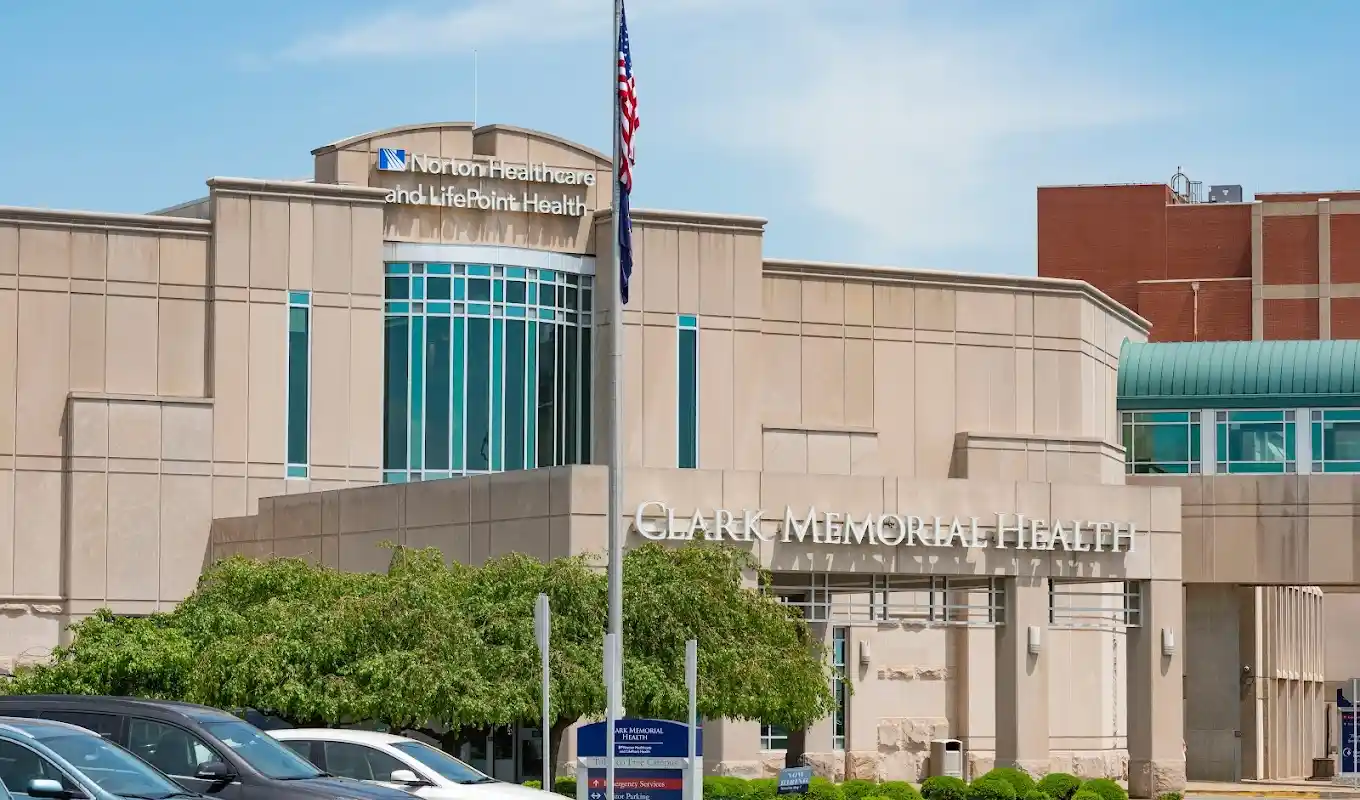
A Southern Indiana hospital providing behavioral health services for the treatment of an array of disorders including addiction, depression, and anxiety.
Claim your profile to manage this page and enable the messaging form.
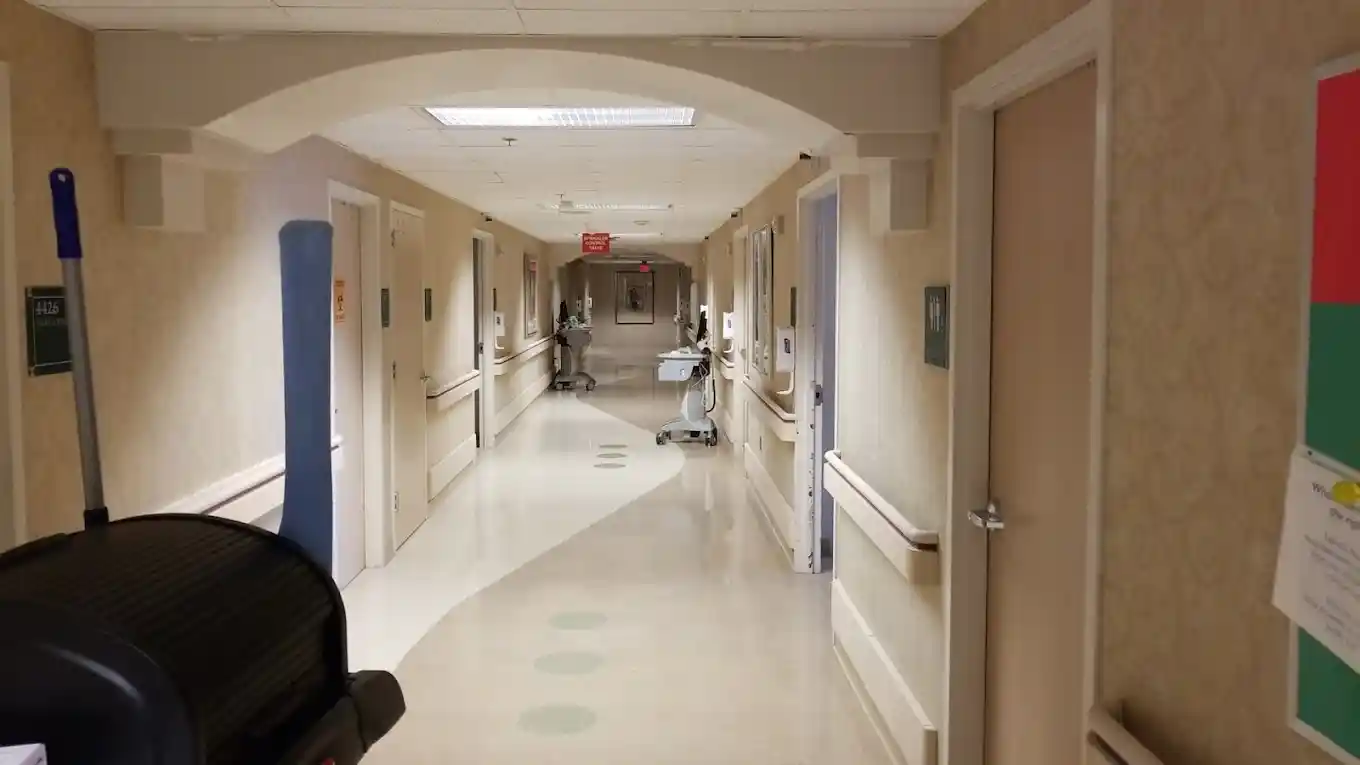
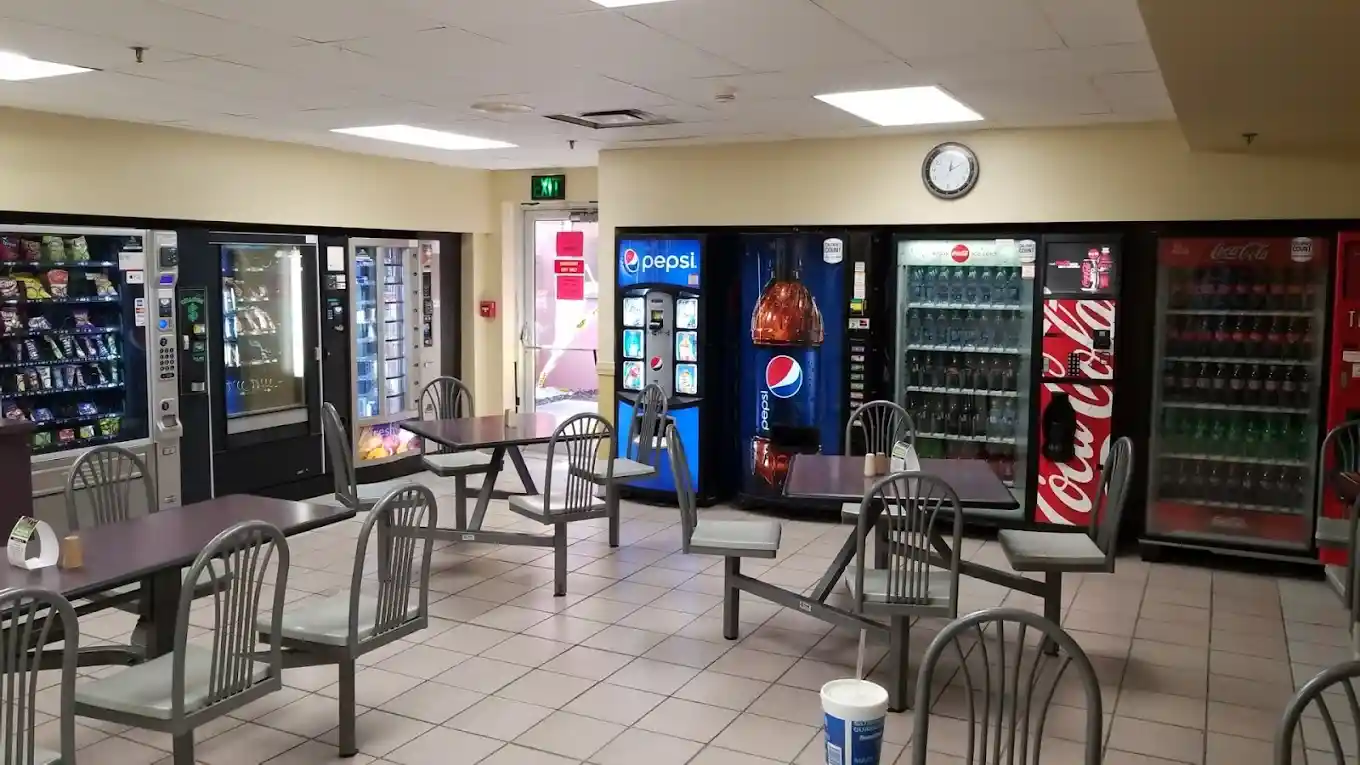
Clark Memorial Hospital is a full-service hospital in Southern Indiana providing behavioral health care services to treat a variety of conditions. Their multidisciplinary team includes psychiatrists, physicians, physical therapists, and licensed social workers. Clark Memorial Hospital offers detox, inpatient, and an intensive outpatient program (IOP). Additionally, they have a geriatric stabilization program for seniors aged 65 and older. Their therapeutic approach focuses on providing therapy and stabilization without medication and thus they utilize therapies such as exercise, pet therapy, and art therapy.
Provider’s Policy:We accept insurance.

Signed into law through the Social Security Act in 1965, Medicaid is a United States government program that offers health insurance to those with limited income.

A simple coverage option for Americans without health insurance and disabilities. Many private insurances incorporate Medicare to expand its coverage options.


Men
Women
Older Adults
Older Adults
Addiction and mental health treatment caters to adults 55+ and the age-specific challenges that can come with recovery, wellness, and overall happiness.
Men and Women
Men and Women
Men and women attend treatment for addiction in a co-ed setting, going to therapy groups together to share experiences, struggles, and successes.

Mental health is a complex health condition that requires a comprehensive, patient-centered approach to treatment that ensures you receive the appropriate care at the right time, based on your individual needs.

Typically the initial stage of treatment for substance use, focusing on medically supervised management of withdrawal symptoms.
An intensive program offering 24 hour care and a variety of therapeutic services in a residential setting.

Transitional housing designed to support individuals recovering from substance use disorders offering a safe, supportive and structured environment for practicing long-term sobriety, while reintegrating back into daily living.
Treatment programming allowing patients to receive care without staying in a hospital or inpatient facility, providing a variety of therapeutic and medical services.

Anxiety
Anxiety
Anxiety is a common mental health condition that can include excessive worry, panic attacks, physical tension, and increased blood pressure.
Depression
Depression
Symptoms of depression may include fatigue, a sense of numbness, and loss of interest in activities. This condition can range from mild to severe.
Group Therapy
1-on-1 Counseling
1-on-1 Counseling
Patient and therapist meet 1-on-1 to work through difficult emotions and behavioral challenges in a personal, private setting.
Canine Therapy
Canine Therapy
Friendly dogs provide a pleasant therapeutic experience, helping patients who’ve experienced trauma or separations build social and communication skills.
Recreation Therapy
Recreation Therapy
In recreation therapy, recovery can be joyful. Patients practice social skills and work through emotional triggers by engaging in fun activities.
Family Therapy
Family Therapy
Family therapy addresses group dynamics within a family system, with a focus on improving communication and interrupting unhealthy relationship patterns.
Music Therapy
Music Therapy
Singing, performing, and even listening to music can be therapeutic. Music therapy sessions are facilitated by certified counselors.
Meditation & Mindfulness
Meditation & Mindfulness
A practiced state of mind that brings patients to the present. It allows them to become fully aware of themselves, their feelings, and the present moment.
Art Therapy
Art Therapy
Visual art invites patients to examine the emotions within their work, focusing on the process of creativity and its gentle therapeutic power.
Co-Occurring Disorders
Co-Occurring Disorders
A person with multiple mental health diagnoses, such as addiction and depression, has co-occurring disorders also called dual diagnosis.
Post Traumatic Stress Disorder
Post Traumatic Stress Disorder
PTSD is a long-term mental health issue caused by a disturbing event or events. Symptoms include anxiety, dissociation, flashbacks, and intrusive thoughts.
Depression
Depression
Symptoms of depression may include fatigue, a sense of numbness, and loss of interest in activities. This condition can range from mild to severe.
Drug Addiction
Drug Addiction
Drug addiction is the excessive and repetitive use of substances, despite harmful consequences to a person’s life, health, and relationships.
Alcohol
Alcohol
Using alcohol as a coping mechanism, or drinking excessively throughout the week, signals an alcohol use disorder.
Anxiety
Anxiety
Anxiety is a common mental health condition that can include excessive worry, panic attacks, physical tension, and increased blood pressure.
Bipolar
Bipolar
This mental health condition is characterized by extreme mood swings between depression, mania, and remission.
Stress
Stress
Stress is a natural reaction to challenges, and it can even help you adapt. However, chronic stress can cause physical and mental health issues.

Top10 Rehabs is an independent organization that simplifies finding the best mental health and addiction treatment. Comprehensive profiles of over 2,500 rehab centers include insurance coverage, pricing, photos, reviews, and more. Choosing the best path to recovery has never been easier.