

Unclaimed
This provider hasn’t verified their profile’s information. Are you the owner of this center? Claim your listing to better manage your presence on Top10 Rehabs.
Offering a full continuum of care for children, adolescents, and adults struggling with addiction, mental health conditions, and co-occurring disorders.
Claim your profile to manage this page and enable the messaging form.
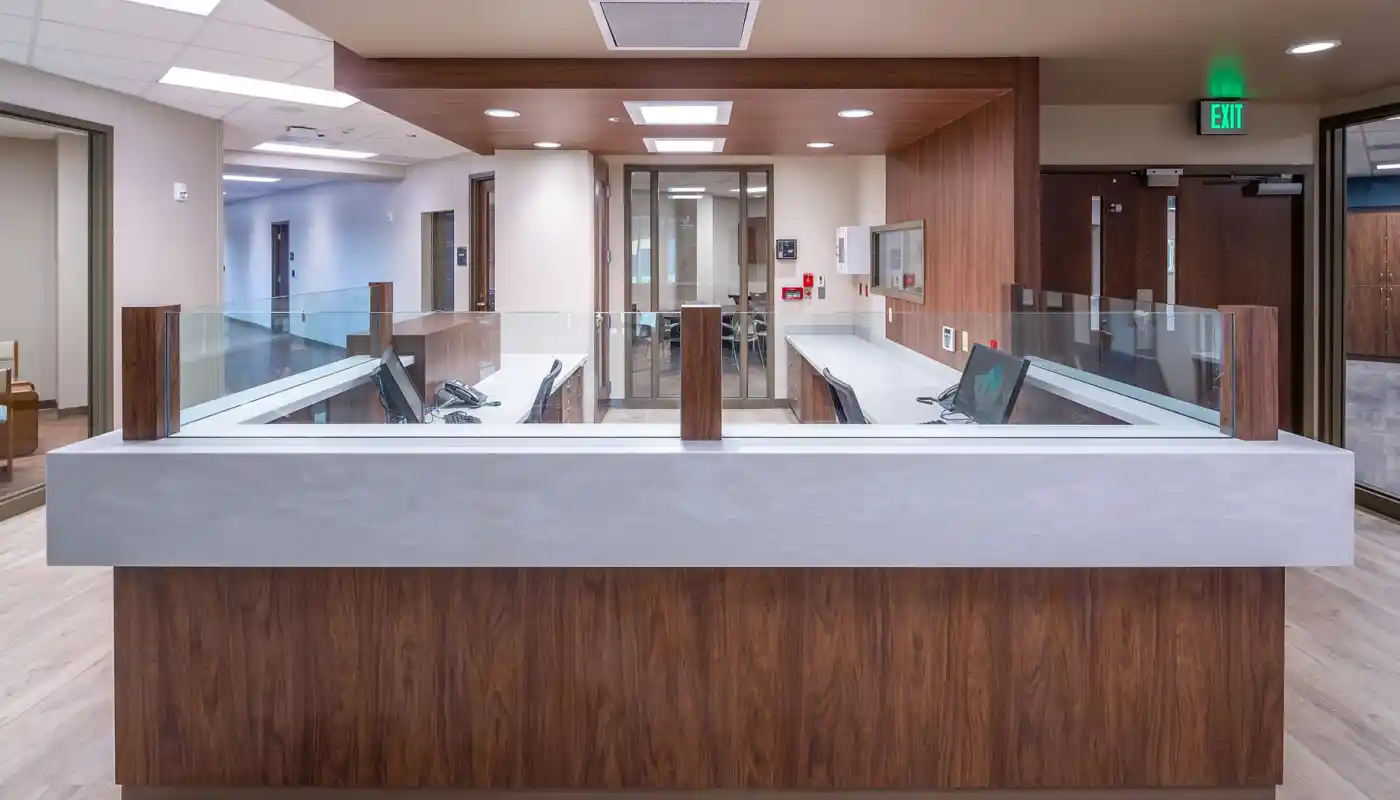

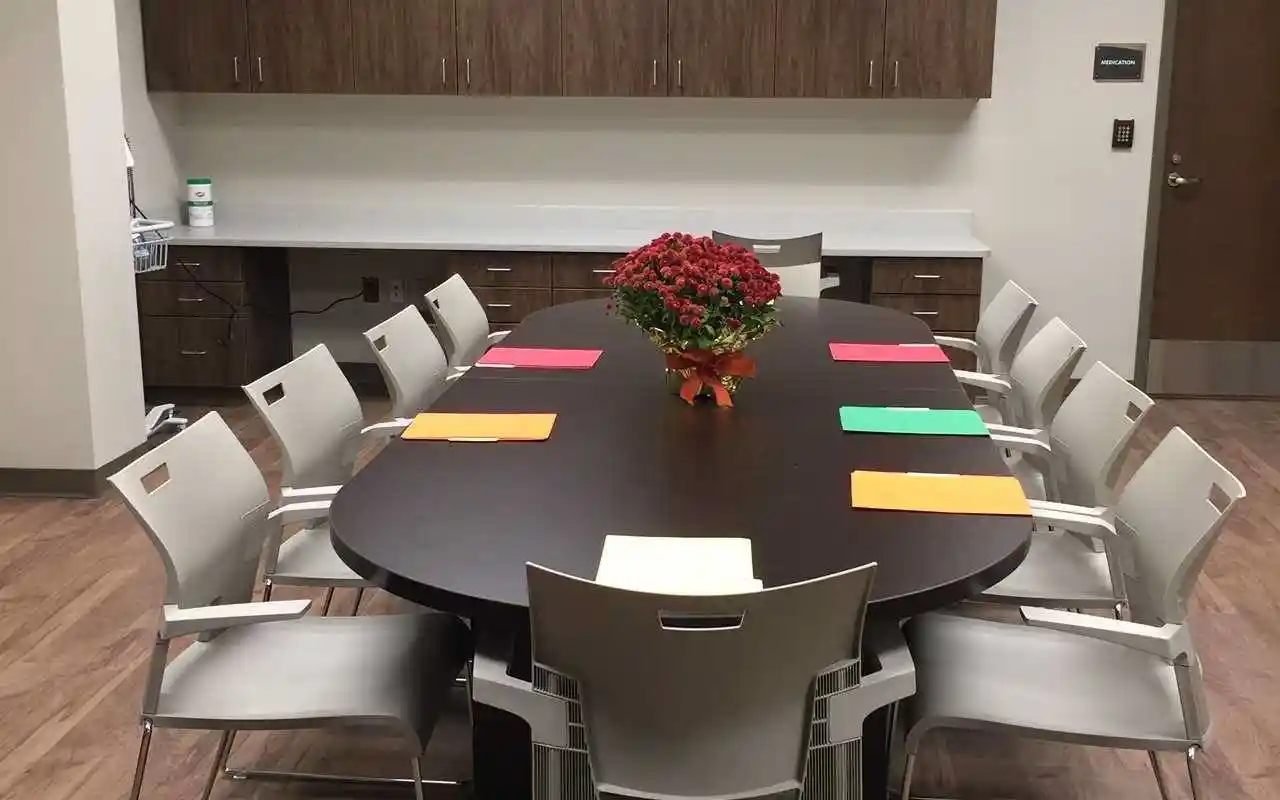

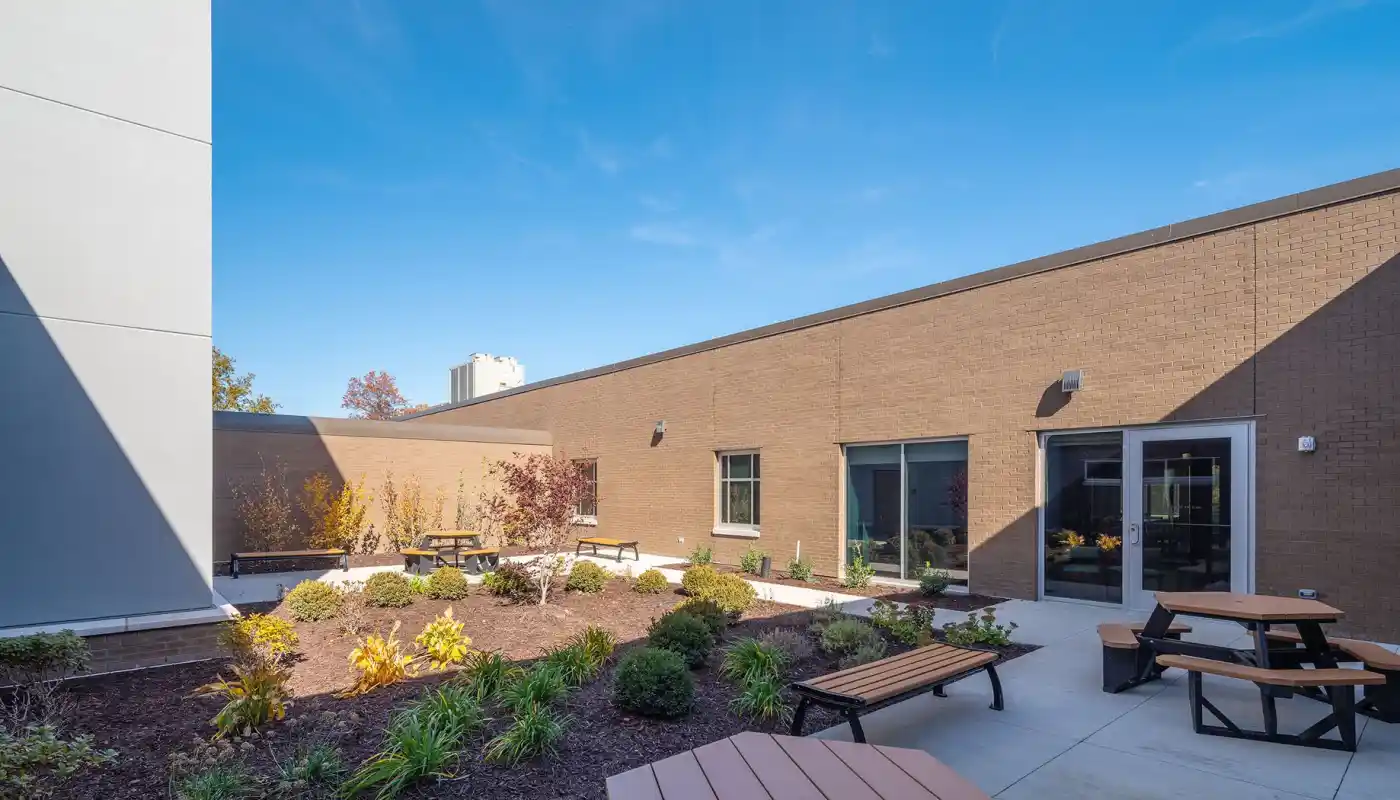
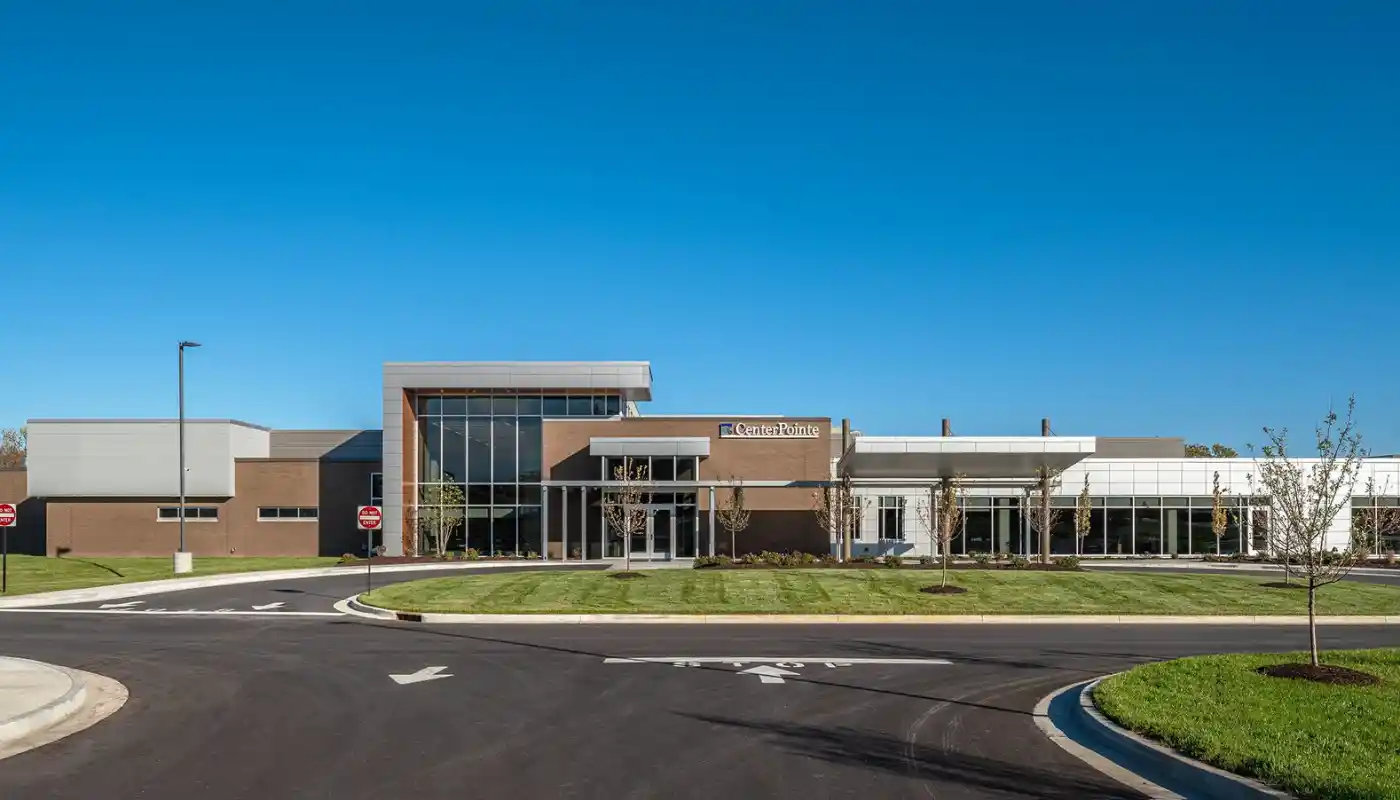
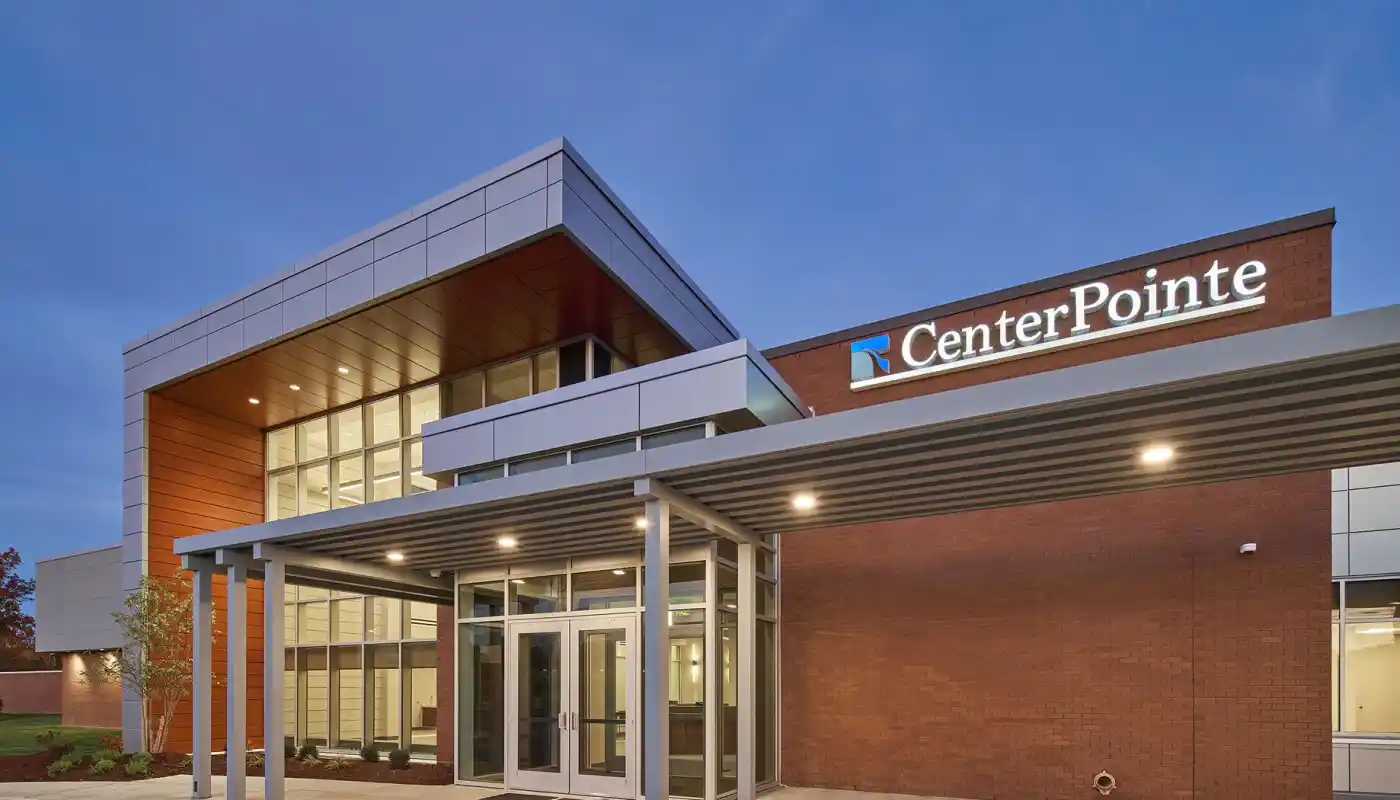
CenterPointe Hospital of Columbia provides a full continuum of care for adults struggling with addiction and co-occurring disorders, and for children, adolescents, adults, and older adults suffering from mental health conditions.
The first step for treating addiction often involves detoxification. CenterPointe provides detoxification from alcohol, benzodiazepines, and opioids. Medically-assisted detoxification is a process that allows the body to safely cleanse itself of toxins built up from drug and alcohol addiction, while managing the symptoms of withdrawal. Upon the completion of detox, patients are referred to the next appropriate level of care.
CenterPointe provides inpatient programs for children (ages 8–12), adolescents (ages 13–17), and adults, offering intensive psychiatric acute care to stabilize an immediate crisis and help provide patients with the skills to prevent future crisis situations. This level of care identifies crisis symptoms, stabilizing behaviors, environmental supports, and coping skills for each patient. Inpatient care involves observation, diagnosis, individual and group psychotherapy, medication management, and family education. Treatment emphasizes return-to-life strategies and cognitive therapies to help patients transition from the hospital smoothly and in the shortest possible time.
Silver Lining, CenterPointe’s senior adult program, is specifically designed to help older adults cope with emotional problems or stressors they may be experiencing. Many seniors experience severe depression, anxiety, fears, confusion, disorientation, memory loss, medication issues and distress related to decline in health. Under the direction of a psychiatrist, and with input from the senior adult patient and their family, a multidisciplinary treatment team develops an individualized treatment plan for each senior. The treatment regimen is designed to meet each senior’s specific needs through a variety of approaches, and may include individual therapy, family therapy, group therapy, therapeutic recreation therapy, and activities of daily living.
MAT uses medications, in combination with counseling and behavioral therapies, to provide a “whole-patient” approach to substance use disorders. MAT is primarily used for the treatment of addiction to opioids, but can also be used to treat alcohol addiction. The medications can help with craving sensations, and while they will not “cure” an individual’s addiction, when paired with appropriate therapy they can help build sustainable long-term recovery from one’s addiction.
CenterPointe’s Intensive Outpatient Program (IOP) provides 9 therapeutic hours broken up over 3 days each week. Patients in this level of care have substantial family and environmental support in working toward continuing improvement and successful management of their disorders. CenterPointe offers IOP for adolescents and adults.
CenterPointe’s Virtual Outpatient Programs provides 6 therapeutic hours broken up between 2 days each week. Virtual OP allows for individuals to receive the necessary mental health treatment, but from the comfort of their own home. Through a HIPAA-compliant video chat platform, patients will participate in group therapy led by licensed clinicians. CenterPointe offers virtual OP for mental health conditions, addiction, and co-occurring disorders for adults, and mental health only for adolescents.
Provider’s Policy:CenterPointe Hospital of Columbia is a provider for most major insurance plans, including Medicare and Tricare, and is licensed as a Missouri Medicaid provider, up to and including age 20.
Signed into law through the Social Security Act in 1965, Medicaid is a United States government program that offers health insurance to those with limited income.

Providing health care programs that reinforce, maintain, and sustain good health for uniformed service members, retirees, and their families globally.
A simple coverage option for Americans without health insurance and disabilities. Many private insurances incorporate Medicare to expand its coverage options.


Men
Women
Older Adults
Older Adults
Addiction and mental health treatment caters to adults 55+ and the age-specific challenges that can come with recovery, wellness, and overall happiness.
Adolescents
Adolescents
Adolescents receive the treatment they need for mental health disorders and addiction, with the added support of educational and vocational services.
Children
Children
Treatment for children incorporates the psychiatric care they need and education, often led by on-site teachers to keep children on track with school.
Young Adults
Young Adults
Emerging adults ages 18-25 receive treatment catered to the unique challenges of early adulthood, like college, risky behaviors, and vocational struggles.
Men and Women
Men and Women
Men and women attend treatment for addiction in a co-ed setting, going to therapy groups together to share experiences, struggles, and successes.

Mental health is a complex health condition that requires a comprehensive, patient-centered approach to treatment that ensures you receive the appropriate care at the right time, based on your individual needs.

The highest level of care, medically managed with 24-hour nursing and physician care in a residential or medically-based setting, and can include any combination of medication, counseling and therapy.

An intensive program offering 24 hour care and a variety of therapeutic services in a residential setting.
Transitional housing designed to support individuals recovering from substance use disorders offering a safe, supportive and structured environment for practicing long-term sobriety, while reintegrating back into daily living.
Treatment programming allowing patients to receive care without staying in a hospital or inpatient facility, providing a variety of therapeutic and medical services.
The delivery of therapeutic services utilizing technology such as video conferencing, online messaging or phone calls, allowing for flexibility, comfort and increased access to care.
Some primary care providers offer mental health diagnosis and treatment. This can prevent patients from developing more serious conditions.

Alcohol
Alcohol
Using alcohol as a coping mechanism, or drinking excessively throughout the week, signals an alcohol use disorder.
Drug Addiction
Drug Addiction
Drug addiction is the excessive and repetitive use of substances, despite harmful consequences to a person’s life, health, and relationships.
Licensed Primary Mental Health
Licensed Primary Mental Health
Some primary care providers offer mental health diagnosis and treatment. This can prevent patients from developing more serious conditions.
1-on-1 Counseling
1-on-1 Counseling
Patient and therapist meet 1-on-1 to work through difficult emotions and behavioral challenges in a personal, private setting.
Family Therapy
Family Therapy
Family therapy addresses group dynamics within a family system, with a focus on improving communication and interrupting unhealthy relationship patterns.
Life Skills
Life Skills
Teaching life skills like cooking, cleaning, clear communication, and even basic math provides a strong foundation for continued recovery.
Medication-Assisted Treatment
Medication-Assisted Treatment
Combined with behavioral therapy, prescribed medications can enhance treatment by relieving withdrawal symptoms and focus patients on their recovery.
Recreation Therapy
Recreation Therapy
In recreation therapy, recovery can be joyful. Patients practice social skills and work through emotional triggers by engaging in fun activities.
Group Therapy
Alcohol
Alcohol
Using alcohol as a coping mechanism, or drinking excessively throughout the week, signals an alcohol use disorder.
Benzodiazepines
Benzodiazepines
Benzodiazepines are prescribed to treat anxiety and sleep issues. They are highly habit forming, and their abuse can cause mood changes and poor judgement.
Co-Occurring Disorders
Co-Occurring Disorders
A person with multiple mental health diagnoses, such as addiction and depression, has co-occurring disorders also called dual diagnosis.
Cocaine
Cocaine
Cocaine is a stimulant with euphoric effects. Agitation, muscle ticks, psychosis, and heart issues are common symptoms of cocaine abuse.
Drug Addiction
Drug Addiction
Drug addiction is the excessive and repetitive use of substances, despite harmful consequences to a person’s life, health, and relationships.
Ecstasy
Ecstasy
Ecstasy is a stimulant that causes intense euphoria and heightened awareness. Abuse of this drug can trigger depression, insomnia, and memory problems.
Heroin
Heroin
Heroin is a highly addictive and illegal opioid. It can cause insomnia, collapsed veins, heart issues, and additional mental health issues.
Psychedelics
Psychedelics
Hallucinogenic drugs—like LSD—cause euphoria and increased sensory experiences. When abused, they can lead to depression and psychosis.
Marijuana
Methamphetamine
Methamphetamine
Methamphetamine, or meth, increases energy, agitation, and paranoia. Long-term use can result in severe physical and mental health issues.
Opioids
Opioids
Opioids produce pain-relief and euphoria, which can lead to addiction. This class of drugs includes prescribed medication and the illegal drug heroin.
Prescription Drugs
Prescription Drugs
It’s possible to abuse any drug, even prescribed ones. If you crave a medication, or regularly take it more than directed, you may have an addiction.
Synthetic Drugs
Synthetic Drugs
Synthetic drugs are made in a lab, unlike plant-based drugs like mushrooms. Most synthetic drugs are either stimulants or synthetic cannabinoids.

Columbia, Missouri, United States.
CenterPointe Hospital of Columbia is a provider for most major insurance plans, including Medicare and Tricare, and is licensed as a Missouri Medicaid provider, up to and including age 20..
Yes, services include detox.
Top10 Rehabs is an independent organization that simplifies finding the best mental health and addiction treatment. Comprehensive profiles of over 2,500 rehab centers include insurance coverage, pricing, photos, reviews, and more. Choosing the best path to recovery has never been easier.