Verified
This provider’s information has been quality-checked by RehabPath’s Research Team for accuracy and completeness, including data verification through appropriate third-party organizations.View This Center’s Verified License
Provider’s Policy
$16,000-$22,000/month
Providing intensive treatment for mental health, trauma, and substance use disorders in a boutique setting in the coastal community of San Juan Capistrano.
Highlights
Connect with Casa Recovery by calling their admissions team directly.


Casa Recovery prioritizes the treatment of mental health and co-occurring disorders including anxiety, depression, trauma, substance use, personality disorders, disordered eating, bipolar disorder, panic attacks, isolation, addiction, self-harm and suicidal ideation. Casa Recovery’s team of experienced medical and clinical professionals, along with Casa’s private, safe, boutique setting, is a perfect setting for true healing.
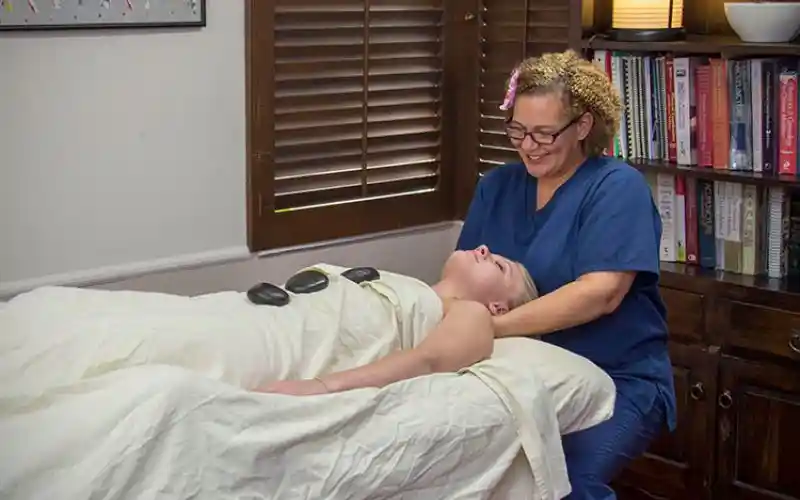
Casa Recovery’s comprehensive treatment options include intensive full day and half day therapeutic programs and luxury residential living environments with private rooms. The program integrates evidence-based clinical and medical practices, trauma interventions and holistic therapies, including massage. Casa Recovery’s team utilizes a blend of traditional and experiential modalities to create a custom treatment plan that addresses the unique needs of each client. Casa Recovery’s expert team includes psychologists, therapists, psychiatrists, counselors, nurses, case managers and experienced group facilitators to help ensure clients receive high quality care and long-term success.
Casa Recovery’s location in downtown San Juan Capistrano provides calming beach amenities and an atmosphere of luxury and healing. Close to international airports like LAX and other regional airports, and with transportation provided, getting to Casa Recovery is easy. The experience, expertise, and qualifications of each team member, as well as the limited number of clients accepted, helps ensure each individual receives a custom treatment plan with a focus on the client’s goals of creating a life of health and happiness.
Casa Recovery provides varying levels of care to encourage independence and self-sufficiency. Development and practice of life skills and coping strategies are an integral part of the program. Beyond intensive individual and group therapy sessions, psychiatry and case management, clients can enjoy recreational groups and activities, including art therapy, expressive modalities, cooking and eating meals together, plus adventure outings. Length of stays range from a minimum of 30 days, with most clients completing an average of 75-90 days of treatment. Clients have opportunities to experience evidence-based treatment approaches, like cognitive behavioral therapy, EMDR and group therapy, as well as integrative holistic approaches like yoga, meditation, massage and Somatic Experiencing.
Casa Recovery has sun and warmth year-round, which is extremely helpful in combating seasonal affective disorder (SAD). Beach access and hikes with sea views allow clients to take full advantage of the inviting weather of Southern California. While in the program, clients can enjoy not only a sophisticated clinical team but also comfortable, safe residential accommodations with private or semi-private room options.

Provider’s Policy:Depending on your coverage, your insurance may cover all or most of your program at Casa Recovery. Insurance companies also cover outpatient services to clients who live nearby and need a more flexible option (day and evening outpatient programs now available). We verify your benefits with your insurance company at no charge with no obligation to enter our program. Your coverage may include a copay, which we will explain after verifying. Once verified, we make plans for you to come into our program. It is usually a 1-2 day process depending on where you are located. Unlike other programs, ours is all-inclusive. There are no hidden fees.
With roots in the health field dating back to 1961, Humana is a trusted insurance provider that proudly serves over 20 million Americans.
Part of UnitedHealth Group, providing care to over 165,000 people worldwide.
Providing health care programs that reinforce, maintain, and sustain good health for uniformed service members, retirees, and their families globally.
Cigna’s unique history traces back to 1792, but today they offer services to 190 million customers in 30 different countries across the globe.
A leading healthcare provider serving over 100 million Americans as one of the largest insurance companies in the country.
With 40+ years of behavioral health care experience, MHN partners with thousands of licensed practitioners and hospitals to provide quality insurance to their customers.
Carelon Behavioral Health, formerly Beacon Health Options, is headquartered in Boston, Massachusetts and serves over 40 million people.
Offering plans to individuals and businesses throughout the United States and in countries around the world.
One of the largest health insurance companies in the US, offering several health insurance options to individuals and businesses.
Founded in 1946, Anthem is the 4th largest public managed health care company in the United States and serves over 46 million clients.
Serving over 3 million clients throughout California with an ongoing mission to help the community.
Casa Recovery offers a client-centered, collaborative treatment program committed to clinical excellence and quality care. As a family-owned facility, offering a supportive, therapeutic environment is their priority. An individualized approach is necessary to Casa Recovery in order to effectively address the diverse needs and challenges of each client. Casa Recovery’s programs offer treatment plans that are highly personalized and incorporate collaboration from every member of the clinical team.
Casa Recovery’s program is small by design. While receiving treatment for mental health and dual diagnoses in Southern California, clients can enjoy a boutique and luxurious living experience, with private and semi-private room options. As well, cell phone access and a flexible technology policy allows clients to remain in touch with work, family, and others important to their success.
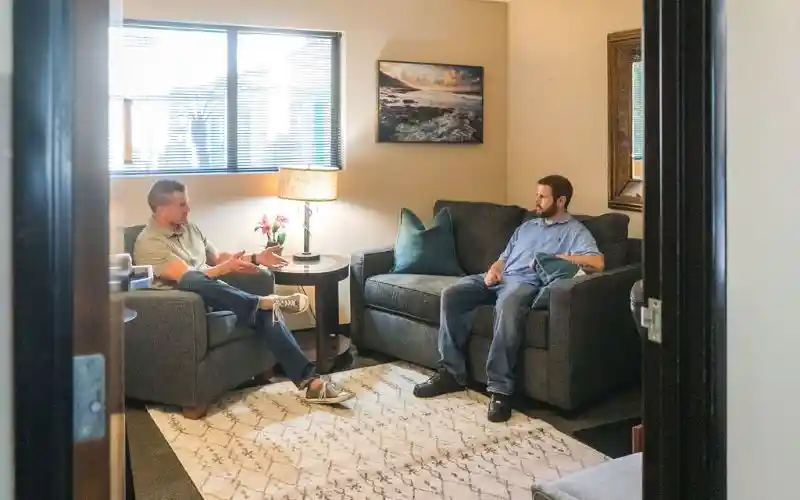
Casa Recovery’s clinical team is licensed, certified, and experienced in treating trauma, mental health, and addiction. Their professional team of psychologists, psychiatrists, medical physicians, nurses, alcohol and drug counselors, marriage and family therapists, licensed social workers, case managers, and holistic practitioners are committed to helping clients find true healing and long-term success. Trauma modalities utilized include EMDR, BrainSpotting, TF-CBT, Neurofeedback, and Somatic Experiencing.
Casa Recovery promotes inclusivity and an affirmative approach to treatment. Offering a safe place for all clients, families and loved ones of any culture, religion or identity, including those identifying as part of the LGBTQIA+ community, is one of Casa’s highest values. Non-binary residential environments and therapists with LGBTQ specializations are available for all clients. The involvement of family members is encouraged. Weekly clinical updates help keep families informed on a client’s progress and provide education to families on how to be an optimal support system for their loved ones. Optional weekly therapist-led family sessions provide an open, non-judgemental space for all to communicate productively and receive the support needed.
RehabPath verified that the name, location, contact information and license to operate for this treatment provider are valid and up-to-date. Casa Recovery has verified the information on this page to be accurate.
RehabPath is an independent, third-party mental health resource. Verification does not imply endorsement and does not guarantee the quality of treatment services
Men
Women
Young Adults
Young Adults
Emerging adults ages 18-25 receive treatment catered to the unique challenges of early adulthood, like college, risky behaviors, and vocational struggles.
Midlife Adults
Midlife Adults
For adults ages 40+, treatment shifts to focus on the unique challenges, blocks, and risk factors of their age group, and unites peers in a similar community.
Pregnant Women
Pregnant Women
Addiction and mental health treatment meets the clinical and psychological needs of pregnant women, ensuring they receive optimal care in all areas.
Anxiety
Anxiety
Anxiety is a common mental health condition that can include excessive worry, panic attacks, physical tension, and increased blood pressure.
Bipolar
Bipolar
This mental health condition is characterized by extreme mood swings between depression, mania, and remission.
Depression
Depression
Symptoms of depression may include fatigue, a sense of numbness, and loss of interest in activities. This condition can range from mild to severe.
Drug Addiction
Drug Addiction
Drug addiction is the excessive and repetitive use of substances, despite harmful consequences to a person’s life, health, and relationships.
LGBTQ+
LGBTQ+
Addiction and mental illnesses in the LGBTQ+ community must be treated with an affirming, safe, and relevant approach, which many centers provide.
Post Traumatic Stress Disorder
PTSD is a long-term mental health issue caused by a disturbing event or events. Symptoms include anxiety, dissociation, flashbacks, and intrusive thoughts.
Trauma
Trauma
Some traumatic events are so disturbing that they cause long-term mental health problems. Those ongoing issues can also be referred to as ‘trauma.’
Personality Disorders
Personality disorders destabilize the way a person thinks, feels, and behaves. If untreated, they can undermine relationships and lead to severe distress.
Day Treatment
Day Treatment
In a PHP, patients live at home but follow an intensive schedule of treatment. Most programs require you to be on-site for about 40 hours per week.
Detox
Detox
Detox fully and safely removes toxic substances from the body, allowing the next steps in treatment to begin with a clean slate.
Intensive Outpatient Program
In an IOP, patients live at home, but attend treatment for up to 30 hours a week. Most programs include talk therapy, support groups, and other methods.
Licensed Primary Mental Health
Some primary care providers offer mental health diagnosis and treatment. This can prevent patients from developing more serious conditions.
Outpatient Program
Outpatient Program
During outpatient rehab, patients attend a structured treatment program while continuing to live at home.
Residential
Residential
In a residential rehab program, patients live onsite, with access to daily treatment and 24-hour care. An average stay is 30-90 days.
Sober Living
Sober Living
These structured living environments help people transition out of rehab. Residents have more freedom than they do during rehab, but still follow certain rules.
Outpatient Therapy
Evidence-Based
Evidence-Based
A combination of scientifically rooted therapies and treatments make up evidence-based care, defined by their measured and proven results.
Individual Treatment
Individual care meets the needs of each patient, using personalized treatment to provide them the most relevant care and greatest chance of success.
Family Involvement
Family Involvement
Providers involve family in the treatment of their loved one through family therapy, visits, or both–because addiction is a family disease.
Holistic
Holistic
A non-medicinal, wellness-focused approach that aims to align the mind, body, and spirit for deep and lasting healing.
Experiential
Experiential
Expressive tools and therapies help patients process past situations, learn more about themselves, and find healing through action.
Dance Therapy
Dance Therapy
This experiential therapy uses dance to improve body awareness, physical health, and social skills.
Massage Therapy (clinical and medical focus)
Stress Management
Stress Management
Patients learn specific stress management techniques, like breathing exercises and how to safely anticipate triggers.
Narrative Therapy
Narrative Therapy
Through narrative therapy, patients rewrite past events with a positive focus. They separate themselves from the problem to see their purpose and capabilities.
Meaning-Centered Therapy
Believing meaning and purpose can ease suffering and inspire change, this therapy connects patients to their spiritual and creative values.
Seeking Safety
Seeking Safety
Not looking to the past, patients improve their present circumstances. They work toward safety without detailing traumatic events.
Sound Therapy
Sound Therapy
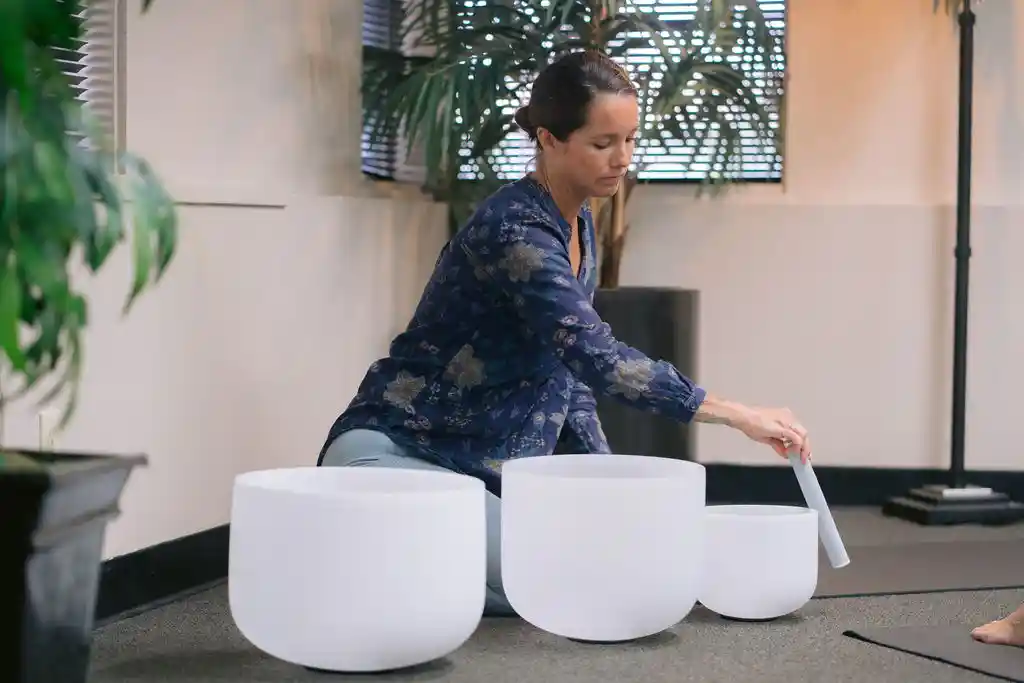
Sound therapy incorporates music, sound waves, and vibrations to promote emotional and spiritual healing.
Dialectical Behavior Therapy
Equine Therapy
Equine Therapy
Guided interactions with trained horses, their handler, and a therapist can help patients improve their self-esteem, trust, empathy, and social skills.
1-on-1 Counseling
1-on-1 Counseling
Patient and therapist meet 1-on-1 to work through difficult emotions and behavioral challenges in a personal, private setting.
Mindfulness Therapy
Mindfulness Therapy
This ancient practice can be mental, emotional, and even spiritual. In meditation, you focus your attention on the present moment without judgement.
Life Skills
Life Skills
Teaching life skills like cooking, cleaning, clear communication, and even basic math provides a strong foundation for continued recovery.
Attachment-Based Family Therapy
ABFT is a trauma-focused therapy that teaches you to form healthy relationships by rebuilding trust and healing attachment issues formed in childhood.
Cognitive Behavioral Therapy
Solution Focused and Goal-Oriented Therapy
A quick goal-oriented therapy that helps patients identify their current and future goals, find out how to achieve them, and empower future problem-solving.
Ayurveda
Ayurveda
One of the oldest medicine systems, Ayurveda is based on the idea that wellness lies in the mind-body-spirit balance and can be achieved through natural interventions.
Mindfulness-Based Cognitive Therapy
MBCT combines mindfulness practices—like meditation—with cognitive therapy techniques to help patients work through negative thought patterns.
Body Image Therapy
Body Image Therapy
Therapists use cognitive behavior techniques to challenge how patients perceive their body and their worth, rewriting negative thoughts and attitudes.
Relapse Prevention Counseling
Relapse prevention counselors teach patients to recognize the signs of relapse and reduce their risk.
Acceptance and Commitment Therapy (ACT)
This cognitive behavioral therapy teaches patients to accept challenging feelings and make the appropriate changes to reach personal goals.
Biochemical Restoration
This treatment restores any brain and body deficiencies caused by substance abuse through a full detox, followed by supplement replenishment.
Medication-Assisted Treatment
Combined with behavioral therapy, prescribed medications can enhance treatment by relieving withdrawal symptoms and focus patients on their recovery.
Motivational Interviewing and Enhancement Therapy (MET)
This approach is based on idea that motivation to change comes from within. Providers use a conversational framework that may help you commit to recovery.
Relaxation Therapy
Relaxation Therapy
Muscle relaxation techniques relax mind and body. They can easily be practiced outside treatment, making it a valuable coping tool for continued recovery.
Interpersonal Therapy
This brief and structured therapy addresses present relationships and improves overall communication at work, home, and other social settings.
Somatic Experiencing
This method treats emotional trauma stored in the body. A therapist helps patients work through the physical feelings associated with emotional pain.
Music Therapy
Music Therapy
Singing, performing, and even listening to music can be therapeutic. Music therapy sessions are facilitated by certified counselors.
Couples Counseling
Couples Counseling
Partners work to improve their communication patterns, using advice from their therapist to better their relationship and make healthy changes.
Yoga
Yoga
Yoga is both a physical and spiritual practice. It includes a flow of movement, breathing techniques, and meditation.
Art Therapy
Art Therapy
Visual art invites patients to examine the emotions within their work, focusing on the process of creativity and its gentle therapeutic power.
Shopping
Shopping
Excessive shopping and spending also known as compulsive buying disorder makes life unsustainable. It puts a strain on finances, relationships, and emotional well-being.
Nicotine
Co-Occurring Disorders
A person with multiple mental health diagnoses, such as addiction and depression, has co-occurring disorders also called dual diagnosis.
Cocaine
Cocaine
Cocaine is a stimulant with euphoric effects. Agitation, muscle ticks, psychosis, and heart issues are common symptoms of cocaine abuse.
Personality Disorders
Personality disorders destabilize the way a person thinks, feels, and behaves. If untreated, they can undermine relationships and lead to severe distress.
Benzodiazepines
Benzodiazepines
Benzodiazepines are prescribed to treat anxiety and sleep issues. They are highly habit forming, and their abuse can cause mood changes and poor judgement.
Ecstasy
Ecstasy
Ecstasy is a stimulant that causes intense euphoria and heightened awareness. Abuse of this drug can trigger depression, insomnia, and memory problems.
Gaming
Gaming
Compulsive gaming is most often a problem for children and teens. The disorder can affect physical health, sleep, and the ability to focus at school.
Narcissism
Grief and Loss
Grief and Loss
Grief is a natural reaction to loss, but severe grief can interfere with your ability to function. You can get treatment for this condition.
Codependency
Codependency
Codependency is a pattern of emotional dependence and controlling behavior. It’s most common among people with addicted loved ones.
Internet Addiction
Internet Addiction
Internet addiction is common among children teens. This compulsive disorder can damage relationships, school performance, sleep habits, and physical health.
Methamphetamine
Methamphetamine
Methamphetamine, or meth, increases energy, agitation, and paranoia. Long-term use can result in severe physical and mental health issues.
Heroin
Heroin
Heroin is a highly addictive and illegal opioid. It can cause insomnia, collapsed veins, heart issues, and additional mental health issues.
Marijuana
Synthetic Drugs
Synthetic Drugs
Synthetic drugs are made in a lab, unlike plant-based drugs like mushrooms. Most synthetic drugs are either stimulants or synthetic cannabinoids.
Suicidality
Suicidality
With suicidality, a person fantasizes about suicide, or makes a plan to carry it out. This is a serious mental health symptom.
Depression
Depression
Symptoms of depression may include fatigue, a sense of numbness, and loss of interest in activities. This condition can range from mild to severe.
Drug Addiction
Drug Addiction
Drug addiction is the excessive and repetitive use of substances, despite harmful consequences to a person’s life, health, and relationships.
Gambling
Gambling
Compulsive gaming is most often a problem for children and teens. The disorder can affect physical health, sleep, and the ability to focus at school.
Alcohol
Alcohol
Using alcohol as a coping mechanism, or drinking excessively throughout the week, signals an alcohol use disorder.
Chronic Relapse
Chronic Relapse
Consistent relapse occurs repeatedly, after partial recovery from addiction. This condition requires long-term treatment.
Anxiety
Anxiety
Anxiety is a common mental health condition that can include excessive worry, panic attacks, physical tension, and increased blood pressure.
Bipolar
Bipolar
This mental health condition is characterized by extreme mood swings between depression, mania, and remission.
Sex Addiction
Sex Addiction
Compulsively seeking out sex can easily become a problem. This addiction is detrimental to relationships, physical health, and self-esteem.
Stress
Stress
Stress is a natural reaction to challenges, and it can even help you adapt. However, chronic stress can cause physical and mental health issues.
Anger
Anger
Although anger itself isn’t a disorder, it can get out of hand. If this feeling interferes with your relationships and daily functioning, treatment can help.
Trauma
Trauma
Some traumatic events are so disturbing that they cause long-term mental health problems. Those ongoing issues can also be referred to as ‘trauma.’
ADHD, ADD
ADHD, ADD
ADHD is a common mental health condition caused by dopamine imbalance. Common symptoms include inattention, hyperactivitiy, and impulsivity.
Burnout
Burnout
Burnout entails mental and physical exhaustion, and leads to a severe lack of fulfillment. This condition is often caused by overwork.
Air-Conditioned Rooms
Armchair or Sofa
Internet Access
Private or Shared Rooms
Airport Transfers
Internet
Dietary Accommodations
Vegan
Vegetarian
Gluten-Free
Executive Program
Executive Program
Addiction and mental health treatment for executives typically involves high discretion, greater technology access, and more private, 1-on-1 care.
Flexible technology policies
Centers with flexible technology policies allow professionals to stay in touch with work and give patients a greater sense of connection and normalcy.
Gender-specific groups
Patients in gender-specific groups gain the opportunity to discuss challenges unique to their gender in a comfortable, safe setting conducive to healing.
Smoke-free Campus
Young Adults Program
Programs for young adults bring teens 18+ together to discuss age-specific challenges, vocational and educational progress, and successes in treatment.
Adventure Outings
Reading
Sightseeing
Acupuncture
Yoga
Yoga
Yoga is both a physical and spiritual practice. It includes a flow of movement, breathing techniques, and meditation.
AA/NA Meetings
Beach Walks
Alternative Meetings
Hiking
Massage
Water Activities
Acupuncture
Beach Access
Pool
Access to Nature
Fitness Center
Hot Tub
Walking Trails
Founder
(CAADE)
Executive Clinical Director
LCSW
Chief Executive Officer/Director of Admissions
Bachelor’s Degree in Business Administration
Chief Administrative Officer
Bachelor’s Degree in Psychology
Medical Director
D.O.
Clinical Psychologist
PsyD
Clinical Psychologist
PsyD
Mental Health Nurse Practitioner
FNP-C, PMHNP-BC
Medical Concierge
SUDRC
Therapist
LPCC, CADC
Therapist
LMFT
Case Manager
SUDRC
Case Manager
CATC III
Group Facilitator
RADT
Sound Therapy & Reiki Facilitator
RADT
Breathworks Group Facilitator
CADC-II
Yoga & Meditation Instructor
E-RYT 500, SUDRC
Massage Therapist
CMLDT
Director of Marketing & Strategic Partnerships
MBA
Operations Director
Director of Human Resources/Officer Manager
Recreational Therapist
MA, ATR-BC
Casa Recovery is by far the best rehab facility I’ve been to. They truly care for each and every one of their clients. They helped me overcome obstacle and become the best person I can be. I highly recommend casa to anyone seeking help or a new way of life.
Top10 Rehabs is an independent organization that simplifies finding the best mental health and addiction treatment. Comprehensive profiles of over 2,500 rehab centers include insurance coverage, pricing, photos, reviews, and more. Choosing the best path to recovery has never been easier.