

Unclaimed
This provider hasn’t verified their profile’s information. Are you the owner of this center? Claim your listing to better manage your presence on Top10 Rehabs.
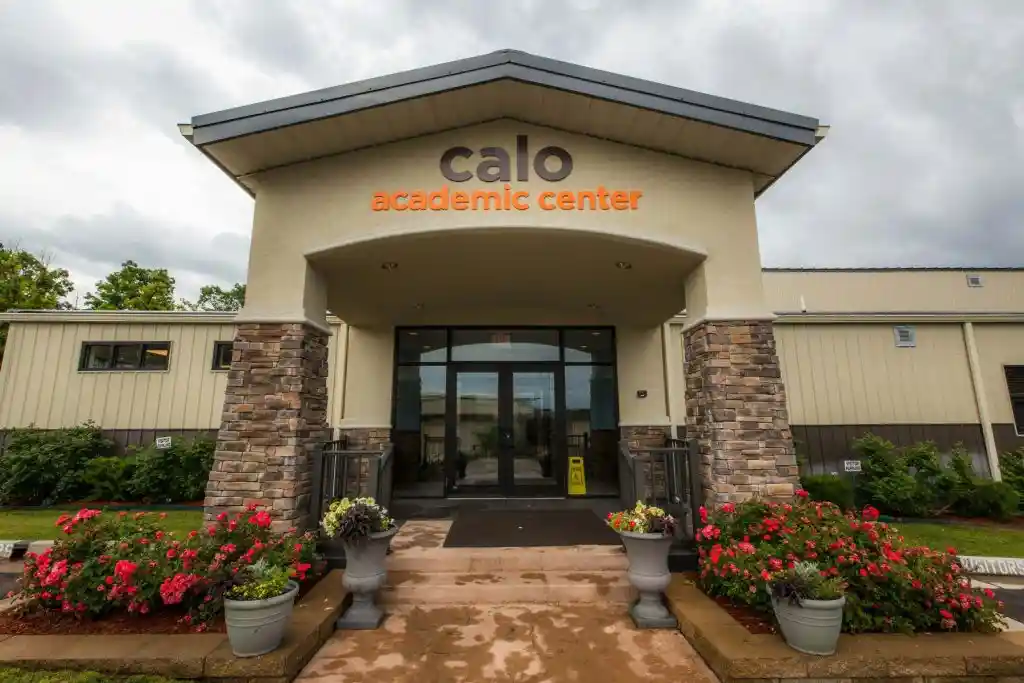
A mental health clinic offering academic treatment for teens and adolescents (ages 9-18) with a focus on healing attachment style.
Highlights

Claim your profile to manage this page and enable the messaging form.
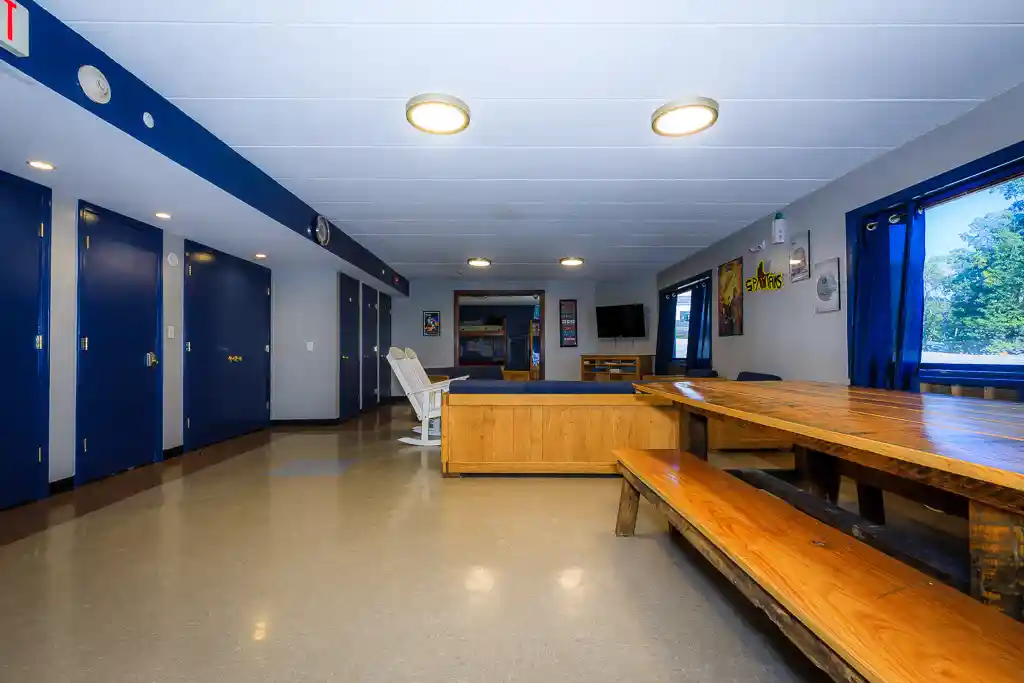
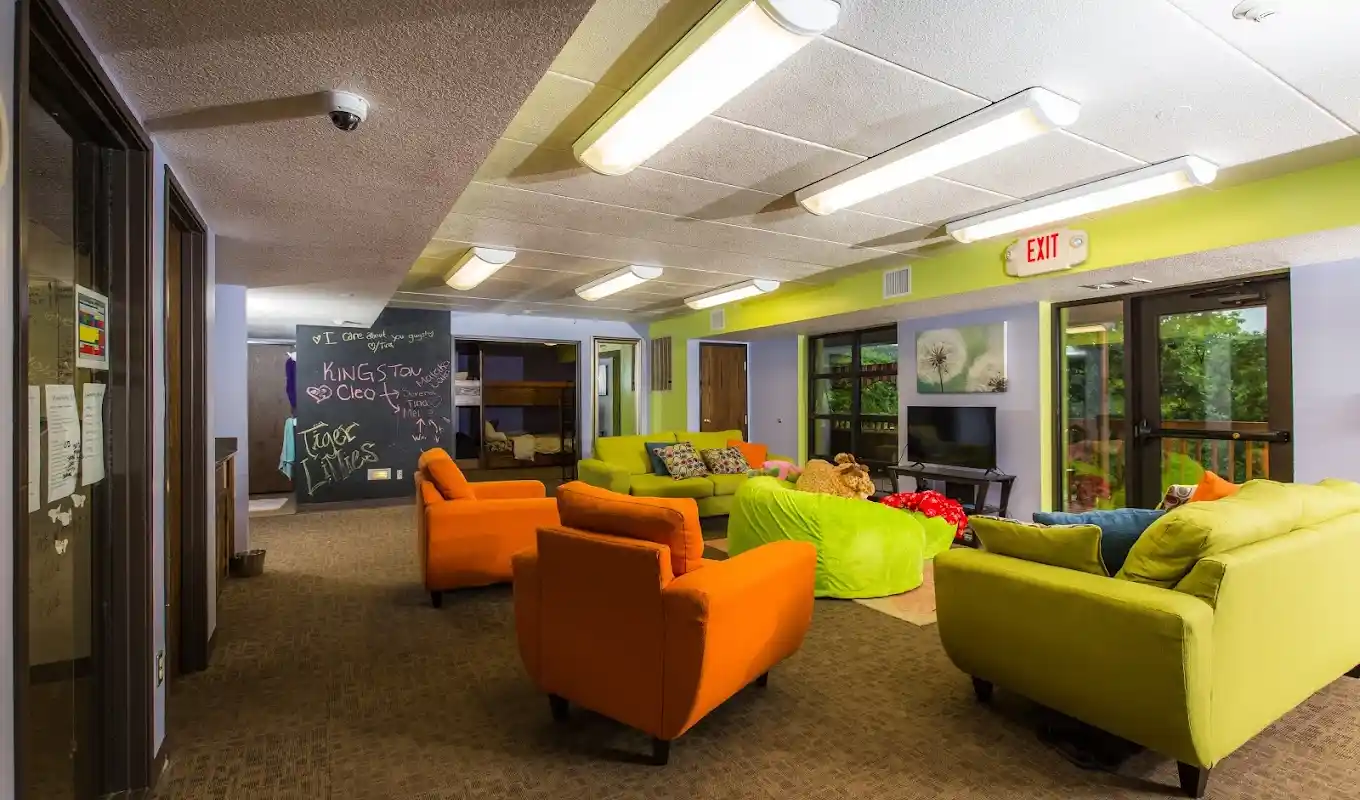
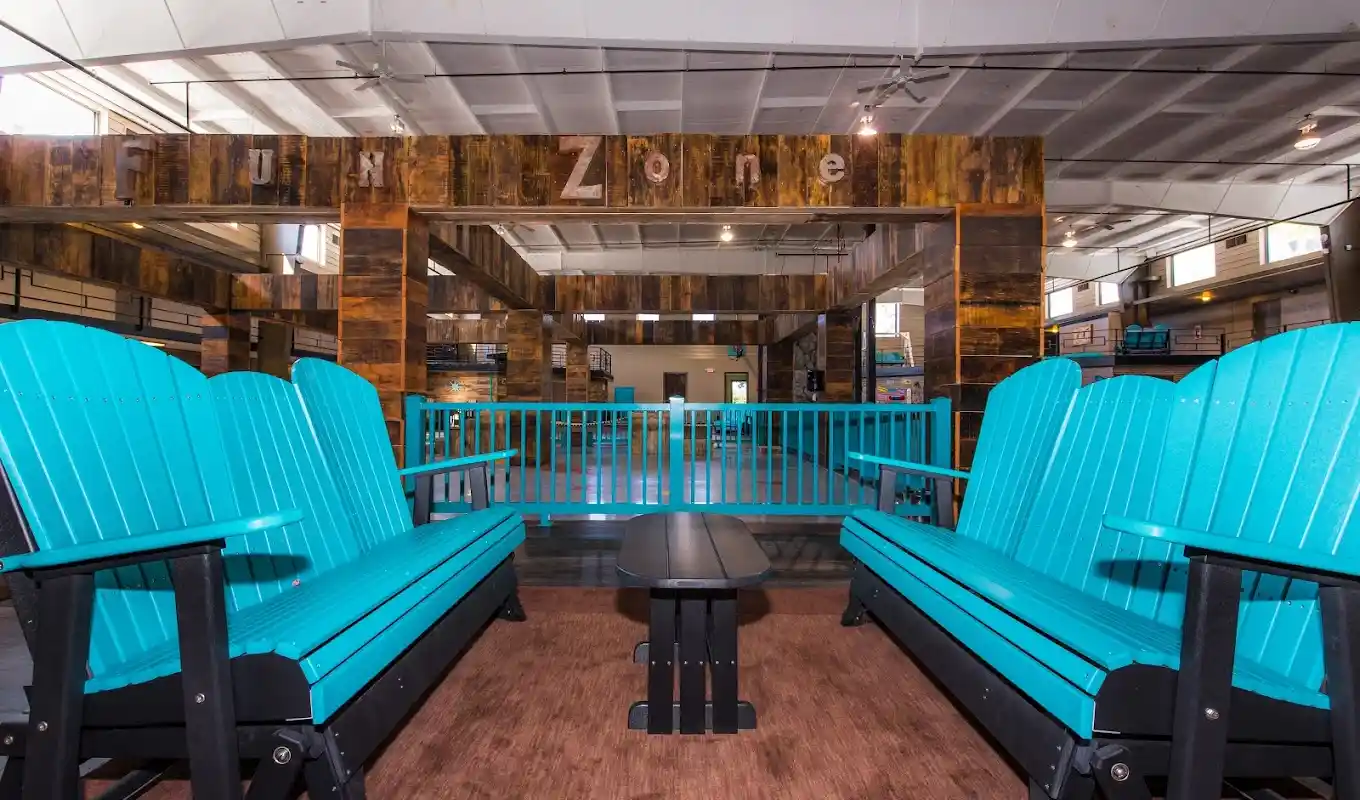
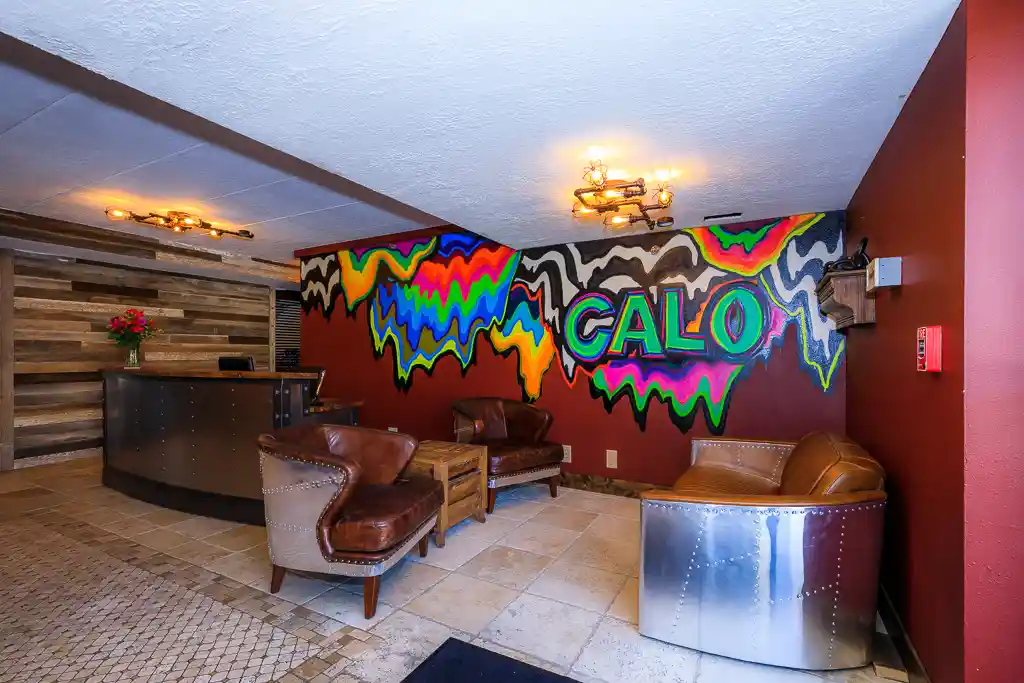
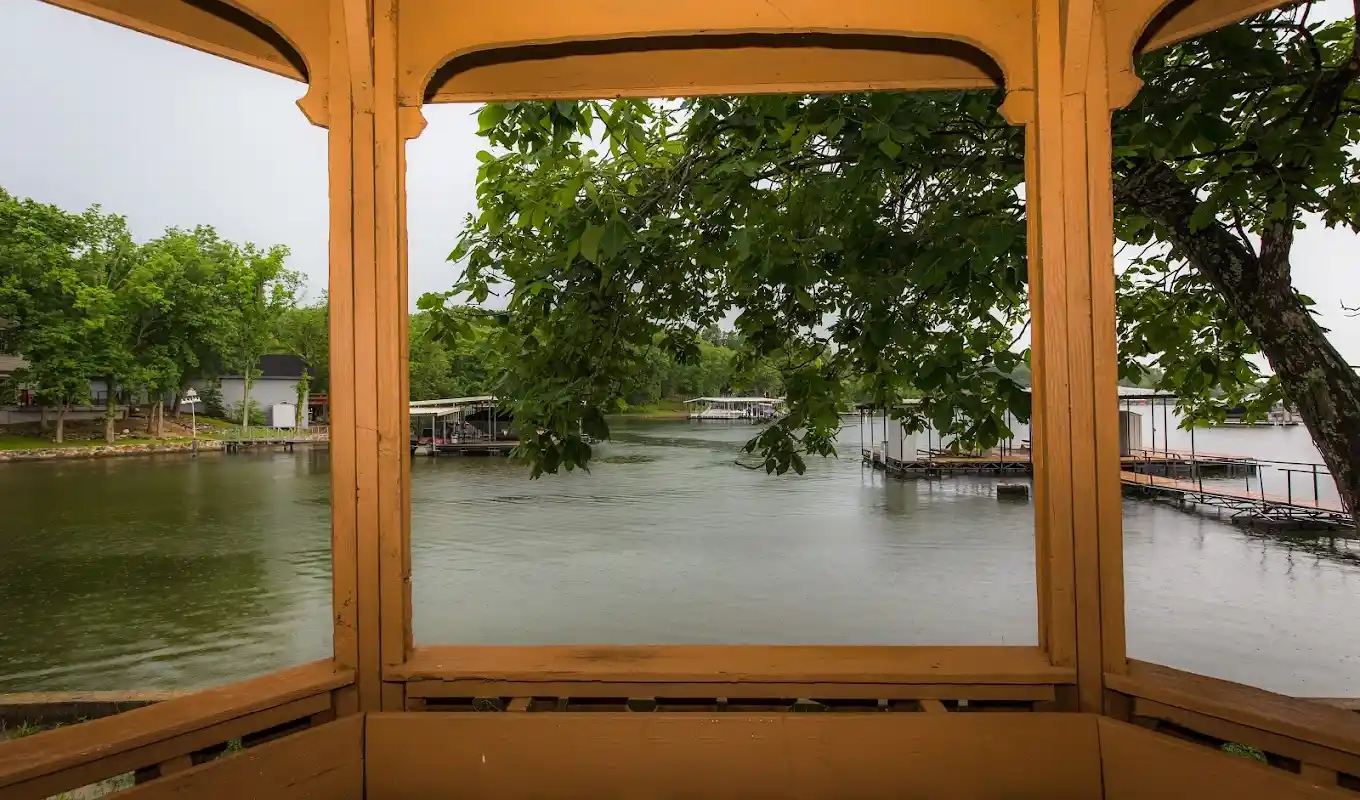
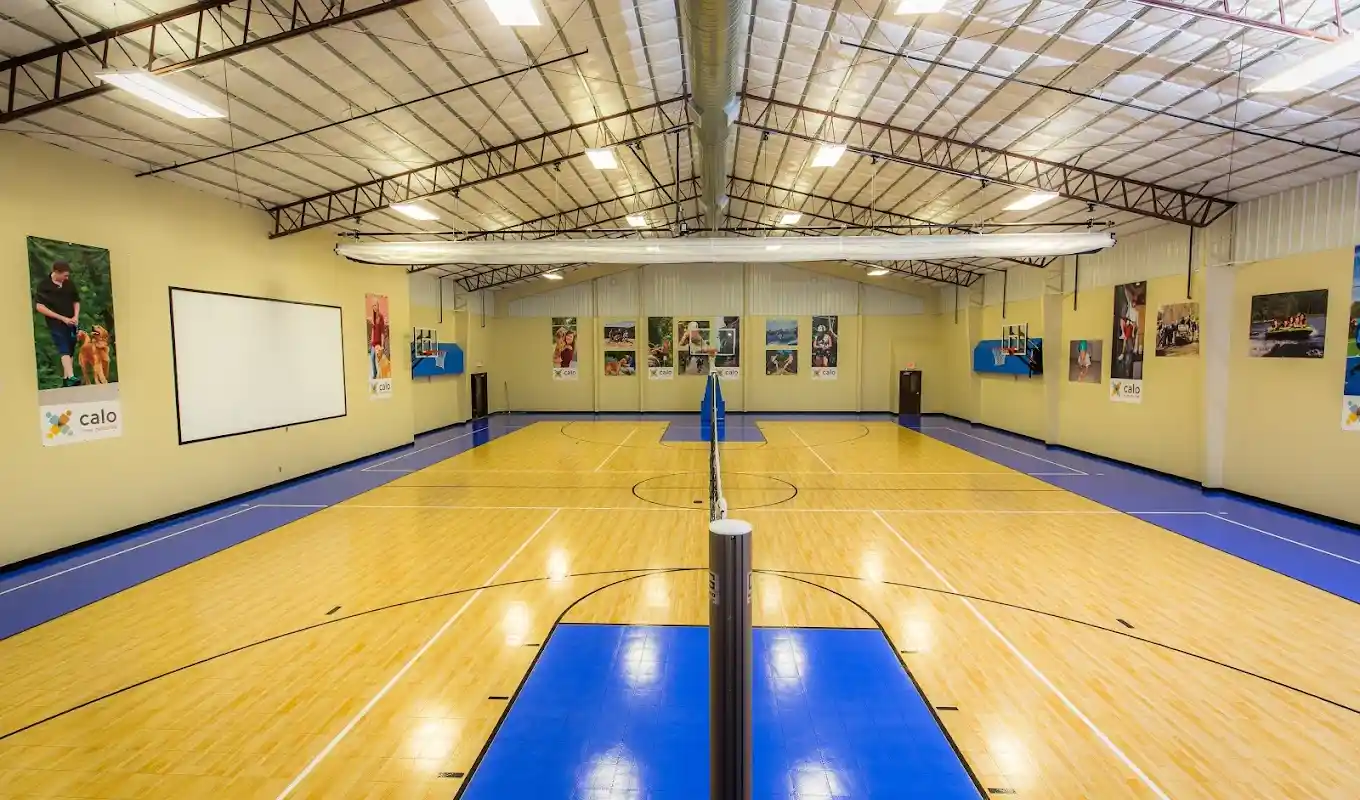
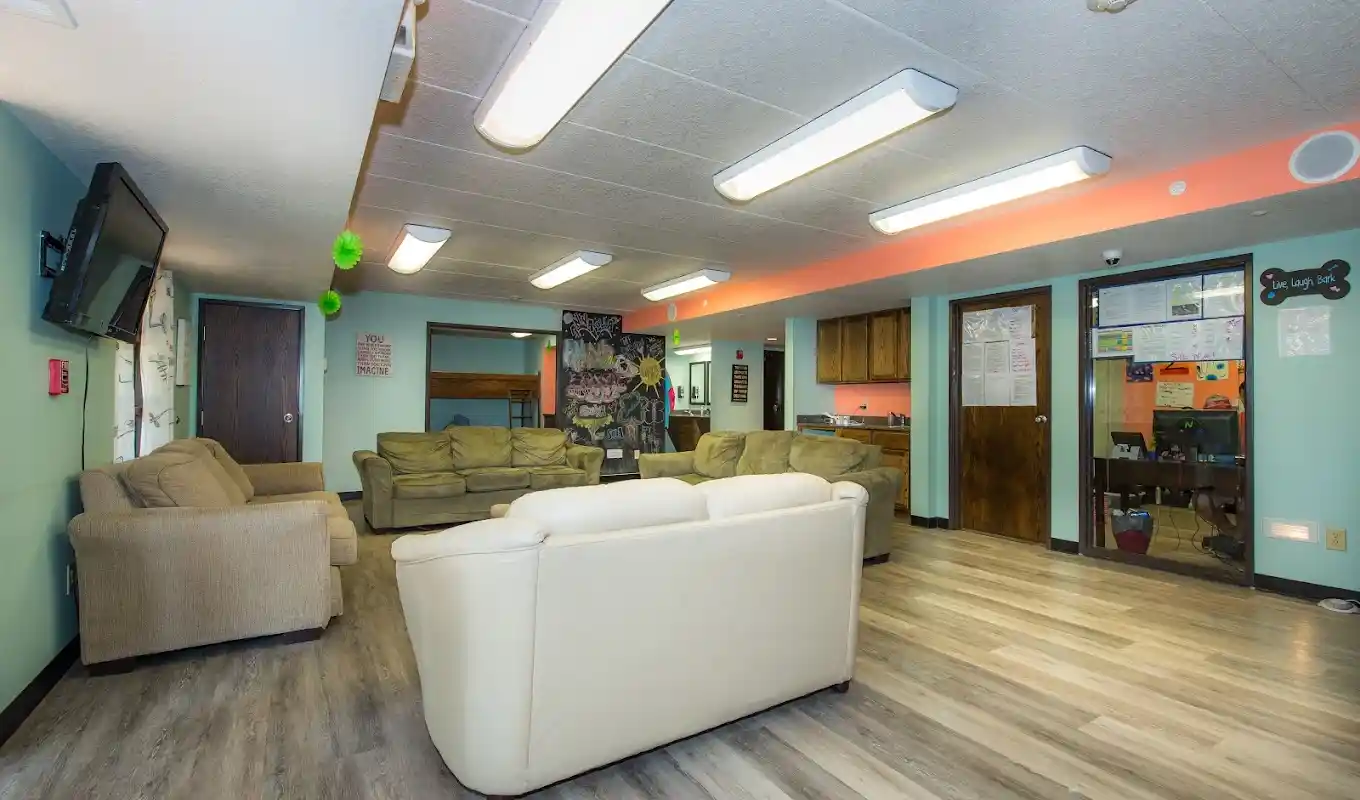
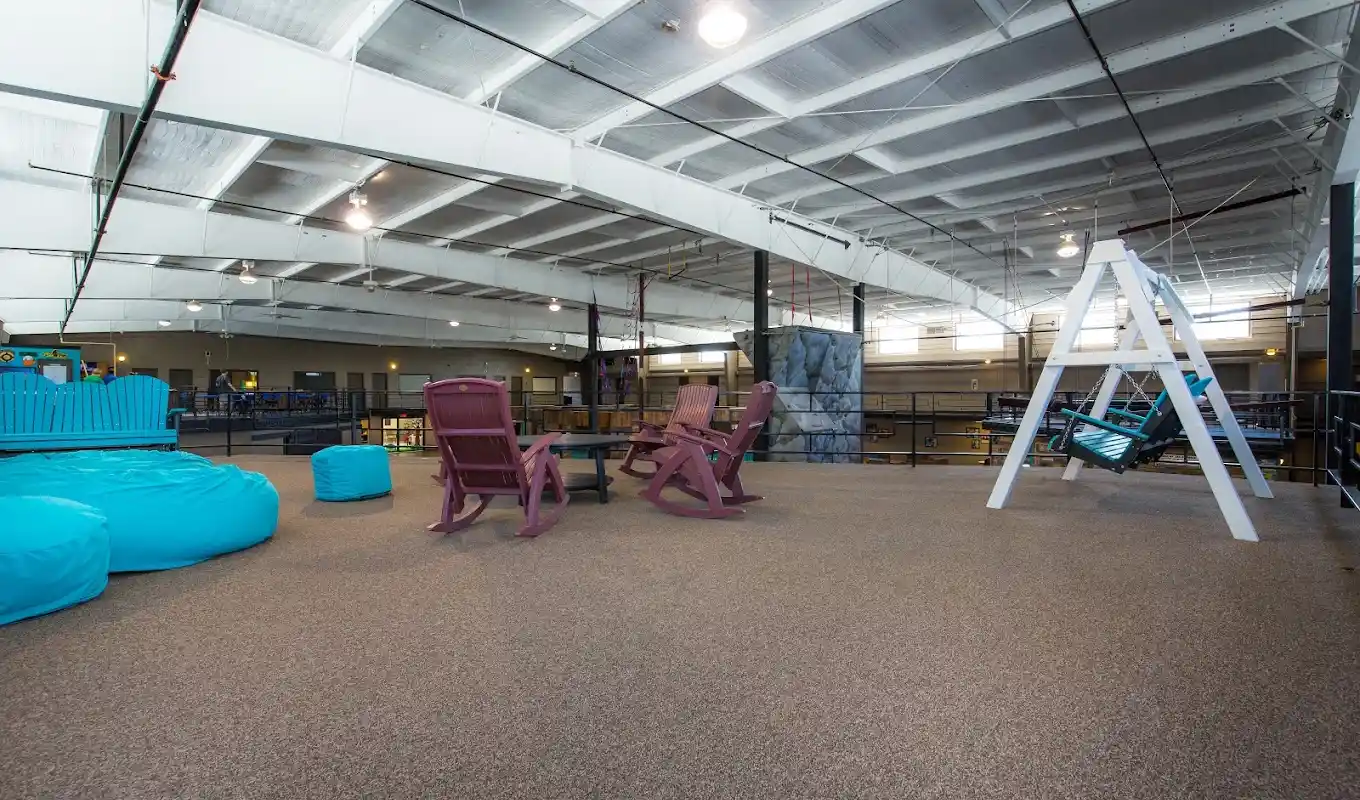
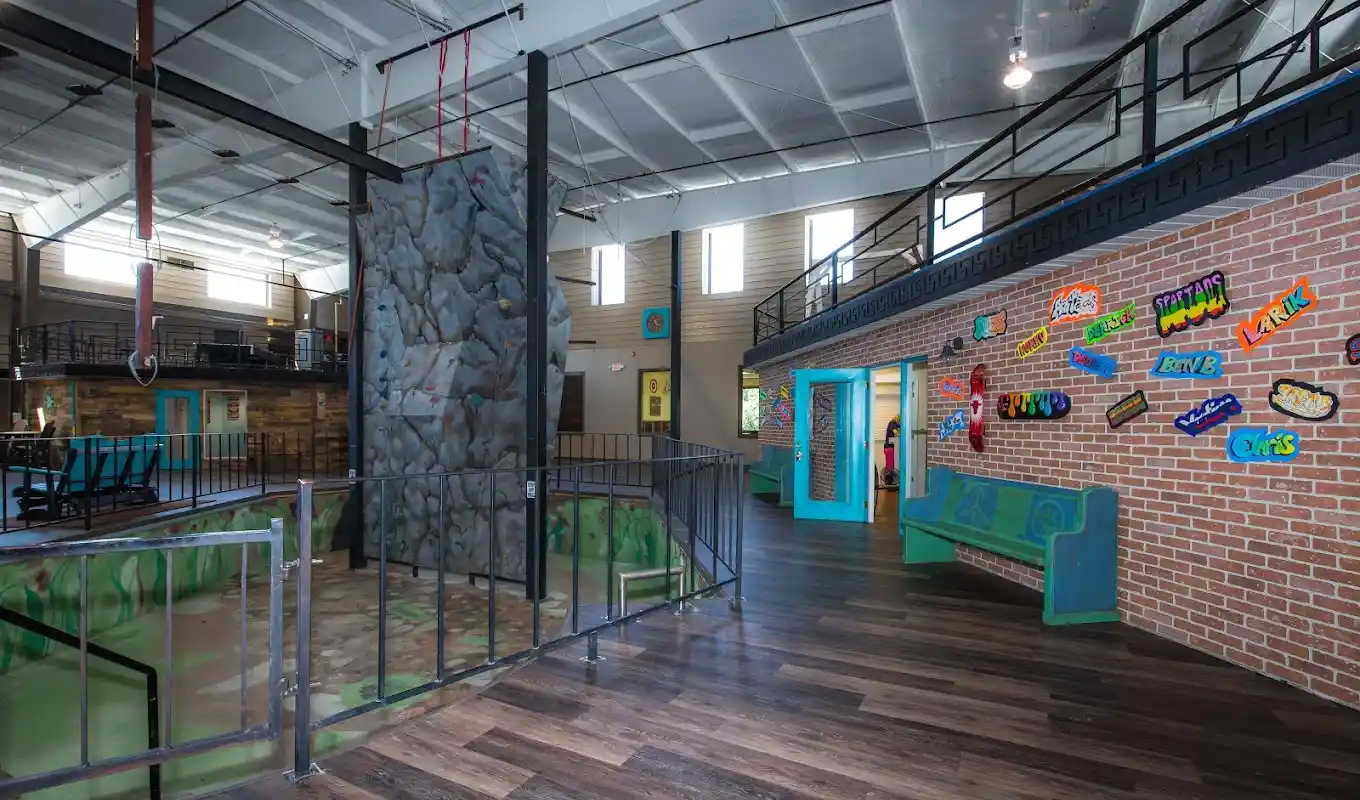
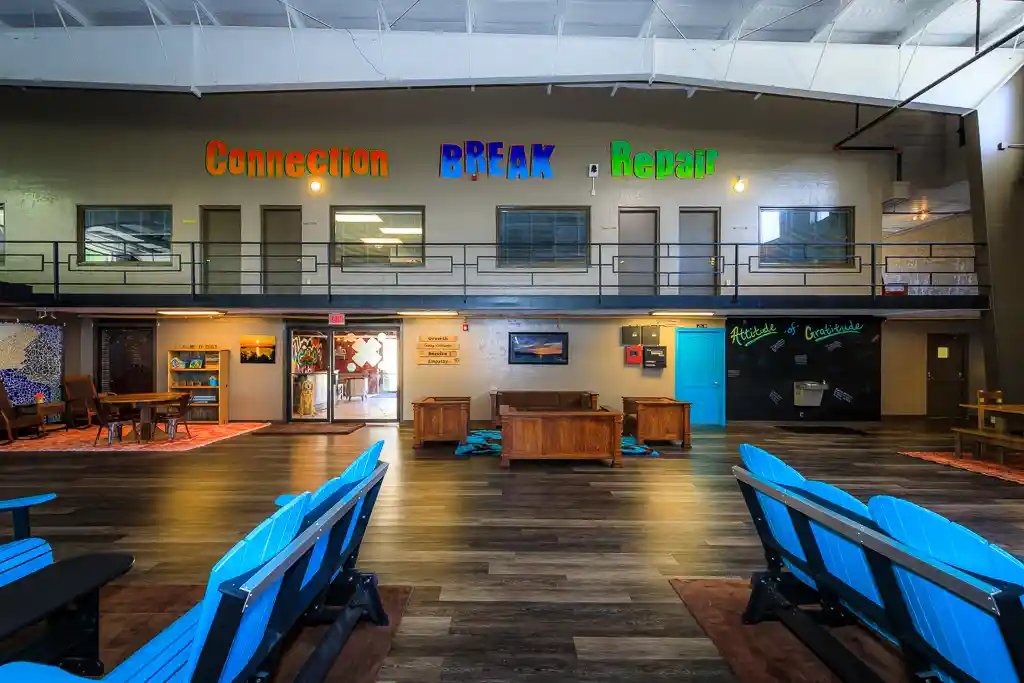
Calo Programs is specifically focused on and prepared to address traumatic situations that happened during the developing era. Teenagers affected by trauma struggle with maintaining healthy relationships with their families and peers, suffer from emotional dysregulation and frequently behave inappropriately at home or in public. Calo Program’s clients set out on the path to cultivating a positive sense of self with a basic focus on safety and healing through therapeutic techniques. Some of Calo Programs’ therapeutic approaches include animal-assisted therapy, neurofeedback, individual therapy, occupational therapy, and residential therapy.
For kids between the ages of 9 and 18 who have parents or guardians who are willing to actively participate in the reactive attachment disorder treatment program, Calo offers programs. Calo provides preteen (9–14) and single-gender adolescent (14–18) programs. ADD/ADHD, adoption/attachment issues, anxiety, ASD, bipolar, depression, divorce issues, grief, low self-esteem, and trauma are among the presenting problems they address.

Adolescents
Adolescents
Adolescents receive the treatment they need for mental health disorders and addiction, with the added support of educational and vocational services.
Children
Children
Treatment for children incorporates the psychiatric care they need and education, often led by on-site teachers to keep children on track with school.

Mental health is a complex health condition that requires a comprehensive, patient-centered approach to treatment that ensures you receive the appropriate care at the right time, based on your individual needs.

Typically the initial stage of treatment for substance use, focusing on medically supervised management of withdrawal symptoms.

An intensive program offering 24 hour care and a variety of therapeutic services in a residential setting.
Transitional housing designed to support individuals recovering from substance use disorders offering a safe, supportive and structured environment for practicing long-term sobriety, while reintegrating back into daily living.
Treatment programming allowing patients to receive care without staying in a hospital or inpatient facility, providing a variety of therapeutic and medical services.

Adolescents
Adolescents
Adolescents receive the treatment they need for mental health disorders and addiction, with the added support of educational and vocational services.
Children
Children
Treatment for children incorporates the psychiatric care they need and education, often led by on-site teachers to keep children on track with school.
1-on-1 Counseling
1-on-1 Counseling
Patient and therapist meet 1-on-1 to work through difficult emotions and behavioral challenges in a personal, private setting.
Adventure Therapy
Adventure Therapy
This experiential approach uses the physical and emotional challenges of outdoor activities as tools for personal growth.
Animal Therapy
Animal Therapy
Animals can inspire trust and self-worth. In this experiential therapy, guided interactions are used to improve social skills and emotion regulation.
Biofeedback
Acceptance and Commitment Therapy (ACT)
Acceptance and Commitment Therapy (ACT)
This cognitive behavioral therapy teaches patients to accept challenging feelings and make the appropriate changes to reach personal goals.
Neurofeedback
Neurofeedback
During therapy, patients observe their own brain waves as interpreted by an EEG. This empowers them to understand and regulate emotional responses.
Group Therapy
Grief and Loss
Grief and Loss
Grief is a natural reaction to loss, but severe grief can interfere with your ability to function. You can get treatment for this condition.
ADHD, ADD
ADHD, ADD
ADHD is a common mental health condition caused by dopamine imbalance. Common symptoms include inattention, hyperactivitiy, and impulsivity.
Anxiety
Anxiety
Anxiety is a common mental health condition that can include excessive worry, panic attacks, physical tension, and increased blood pressure.
Bipolar
Bipolar
This mental health condition is characterized by extreme mood swings between depression, mania, and remission.
Depression
Depression
Symptoms of depression may include fatigue, a sense of numbness, and loss of interest in activities. This condition can range from mild to severe.
Trauma
Trauma
Some traumatic events are so disturbing that they cause long-term mental health problems. Those ongoing issues can also be referred to as ‘trauma.’

Air-Conditioned Rooms
Shared Bathroom
Shared Rooms
Access to Nature
Walking Trails
Rock Climbing Wall
Luxury
Rock Climbing
Biking
Fishing
Physical Fitness
Swimming
Water Activities
Lake Ozark, Missouri, United States.
The typical length is 28+ days.
Top10 Rehabs is an independent organization that simplifies finding the best mental health and addiction treatment. Comprehensive profiles of over 2,500 rehab centers include insurance coverage, pricing, photos, reviews, and more. Choosing the best path to recovery has never been easier.