

Claimed
Top10 Rehabs has connected directly with this treatment provider to validate the information in their profile.

Provider’s Policy

$20,000
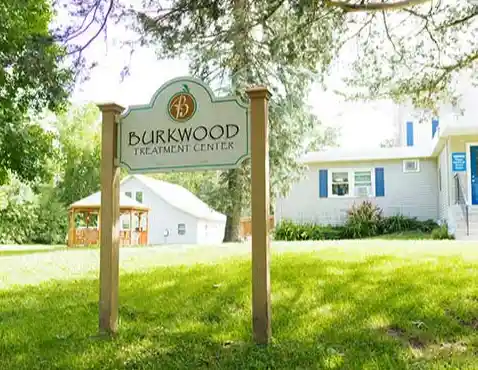
Located near Willow River State Park, Burkwood Treatment Center is a 3-acre campus offering a 12-Step treatment approach and nature walks.
Connect with Burkwood Treatment Center by calling their admissions team directly.


For more than 20 years, Burkwood Treatment Center has assisted people in recovering from substance misuse and co-occuring mental conditions. Burkwood offers comprehensive care and personalized treatment plans that are tailored to the client’s specific needs, strengths, and objectives. Burkwood Treatment Center combines evidence-based therapy with 12-Step facilitation. They launched the evidence-based MAAEZ Program at Burkwood with direct support from the Public Health Institute’s award-winning senior scientist, Dr. Lee Ann Kaskutas. “A 12-month follow-up study found that clients who completed the MAAEZ Program had a 10% higher abstinence rate (than those who received standard treatment).” Individual therapy sessions once a week and five group sessions each day are part of the structured 12-Step program. Process groups, skills groups, guided imagery groups, and activity groups are examples of group sessions. Burkwood also has Recovery Advocate-led groups and groups where participants produce Gestalt-influenced and analogy-based plays.
Burkwood Treatment Center is located in a quiet residential area near Willow River State Park in Hudson, Wisconsin. Burkwood is known for its peaceful wilderness setting, which allows clients to work toward recovery while surrounded by the serenity of the wilderness. Clients also have the opportunity to participate in recreational groups which include activities in nearby Willow River State Park during the summer, activities at the University of Wisconsin River Falls’ Knowles Center during the winter, and men’s and women’s yoga throughout the year.
Provider’s Policy:Addiction and co-occurring recovery services at Burkwood Treatment Center are covered by most insurance plans.
Cigna’s unique history traces back to 1792, but today they offer services to 190 million customers in 30 different countries across the globe.
A leading healthcare provider serving over 100 million Americans as one of the largest insurance companies in the country.

Founded in 1946, Anthem is the 4th largest public managed health care company in the United States and serves over 46 million clients.


Men
Women

Mental health is a complex health condition that requires a comprehensive, patient-centered approach to treatment that ensures you receive the appropriate care at the right time, based on your individual needs.

Typically the initial stage of treatment for substance use, focusing on medically supervised management of withdrawal symptoms.

An intensive program offering 24 hour care and a variety of therapeutic services in a residential setting.
Transitional housing designed to support individuals recovering from substance use disorders offering a safe, supportive and structured environment for practicing long-term sobriety, while reintegrating back into daily living.
Treatment programming allowing patients to receive care without staying in a hospital or inpatient facility, providing a variety of therapeutic and medical services.

Co-Occurring Disorders
Co-Occurring Disorders
A person with multiple mental health diagnoses, such as addiction and depression, has co-occurring disorders also called dual diagnosis.
Drug Addiction
Drug Addiction
Drug addiction is the excessive and repetitive use of substances, despite harmful consequences to a person’s life, health, and relationships.
Evidence-Based
Evidence-Based
A combination of scientifically rooted therapies and treatments make up evidence-based care, defined by their measured and proven results.
Individual Treatment
Individual Treatment
Individual care meets the needs of each patient, using personalized treatment to provide them the most relevant care and greatest chance of success.
Experiential
Experiential
Expressive tools and therapies help patients process past situations, learn more about themselves, and find healing through action.
1-on-1 Counseling
1-on-1 Counseling
Patient and therapist meet 1-on-1 to work through difficult emotions and behavioral challenges in a personal, private setting.
DBT
DBT
This stage-based therapy helps patients address their realities and behaviors while inspiring healthy change, primarily in regulating emotions.
Experiential Therapy
Experiential Therapy
With this approach, patients heal by doing. Therapists help patients process difficult emotions to speak, using guided activities like art or dance.
Eye Movement Therapy (EMDR)
Eye Movement Therapy (EMDR)
Lateral, guided eye movements help reduce the emotional reactions of retelling and reprocessing trauma, allowing intense feelings to dissipate.
Twelve Step Facilitation
Twelve Step Facilitation
12-Step groups offer a framework for addiction recovery. Members commit to a higher power, recognize their issues, and support each other in the healing process.
Group Therapy
Yoga
Yoga
Yoga is both a physical and spiritual practice. It includes a flow of movement, breathing techniques, and meditation.
Prescription Drugs
Prescription Drugs
It’s possible to abuse any drug, even prescribed ones. If you crave a medication, or regularly take it more than directed, you may have an addiction.
Co-Occurring Disorders
Co-Occurring Disorders
A person with multiple mental health diagnoses, such as addiction and depression, has co-occurring disorders also called dual diagnosis.
Cocaine
Cocaine
Cocaine is a stimulant with euphoric effects. Agitation, muscle ticks, psychosis, and heart issues are common symptoms of cocaine abuse.
Benzodiazepines
Benzodiazepines
Benzodiazepines are prescribed to treat anxiety and sleep issues. They are highly habit forming, and their abuse can cause mood changes and poor judgement.
Opioids
Opioids
Opioids produce pain-relief and euphoria, which can lead to addiction. This class of drugs includes prescribed medication and the illegal drug heroin.
Codependency
Codependency
Codependency is a pattern of emotional dependence and controlling behavior. It’s most common among people with addicted loved ones.
Alcohol
Alcohol
Using alcohol as a coping mechanism, or drinking excessively throughout the week, signals an alcohol use disorder.
Methamphetamine
Methamphetamine
Methamphetamine, or meth, increases energy, agitation, and paranoia. Long-term use can result in severe physical and mental health issues.
Heroin
Heroin
Heroin is a highly addictive and illegal opioid. It can cause insomnia, collapsed veins, heart issues, and additional mental health issues.
Post Traumatic Stress Disorder
Post Traumatic Stress Disorder
PTSD is a long-term mental health issue caused by a disturbing event or events. Symptoms include anxiety, dissociation, flashbacks, and intrusive thoughts.
Synthetic Drugs
Synthetic Drugs
Synthetic drugs are made in a lab, unlike plant-based drugs like mushrooms. Most synthetic drugs are either stimulants or synthetic cannabinoids.
Depression
Depression
Symptoms of depression may include fatigue, a sense of numbness, and loss of interest in activities. This condition can range from mild to severe.
Drug Addiction
Drug Addiction
Drug addiction is the excessive and repetitive use of substances, despite harmful consequences to a person’s life, health, and relationships.
Chronic Relapse
Chronic Relapse
Consistent relapse occurs repeatedly, after partial recovery from addiction. This condition requires long-term treatment.
Anxiety
Anxiety
Anxiety is a common mental health condition that can include excessive worry, panic attacks, physical tension, and increased blood pressure.
Trauma
Trauma
Some traumatic events are so disturbing that they cause long-term mental health problems. Those ongoing issues can also be referred to as ‘trauma.’
Outpatient Treatment
Alumni Events & Get-Togethers
Professional Re-entry Support

Air-Conditioned Rooms
Shared Bathroom
Shared Rooms
Access to Nature
Recreation Room
Walking Trails
AA/NA Meetings
Hiking
Massage
Waterfalls
While costs may vary due to program length and insurance benefits, it typically costs $20,000.
Hudson, Wisconsin, United States.
Addiction and co-occurring recovery services at Burkwood Treatment Center are covered by most insurance plans..
The typical length is 42 days.
Top10 Rehabs is an independent organization that simplifies finding the best mental health and addiction treatment. Comprehensive profiles of over 2,500 rehab centers include insurance coverage, pricing, photos, reviews, and more. Choosing the best path to recovery has never been easier.