


Verified
This provider’s information has been quality-checked by RehabPath’s Research Team for accuracy and completeness, including data verification through appropriate third-party organizations.View This Center’s Verified License

Provider’s Policy

$800-$1000/daily
Treating addiction and co-occurring mental health conditions, trauma, and eating disorders with medical detox, residential care, and outpatient programs.

Connect with Boca Recovery Center by calling their admissions team directly.


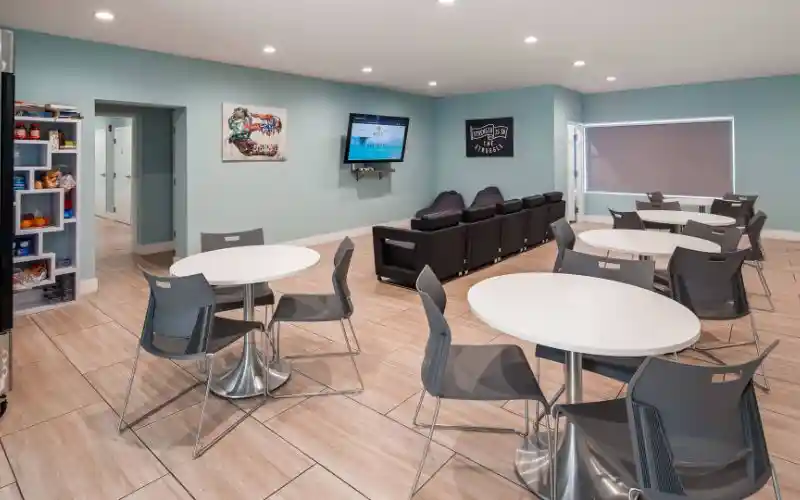
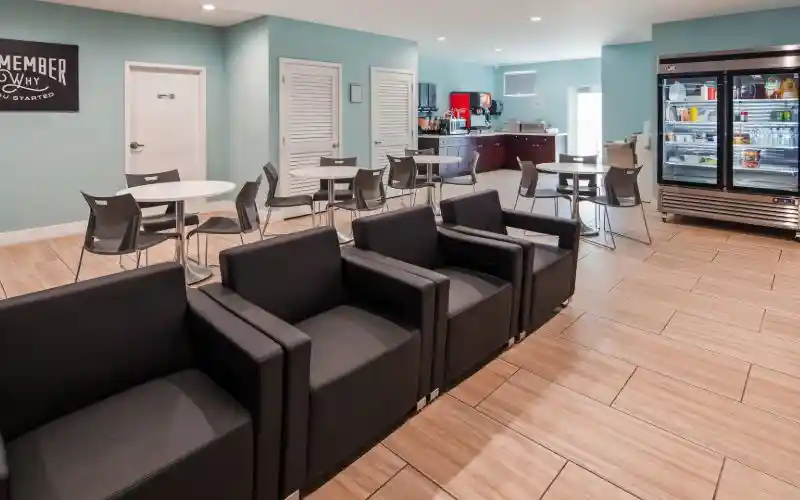
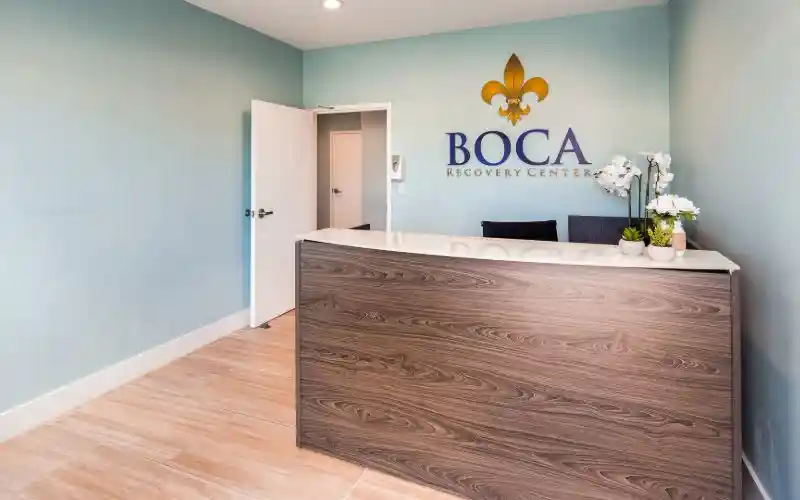


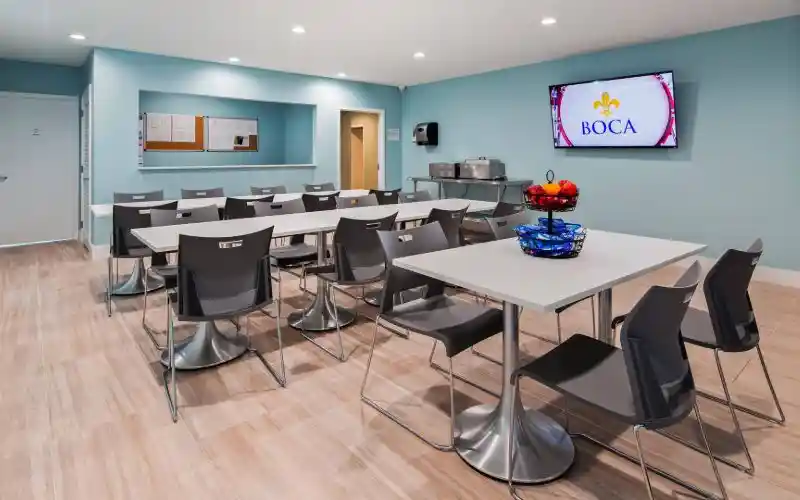
Boca Recovery Pompano Beach is one of 3 Boca Recovery Centers. They provide accredited addiction treatment for men and women with primary substance use, co-occurring mental health conditions, and/or eating disorders. Their Pompano Beach location provides medical detox, residential treatment, partial hospitalization (or day treatment), intensive outpatient, and outpatient programs.
Boca Recovery Pompano Beach tailors an individual treatment plan to each client. Their intake and onboarding process involves an initial phone assessment, which then continues in an on-site evaluation to determine the level of care clients need. This step also helps clients identify their treatment goals. In each level of care, Boca Recovery uses evidence-based therapies to help clients heal from their addiction and any underlying issues. Their therapies include cognitive behavioral therapy (CBT), dialectical behavioral therapy (DBT), acceptance and commitment therapy (ACT), motivational interviewing techniques, and eye movement desensitization and reprocessing (EMDR).
Boca Recovery Pompano Beach provides detox with medical supervision and medication assistance if needed. After detox, clients begin residential treatment, partial hospitalization, intensive outpatient, or outpatient programming. In partial hospitalization, clients live at home or in sober living and come to treatment 25-30 hours a week. In intensive outpatient, clients have more independence with 9-20 hours of treatment a week. Outpatient care requires a few recovery-focused hours each week.
Boca Recovery Pompano Beach offers private rooms during residential treatment, along with a fitness center, media room, and executive services. Clients receive individual and group therapies throughout treatment. Boca Recovery Pompano Beach also offers family therapy, trauma-informed treatment, and a faith-based recovery track.
Boca Recovery Center Alumni discuss what life was like before and after treatment.
Provider’s Policy: Boca Recovery Center in Pompano Beach works with most major insurance providers, including Anthem, Aetna, Beacon, Blue Cross Blue Shield, Humana, Kaiser Permanente, Magellan Health, Independence, CareFirst, Community Healthcare Network, and Amerigroup Real Solutions.
If your insurance plan doesn’t cover the total cost of your care, we can work with you to set up a flexible payment plan. We also offer financial assistance to those who don’t have insurance or can otherwise not afford addiction treatment.
One of the nation’s largest not-for-profit health plans, serving 12.7 million members.

With roots in the health field dating back to 1961, Humana is a trusted insurance provider that proudly serves over 20 million Americans.
A leading healthcare provider serving over 100 million Americans as one of the largest insurance companies in the country.
One of the largest health insurance companies in the US, offering several health insurance options to individuals and businesses.

Founded in 1946, Anthem is the 4th largest public managed health care company in the United States and serves over 46 million clients.

Boca Recovery Pompano Beach provides a full continuum of care for clients to seamlessly complete. Each level becomes less intensive, beginning with detox and residential and ending in outpatient and aftercare. Clients in non-residential care can continue to attend work, school, and family responsibilities while in treatment.

Boca Recovery Pompano Beach offers a specialized faith-based track led by Reverend and therapist Charlotte Day. The optional track combines faith and spirituality with evidence-based treatment for a more comprehensive experience. Clients can deepen their faith, process strong emotions, and receive spiritual guidance in their Christian program.
Boca Recovery Pompano Beach provides medically monitored detox with comfort medications as needed. Their clinicians monitor the process to keep clients safe and comfortable. Any medications prescribed may continue throughout treatment for extra support. After detox, clients seamlessly transition into their next step of care at Boca Recovery Pompano Beach.
Boca Recovery Pompano Beach creates a unique treatment plan for each client. Each plan includes a tailored blend of evidence-based, faith-based, holistic, and trauma-informed therapies. Their therapies focus on addiction and co-occurring mental health disorders, including depression, anxiety, and post-traumatic stress disorder. They also treat co-occurring eating disorders.
RehabPath verified that the name, location, contact information and license to operate for this treatment provider are valid and up-to-date. Boca Recovery Center has verified the information on this page to be accurate.
RehabPath is an independent, third-party mental health resource. Verification does not imply endorsement and does not guarantee the quality of treatment services

Young Adults
Young Adults
Emerging adults ages 18-25 receive treatment catered to the unique challenges of early adulthood, like college, risky behaviors, and vocational struggles.
Men and Women
Men and Women
Men and women attend treatment for addiction in a co-ed setting, going to therapy groups together to share experiences, struggles, and successes.
Midlife Adults
Midlife Adults
For adults ages 40+, treatment shifts to focus on the unique challenges, blocks, and risk factors of their age group, and unites peers in a similar community.

Mental health is a complex health condition that requires a comprehensive, patient-centered approach to treatment that ensures you receive the appropriate care at the right time, based on your individual needs.

Typically the initial stage of treatment for substance use, focusing on medically supervised management of withdrawal symptoms.
An intensive program offering 24 hour care and a variety of therapeutic services in a residential setting.

Transitional housing designed to support individuals recovering from substance use disorders offering a safe, supportive and structured environment for practicing long-term sobriety, while reintegrating back into daily living.
Treatment programming allowing patients to receive care without staying in a hospital or inpatient facility, providing a variety of therapeutic and medical services.

Alcohol
Alcohol
Using alcohol as a coping mechanism, or drinking excessively throughout the week, signals an alcohol use disorder.
Co-Occurring Disorders
Co-Occurring Disorders
A person with multiple mental health diagnoses, such as addiction and depression, has co-occurring disorders also called dual diagnosis.
Cocaine
Cocaine
Cocaine is a stimulant with euphoric effects. Agitation, muscle ticks, psychosis, and heart issues are common symptoms of cocaine abuse.
Drug Addiction
Drug Addiction
Drug addiction is the excessive and repetitive use of substances, despite harmful consequences to a person’s life, health, and relationships.
Eating Disorders
Eating Disorders
An eating disorder is a long-term pattern of unhealthy behavior relating to food. Most people with eating disorders have a distorted self-image.
Heroin
Heroin
Heroin is a highly addictive and illegal opioid. It can cause insomnia, collapsed veins, heart issues, and additional mental health issues.
Opioids
Opioids
Opioids produce pain-relief and euphoria, which can lead to addiction. This class of drugs includes prescribed medication and the illegal drug heroin.
Prescription Drugs
Prescription Drugs
It’s possible to abuse any drug, even prescribed ones. If you crave a medication, or regularly take it more than directed, you may have an addiction.
Evidence-Based
Evidence-Based
A combination of scientifically rooted therapies and treatments make up evidence-based care, defined by their measured and proven results.
Individual Treatment
Individual Treatment
Individual care meets the needs of each patient, using personalized treatment to provide them the most relevant care and greatest chance of success.
Twelve Step
Twelve Step
Incorporating spirituality, community, and responsibility, 12-Step philosophies prioritize the guidance of a Higher Power and a continuation of 12-Step practices.
Bio-Medical
Bio-Medical
A philosophy focusing on the biomechanics behind mental health disorders, using prescribed medications as a supplement to behavioral therapy.
Spiritual Care
Spiritual Care
Tending to spiritual health helps treatment become more effective, allowing patients to better cope with their emotions and rebuild their spiritual wellbeing.
Sound Therapy
Sound Therapy
Sound therapy incorporates music, sound waves, and vibrations to promote emotional and spiritual healing.
Group Therapy
1-on-1 Counseling
1-on-1 Counseling
Patient and therapist meet 1-on-1 to work through difficult emotions and behavioral challenges in a personal, private setting.
Life Skills
Life Skills
Teaching life skills like cooking, cleaning, clear communication, and even basic math provides a strong foundation for continued recovery.
Cognitive Behavioral Therapy
Relapse Prevention Counseling
Relapse Prevention Counseling
Relapse prevention counselors teach patients to recognize the signs of relapse and reduce their risk.
Experiential Therapy
Experiential Therapy
With this approach, patients heal by doing. Therapists help patients process difficult emotions to speak, using guided activities like art or dance.
Recreation Therapy
Recreation Therapy
In recreation therapy, recovery can be joyful. Patients practice social skills and work through emotional triggers by engaging in fun activities.
Twelve Step Facilitation
Twelve Step Facilitation
12-Step groups offer a framework for addiction recovery. Members commit to a higher power, recognize their issues, and support each other in the healing process.
Psychoeducation
Psychoeducation
This method combines treatment with education, teaching patients about different paths toward recovery. This empowers them to make more effective decisions.
Family Therapy
Family Therapy
Family therapy addresses group dynamics within a family system, with a focus on improving communication and interrupting unhealthy relationship patterns.
Motivational Interviewing and Enhancement Therapy (MET)
Motivational Interviewing and Enhancement Therapy (MET)
This approach is based on idea that motivation to change comes from within. Providers use a conversational framework that may help you commit to recovery.
Solution Focused, Goal-Oriented Therapy
Solution Focused, Goal-Oriented Therapy
A quick goal-oriented therapy that helps patients identify their current and future goals, find out how to achieve them, and empower future problem-solving.
Music Therapy
Music Therapy
Singing, performing, and even listening to music can be therapeutic. Music therapy sessions are facilitated by certified counselors.
Art Therapy
Art Therapy
Visual art invites patients to examine the emotions within their work, focusing on the process of creativity and its gentle therapeutic power.
Eating Disorders
Eating Disorders
An eating disorder is a long-term pattern of unhealthy behavior relating to food. Most people with eating disorders have a distorted self-image.
Shopping
Shopping
Excessive shopping and spending also known as compulsive buying disorder makes life unsustainable. It puts a strain on finances, relationships, and emotional well-being.
Prescription Drugs
Prescription Drugs
It’s possible to abuse any drug, even prescribed ones. If you crave a medication, or regularly take it more than directed, you may have an addiction.
Nicotine
Schizophrenia
Schizophrenia
Schizophrenia is a serious mental health condition that causes hallucinations, delusions, and disordered thinking.
Co-Occurring Disorders
Co-Occurring Disorders
A person with multiple mental health diagnoses, such as addiction and depression, has co-occurring disorders also called dual diagnosis.
Cocaine
Cocaine
Cocaine is a stimulant with euphoric effects. Agitation, muscle ticks, psychosis, and heart issues are common symptoms of cocaine abuse.
Personality Disorders
Personality Disorders
Personality disorders destabilize the way a person thinks, feels, and behaves. If untreated, they can undermine relationships and lead to severe distress.
Benzodiazepines
Benzodiazepines
Benzodiazepines are prescribed to treat anxiety and sleep issues. They are highly habit forming, and their abuse can cause mood changes and poor judgement.
Gaming
Gaming
Compulsive gaming is most often a problem for children and teens. The disorder can affect physical health, sleep, and the ability to focus at school.
Pornography
Pornography
A person with a porn addiction is emotionally dependent on pornography to the point that it interferes with their daily life and relationships.
Opioids
Opioids
Opioids produce pain-relief and euphoria, which can lead to addiction. This class of drugs includes prescribed medication and the illegal drug heroin.
Codependency
Codependency
Codependency is a pattern of emotional dependence and controlling behavior. It’s most common among people with addicted loved ones.
Internet Addiction
Internet Addiction
Internet addiction is common among children teens. This compulsive disorder can damage relationships, school performance, sleep habits, and physical health.
Methamphetamine
Methamphetamine
Methamphetamine, or meth, increases energy, agitation, and paranoia. Long-term use can result in severe physical and mental health issues.
Heroin
Heroin
Heroin is a highly addictive and illegal opioid. It can cause insomnia, collapsed veins, heart issues, and additional mental health issues.
Post Traumatic Stress Disorder
Post Traumatic Stress Disorder
PTSD is a long-term mental health issue caused by a disturbing event or events. Symptoms include anxiety, dissociation, flashbacks, and intrusive thoughts.
Marijuana
Synthetic Drugs
Synthetic Drugs
Synthetic drugs are made in a lab, unlike plant-based drugs like mushrooms. Most synthetic drugs are either stimulants or synthetic cannabinoids.
Suicidality
Suicidality
With suicidality, a person fantasizes about suicide, or makes a plan to carry it out. This is a serious mental health symptom.
Depression
Depression
Symptoms of depression may include fatigue, a sense of numbness, and loss of interest in activities. This condition can range from mild to severe.
Drug Addiction
Drug Addiction
Drug addiction is the excessive and repetitive use of substances, despite harmful consequences to a person’s life, health, and relationships.
Gambling
Gambling
Compulsive gaming is most often a problem for children and teens. The disorder can affect physical health, sleep, and the ability to focus at school.
Alcohol
Alcohol
Using alcohol as a coping mechanism, or drinking excessively throughout the week, signals an alcohol use disorder.
Chronic Relapse
Chronic Relapse
Consistent relapse occurs repeatedly, after partial recovery from addiction. This condition requires long-term treatment.
Anxiety
Anxiety
Anxiety is a common mental health condition that can include excessive worry, panic attacks, physical tension, and increased blood pressure.
Bipolar
Bipolar
This mental health condition is characterized by extreme mood swings between depression, mania, and remission.
Chronic Pain Management
Chronic Pain Management
Long-term physical pain can have an affect on mental health. Without support, it can also impact your daily life and even lead to addiction.
Stress
Stress
Stress is a natural reaction to challenges, and it can even help you adapt. However, chronic stress can cause physical and mental health issues.
Anger
Anger
Although anger itself isn’t a disorder, it can get out of hand. If this feeling interferes with your relationships and daily functioning, treatment can help.
Trauma
Trauma
Some traumatic events are so disturbing that they cause long-term mental health problems. Those ongoing issues can also be referred to as ‘trauma.’
ADHD, ADD
ADHD, ADD
ADHD is a common mental health condition caused by dopamine imbalance. Common symptoms include inattention, hyperactivitiy, and impulsivity.
Burnout
Burnout
Burnout entails mental and physical exhaustion, and leads to a severe lack of fulfillment. This condition is often caused by overwork.

Air-Conditioned Rooms
Bathroom Essentials (towels, soap, shampoo)
En Suite Bathroom
Housekeeping
Laundry Service
Private or Shared Rooms
Shared Bathroom
Snacks
TV
Welcome Package
Basketball Court
Fitness Center
Recreation Room
Theater
Executive Program
Executive Program
Addiction and mental health treatment for executives typically involves high discretion, greater technology access, and more private, 1-on-1 care.
Gender-specific groups
Gender-specific groups
Patients in gender-specific groups gain the opportunity to discuss challenges unique to their gender in a comfortable, safe setting conducive to healing.
Kosher
Other dietary needs (vegan, vegetarian, gluten-free, etc.)
Religion-Based Track
Religion-Based Track
Patients can join faith-based recovery tracks to approach recovery with others in their faith, healing in a like-minded group with similar goals.
Wheelchair Accessible
AA/NA Meetings
Airport Transfers

Chief Clinical Director
Psy.D

Lead Clinical Therapist
MA, MCAP

Clinical Therapist
CAP

Housing and Facilities Supervisor
Alumni Coordinator
Director of Business Development

Chief Operations Officer

Lead Clinical Therapist, Safety Compliance Officer
While costs may vary due to program length and insurance benefits, it typically costs $800-$1000/daily.
Boca Recovery Center in Pompano Beach works with most major insurance providers, including Anthem, Aetna, Beacon, Blue Cross Blue Shield, Humana, Kaiser Permanente, Magellan Health, Independence, CareFirst, Community Healthcare Network, and Amerigroup Real Solutions. If your insurance plan doesn’t cover the total cost of your care, we can work with you to set up a flexible payment plan. We also offer financial assistance to those who don’t have insurance or can otherwise not afford addiction treatment..
Top10 Rehabs is an independent organization that simplifies finding the best mental health and addiction treatment. Comprehensive profiles of over 2,500 rehab centers include insurance coverage, pricing, photos, reviews, and more. Choosing the best path to recovery has never been easier.