


Unclaimed
This provider hasn’t verified their profile’s information. Are you the owner of this center? Claim your listing to better manage your presence on RehabPath.

Treating adolescents and young adults who are struggling with mental health challenges through individualized and holistic wilderness therapy programs.
Claim your profile to manage this page and enable the messaging form.

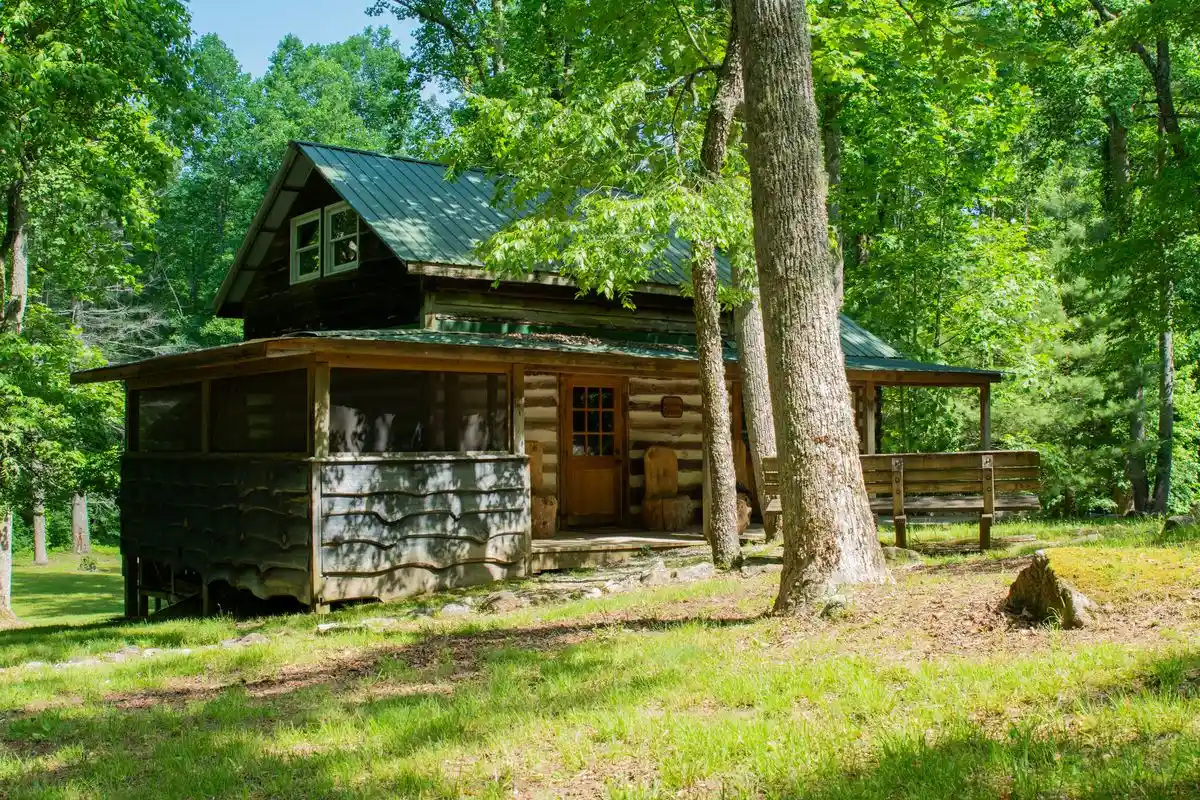
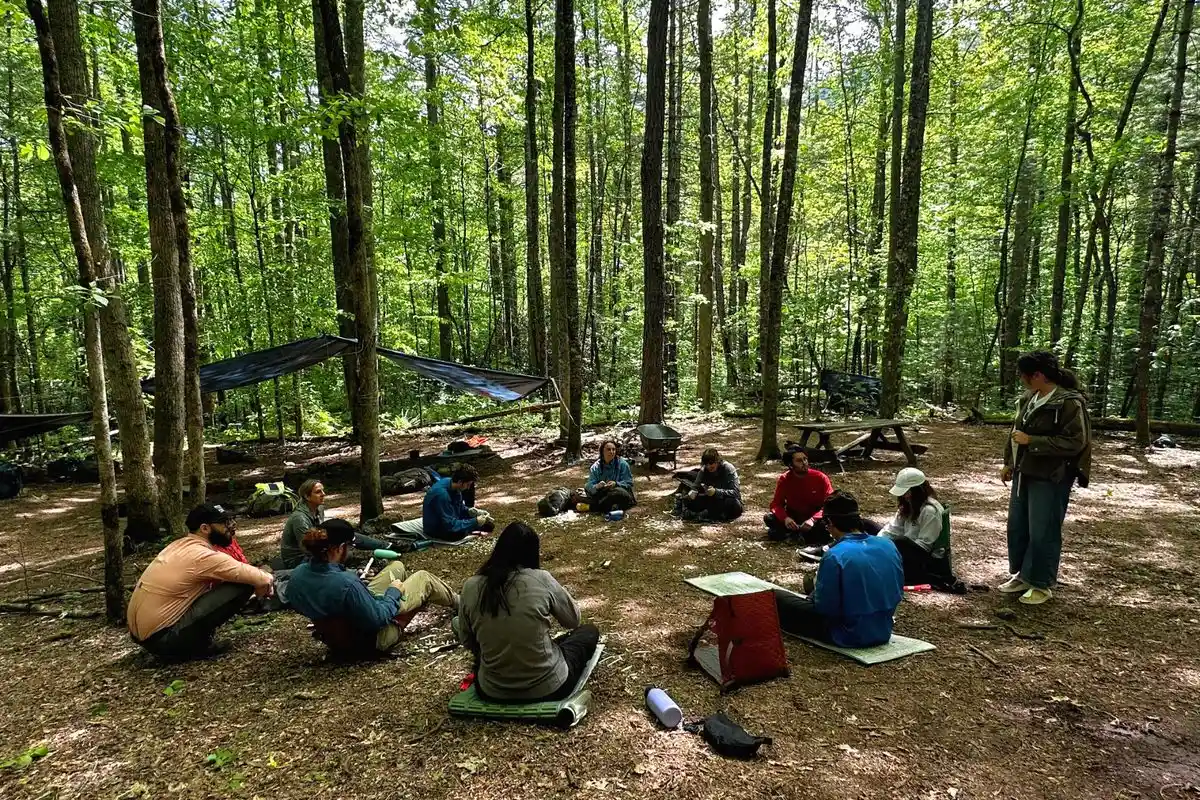

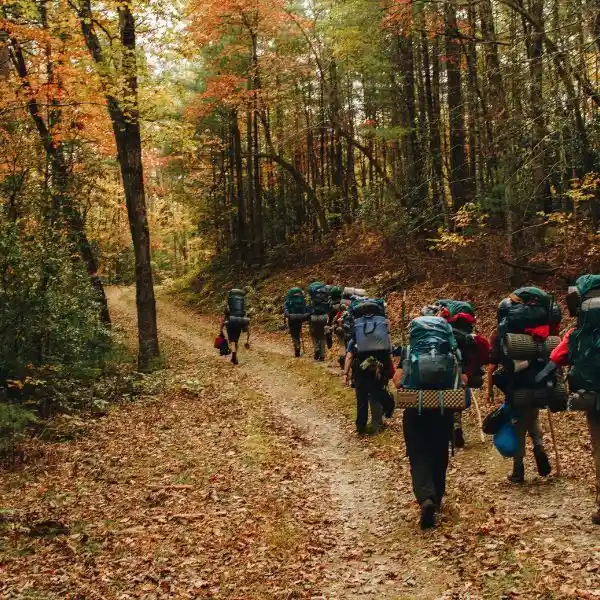

Nestled in the rolling Blue Ridge Mountains, Blue Ridge Therapeutic Wilderness is the “leading full-immersion wilderness therapy program” for teens and young adults. Founded in 2002, this facility is staffed with primary therapists, family therapists, field instructors, a clinical psychologist, psychiatrist, and doctorate level leadership roles. They are licensed by the Department of Human Services in Georgia and accredited by the Association for Experiential Education.
The adolescent program at Blue Ridge Therapeutic Wilderness is tailored to ages 13-18 who are looking to take transformative action for mental health struggles such as depression, anxiety, screen addictions, academic issues, ADD & ADHD, family conflict, self harm, and substance abuse, to name a few. Each patient receives a tailored treatment plan to their specific challenges through collaboration with a Licensed Primary Therapist and the 24/7 on-site staff. Within the first two weeks of the students arrival, a licensed clinical psychologist conducts an initial assessment which further helps create an individualized treatment plan for each patient.
The young adult program at Blue Ridge Therapeutic Wilderness, “Emerald Arrow”, is available to ages 18-28. Whether you are struggling with mental health challenges, family system conflict, or identity issues, Emerald Arrow provides personalized care that tailors to these needs. Within the first two weeks of arrival, a clinical psychologist conducts an assessment, which the primary therapies and field instructors use to provide weekly individualized sessions.
Located in a distraction free environment of the wilderness, the day-to-day experience is extremely unique. Daily routines are cultivated through individual therapy sessions, teamwork activities, personal time, motivational interviewing, and academics. Adolescents can earn up to 3.5 middle or high school credits while engaged in the wilderness therapy program by completing courses in the following: creative writing, wilderness science, outdoor safety, leadership, psychology, life skills, and physical education. Health and wellness goals such as mental clarity, improved sleep quality, decreased depression, emotional regulation, and reduced physical pain are important for students to obtain. Blue Ridge Therapeutic Wilderness helps students reach these goals by providing nutrient dense and fresh foods, opportunities for physical activity such as hiking, and practicing mindfulness daily. Young Adults partake in group psychotherapy, skill-building workshops, speaker series, ceremonies, and daily gratitude practices.
At Blue Ridge Therapeutic Wilderness, family involvement is crucial to the patient’s progress and success. They strive for systemic change within the family dynamic, by requesting families to actively participate in the therapeutic process alongside their children. There are parent workshops, support calls, a facebook group, parent mentorship, and family therapists available.

Adolescents
Adolescents
Adolescents receive the treatment they need for mental health disorders and addiction, with the added support of educational and vocational services.
Young Adults
Young Adults
Emerging adults ages 18-25 receive treatment catered to the unique challenges of early adulthood, like college, risky behaviors, and vocational struggles.

Mental health is a complex health condition that requires a comprehensive, patient-centered approach to treatment that ensures you receive the appropriate care at the right time, based on your individual needs.

Typically the initial stage of treatment for substance use, focusing on medically supervised management of withdrawal symptoms.

An intensive program offering 24 hour care and a variety of therapeutic services in a residential setting.
Transitional housing designed to support individuals recovering from substance use disorders offering a safe, supportive and structured environment for practicing long-term sobriety, while reintegrating back into daily living.
Treatment programming allowing patients to receive care without staying in a hospital or inpatient facility, providing a variety of therapeutic and medical services.

Adolescents
Adolescents
Adolescents receive the treatment they need for mental health disorders and addiction, with the added support of educational and vocational services.
Young Adults
Young Adults
Emerging adults ages 18-25 receive treatment catered to the unique challenges of early adulthood, like college, risky behaviors, and vocational struggles.
Family Involvement
Family Involvement
Providers involve family in the treatment of their loved one through family therapy, visits, or both–because addiction is a family disease.
Licensed Primary Mental Health
Licensed Primary Mental Health
Some primary care providers offer mental health diagnosis and treatment. This can prevent patients from developing more serious conditions.
Group Therapy
Mindfulness Therapy
Mindfulness Therapy
This ancient practice can be mental, emotional, and even spiritual. In meditation, you focus your attention on the present moment without judgement.
1-on-1 Counseling with Clinical Psychologist
Life Skills
Life Skills
Teaching life skills like cooking, cleaning, clear communication, and even basic math provides a strong foundation for continued recovery.
Family Therapy
Family Therapy
Family therapy addresses group dynamics within a family system, with a focus on improving communication and interrupting unhealthy relationship patterns.
Motivational Interviewing
Motivational Interviewing
Based on the idea that motivation to change comes from within, providers use a conversational framework to discover personalized methods for change.
Trauma-Specific Therapy
Trauma-Specific Therapy
This form of talk therapy addresses any childhood trauma at the root of a patient’s current diagnosis.
Nutrition Counseling
Nutrition Counseling
Nutritious food helps patients heal from within, setting them up for mental and bodily wellness as they learn about healthy eating.
Meditation & Mindfulness
Meditation & Mindfulness
A practiced state of mind that brings patients to the present. It allows them to become fully aware of themselves, their feelings, and the present moment.
Art Therapy
Art Therapy
Visual art invites patients to examine the emotions within their work, focusing on the process of creativity and its gentle therapeutic power.
Eating Disorders
Eating Disorders
An eating disorder is a long-term pattern of unhealthy behavior relating to food. Most people with eating disorders have a distorted self-image.
Self-Harm
Self-Harm
The act of intentionally harming oneself, also called self-injury, is associated with mental health issues like depression.
Co-Occurring Disorders
Co-Occurring Disorders
A person with multiple mental health diagnoses, such as addiction and depression, has co-occurring disorders also called dual diagnosis.
Personality Disorders
Personality Disorders
Personality disorders destabilize the way a person thinks, feels, and behaves. If untreated, they can undermine relationships and lead to severe distress.
Gaming
Gaming
Compulsive gaming is most often a problem for children and teens. The disorder can affect physical health, sleep, and the ability to focus at school.
Grief and Loss
Grief and Loss
Grief is a natural reaction to loss, but severe grief can interfere with your ability to function. You can get treatment for this condition.
Internet Addiction
Internet Addiction
Internet addiction is common among children teens. This compulsive disorder can damage relationships, school performance, sleep habits, and physical health.
Depression
Depression
Symptoms of depression may include fatigue, a sense of numbness, and loss of interest in activities. This condition can range from mild to severe.
Drug Addiction
Drug Addiction
Drug addiction is the excessive and repetitive use of substances, despite harmful consequences to a person’s life, health, and relationships.
Alcohol
Alcohol
Using alcohol as a coping mechanism, or drinking excessively throughout the week, signals an alcohol use disorder.
Anxiety
Anxiety
Anxiety is a common mental health condition that can include excessive worry, panic attacks, physical tension, and increased blood pressure.
Sex Addiction
Sex Addiction
Compulsively seeking out sex can easily become a problem. This addiction is detrimental to relationships, physical health, and self-esteem.
Stress
Stress
Stress is a natural reaction to challenges, and it can even help you adapt. However, chronic stress can cause physical and mental health issues.
Trauma
Trauma
Some traumatic events are so disturbing that they cause long-term mental health problems. Those ongoing issues can also be referred to as ‘trauma.’
ADHD, ADD
ADHD, ADD
ADHD is a common mental health condition caused by dopamine imbalance. Common symptoms include inattention, hyperactivitiy, and impulsivity.

Access to Nature
Outdoor Space
Walking Trails
Dietary Accommodations
Family Program
Young Adults Program
Young Adults Program
Programs for young adults bring teens 18+ together to discuss age-specific challenges, vocational and educational progress, and successes in treatment.
Adventure Outings
Cooking Classes
Farming, Gardening
Games
Hiking
Physical Fitness
Waterfalls
Clayton, Georgia, United States.
The typical length is 10 weeks.
Top10 Rehabs is an independent organization that simplifies finding the best mental health and addiction treatment. Comprehensive profiles of over 2,500 rehab centers include insurance coverage, pricing, photos, reviews, and more. Choosing the best path to recovery has never been easier.