Verified
This provider’s information has been quality-checked by Top10 Rehabs’s Research Team for accuracy and completeness, including data verification through appropriate third-party organizations.View This Center’s Verified License
Provider’s Policy
$40,000-$45,000
An evidence-based rehab offering holistic and experiential therapies, tailoring treatment to each client on a comfortable campus near Austin.
Highlights
Connect with Ava Recovery by calling their admissions team directly.


Ava Recovery’s boutique campus in Buda, Texas provides an individualized treatment approach, offering medical detox and residential care. Ava Recovery integrates 12-Step or non-12 Step care, evidence-based therapies, holistic activities, and medication-assisted treatment (MAT) into each treatment plan. Their residential treatment typically lasts 30 days, but can extend to 90 if needed.
Ava Recovery’s therapeutic approaches address both substance use and mental health conditions like depression, trauma, and anxiety. Clients can enjoy holistic and evidence-based therapies in a 1:1, group, or family setting. Ava Recovery offers art therapy, guided meditation, and sound therapy. They also use evidence-based therapies like cognitive-behavioral therapy (CBT), dialectical behavioral therapy (DBT), eye movement therapy (EMDR), equine therapy, inner-child therapy, and internal family systems (IFS) therapy.
Ava Recovery uses a trauma-informed treatment approach, striving to understand the “why” behind addiction. Their dual-diagnosis focus treats mental health conditions too, helping clients heal from the root cause of addiction and its symptoms. Ava Recovery provides MAT during treatment. Their approach begins with MAT, where a 24/7 team of nurses supervise detox. After detox, clients begin residential treatment.
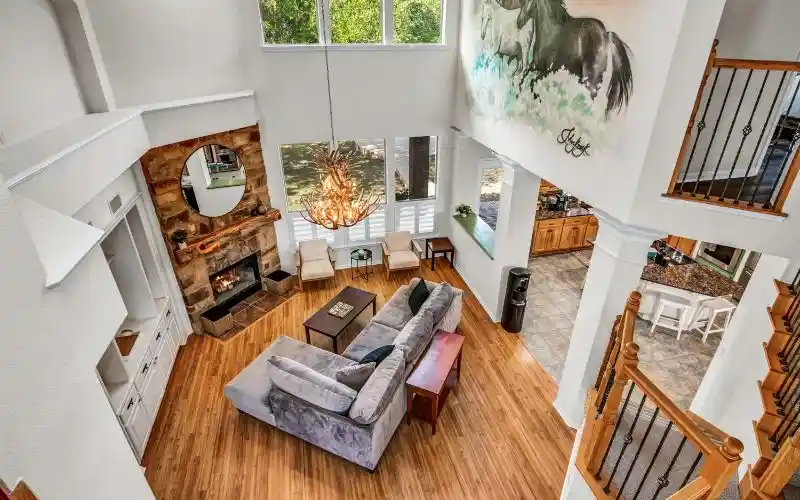
At Ava Recovery’s welcoming campus, clients can enjoy yoga sessions and physical therapy. Their campus has semi-private rooms, ensuite bathrooms, gourmet meals, and an outdoor pool. Their 15-bed facility has a 1:1 staff-to-patient ratio, helping treatment stay personal and custom throughout their stay. Ava Recovery accepts both public and private insurances.

Provider’s Policy:We offer free consultations to anyone who reaches out for help. Did you know most major insurance carriers will cover the costs associated with treatment? Contact our trusted treatment team today to discuss your personal options for treatment.
Exclusively serving federal and postal employees with clinical and dental benefits for employees and their families. Benefits apply to retired military, too.
Cigna’s unique history traces back to 1792, but today they offer services to 190 million customers in 30 different countries across the globe.
A leading healthcare provider serving over 100 million Americans as one of the largest insurance companies in the country.
Serving Rhode Island, Massachusetts, and Connecticut with affordable healthcare plans and partnership with Harvard Pilgrim Health Care.
Carelon Behavioral Health, formerly Beacon Health Options, is headquartered in Boston, Massachusetts and serves over 40 million people.
Offering plans to individuals and businesses throughout the United States and in countries around the world.
One of the largest health insurance companies in the US, offering several health insurance options to individuals and businesses.
Founded in 1946, Anthem is the 4th largest public managed health care company in the United States and serves over 46 million clients.
Ava Recovery customizes treatment to the unique needs of each client. They also offer a comprehensive range of care, with detox and residential rehab programs. Ava Recovery’s evidence-based, holistic, and experiential therapies address the mind, body, and spirit for a comprehensive treatment experience—and a thorough sense of healing.
Ava Recovery treats mental health conditions like anxiety, depression, and post-traumatic stress disorder (PTSD). They understand that more than one condition can occur at the same time, making the process of healing challenging. Their clinicians and licensed therapists can help clients navigate these challenges using a variety of methods, including trauma-informed, holistic, and other evidence-based approaches to customize care.
The experiential therapies at Ava Recovery provide a hands-on approach to recovery. Their therapies include art and music therapy, yoga, and sound therapy. Clients can interact with Ava Recovery’s on-site horses, Bo and Charlie. Ava Recovery also has a pool for added fitness and relaxation opportunities.
Ava Recovery provides integrated family treatment for clients and their families, helping them heal as a unified whole. They also provide relationship and marriage therapy for couples. Clients can heal their inner selves through internal family systems (IFS) therapy, inner-child therapy, and other person-centered approaches.
RehabPath verified that the name, location, contact information and license to operate for this treatment provider are valid and up-to-date. Ava Recovery has verified the information on this page to be accurate.
RehabPath is an independent, third-party mental health resource. Verification does not imply endorsement and does not guarantee the quality of treatment services
Men
Women
LGBTQ+
LGBTQ+
Addiction and mental illnesses in the LGBTQ+ community must be treated with an affirming, safe, and relevant approach, which many centers provide.
Men and Women
Men and Women
Men and women attend treatment for addiction in a co-ed setting, going to therapy groups together to share experiences, struggles, and successes.
Alcohol
Alcohol
Using alcohol as a coping mechanism, or drinking excessively throughout the week, signals an alcohol use disorder.
Co-Occurring Disorders
A person with multiple mental health diagnoses, such as addiction and depression, has co-occurring disorders also called dual diagnosis.
Drug Addiction
Drug Addiction
Drug addiction is the excessive and repetitive use of substances, despite harmful consequences to a person’s life, health, and relationships.
Trauma Informed
Non 12 Step
Non 12 Step
Non-12-Step philosophies veer from the spiritual focus of the 12-Steps and instead treat the disease of addiction with holistic or secular modalities.
Opioids
Opioids
Opioids produce pain-relief and euphoria, which can lead to addiction. This class of drugs includes prescribed medication and the illegal drug heroin.
Twelve Step
Twelve Step
Incorporating spirituality, community, and responsibility, 12-Step philosophies prioritize the guidance of a Higher Power and a continuation of 12-Step practices.
Detox
Detox
Detox fully and safely removes toxic substances from the body, allowing the next steps in treatment to begin with a clean slate.
Detox
Detox
Detox fully and safely removes toxic substances from the body, allowing the next steps in treatment to begin with a clean slate.
Detox (on-site with residential)
This is often the first step of addiction treatment. For many people, it’s dangerous to detox without proper medical support.
Residential
Residential
In a residential rehab program, patients live onsite, with access to daily treatment and 24-hour care. An average stay is 30-90 days.
Evidence-Based
Evidence-Based
A combination of scientifically rooted therapies and treatments make up evidence-based care, defined by their measured and proven results.
Individual Treatment
Individual care meets the needs of each patient, using personalized treatment to provide them the most relevant care and greatest chance of success.
Twelve Step
Twelve Step
Incorporating spirituality, community, and responsibility, 12-Step philosophies prioritize the guidance of a Higher Power and a continuation of 12-Step practices.
Holistic
Holistic
A non-medicinal, wellness-focused approach that aims to align the mind, body, and spirit for deep and lasting healing.
1-on-1 Counseling
1-on-1 Counseling
Patient and therapist meet 1-on-1 to work through difficult emotions and behavioral challenges in a personal, private setting.
Meditation & Mindfulness
A practiced state of mind that brings patients to the present. It allows them to become fully aware of themselves, their feelings, and the present moment.
Trauma-Specific Therapy
This form of talk therapy addresses any childhood trauma at the root of a patient’s current diagnosis.
Internal Family Systems Therapy
Mindfulness Therapy
Mindfulness Therapy
This ancient practice can be mental, emotional, and even spiritual. In meditation, you focus your attention on the present moment without judgement.
Art Therapy
Art Therapy
Visual art invites patients to examine the emotions within their work, focusing on the process of creativity and its gentle therapeutic power.
Cognitive Behavioral Therapy
Couples Counseling
Couples Counseling
Partners work to improve their communication patterns, using advice from their therapist to better their relationship and make healthy changes.
DBT
DBT
This stage-based therapy helps patients address their realities and behaviors while inspiring healthy change, primarily in regulating emotions.
Equine Therapy
Equine Therapy
Guided interactions with trained horses, their handler, and a therapist can help patients improve their self-esteem, trust, empathy, and social skills.
Experiential Therapy
With this approach, patients heal by doing. Therapists help patients process difficult emotions to speak, using guided activities like art or dance.
Eye Movement Therapy (EMDR)
Lateral, guided eye movements help reduce the emotional reactions of retelling and reprocessing trauma, allowing intense feelings to dissipate.
Family Therapy
Family Therapy
Family therapy addresses group dynamics within a family system, with a focus on improving communication and interrupting unhealthy relationship patterns.
Life Skills
Life Skills
Teaching life skills like cooking, cleaning, clear communication, and even basic math provides a strong foundation for continued recovery.
Medication-Assisted Treatment
Combined with behavioral therapy, prescribed medications can enhance treatment by relieving withdrawal symptoms and focus patients on their recovery.
Motivational Interviewing
Based on the idea that motivation to change comes from within, providers use a conversational framework to discover personalized methods for change.
Music Therapy
Music Therapy
Singing, performing, and even listening to music can be therapeutic. Music therapy sessions are facilitated by certified counselors.
Recreation Therapy
Recreation Therapy
In recreation therapy, recovery can be joyful. Patients practice social skills and work through emotional triggers by engaging in fun activities.
Relapse Prevention Counseling
Relapse prevention counselors teach patients to recognize the signs of relapse and reduce their risk.
Sound Therapy
Sound Therapy
Sound therapy incorporates music, sound waves, and vibrations to promote emotional and spiritual healing.
Twelve Step Facilitation
12-Step groups offer a framework for addiction recovery. Members commit to a higher power, recognize their issues, and support each other in the healing process.
Dialectical Behavior Therapy
Group Therapy
Yoga
Yoga
Yoga is both a physical and spiritual practice. It includes a flow of movement, breathing techniques, and meditation.
Prescription Drugs
Prescription Drugs
It’s possible to abuse any drug, even prescribed ones. If you crave a medication, or regularly take it more than directed, you may have an addiction.
Co-Occurring Disorders
A person with multiple mental health diagnoses, such as addiction and depression, has co-occurring disorders also called dual diagnosis.
Cocaine
Cocaine
Cocaine is a stimulant with euphoric effects. Agitation, muscle ticks, psychosis, and heart issues are common symptoms of cocaine abuse.
Benzodiazepines
Benzodiazepines
Benzodiazepines are prescribed to treat anxiety and sleep issues. They are highly habit forming, and their abuse can cause mood changes and poor judgement.
Opioids
Opioids
Opioids produce pain-relief and euphoria, which can lead to addiction. This class of drugs includes prescribed medication and the illegal drug heroin.
Alcohol
Alcohol
Using alcohol as a coping mechanism, or drinking excessively throughout the week, signals an alcohol use disorder.
Methamphetamine
Methamphetamine
Methamphetamine, or meth, increases energy, agitation, and paranoia. Long-term use can result in severe physical and mental health issues.
Heroin
Heroin
Heroin is a highly addictive and illegal opioid. It can cause insomnia, collapsed veins, heart issues, and additional mental health issues.
Post Traumatic Stress Disorder
PTSD is a long-term mental health issue caused by a disturbing event or events. Symptoms include anxiety, dissociation, flashbacks, and intrusive thoughts.
Synthetic Drugs
Synthetic Drugs
Synthetic drugs are made in a lab, unlike plant-based drugs like mushrooms. Most synthetic drugs are either stimulants or synthetic cannabinoids.
Drug Addiction
Drug Addiction
Drug addiction is the excessive and repetitive use of substances, despite harmful consequences to a person’s life, health, and relationships.
Chronic Relapse
Chronic Relapse
Consistent relapse occurs repeatedly, after partial recovery from addiction. This condition requires long-term treatment.
Trauma
Trauma
Some traumatic events are so disturbing that they cause long-term mental health problems. Those ongoing issues can also be referred to as ‘trauma.’
ADHD, ADD
ADHD, ADD
ADHD is a common mental health condition caused by dopamine imbalance. Common symptoms include inattention, hyperactivitiy, and impulsivity.
Air-Conditioned Rooms
En Suite Bathroom
Housekeeping
Private or Shared Rooms
TV
Pool
Access to Nature
Chef-prepared Meals
Outdoor Lounge
Luxury
Yoga
Yoga
Yoga is both a physical and spiritual practice. It includes a flow of movement, breathing techniques, and meditation.
AA/NA Meetings
Games
Physical Fitness
Swimming
Chief Executive Officer
Executive Clinical Director
LMFT-S, LCDC
Primary Therapist
LPC-A, LCDC
Director of Community Engagement
LCDC-Intern
Nurse Manager
LVN
Nurse Manager
LVN
Operations Manager
Lead Resident Technician
Culinary Director
Primary Therapist
LCDC
Equine-Assisted Psychotherapist
LCDC
Learn about Ava Recovery’s mission and their talented staff.
Read more about the detox process at Ava Recovery, and how they make comfort a part of their care.
Ava Recovery took the time to get to know my loved one’s needs when it came to his substance abuse issues. From the amazing staff to the modern facility, Ava truly is your top choice when seeking treatment for addiction in Austin and beyond!
While costs may vary due to program length and insurance benefits, it typically costs $40,000-$45,000.
Buda, Texas, United States.
We offer free consultations to anyone who reaches out for help. Did you know most major insurance carriers will cover the costs associated with treatment? Contact our trusted treatment team today to discuss your personal options for treatment..
The typical length is 30+ days.
Yes, services include detox (on-site with residential).
Top10 Rehabs is an independent organization that simplifies finding the best mental health and addiction treatment. Comprehensive profiles of over 2,500 rehab centers include insurance coverage, pricing, photos, reviews, and more. Choosing the best path to recovery has never been easier.