Unclaimed
This provider hasn’t verified their profile’s information. Are you the owner of this center? Claim your listing to better manage your presence on RehabPath.
Provider’s Policy
$800-$2700/ day
Midwest center providing detox, inpatient, and outpatient treatment for addiction, co-occurring disorders, and mental health conditions.
Claim your profile to manage this page and enable the messaging form.


Cottonwood Springs provides detox, inpatient, intensive outpatient (IOP) and partial hospitalization (PHP) treatment for addiction, co-occurring disorders, and mental health conditions. A team of doctors, nurses, therapists, and other specialists create a personalized care plan to help meet each patient’s needs. Treatment involves individual, group, and family therapy, and incorporates holistic activities like relaxation, mindfulness, yoga, art, music, and pet therapy.
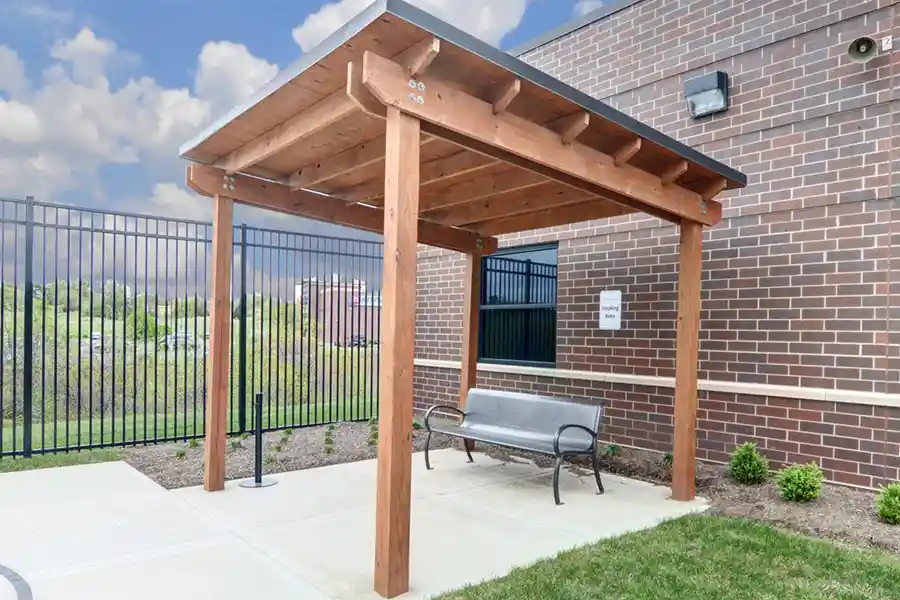
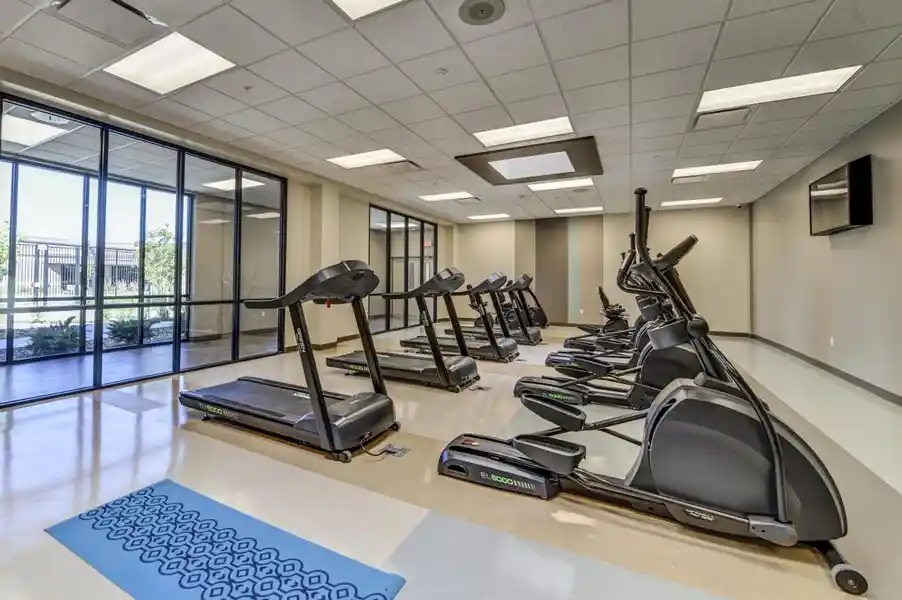
Family visitation is available daily, and family meals are held weekly. Peer and community support groups meet onsite. Amenities include outdoor space, a fitness center, and chef-prepared meals.
Cottonwood IOP and PHP programs use structured, evidence-based psychotherapy in a small group format. This setting helps patients gain greater self-awareness, learn and practice healthy behaviors, and interact with others in a healing environment. Clinicians use a variety of therapeutic methods, such as cognitive behavioral therapy (CBT) and dialectical behavioral therapy (DBT). The program also covers topics like self-care, coping skills and stress management, emotional regulation, relapse prevention and triggers, family and relationship dynamics, grief and loss, social anxiety, conflict resolution, and self-esteem and self-worth. The program features holistic activities to encourage relaxation and mindfulness. These include yoga, art, music, recreational, or pet therapy. PHP groups meet daily for 2-4 weeks, and IOP meets daily for 4-6 weeks.
Cottonwood Springs is Joint Commission accredited and accepts most major insurance.

Provider’s Policy:Please contact your insurance provider and verify your coverage for specific services.
Here are some questions you should ask your insurance provider:
Do I have mental health benefits?
Will you cover the programs that Cottonwood Springs provides?
How much is my deductible?
How many visits per year are covered?
Please call 913-274-1460 if you have any questions about your insurance coverage.
With roots in the health field dating back to 1961, Humana is a trusted insurance provider that proudly serves over 20 million Americans.
Signed into law through the Social Security Act in 1965, Medicaid is a United States government program that offers health insurance to those with limited income.
Providing health care programs that reinforce, maintain, and sustain good health for uniformed service members, retirees, and their families globally.
Cigna’s unique history traces back to 1792, but today they offer services to 190 million customers in 30 different countries across the globe.
A leading healthcare provider serving over 100 million Americans as one of the largest insurance companies in the country.
Carelon Behavioral Health, formerly Beacon Health Options, is headquartered in Boston, Massachusetts and serves over 40 million people.
One of the largest health insurance companies in the US, offering several health insurance options to individuals and businesses.
Founded in 1946, Anthem is the 4th largest public managed health care company in the United States and serves over 46 million clients.
A simple coverage option for Americans without health insurance and disabilities. Many private insurances incorporate Medicare to expand its coverage options.
The world’s #1 employee assisted program (EAP) provider, offering unique personalized programs to Americans & people worldwide.
Men
Women
Men and Women
Men and Women
Men and women attend treatment for addiction in a co-ed setting, going to therapy groups together to share experiences, struggles, and successes.
Mental health is a complex health condition that requires a comprehensive, patient-centered approach to treatment that ensures you receive the appropriate care at the right time, based on your individual needs.
Typically the initial stage of treatment for substance use, focusing on medically supervised management of withdrawal symptoms.
An intensive program offering 24 hour care and a variety of therapeutic services in a residential setting.
Transitional housing designed to support individuals recovering from substance use disorders offering a safe, supportive and structured environment for practicing long-term sobriety, while reintegrating back into daily living.
In a PHP, patients live at home but follow an intensive schedule of treatment. Most programs require you to be on-site for about 40 hours per week.
Treatment programming allowing patients to receive care without staying in a hospital or inpatient facility, providing a variety of therapeutic and medical services.
Alcohol
Alcohol
Using alcohol as a coping mechanism, or drinking excessively throughout the week, signals an alcohol use disorder.
Co-Occurring Disorders
A person with multiple mental health diagnoses, such as addiction and depression, has co-occurring disorders also called dual diagnosis.
Drug Addiction
Drug Addiction
Drug addiction is the excessive and repetitive use of substances, despite harmful consequences to a person’s life, health, and relationships.
Detox
Detox
Detox fully and safely removes toxic substances from the body, allowing the next steps in treatment to begin with a clean slate.
Individual Treatment
Individual care meets the needs of each patient, using personalized treatment to provide them the most relevant care and greatest chance of success.
Group Therapy
Family Involvement
Family Involvement
Providers involve family in the treatment of their loved one through family therapy, visits, or both–because addiction is a family disease.
Holistic
Holistic
A non-medicinal, wellness-focused approach that aims to align the mind, body, and spirit for deep and lasting healing.
Group Therapy
Dialectical Behavior Therapy
1-on-1 Counseling
1-on-1 Counseling
Patient and therapist meet 1-on-1 to work through difficult emotions and behavioral challenges in a personal, private setting.
Life Skills
Life Skills
Teaching life skills like cooking, cleaning, clear communication, and even basic math provides a strong foundation for continued recovery.
Animal Therapy
Animal Therapy
Animals can inspire trust and self-worth. In this experiential therapy, guided interactions are used to improve social skills and emotion regulation.
Cognitive Behavioral Therapy
Recreation Therapy
Recreation Therapy
In recreation therapy, recovery can be joyful. Patients practice social skills and work through emotional triggers by engaging in fun activities.
Family Therapy
Family Therapy
Family therapy addresses group dynamics within a family system, with a focus on improving communication and interrupting unhealthy relationship patterns.
Relaxation Therapy
Relaxation Therapy
Muscle relaxation techniques relax mind and body. They can easily be practiced outside treatment, making it a valuable coping tool for continued recovery.
Music Therapy
Music Therapy
Singing, performing, and even listening to music can be therapeutic. Music therapy sessions are facilitated by certified counselors.
Meditation & Mindfulness
A practiced state of mind that brings patients to the present. It allows them to become fully aware of themselves, their feelings, and the present moment.
Yoga
Yoga
Yoga is both a physical and spiritual practice. It includes a flow of movement, breathing techniques, and meditation.
Art Therapy
Art Therapy
Visual art invites patients to examine the emotions within their work, focusing on the process of creativity and its gentle therapeutic power.
Prescription Drugs
Prescription Drugs
It’s possible to abuse any drug, even prescribed ones. If you crave a medication, or regularly take it more than directed, you may have an addiction.
Co-Occurring Disorders
A person with multiple mental health diagnoses, such as addiction and depression, has co-occurring disorders also called dual diagnosis.
Cocaine
Cocaine
Cocaine is a stimulant with euphoric effects. Agitation, muscle ticks, psychosis, and heart issues are common symptoms of cocaine abuse.
Personality Disorders
Personality disorders destabilize the way a person thinks, feels, and behaves. If untreated, they can undermine relationships and lead to severe distress.
Benzodiazepines
Benzodiazepines
Benzodiazepines are prescribed to treat anxiety and sleep issues. They are highly habit forming, and their abuse can cause mood changes and poor judgement.
Ecstasy
Ecstasy
Ecstasy is a stimulant that causes intense euphoria and heightened awareness. Abuse of this drug can trigger depression, insomnia, and memory problems.
Opioids
Opioids
Opioids produce pain-relief and euphoria, which can lead to addiction. This class of drugs includes prescribed medication and the illegal drug heroin.
Methamphetamine
Methamphetamine
Methamphetamine, or meth, increases energy, agitation, and paranoia. Long-term use can result in severe physical and mental health issues.
Heroin
Heroin
Heroin is a highly addictive and illegal opioid. It can cause insomnia, collapsed veins, heart issues, and additional mental health issues.
Psychedelics
Psychedelics
Hallucinogenic drugs—like LSD—cause euphoria and increased sensory experiences. When abused, they can lead to depression and psychosis.
Post Traumatic Stress Disorder
PTSD is a long-term mental health issue caused by a disturbing event or events. Symptoms include anxiety, dissociation, flashbacks, and intrusive thoughts.
Marijuana
Synthetic Drugs
Synthetic Drugs
Synthetic drugs are made in a lab, unlike plant-based drugs like mushrooms. Most synthetic drugs are either stimulants or synthetic cannabinoids.
Depression
Depression
Symptoms of depression may include fatigue, a sense of numbness, and loss of interest in activities. This condition can range from mild to severe.
Drug Addiction
Drug Addiction
Drug addiction is the excessive and repetitive use of substances, despite harmful consequences to a person’s life, health, and relationships.
Alcohol
Alcohol
Using alcohol as a coping mechanism, or drinking excessively throughout the week, signals an alcohol use disorder.
Anxiety
Anxiety
Anxiety is a common mental health condition that can include excessive worry, panic attacks, physical tension, and increased blood pressure.
Bipolar
Bipolar
This mental health condition is characterized by extreme mood swings between depression, mania, and remission.
Fitness Center
Olathe, Kansas, United States.
Please contact your insurance provider and verify your coverage for specific services. Here are some questions you should ask your insurance provider: Do I have mental health benefits? Will you cover the programs that Cottonwood Springs provides? How much is my deductible? How many visits per year are covered? Please call 913-274-1460 if you have any questions about your insurance coverage..
The typical length is 14-60 days.
Yes, services include detox.
Top10 Rehabs is an independent organization that simplifies finding the best mental health and addiction treatment. Comprehensive profiles of over 2,500 rehab centers include insurance coverage, pricing, photos, reviews, and more. Choosing the best path to recovery has never been easier.