


Unclaimed
This provider hasn’t verified their profile’s information. Are you the owner of this center? Claim your listing to better manage your presence on RehabPath.
Practical Recovery offers a non-12 step treatment approach and a Define, Empower, and Transform recovery experience.
Claim your profile to manage this page and enable the messaging form.
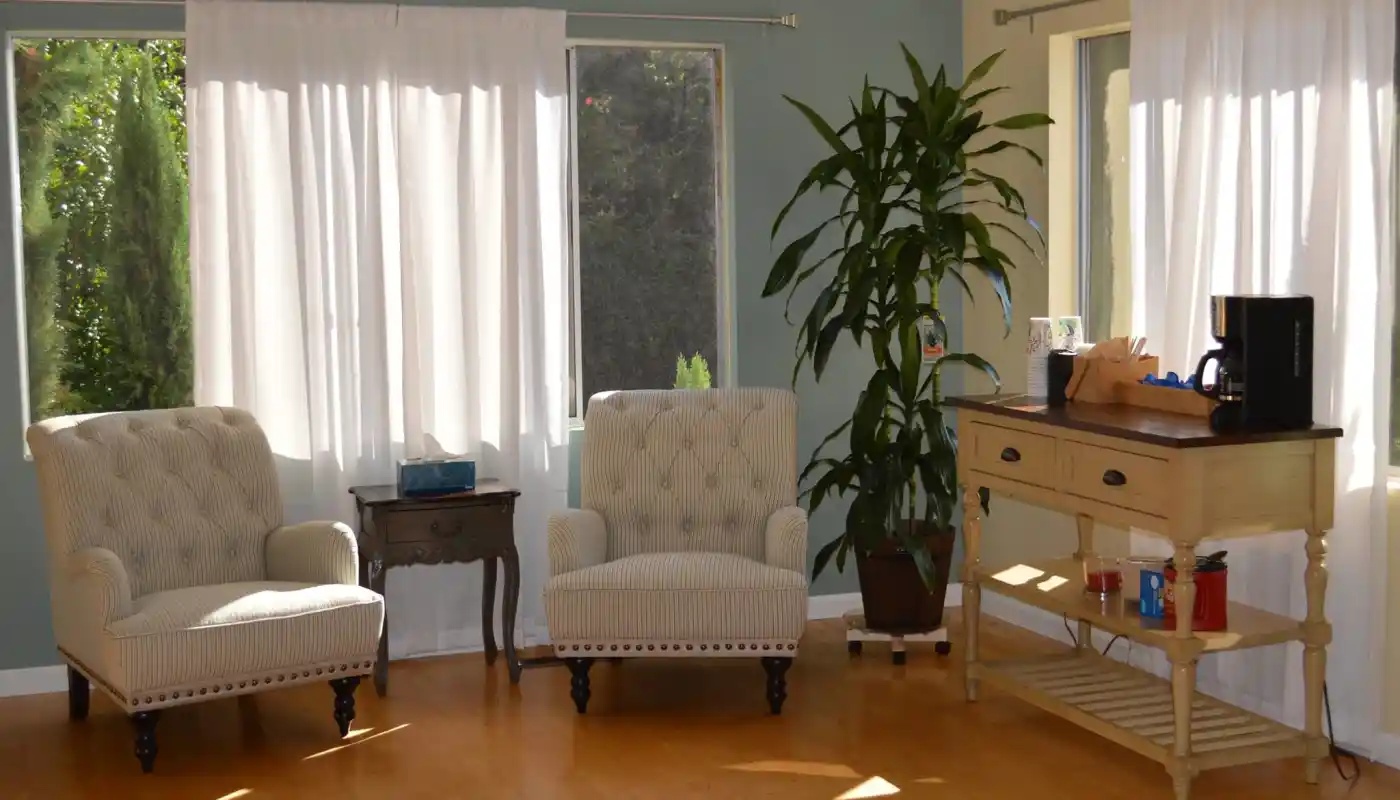



Since 1985, Practical Recovery has been treating clients at their beautiful facility located in La Jolla, California. Dr. Hovarth, the founder and owner of Practical Recovery, is credited with developing the SMART (Self-Management and Recovery Training) method of treatment.
Practical Recovery focuses on underlying issues that contribute to substance abuse and co-occurring disorders. Practical Recovery implements a Non 12-Step, Evidence-based and Holistic treatment approach.
They offer outpatient programs in conjunction with individualized intensive outpatient (IIOP), and detox and sober living services. Practical Recovery has created an innovative, intensive outpatient program that offers the same high level treatment as a residential treatment program while offering the flexibility to return home at night or stay in one of their rooms. The main treatment approach atPractical Recovery relies on a variety of therapies: such as Motivational Interviewing and Cognitive Behavioral Treatment (CBT), as well as Acupuncture, Hypnotherapy, Eye Movement Desensitization and Reprocessing (EMDR), and Acceptance and Commitment Therapy (ACT). Practical Recovery recommends submitting a “superbill” to your PPO and some insurance may issue reimbursements; however, Practical Recovery is not covered by HMOs, Medicare or Medical.

Men
Women

Mental health is a complex health condition that requires a comprehensive, patient-centered approach to treatment that ensures you receive the appropriate care at the right time, based on your individual needs.

Typically the initial stage of treatment for substance use, focusing on medically supervised management of withdrawal symptoms.
An intensive program offering 24 hour care and a variety of therapeutic services in a residential setting.
Transitional housing designed to support individuals recovering from substance use disorders offering a safe, supportive and structured environment for practicing long-term sobriety, while reintegrating back into daily living.

Treatment programming allowing patients to receive care without staying in a hospital or inpatient facility, providing a variety of therapeutic and medical services.

Co-Occurring Disorders
Co-Occurring Disorders
A person with multiple mental health diagnoses, such as addiction and depression, has co-occurring disorders also called dual diagnosis.
Individual Treatment
Individual Treatment
Individual care meets the needs of each patient, using personalized treatment to provide them the most relevant care and greatest chance of success.
Personalized Treatment
Personalized Treatment
The specific needs, histories, and conditions of individual patients receive personalized, highly relevant care throughout their recovery journey.
Non 12 Step
Non 12 Step
Non-12-Step philosophies veer from the spiritual focus of the 12-Steps and instead treat the disease of addiction with holistic or secular modalities.
Cognitive Behavioral Therapy
Family Therapy
Family Therapy
Family therapy addresses group dynamics within a family system, with a focus on improving communication and interrupting unhealthy relationship patterns.
Motivational Interviewing and Enhancement Therapy (MET)
Motivational Interviewing and Enhancement Therapy (MET)
This approach is based on idea that motivation to change comes from within. Providers use a conversational framework that may help you commit to recovery.
Couples Counseling
Couples Counseling
Partners work to improve their communication patterns, using advice from their therapist to better their relationship and make healthy changes.
Eating Disorders
Eating Disorders
An eating disorder is a long-term pattern of unhealthy behavior relating to food. Most people with eating disorders have a distorted self-image.
Prescription Drugs
Prescription Drugs
It’s possible to abuse any drug, even prescribed ones. If you crave a medication, or regularly take it more than directed, you may have an addiction.
Nicotine
Post Traumatic Stress Disorder
Post Traumatic Stress Disorder
PTSD is a long-term mental health issue caused by a disturbing event or events. Symptoms include anxiety, dissociation, flashbacks, and intrusive thoughts.
Depression
Depression
Symptoms of depression may include fatigue, a sense of numbness, and loss of interest in activities. This condition can range from mild to severe.
Alcohol
Alcohol
Using alcohol as a coping mechanism, or drinking excessively throughout the week, signals an alcohol use disorder.
Anxiety
Anxiety
Anxiety is a common mental health condition that can include excessive worry, panic attacks, physical tension, and increased blood pressure.
Trauma
Trauma
Some traumatic events are so disturbing that they cause long-term mental health problems. Those ongoing issues can also be referred to as ‘trauma.’
ADHD, ADD
ADHD, ADD
ADHD is a common mental health condition caused by dopamine imbalance. Common symptoms include inattention, hyperactivitiy, and impulsivity.

Air-Conditioned Rooms
Private or Shared Rooms
Outdoor Lounge
Adventure Outings
Beach Walks
Biking
Physical Fitness
Sightseeing
Beach Access
Access to Nature
Ocean View
La Jolla, California, United States.
The typical length is 10-21 days.
Top10 Rehabs is an independent organization that simplifies finding the best mental health and addiction treatment. Comprehensive profiles of over 2,500 rehab centers include insurance coverage, pricing, photos, reviews, and more. Choosing the best path to recovery has never been easier.