


Claimed
Top10 Rehabs has connected directly with this treatment provider to validate the information in their profile.
Tucked away on 220 acres, Southstone Behavioral Health specializes in treating young adults and adolescents struggling with behavioral issues and trauma.
Connect with Southstone Behavioral Health by calling their admissions team directly.
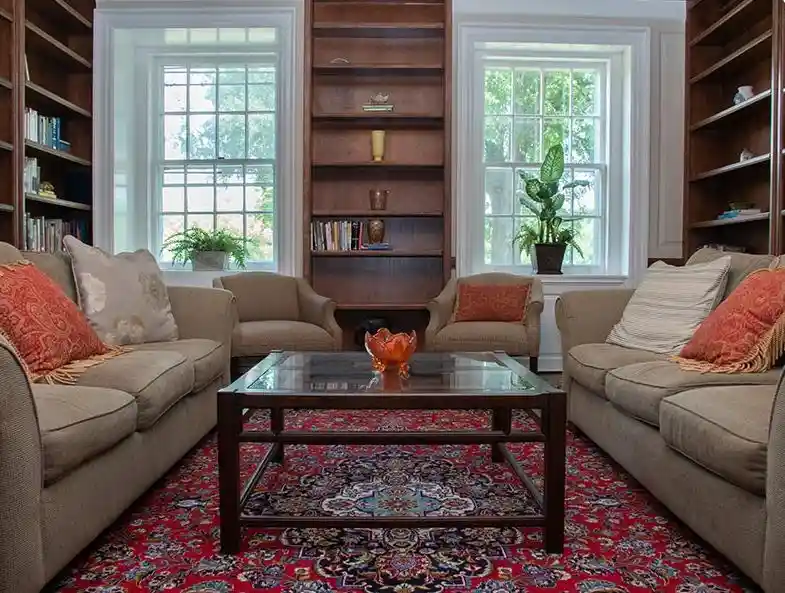
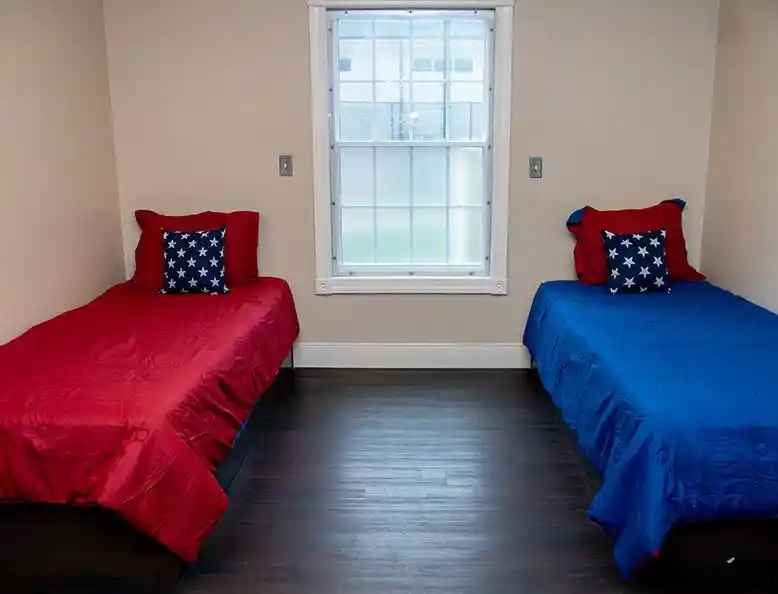
SouthStone Behavioral Health provides treatments for adolescents who suffer from cognitive, mental, and social disorders like schizophrenia, bipolar disorder, anxiety disorders, suicidal ideation, and PTSD. SouthStone Behavioral Health offers a comprehensive residential program for adolescents ages 11-17. The residential program is located on 220 beautiful acres in a secure setting that is monitored 24/7. The campus has 2 gender-specific dormitories, one for males and one for females. Within each residence, the rooms are separated by age. Each dormitory has a residential supervisor who maintains the appropriate structure and programming, while also making sure that all the adolescents remain safe. The residential program provides a therapeutic living environment that aids in the development of daily living skills, positive behaviors, and healthy socialization. A variety of therapeutic interventions are incorporated into the residential program, including medication management services, group therapy, art therapy, and individual therapy. In addition, clients can enjoy participating in group activities like yoga and zumba. The length of the residential program varies based on the needs, progress, and treatment goals of each adolescent.
SouthStone Behavioral Health provides a residential school on-site. Adolescents attend classes 5 days a week, Monday through Friday, from 8:00 a.m. to 3:00 p.m. During school, the SouthStone Behavioral Health has specialized staff that provide students with on-site speech-language screening and services, physical therapy evaluations and services, and occupational therapy evaluations and services. Southstone Behavioral Health is an accredited school, which allows adolescents the ease of transferring back to their home school after the program. Family support is crucial to Southstone Behavioral Health’s overall healing process. They promote various ways to involve family members in their child’s treatment.
SouthStone Behavioral Health is South Boston’s leading trauma and attachment-focused treatment program for adolescents.

Adolescents
Adolescents
Adolescents receive the treatment they need for mental health disorders and addiction, with the added support of educational and vocational services.
Young Adults
Young Adults
Emerging adults ages 18-25 receive treatment catered to the unique challenges of early adulthood, like college, risky behaviors, and vocational struggles.

Mental health is a complex health condition that requires a comprehensive, patient-centered approach to treatment that ensures you receive the appropriate care at the right time, based on your individual needs.

Typically the initial stage of treatment for substance use, focusing on medically supervised management of withdrawal symptoms.

An intensive program offering 24 hour care and a variety of therapeutic services in a residential setting.
Transitional housing designed to support individuals recovering from substance use disorders offering a safe, supportive and structured environment for practicing long-term sobriety, while reintegrating back into daily living.
Treatment programming allowing patients to receive care without staying in a hospital or inpatient facility, providing a variety of therapeutic and medical services.

Adolescents
Adolescents
Adolescents receive the treatment they need for mental health disorders and addiction, with the added support of educational and vocational services.
Depression
Depression
Symptoms of depression may include fatigue, a sense of numbness, and loss of interest in activities. This condition can range from mild to severe.
Young Adults
Young Adults
Emerging adults ages 18-25 receive treatment catered to the unique challenges of early adulthood, like college, risky behaviors, and vocational struggles.
Trauma
Trauma
Some traumatic events are so disturbing that they cause long-term mental health problems. Those ongoing issues can also be referred to as ‘trauma.’
Evidence-Based
Evidence-Based
A combination of scientifically rooted therapies and treatments make up evidence-based care, defined by their measured and proven results.
Individual Treatment
Individual Treatment
Individual care meets the needs of each patient, using personalized treatment to provide them the most relevant care and greatest chance of success.
1-on-1 Counseling
1-on-1 Counseling
Patient and therapist meet 1-on-1 to work through difficult emotions and behavioral challenges in a personal, private setting.
Art Therapy
Art Therapy
Visual art invites patients to examine the emotions within their work, focusing on the process of creativity and its gentle therapeutic power.
Family Therapy
Family Therapy
Family therapy addresses group dynamics within a family system, with a focus on improving communication and interrupting unhealthy relationship patterns.
Group Therapy
Yoga
Yoga
Yoga is both a physical and spiritual practice. It includes a flow of movement, breathing techniques, and meditation.
Co-Occurring Disorders
Co-Occurring Disorders
A person with multiple mental health diagnoses, such as addiction and depression, has co-occurring disorders also called dual diagnosis.
Schizophrenia
Schizophrenia
Schizophrenia is a serious mental health condition that causes hallucinations, delusions, and disordered thinking.
Personality Disorders
Personality Disorders
Personality disorders destabilize the way a person thinks, feels, and behaves. If untreated, they can undermine relationships and lead to severe distress.
Post Traumatic Stress Disorder
Post Traumatic Stress Disorder
PTSD is a long-term mental health issue caused by a disturbing event or events. Symptoms include anxiety, dissociation, flashbacks, and intrusive thoughts.
Suicidality
Suicidality
With suicidality, a person fantasizes about suicide, or makes a plan to carry it out. This is a serious mental health symptom.
Depression
Depression
Symptoms of depression may include fatigue, a sense of numbness, and loss of interest in activities. This condition can range from mild to severe.
Anxiety
Anxiety
Anxiety is a common mental health condition that can include excessive worry, panic attacks, physical tension, and increased blood pressure.
Bipolar
Bipolar
This mental health condition is characterized by extreme mood swings between depression, mania, and remission.
Anger
Anger
Although anger itself isn’t a disorder, it can get out of hand. If this feeling interferes with your relationships and daily functioning, treatment can help.
Trauma
Trauma
Some traumatic events are so disturbing that they cause long-term mental health problems. Those ongoing issues can also be referred to as ‘trauma.’
ADHD, ADD
ADHD, ADD
ADHD is a common mental health condition caused by dopamine imbalance. Common symptoms include inattention, hyperactivitiy, and impulsivity.

Air-Conditioned Rooms
Private or Shared Rooms
Shared Rooms
Access to Nature
Basketball Court
Walking Trails
Gender-specific groups
Gender-specific groups
Patients in gender-specific groups gain the opportunity to discuss challenges unique to their gender in a comfortable, safe setting conducive to healing.
Yoga
Yoga
Yoga is both a physical and spiritual practice. It includes a flow of movement, breathing techniques, and meditation.
Dance Classes
South Boston, Virginia, United States.
The typical length is 28+ days.
Top10 Rehabs is an independent organization that simplifies finding the best mental health and addiction treatment. Comprehensive profiles of over 2,500 rehab centers include insurance coverage, pricing, photos, reviews, and more. Choosing the best path to recovery has never been easier.