


Claimed
Top10 Rehabs has connected directly with this treatment provider to validate the information in their profile.

Insurance Accepted

$25,000
Deer Hollow offers personalized substance use and trauma focused treatment in a private and luxurious ski resort cabin outside of Salt Lake City.
Connect with Deer Hollow by calling their admissions team directly.
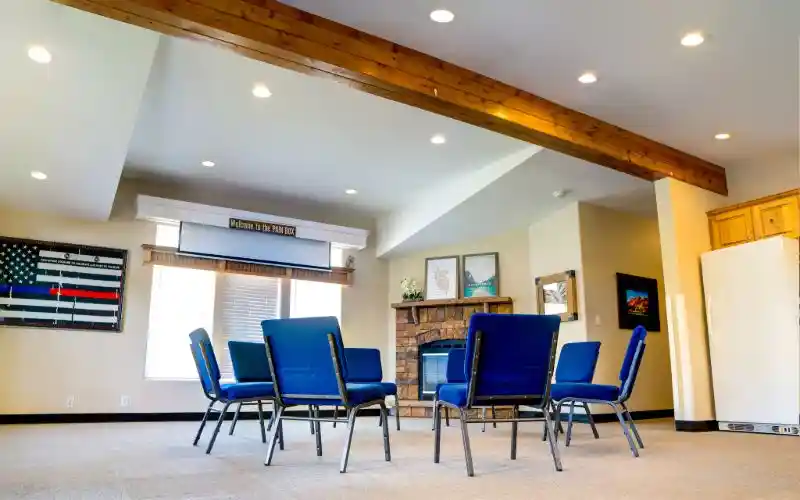
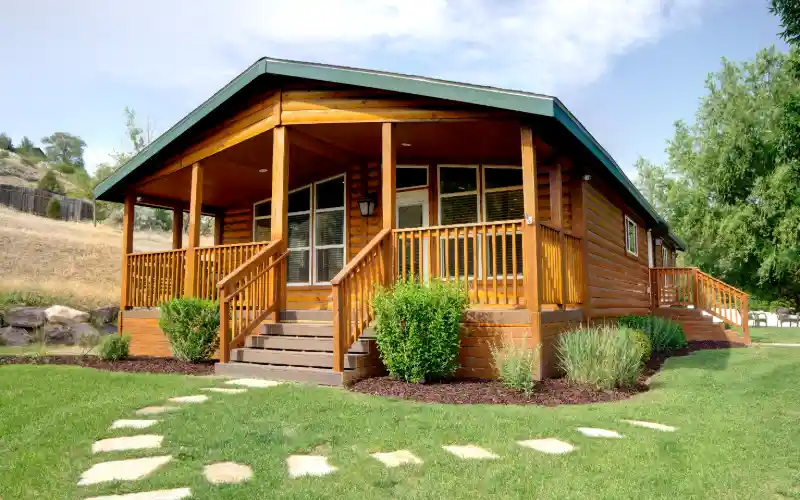
Deer Hollow, a premier mental health treatment clinic in a serene mountain location, offers comprehensive treatment to people suffering from trauma, PTSD, depression, anxiety, suicidal ideation, substance misuse, and behavioral addictions. They provide both inpatient and outpatient treatment. Deer Hollow differs from other mental health treatment programs in that it focuses on the fundamental root or source of the trauma. The daily program is well-balanced, with enough structure and variety to keep things interesting. The rigorous program includes weekly group sessions for 35 hours, as well as individual treatment and case management. Deer Hollow combines cutting-edge, evidence-based treatments with rigorous, all-encompassing treatments. Clients will engage in cognitive processing therapy (CPT), dialectical behavioral therapy (DBT), mind body bridging (MBB), psychodrama, internal family systems (IFS), eye movement therapy (EMDR), and schema therapy.
Situated near the base of the Wasatch Mountains in Draper, Utah, Deer Hollow’s co-ed residential center is situated on two acres of lush wooded scenery. The comfortable center aids in helping clients transform during recovery. Deer Hollow offers a variety of off-site activities like hiking and a private gym. On-site, clients will enjoy yoga, gourmet meals, and space for relaxing or reflecting.
Previous residents who have completed the program have given Deer Hollow great honors and accolades. Many past residents appreciated the staff for treating everyone with kindness, patience, and honesty.

$45,000 | 60 days
$67,500 | 90 days
Extended options available
Men
Women

Mental health is a complex health condition that requires a comprehensive, patient-centered approach to treatment that ensures you receive the appropriate care at the right time, based on your individual needs.

An intensive program offering 24 hour care and a variety of therapeutic services in a residential setting.
Transitional housing designed to support individuals recovering from substance use disorders offering a safe, supportive and structured environment for practicing long-term sobriety, while reintegrating back into daily living.
In a PHP, patients live at home but follow an intensive schedule of treatment. Most programs require you to be on-site for about 40 hours per week.
Treatment programming allowing patients to receive care without staying in a hospital or inpatient facility, providing a variety of therapeutic and medical services.
Some primary care providers offer mental health diagnosis and treatment. This can prevent patients from developing more serious conditions.

Professionals
Professionals
Busy, high-ranking professionals get the personalized treatment they need with greater accommodations for work, privacy, and outside communication.
Post Traumatic Stress Disorder
Post Traumatic Stress Disorder
PTSD is a long-term mental health issue caused by a disturbing event or events. Symptoms include anxiety, dissociation, flashbacks, and intrusive thoughts.
Trauma
Trauma
Some traumatic events are so disturbing that they cause long-term mental health problems. Those ongoing issues can also be referred to as ‘trauma.’
Evidence-Based
Evidence-Based
A combination of scientifically rooted therapies and treatments make up evidence-based care, defined by their measured and proven results.
Individual Treatment
Individual Treatment
Individual care meets the needs of each patient, using personalized treatment to provide them the most relevant care and greatest chance of success.
Wellness
Wellness
Wellness philosophies focus on the physical, mental, and spiritual wellness of each patient, helping them restore purpose with natural remedies.
1-on-1 Counseling
1-on-1 Counseling
Patient and therapist meet 1-on-1 to work through difficult emotions and behavioral challenges in a personal, private setting.
Mindfulness Therapy
Mindfulness Therapy
This ancient practice can be mental, emotional, and even spiritual. In meditation, you focus your attention on the present moment without judgement.
Cognitive Behavioral Therapy
DBT
DBT
This stage-based therapy helps patients address their realities and behaviors while inspiring healthy change, primarily in regulating emotions.
Experiential Therapy
Experiential Therapy
With this approach, patients heal by doing. Therapists help patients process difficult emotions to speak, using guided activities like art or dance.
Eye Movement Therapy (EMDR)
Eye Movement Therapy (EMDR)
Lateral, guided eye movements help reduce the emotional reactions of retelling and reprocessing trauma, allowing intense feelings to dissipate.
Life Skills
Life Skills
Teaching life skills like cooking, cleaning, clear communication, and even basic math provides a strong foundation for continued recovery.
Narrative Therapy
Narrative Therapy
Through narrative therapy, patients rewrite past events with a positive focus. They separate themselves from the problem to see their purpose and capabilities.
Psychodrama Therapy
Psychodrama Therapy
Patients act out real or imagined scenarios under a therapist’s guidance. These exercises foster creative thought, sponteneity, and problem-solving skills.
Psychoeducation
Psychoeducation
This method combines treatment with education, teaching patients about different paths toward recovery. This empowers them to make more effective decisions.
Relapse Prevention Counseling
Relapse Prevention Counseling
Relapse prevention counselors teach patients to recognize the signs of relapse and reduce their risk.
Somatic Experiencing
Somatic Experiencing
This method treats emotional trauma stored in the body. A therapist helps patients work through the physical feelings associated with emotional pain.
Dialectical Behavior Therapy
Group Therapy
Prescription Drugs
Prescription Drugs
It’s possible to abuse any drug, even prescribed ones. If you crave a medication, or regularly take it more than directed, you may have an addiction.
Benzodiazepines
Benzodiazepines
Benzodiazepines are prescribed to treat anxiety and sleep issues. They are highly habit forming, and their abuse can cause mood changes and poor judgement.
Alcohol
Alcohol
Using alcohol as a coping mechanism, or drinking excessively throughout the week, signals an alcohol use disorder.
Post Traumatic Stress Disorder
Post Traumatic Stress Disorder
PTSD is a long-term mental health issue caused by a disturbing event or events. Symptoms include anxiety, dissociation, flashbacks, and intrusive thoughts.
Depression
Depression
Symptoms of depression may include fatigue, a sense of numbness, and loss of interest in activities. This condition can range from mild to severe.
Anxiety
Anxiety
Anxiety is a common mental health condition that can include excessive worry, panic attacks, physical tension, and increased blood pressure.
Stress
Stress
Stress is a natural reaction to challenges, and it can even help you adapt. However, chronic stress can cause physical and mental health issues.
Trauma
Trauma
Some traumatic events are so disturbing that they cause long-term mental health problems. Those ongoing issues can also be referred to as ‘trauma.’
Burnout
Burnout
Burnout entails mental and physical exhaustion, and leads to a severe lack of fulfillment. This condition is often caused by overwork.
Drug Screening
Outpatient Treatment
Family Follow-up Counseling
Alumni Events & Get-Togethers
Private, Online Alumni Groups

Air-Conditioned Rooms
Coffee Maker and Tea
Shared Bathroom
Shared Rooms
Snacks
Access to Nature
Fitness Center
Other dietary needs (vegan, vegetarian, gluten-free, etc.)
Yoga
Yoga
Yoga is both a physical and spiritual practice. It includes a flow of movement, breathing techniques, and meditation.
Hiking
Physical Fitness
Airport Transfers
Fitness Center
Walking Trails
While costs may vary due to program length and insurance benefits, it typically costs $25,000.
Draper, Utah, United States.
The typical length is 30 days.
Top10 Rehabs is an independent organization that simplifies finding the best mental health and addiction treatment. Comprehensive profiles of over 2,500 rehab centers include insurance coverage, pricing, photos, reviews, and more. Choosing the best path to recovery has never been easier.