This provider’s information has been quality-checked by RehabPath’s Research Team for accuracy and completeness, including data verification through appropriate third-party organizations.
View This Center’s Verified License



Verified

Provider’s Policy
Covered plans and verification of benefits.

$30,000
Providing highly individualized treatment for addiction and co-occurring mental health with 1:1 therapy, group therapies, and medically monitored care.
Highlights


Connect with Atlantic Recovery Center by calling their admissions team directly.
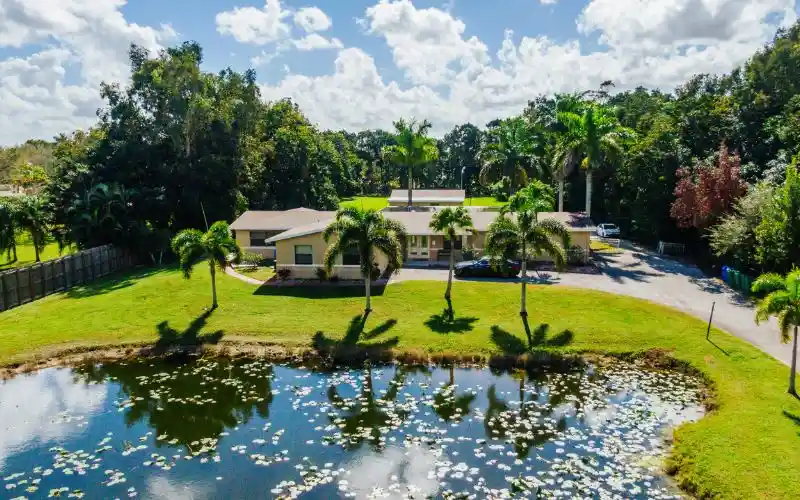

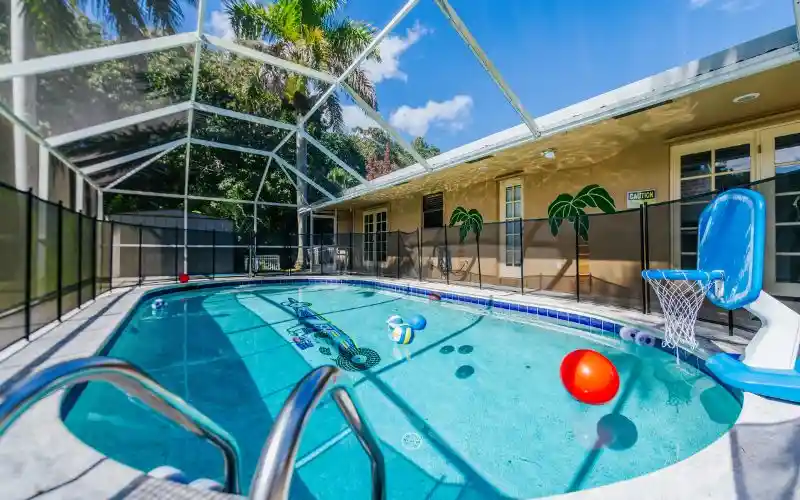
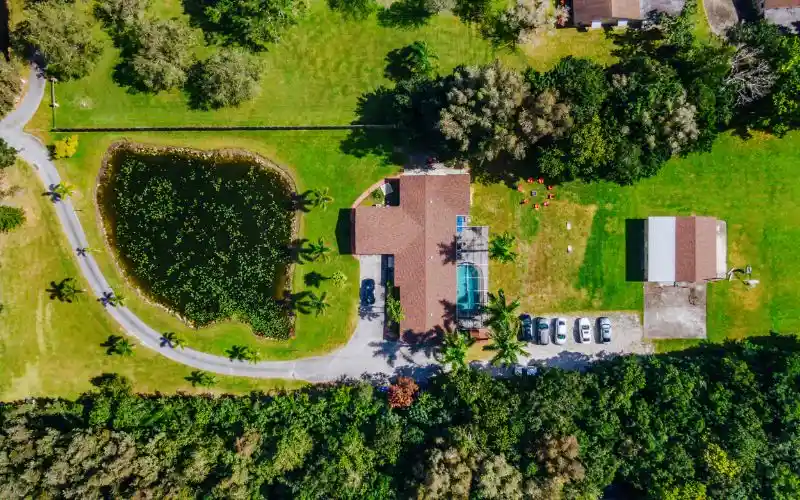

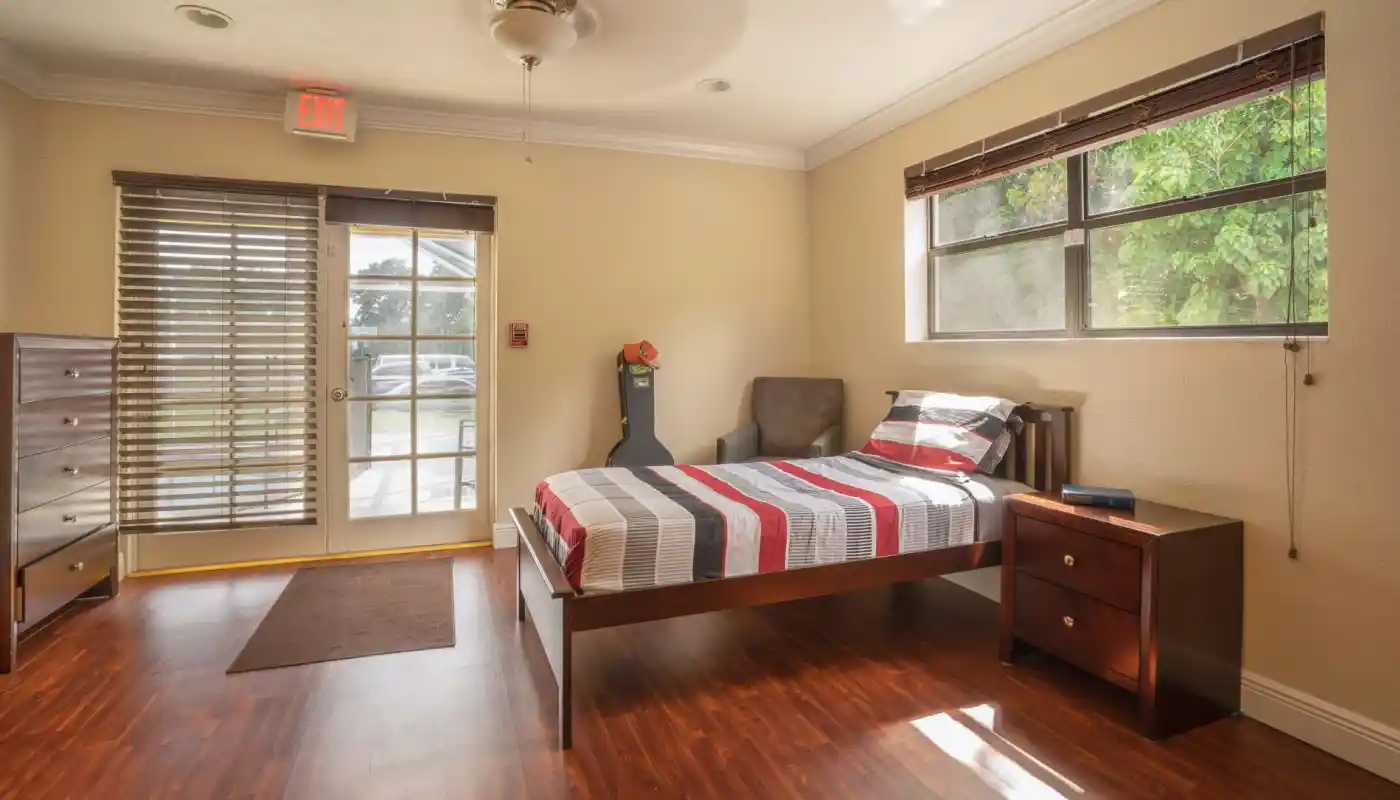


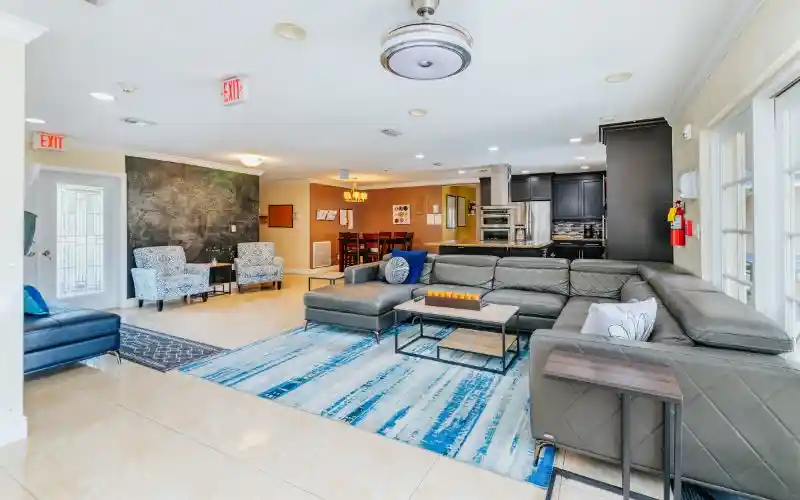


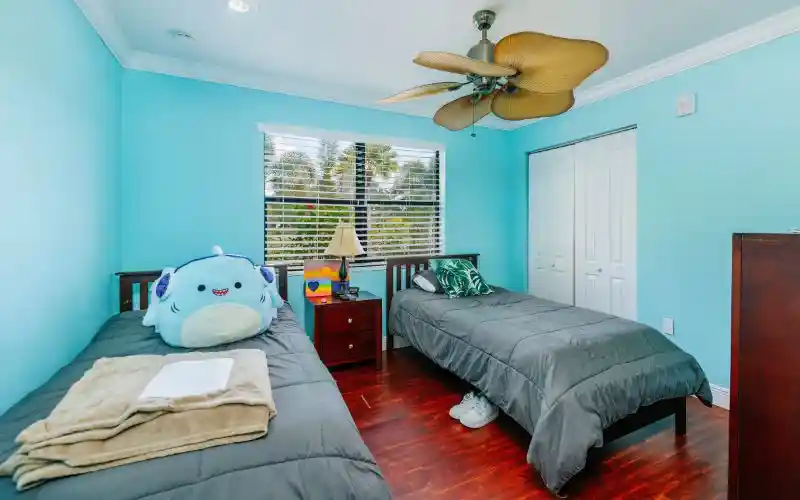


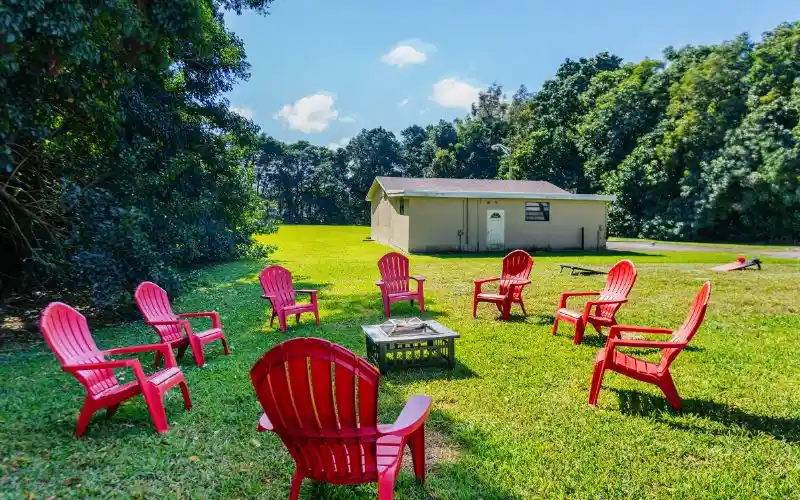



Atlantic Recovery Center (ARC) treats addiction and co-occurring mental health conditions with highly personalized care, from admissions to aftercare. They offer residential treatment, detox, partial hospitalization (day treatment), intensive outpatient, and standard outpatient. Atlantic Recovery Center has 8 beds for a uniquely tailored recovery experience.
ARC provides trauma-informed addiction treatment for clients with co-occurring trauma and post traumatic stress disorder (PTSD). They offer holistic and evidence-based care, including eye movement desensitization and reprocessing (EMDR) therapy. Atlantic Recovery Center also treats dual diagnoses, or mental health conditions and substance use. Their dual-diagnosis program focuses on healing mental health through 1:1 and group therapy, medication management, and holistic therapies.
Atlantic Recovery Center provides a minimum of one 1:1 therapy session each week. Clients attend group, individual, holistic, and recreational therapy 5 hours a day, 7 days a week. ARC’s evidence-based therapies include cognitive behavioral therapy (CBT), dialectical behavioral therapy (DBT), EMDR, and motivational interviewing techniques. Their holistic therapies include sound therapy, yoga, art and music therapy, recreational therapy, and outdoor activities like on-site fishing, basketball, swimming in their pool.
Atlantic Recovery Center offers weekly family groups for loved ones to ask questions and receive support. They’re also welcome to join in clients’ individual therapy sessions if desired. ARC introduces clients to the 12 Steps and 12-Step groups. After treatment, clients join a thriving alumni community, connecting for monthly events and celebrations. ARC continuously checks in with graduated clients to keep their connection to support strong.
Provider’s Policy:We work with most major insurance providers.

Providing health care programs that reinforce, maintain, and sustain good health for uniformed service members, retirees, and their families globally.
Cigna’s unique history traces back to 1792, but today they offer services to 190 million customers in 30 different countries across the globe.
A leading healthcare provider serving over 100 million Americans as one of the largest insurance companies in the country.

Bringing affordable health care to over 265,000 people in the New Jersey, Delaware, and Pennsylvania areas.
Carelon Behavioral Health, formerly Beacon Health Options, is headquartered in Boston, Massachusetts and serves over 40 million people.
One of the largest health insurance companies in the US, offering several health insurance options to individuals and businesses.
Founded in 1946, Anthem is the 4th largest public managed health care company in the United States and serves over 46 million clients.
The world’s #1 employee assisted program (EAP) provider, offering unique personalized programs to Americans & people worldwide.
Atlantic Recovery Center accepts just 8 clients at a time. This creates a more personal experience, with staff better attuned to the needs and progress of each client. Clients have, at minimum, one individual therapy session each week, with many other group and holistic therapies. ARC also offers a full continuum of care to maintain personalized treatment throughout clients’ recovery journeys.
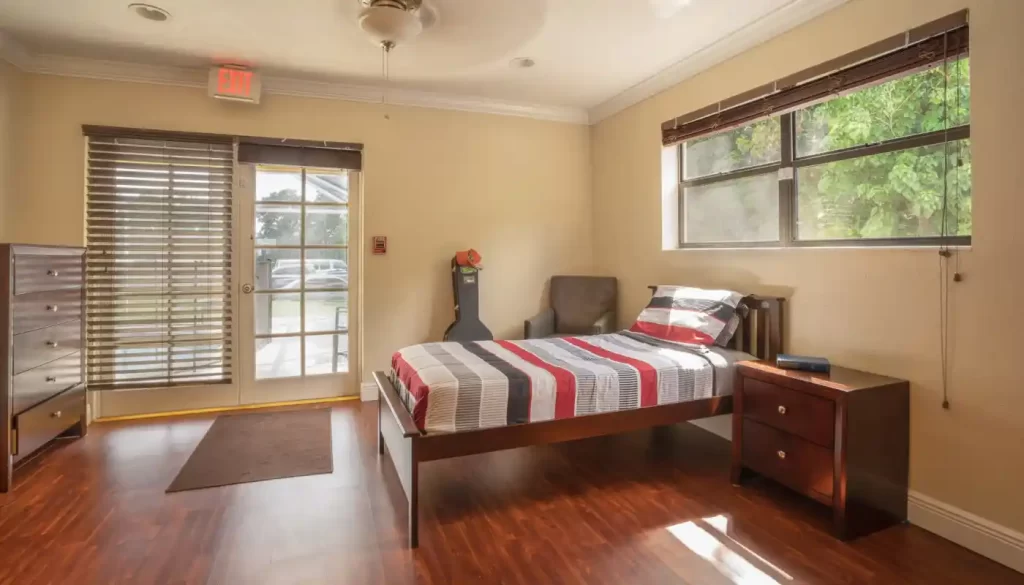
Atlantic Recovery Center provides detox with medication-assisted care, residential treatment, day treatment, intensive outpatient, standard outpatient, and aftercare services. Clients can seamlessly transition from one level of care to the next. ARC provides medication management in each care level for mental health and withdrawal needs.
Atlantic Recovery Center treats addiction and co-occurring mental health conditions like anxiety, depression, PTSD, bipolar disorder, and more. Their therapists and clinicians cater treatment to address both conditions at once for comprehensive treatment. If needed, ARC can also prescribe medications to manage co-occurring mental health conditions.


Atlantic Recovery Center provides treatment with a trauma-informed approach. They’re experienced in treating first responders, veterans, and others with addiction and co-occurring trauma. ARC provides EMDR therapy and talk therapies like CBT and DBT with a safety-focused, trauma-informed approach.
RehabPath verified that the name, location, contact information and license to operate for this treatment provider are valid and up-to-date. Atlantic Recovery Center has verified the information on this page to be accurate.

RehabPath is an independent, third-party mental health resource. Verification does not imply endorsement and does not guarantee the quality of treatment services

N/A
Men
N/A
Women
N/A
Young Adults
Young Adults
Emerging adults ages 18-25 receive treatment catered to the unique challenges of early adulthood, like college, risky behaviors, and vocational struggles.

Alcohol
Alcohol
Using alcohol as a coping mechanism, or drinking excessively throughout the week, signals an alcohol use disorder.
Benzodiazepines
Benzodiazepines
Benzodiazepines are prescribed to treat anxiety and sleep issues. They are highly habit forming, and their abuse can cause mood changes and poor judgement.
Co-Occurring Disorders
Co-Occurring Disorders
A person with multiple mental health diagnoses, such as addiction and depression, has co-occurring disorders also called dual diagnosis.
Cocaine
Cocaine
Cocaine is a stimulant with euphoric effects. Agitation, muscle ticks, psychosis, and heart issues are common symptoms of cocaine abuse.
Drug Addiction
Drug Addiction
Drug addiction is the excessive and repetitive use of substances, despite harmful consequences to a person’s life, health, and relationships.
Heroin
Heroin
Heroin is a highly addictive and illegal opioid. It can cause insomnia, collapsed veins, heart issues, and additional mental health issues.
Methamphetamine
Methamphetamine
Methamphetamine, or meth, increases energy, agitation, and paranoia. Long-term use can result in severe physical and mental health issues.
Prescription Drugs
Prescription Drugs
It’s possible to abuse any drug, even prescribed ones. If you crave a medication, or regularly take it more than directed, you may have an addiction.
Day Treatment
Day Treatment
In a PHP, patients live at home but follow an intensive schedule of treatment. Most programs require you to be on-site for about 40 hours per week.
Detox
Detox
Detox fully and safely removes toxic substances from the body, allowing the next steps in treatment to begin with a clean slate.
Intensive Outpatient Program
Intensive Outpatient Program
In an IOP, patients live at home, but attend treatment for up to 30 hours a week. Most programs include talk therapy, support groups, and other methods.
Outpatient Program
Outpatient Program
During outpatient rehab, patients attend a structured treatment program while continuing to live at home.
Residential
Residential
In a residential rehab program, patients live onsite, with access to daily treatment and 24-hour care. An average stay is 30-90 days.
Outpatient Therapy
N/A
Evidence-Based
Evidence-Based
A combination of scientifically rooted therapies and treatments make up evidence-based care, defined by their measured and proven results.
Individual Treatment
Individual Treatment
Individual care meets the needs of each patient, using personalized treatment to provide them the most relevant care and greatest chance of success.
Twelve Step
Twelve Step
Incorporating spirituality, community, and responsibility, 12-Step philosophies prioritize the guidance of a Higher Power and a continuation of 12-Step practices.
Holistic
Holistic
A non-medicinal, wellness-focused approach that aims to align the mind, body, and spirit for deep and lasting healing.
Sound Therapy
Sound Therapy
Sound therapy incorporates music, sound waves, and vibrations to promote emotional and spiritual healing.
Group Therapy
N/A
1-on-1 Counseling
1-on-1 Counseling
Patient and therapist meet 1-on-1 to work through difficult emotions and behavioral challenges in a personal, private setting.
Life Skills
Life Skills
Teaching life skills like cooking, cleaning, clear communication, and even basic math provides a strong foundation for continued recovery.
Cognitive Behavioral Therapy
N/A
Experiential Therapy
Experiential Therapy
With this approach, patients heal by doing. Therapists help patients process difficult emotions to speak, using guided activities like art or dance.
Recreation Therapy
Recreation Therapy
In recreation therapy, recovery can be joyful. Patients practice social skills and work through emotional triggers by engaging in fun activities.
Twelve Step Facilitation
Twelve Step Facilitation
12-Step groups offer a framework for addiction recovery. Members commit to a higher power, recognize their issues, and support each other in the healing process.
Medication-Assisted Treatment
Medication-Assisted Treatment
Combined with behavioral therapy, prescribed medications can enhance treatment by relieving withdrawal symptoms and focus patients on their recovery.
Family Therapy
Family Therapy
Family therapy addresses group dynamics within a family system, with a focus on improving communication and interrupting unhealthy relationship patterns.
Trauma-Specific Therapy
Trauma-Specific Therapy
This form of talk therapy addresses any childhood trauma at the root of a patient’s current diagnosis.
DBT
DBT
This stage-based therapy helps patients address their realities and behaviors while inspiring healthy change, primarily in regulating emotions.
Yoga
Yoga
Yoga is both a physical and spiritual practice. It includes a flow of movement, breathing techniques, and meditation.
Art Therapy
Art Therapy
Visual art invites patients to examine the emotions within their work, focusing on the process of creativity and its gentle therapeutic power.
Prescription Drugs
Prescription Drugs
It’s possible to abuse any drug, even prescribed ones. If you crave a medication, or regularly take it more than directed, you may have an addiction.
Co-Occurring Disorders
Co-Occurring Disorders
A person with multiple mental health diagnoses, such as addiction and depression, has co-occurring disorders also called dual diagnosis.
Benzodiazepines
Benzodiazepines
Benzodiazepines are prescribed to treat anxiety and sleep issues. They are highly habit forming, and their abuse can cause mood changes and poor judgement.
Opioids
Opioids
Opioids produce pain-relief and euphoria, which can lead to addiction. This class of drugs includes prescribed medication and the illegal drug heroin.
Cocaine
Cocaine
Cocaine is a stimulant with euphoric effects. Agitation, muscle ticks, psychosis, and heart issues are common symptoms of cocaine abuse.
Methamphetamine
Methamphetamine
Methamphetamine, or meth, increases energy, agitation, and paranoia. Long-term use can result in severe physical and mental health issues.
Heroin
Heroin
Heroin is a highly addictive and illegal opioid. It can cause insomnia, collapsed veins, heart issues, and additional mental health issues.
Drug Addiction
Drug Addiction
Drug addiction is the excessive and repetitive use of substances, despite harmful consequences to a person’s life, health, and relationships.
Alcohol
Alcohol
Using alcohol as a coping mechanism, or drinking excessively throughout the week, signals an alcohol use disorder.
Aftercare Recovery Coach
N/A
Ability to Call a Counselor
N/A
Alumni Events & Get-Togethers
N/A
Private, Online Alumni Groups
N/A

Air-Conditioned Rooms
N/A
Private Rooms
N/A
Shared Bathroom
N/A
Pool
N/A
Access to Nature
N/A
Basketball Court
N/A
Recreation Room
N/A
Yoga
Yoga
Yoga is both a physical and spiritual practice. It includes a flow of movement, breathing techniques, and meditation.
AA/NA Meetings
N/A
Fishing
N/A
Volleyball
N/A
Swimming
N/A
Read answers to common questions about the admissions process, therapies offered, and technology use.
Learn more about ARC’s treatment approach and the programs they offer for addiction recovery.
Explore ARC’s alumni program and find out why it’s important for long-term recovery.
ARC defines and describes a typical intensive outpatient program, and how it differs from residential treatment.
This place saved my family member’s life! The Staff truly cares about what they do and helping others. When looking at helping a friend or family member in need – look no further. The facility is beautiful and the employees are always looking to help. Couldn’t be happier!
While costs may vary due to program length and insurance benefits, it typically costs $30,000.
Southwest Ranches, Florida, United States.
We work with most major insurance providers..
The typical length is 30 days.
Yes, services include detox.
Top10 Rehabs is an independent organization that simplifies finding the best mental health and addiction treatment. Comprehensive profiles of over 2,500 rehab centers include insurance coverage, pricing, photos, reviews, and more. Choosing the best path to recovery has never been easier.