

Unclaimed
This provider hasn’t verified their profile’s information. Are you the owner of this center? Claim your listing to better manage your presence on Top10 Rehabs.
Offering a full continuum of care for substance use disorders and co-occurring mental health conditions, with Veteran and Christian program options.
Claim your profile to manage this page and enable the messaging form.
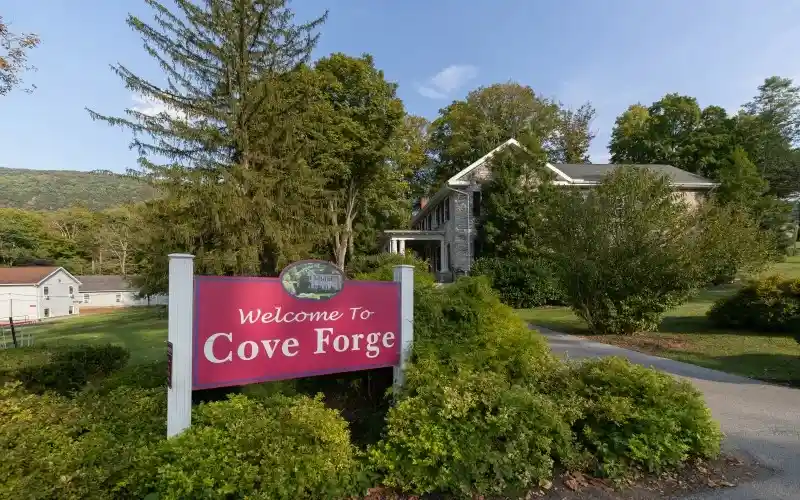
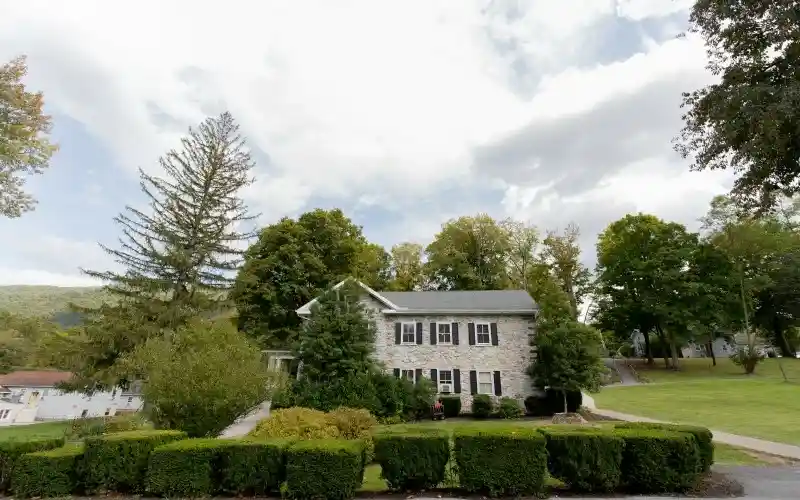


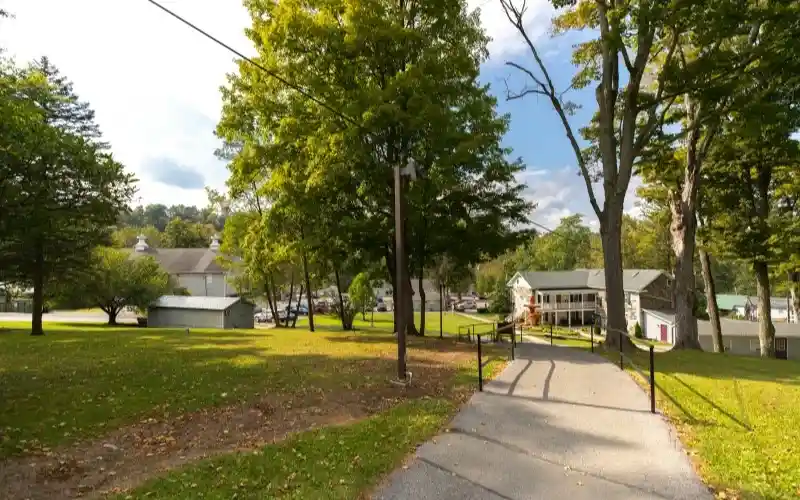
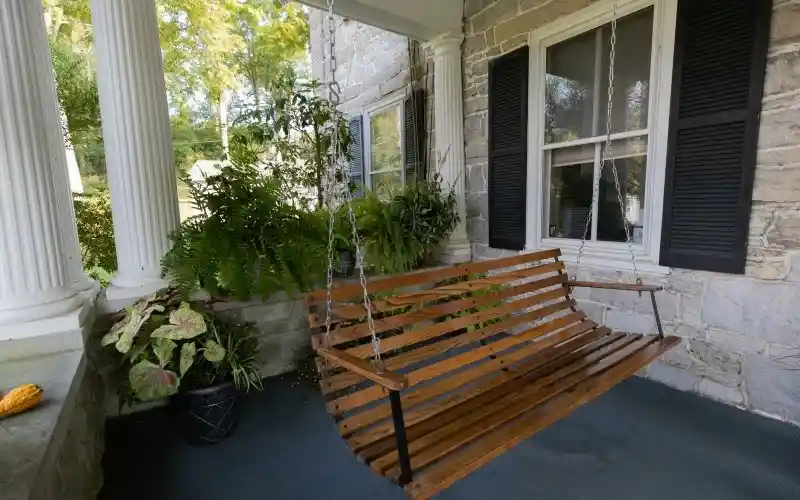

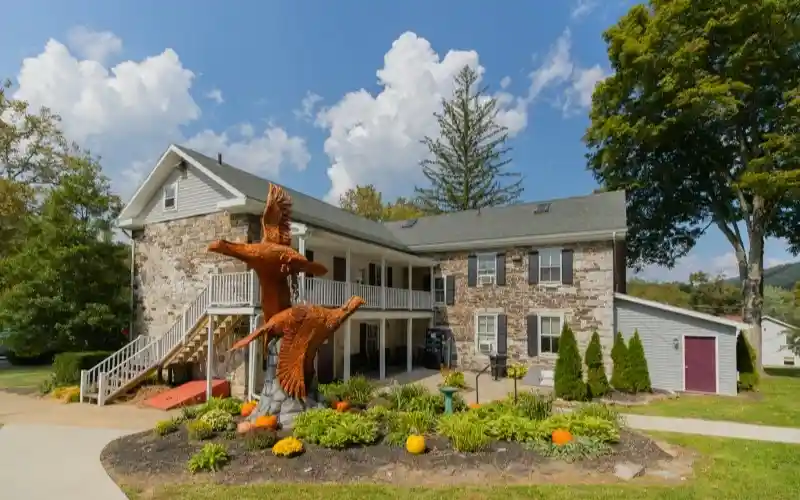
Located among the woods and mountains of the beautiful Pennsylvania countryside, Cove Forge Behavioral Health System provides comprehensive care for individuals who are battling substance abuse, chemical dependency, and other chronic behavioral health disorders. Cove Forge offers a full continuum of evidence-based treatment, ranging from detox to outpatient care.
The treatment and rehab programs offered at Cove Forge fall under two basic types of programming: regular rehabilitation and dual diagnosis rehabilitation. When individuals are working to overcome a substance use disorder while also battling the symptoms of a co-occurring mental health disorder, they can benefit from participating in a dual diagnosis program. This program is designed to be diagnosis-specific, offering individuals the opportunity to receive truly personalized care that is centered on their unique treatment requirements. While in this rehab program, individuals are able to work with both a chemical dependency counselor and a mental health counselor, ensuring that professional intervention is received at all levels.
Designed to help individuals safely withdraw from physically addicting drugs, such as alcohol, opioids, and sedative-hypnotics, the detox program at Cove Forge is monitored by medical staff and includes 24-hour nursing supervision. The typical length of stay is between 3 and 5 days, at which point patients progress to the Residential program.
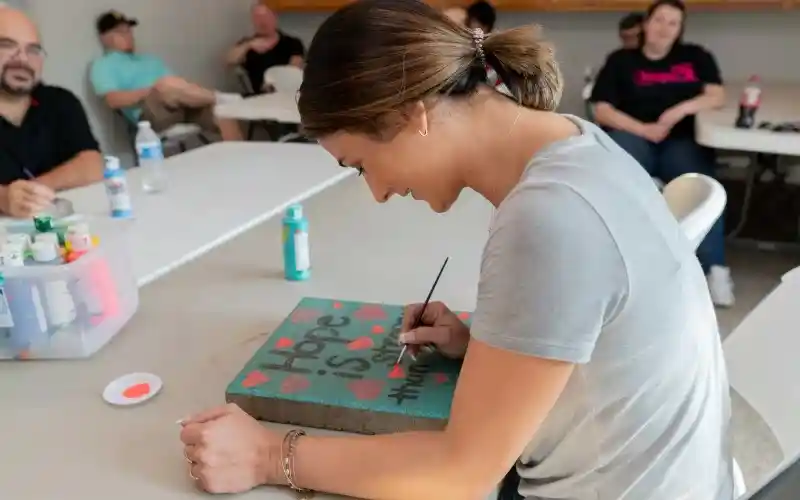
Cove Forge’s residential rehabilitation program is a co-ed treatment option for adults with a primary diagnosis of chemical dependency. Residents typically stay 2–4 weeks, but actual length of stay is determined according to each individual’s needs. The residential treatment program consists of individual 30-minute therapy sessions at least once per week, group therapy, family therapy, and 12-step facilitation. Experiential therapies are also included in the program, such as music therapy, recreation therapy, and art therapy. Cove Forge also hosts many groups, including chemical dependency groups, diagnosis-specific mental health groups (such as anxiety and depression), gratitude groups, Bible study, music performance group, and “real talk” groups, with topics covering life skills like relapse prevention, stress management, and post-acute withdrawal syndrome (PAWS).
Most individuals enter PHP as a step-down level of care following residential treatment, with eventual transition to an outpatient treatment program in their home area. Cove Forge’s program includes a housing component, with separate residences for men and women. Programming occurs 7 days per week.
Cove Forge understands how complex addictions and mental health disorders are for those who have served in the military. The Veterans Program provides personalized support for veterans who are struggling with addictions and co-occurring mental health disorders. Veterans who are going through withdrawal must complete medical detoxification prior to entering the program. Program therapies include individual, group, and family therapy, as well as reality therapy, cognitive behavioral therapy (CBT), motivational interviewing, and the 12-Step recovery model, The Veterans Program also offers experiential therapies, including a ropes course and rock climbing twice a week. The average length of stay in the program is 21-28 days.
Cove Forge believes that chemical dependence is a disease, not a character flaw, and should be treated as such. Throughout the recovery community, and society at large, there is a vast amount of misinformation about addiction and relapse. Cove Forge addresses the disease of addiction on a deeper, neurobiological level, focusing on activities and supports that promote healing. Using researched-backed treatment modalities, the HOPE program at Cove Forge offers groups and activities including a humor group, exercise program, endorphin-inducing nutrition, and a Big Brother/Big Sister (mentorship) program. Clients meet with nurses for individual support and education sessions, and VIVITROL/ReVia is offered as a recovery support option for opioid dependence.
The opportunity to practice one’s faith can be critical to the healing process from addiction and co-occurring mental health challenges. Cove Forge understands that integrating teachings of the Bible, such as love, forgiveness, suffering, perseverance, and hope, may help some individuals find the inner strength they need to reach their recovery goals. Whether a patient has deep faith-based roots or is interested in exploring faith as part of the healing process, patients have the option of adding this specialty track while participating in either the residential or partial hospitalization program. Patients can choose to attend Christ-centered groups Mondays through Fridays, as well as church services on Sunday afternoons. A pastoral counselor leads the faith-based groups at Cove Forge Behavioral Health, incorporating both therapeutic and theological concepts into each group discussion.

Men
Women
Men and Women
Men and Women
Men and women attend treatment for addiction in a co-ed setting, going to therapy groups together to share experiences, struggles, and successes.
Veterans
Veterans
Patients who completed active military duty receive specialized treatment focused on trauma, grief, loss, and finding a new work-life balance.

Mental health is a complex health condition that requires a comprehensive, patient-centered approach to treatment that ensures you receive the appropriate care at the right time, based on your individual needs.

Typically the initial stage of treatment for substance use, focusing on medically supervised management of withdrawal symptoms.
An intensive program offering 24 hour care and a variety of therapeutic services in a residential setting.

Transitional housing designed to support individuals recovering from substance use disorders offering a safe, supportive and structured environment for practicing long-term sobriety, while reintegrating back into daily living.
In a PHP, patients live at home but follow an intensive schedule of treatment. Most programs require you to be on-site for about 40 hours per week.
Treatment programming allowing patients to receive care without staying in a hospital or inpatient facility, providing a variety of therapeutic and medical services.

Alcohol
Alcohol
Using alcohol as a coping mechanism, or drinking excessively throughout the week, signals an alcohol use disorder.
Drug Addiction
Drug Addiction
Drug addiction is the excessive and repetitive use of substances, despite harmful consequences to a person’s life, health, and relationships.
Heroin
Heroin
Heroin is a highly addictive and illegal opioid. It can cause insomnia, collapsed veins, heart issues, and additional mental health issues.
Christian
Christian
Through surrender and commitment to Christ, patients refocus the efforts and source of their recovery with clinical and spiritual care.
Veterans
Veterans
Patients who completed active military duty receive specialized treatment focused on trauma, grief, loss, and finding a new work-life balance.
Evidence-Based
Evidence-Based
A combination of scientifically rooted therapies and treatments make up evidence-based care, defined by their measured and proven results.
Individual Treatment
Individual Treatment
Individual care meets the needs of each patient, using personalized treatment to provide them the most relevant care and greatest chance of success.
Twelve Step
Twelve Step
Incorporating spirituality, community, and responsibility, 12-Step philosophies prioritize the guidance of a Higher Power and a continuation of 12-Step practices.
Group Therapy
Experiential
Experiential
Expressive tools and therapies help patients process past situations, learn more about themselves, and find healing through action.
Christian
Christian
Through surrender and commitment to Christ, patients refocus the efforts and source of their recovery with clinical and spiritual care.
Spiritual Emphasis
Spiritual Emphasis
Spirituality connects patients to a higher power and helps strengthen their recovery, hope, and compliance with other treatment modalities.
Rational Emotive Behavior Therapy
Rational Emotive Behavior Therapy
A type of cognitive therapy that identifies negative self-defeating thoughts and behaviors, rewriting beliefs to be positive, empowering, and present.
Art Therapy
Art Therapy
Visual art invites patients to examine the emotions within their work, focusing on the process of creativity and its gentle therapeutic power.
Cognitive Behavioral Therapy
Family Therapy
Family Therapy
Family therapy addresses group dynamics within a family system, with a focus on improving communication and interrupting unhealthy relationship patterns.
Life Skills
Life Skills
Teaching life skills like cooking, cleaning, clear communication, and even basic math provides a strong foundation for continued recovery.
Medication-Assisted Treatment
Medication-Assisted Treatment
Combined with behavioral therapy, prescribed medications can enhance treatment by relieving withdrawal symptoms and focus patients on their recovery.
Music Therapy
Music Therapy
Singing, performing, and even listening to music can be therapeutic. Music therapy sessions are facilitated by certified counselors.
Psychoeducation
Psychoeducation
This method combines treatment with education, teaching patients about different paths toward recovery. This empowers them to make more effective decisions.
Recreation Therapy
Recreation Therapy
In recreation therapy, recovery can be joyful. Patients practice social skills and work through emotional triggers by engaging in fun activities.
Spiritual Care
Spiritual Care
Tending to spiritual health helps treatment become more effective, allowing patients to better cope with their emotions and rebuild their spiritual wellbeing.
Twelve Step Facilitation
Twelve Step Facilitation
12-Step groups offer a framework for addiction recovery. Members commit to a higher power, recognize their issues, and support each other in the healing process.
Group Therapy
Yoga
Yoga
Yoga is both a physical and spiritual practice. It includes a flow of movement, breathing techniques, and meditation.
Prescription Drugs
Prescription Drugs
It’s possible to abuse any drug, even prescribed ones. If you crave a medication, or regularly take it more than directed, you may have an addiction.
Co-Occurring Disorders
Co-Occurring Disorders
A person with multiple mental health diagnoses, such as addiction and depression, has co-occurring disorders also called dual diagnosis.
Ecstasy
Ecstasy
Ecstasy is a stimulant that causes intense euphoria and heightened awareness. Abuse of this drug can trigger depression, insomnia, and memory problems.
Opioids
Opioids
Opioids produce pain-relief and euphoria, which can lead to addiction. This class of drugs includes prescribed medication and the illegal drug heroin.
Alcohol
Alcohol
Using alcohol as a coping mechanism, or drinking excessively throughout the week, signals an alcohol use disorder.
Methamphetamine
Methamphetamine
Methamphetamine, or meth, increases energy, agitation, and paranoia. Long-term use can result in severe physical and mental health issues.
Heroin
Heroin
Heroin is a highly addictive and illegal opioid. It can cause insomnia, collapsed veins, heart issues, and additional mental health issues.
Psychedelics
Psychedelics
Hallucinogenic drugs—like LSD—cause euphoria and increased sensory experiences. When abused, they can lead to depression and psychosis.
Marijuana
Synthetic Drugs
Synthetic Drugs
Synthetic drugs are made in a lab, unlike plant-based drugs like mushrooms. Most synthetic drugs are either stimulants or synthetic cannabinoids.
Drug Addiction
Drug Addiction
Drug addiction is the excessive and repetitive use of substances, despite harmful consequences to a person’s life, health, and relationships.

Religion-Based Track
Religion-Based Track
Patients can join faith-based recovery tracks to approach recovery with others in their faith, healing in a like-minded group with similar goals.
Williamsburg, Pennsylvania, United States.
Cove Forge Behavioral Health accepts most major forms of insurance, and we always welcome the opportunity to partner with new providers..
Yes, services include detox.
Top10 Rehabs is an independent organization that simplifies finding the best mental health and addiction treatment. Comprehensive profiles of over 2,500 rehab centers include insurance coverage, pricing, photos, reviews, and more. Choosing the best path to recovery has never been easier.