

Unclaimed
This provider hasn’t verified their profile’s information. Are you the owner of this center? Claim your listing to better manage your presence on Top10 Rehabs.
Treating adolescents, young adults, and older adults struggling with behavioral health and substance use disorders in an outpatient setting.
Claim your profile to manage this page and enable the messaging form.

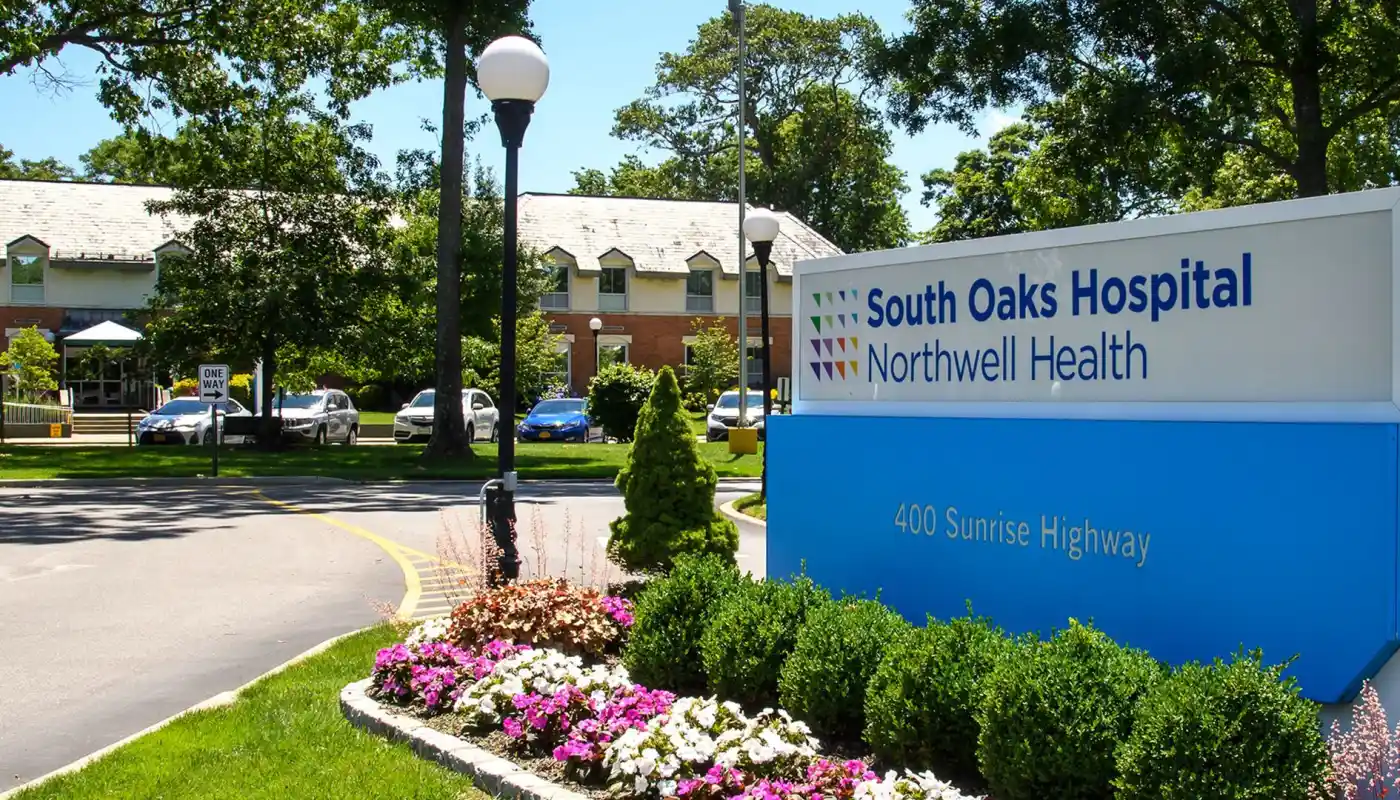
South Oaks Hospital is a member of one of the largest healthcare systems in New York, Northwell Health. Northwell Health cares for over two million people in the surrounding New York metro area, with 20+ hospitals and over 890 outpatient facilities.
The partial hospitalization program offers psychiatric treatment for those of ages 13 through 17 who struggle with anxiety, depression, anger managements, mood shifts, self harm, and suicidal ideation. Through an evidence based practice called “C.A.R.E” (Connectedness, Awareness, Respect and Empathy) the staff at South Oaks Hospital provide support and skills for clients to improve functioning during everyday activities, school life, and in their home environment. The team consists of child psychiatrists, psychiatric nurse practitioners, counselors and social workers. The program operates Monday through Friday from 8am to 4pm, and offers a wide range of therapies including dialectical behavior therapy, individual and group sessions, art therapy, and assessments for medication-assisted treatment.
Inpatient services are offered for those of ages 5 through 17 that require intensive psychiatric treatment due to behavioral and/or emotional illness. Services include a comprehensive psychiatric assessment, dialectical behavior therapy, educational assistance, family therapy, trauma informed care, among many others.
Other services for the child and adolescent program include outpatient care, career and educational counseling, and mental health consultation services at student’s school districts.
The inpatient psychiatry program offers services to those 18 and older who are struggling with symptoms of psychiatric disorders. The program uses psychotherapeutic and pharmacological interventions, as well as providing around the clock nursing care, cognitive behavioral therapy, group psychotherapy, and medical evaluations to name a few.
South Oaks Hospital also offers an inpatient substance use disorder program for those suffering from a variety of chemical dependencies. Medically supervised detoxification and rehabilitation services are followed by an outpatient clinic, which utilizes motivational interviewing, group counseling, individual therapy, and other evidence based practices.

Men
Women
Older Adults
Older Adults
Addiction and mental health treatment caters to adults 55+ and the age-specific challenges that can come with recovery, wellness, and overall happiness.
Adolescents
Adolescents
Adolescents receive the treatment they need for mental health disorders and addiction, with the added support of educational and vocational services.
Children
Children
Treatment for children incorporates the psychiatric care they need and education, often led by on-site teachers to keep children on track with school.

Mental health is a complex health condition that requires a comprehensive, patient-centered approach to treatment that ensures you receive the appropriate care at the right time, based on your individual needs.

Typically the initial stage of treatment for substance use, focusing on medically supervised management of withdrawal symptoms.
An intensive program offering 24 hour care and a variety of therapeutic services in a residential setting.

Transitional housing designed to support individuals recovering from substance use disorders offering a safe, supportive and structured environment for practicing long-term sobriety, while reintegrating back into daily living.
In a PHP, patients live at home but follow an intensive schedule of treatment. Most programs require you to be on-site for about 40 hours per week.
Treatment programming allowing patients to receive care without staying in a hospital or inpatient facility, providing a variety of therapeutic and medical services.

Adolescents
Adolescents
Adolescents receive the treatment they need for mental health disorders and addiction, with the added support of educational and vocational services.
Personality Disorders
Personality Disorders
Personality disorders destabilize the way a person thinks, feels, and behaves. If untreated, they can undermine relationships and lead to severe distress.
Anxiety
Anxiety
Anxiety is a common mental health condition that can include excessive worry, panic attacks, physical tension, and increased blood pressure.
Self-Harm
Self-Harm
The act of intentionally harming oneself, also called self-injury, is associated with mental health issues like depression.
Suicidality
Suicidality
With suicidality, a person fantasizes about suicide, or makes a plan to carry it out. This is a serious mental health symptom.
Trauma-Specific Therapy
Trauma-Specific Therapy
This form of talk therapy addresses any childhood trauma at the root of a patient’s current diagnosis.
Art Therapy
Art Therapy
Visual art invites patients to examine the emotions within their work, focusing on the process of creativity and its gentle therapeutic power.
Cognitive Behavioral Therapy
Family Therapy
Family Therapy
Family therapy addresses group dynamics within a family system, with a focus on improving communication and interrupting unhealthy relationship patterns.
Medication-Assisted Treatment
Medication-Assisted Treatment
Combined with behavioral therapy, prescribed medications can enhance treatment by relieving withdrawal symptoms and focus patients on their recovery.
Recreation Therapy
Recreation Therapy
In recreation therapy, recovery can be joyful. Patients practice social skills and work through emotional triggers by engaging in fun activities.
Seeking Safety
Seeking Safety
Not looking to the past, patients improve their present circumstances. They work toward safety without detailing traumatic events.
Group Therapy
Schizophrenia
Schizophrenia
Schizophrenia is a serious mental health condition that causes hallucinations, delusions, and disordered thinking.
Alcohol
Alcohol
Using alcohol as a coping mechanism, or drinking excessively throughout the week, signals an alcohol use disorder.
Anger
Anger
Although anger itself isn’t a disorder, it can get out of hand. If this feeling interferes with your relationships and daily functioning, treatment can help.
Anxiety
Anxiety
Anxiety is a common mental health condition that can include excessive worry, panic attacks, physical tension, and increased blood pressure.
Benzodiazepines
Benzodiazepines
Benzodiazepines are prescribed to treat anxiety and sleep issues. They are highly habit forming, and their abuse can cause mood changes and poor judgement.
Bipolar
Bipolar
This mental health condition is characterized by extreme mood swings between depression, mania, and remission.
Cocaine
Cocaine
Cocaine is a stimulant with euphoric effects. Agitation, muscle ticks, psychosis, and heart issues are common symptoms of cocaine abuse.
Depression
Depression
Symptoms of depression may include fatigue, a sense of numbness, and loss of interest in activities. This condition can range from mild to severe.
Drug Addiction
Drug Addiction
Drug addiction is the excessive and repetitive use of substances, despite harmful consequences to a person’s life, health, and relationships.
Ecstasy
Ecstasy
Ecstasy is a stimulant that causes intense euphoria and heightened awareness. Abuse of this drug can trigger depression, insomnia, and memory problems.
Psychedelics
Psychedelics
Hallucinogenic drugs—like LSD—cause euphoria and increased sensory experiences. When abused, they can lead to depression and psychosis.
Marijuana
Methamphetamine
Methamphetamine
Methamphetamine, or meth, increases energy, agitation, and paranoia. Long-term use can result in severe physical and mental health issues.
Obsessive Compulsive Disorder
Obsessive Compulsive Disorder
OCD is characterized by intrusive and distressing thoughts that drive repetitive behaviors. This pattern disrupts daily life and relationships.
Opioids
Opioids
Opioids produce pain-relief and euphoria, which can lead to addiction. This class of drugs includes prescribed medication and the illegal drug heroin.
Prescription Drugs
Prescription Drugs
It’s possible to abuse any drug, even prescribed ones. If you crave a medication, or regularly take it more than directed, you may have an addiction.
Post Traumatic Stress Disorder
Post Traumatic Stress Disorder
PTSD is a long-term mental health issue caused by a disturbing event or events. Symptoms include anxiety, dissociation, flashbacks, and intrusive thoughts.
Self-Harm
Self-Harm
The act of intentionally harming oneself, also called self-injury, is associated with mental health issues like depression.
Suicidality
Suicidality
With suicidality, a person fantasizes about suicide, or makes a plan to carry it out. This is a serious mental health symptom.
Trauma
Trauma
Some traumatic events are so disturbing that they cause long-term mental health problems. Those ongoing issues can also be referred to as ‘trauma.’

Amityville, New York, United States.
Northwell Health is a participating provider in many health plan networks. Some plans use smaller networks for certain products they offer, so it’s important to check whether or not we participate in the specific plan you are covered by..
The typical length is 30 days.
Yes, services include detox.
Top10 Rehabs is an independent organization that simplifies finding the best mental health and addiction treatment. Comprehensive profiles of over 2,500 rehab centers include insurance coverage, pricing, photos, reviews, and more. Choosing the best path to recovery has never been easier.