Verified
This provider’s information has been quality-checked by Top10 Rehabs’s Research Team for accuracy and completeness, including data verification through appropriate third-party organizations.View This Center’s Verified License
Provider’s Policy
$7,000
A retreat-style detox center with licensed doctors, 24/7 nursing staff, medication-assisted treatment (MAT) and on-site therapy.
Highlights
Connect with Princeton Detox & Recovery Center by calling their admissions team directly.


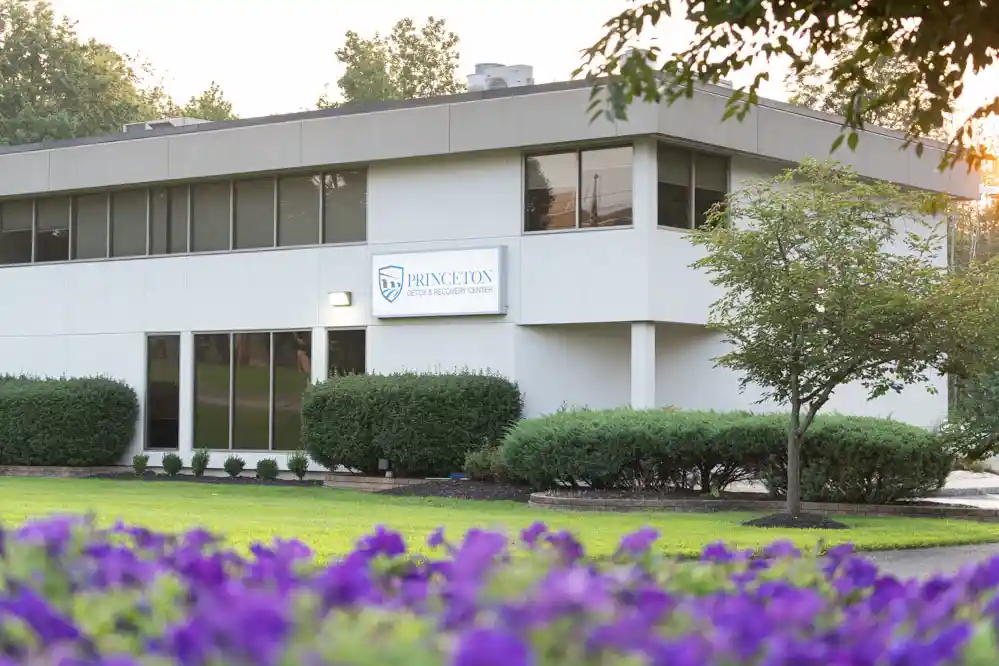
Princeton Detox & Recovery provides medically monitored detox in a boutique home, with typical stay times lasting 6-10 days. They offer medication-assisted treatment to help with withdrawal symptoms and to make detox as comfortable as possible. Nurses monitor detox 24/7. Princeton Detox & Recovery also provides therapeutic care in individual, group, and family settings. Princeton Detox & Recovery offers aftercare support by providing connections to residential rehabs, sober living homes, and outpatient programs.
Princeton Detox & Recovery begins treatment with medical, psychosocial, and psychological evaluations. These help their clinicians establish a safe and effective detox plan, and diagnose any underlying mental health conditions or trauma. Princeton also assigns each client a case manager. Their case manager oversees treatment, collaborating with Princeton’s clinical team, clients’ family members, and other treatment providers for a smooth handoff to continued care.
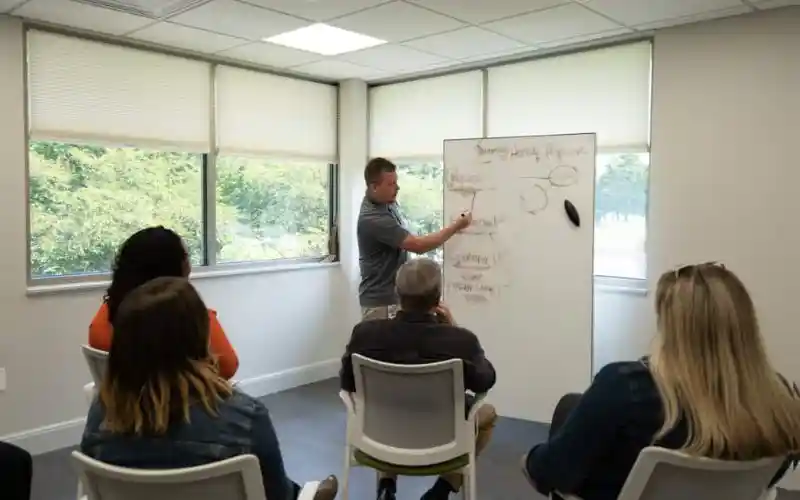
Once able, clients can attend individual, group, and family therapy sessions. Princeton Detox & Recovery uses evidence-based therapies like cognitive behavioral therapy (CBT) and dialectical behavioral therapy (DBT) with motivational interviewing techniques. They also teach clients and their families about relapse prevention, and educate all on addiction and the science behind it.
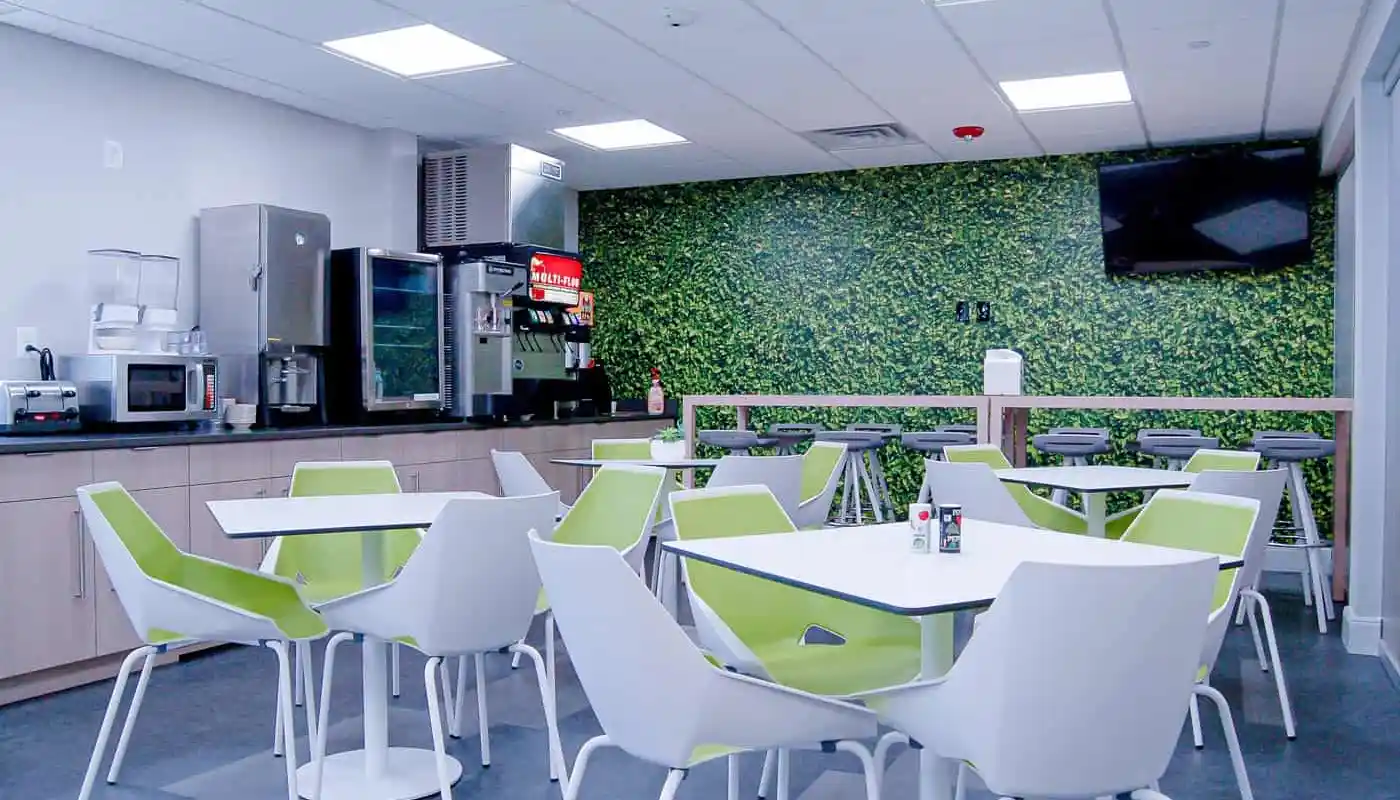
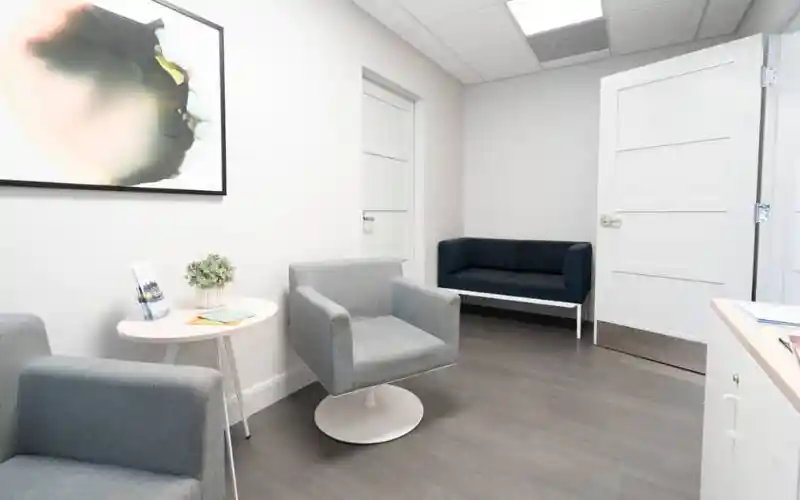
Princeton Detox & Recovery welcomes clients into a comfortable, homelike environment during detox. They offer amenities like private rooms, wellness opportunities, and an on-site chef. Princeton Detox & Recovery also offers transport services for their tri-state area, or a sober escort who can travel with clients and offer support during the process.
What To Expect

Provider’s Policy:Princeton Detox & Recover Center will contact your insurance provider to learn more about your benefits and how you are covered. Their Treatment Advisors will share all your insurance benefit information with you in simple language so you can understand exactly what your coverage includes.


With roots in the health field dating back to 1961, Humana is a trusted insurance provider that proudly serves over 20 million Americans.
A leading healthcare provider serving over 100 million Americans as one of the largest insurance companies in the country.
Carelon Behavioral Health, formerly Beacon Health Options, is headquartered in Boston, Massachusetts and serves over 40 million people.
Serving over 5.1 million members across the country with a range of health insurance options for individuals from all walks of life.
One of the largest health insurance companies in the US, offering several health insurance options to individuals and businesses.
Founded in 1946, Anthem is the 4th largest public managed health care company in the United States and serves over 46 million clients.
Founded in 1996, Highmark helps 7 million customers all across the eastern half of the United States get quality care.
Understanding no 2 people are alike, Princeton Detox & Recovery customizes the detox plan of each client. Medical and psychological evaluations help guide treatment, along with an in-depth understanding of family history, underlying mental health conditions, and trauma. Princeton’s team crafts a treatment plan that can yield both a safe detox and effective care for the mind and spirit.
Princeton Detox & Recovery offers optional wellness opportunities and therapies. They provide evidence-based therapies like CBT and DBT in individual and group settings. Support groups include 12-Step meetings. Princeton also welcomes families for family therapy. Clients can enjoy yoga, art therapy, mindfulness practices, and guided meditation.
Princeton Detox & Recovery invites families on site for family therapy and psychoeducational groups. With family therapy, clients and their loved ones can learn healthy communication, boundary setting, and how to recognize enabling behaviors. Princeton’s psychoeducational workshops teach clients and their families about relapse prevention, and how to manage triggers and stressors as they come.
Clients receive connections and referrals to further care after detox. Princeton Detox & Recovery can help clients find a sober living home, intensive outpatient program (IOP), or residential rehab that meets their needs. Clients’ case managers help ensure they get the right level of care, and have a smooth transition into further treatment.
RehabPath verified that the name, location, contact information and license to operate for this treatment provider are valid and up-to-date. Princeton Detox & Recovery Center has verified the information on this page to be accurate.
RehabPath is an independent, third-party mental health resource. Verification does not imply endorsement and does not guarantee the quality of treatment services
Men
Women
Young Adults
Young Adults
Emerging adults ages 18-25 receive treatment catered to the unique challenges of early adulthood, like college, risky behaviors, and vocational struggles.
LGBTQ+
LGBTQ+
Addiction and mental illnesses in the LGBTQ+ community must be treated with an affirming, safe, and relevant approach, which many centers provide.
Men and Women
Men and Women
Men and women attend treatment for addiction in a co-ed setting, going to therapy groups together to share experiences, struggles, and successes.
Midlife Adults
Midlife Adults
For adults ages 40+, treatment shifts to focus on the unique challenges, blocks, and risk factors of their age group, and unites peers in a similar community.
Alcohol
Alcohol
Using alcohol as a coping mechanism, or drinking excessively throughout the week, signals an alcohol use disorder.
Cocaine
Cocaine
Cocaine is a stimulant with euphoric effects. Agitation, muscle ticks, psychosis, and heart issues are common symptoms of cocaine abuse.
Drug Addiction
Drug Addiction
Drug addiction is the excessive and repetitive use of substances, despite harmful consequences to a person’s life, health, and relationships.
Heroin
Heroin
Heroin is a highly addictive and illegal opioid. It can cause insomnia, collapsed veins, heart issues, and additional mental health issues.
Marijuana
Opioids
Opioids
Opioids produce pain-relief and euphoria, which can lead to addiction. This class of drugs includes prescribed medication and the illegal drug heroin.
Prescription Drugs
Prescription Drugs
It’s possible to abuse any drug, even prescribed ones. If you crave a medication, or regularly take it more than directed, you may have an addiction.
Detox
Detox
Detox fully and safely removes toxic substances from the body, allowing the next steps in treatment to begin with a clean slate.
Detox
Detox
Detox fully and safely removes toxic substances from the body, allowing the next steps in treatment to begin with a clean slate.
Evidence-Based
Evidence-Based
A combination of scientifically rooted therapies and treatments make up evidence-based care, defined by their measured and proven results.
1-on-1 Counseling
1-on-1 Counseling
Patient and therapist meet 1-on-1 to work through difficult emotions and behavioral challenges in a personal, private setting.
Meditation & Mindfulness
A practiced state of mind that brings patients to the present. It allows them to become fully aware of themselves, their feelings, and the present moment.
Cognitive Behavioral Therapy
Family Therapy
Family Therapy
Family therapy addresses group dynamics within a family system, with a focus on improving communication and interrupting unhealthy relationship patterns.
Medication-Assisted Treatment
Combined with behavioral therapy, prescribed medications can enhance treatment by relieving withdrawal symptoms and focus patients on their recovery.
Motivational Interviewing
Based on the idea that motivation to change comes from within, providers use a conversational framework to discover personalized methods for change.
Motivational Interviewing and Enhancement Therapy (MET)
This approach is based on idea that motivation to change comes from within. Providers use a conversational framework that may help you commit to recovery.
Nutrition Counseling
Nutritious food helps patients heal from within, setting them up for mental and bodily wellness as they learn about healthy eating.
Relapse Prevention Counseling
Relapse prevention counselors teach patients to recognize the signs of relapse and reduce their risk.
Relaxation Therapy
Relaxation Therapy
Muscle relaxation techniques relax mind and body. They can easily be practiced outside treatment, making it a valuable coping tool for continued recovery.
Twelve Step Facilitation
12-Step groups offer a framework for addiction recovery. Members commit to a higher power, recognize their issues, and support each other in the healing process.
Group Therapy
Yoga
Yoga
Yoga is both a physical and spiritual practice. It includes a flow of movement, breathing techniques, and meditation.
Prescription Drugs
Prescription Drugs
It’s possible to abuse any drug, even prescribed ones. If you crave a medication, or regularly take it more than directed, you may have an addiction.
Nicotine
Cocaine
Cocaine
Cocaine is a stimulant with euphoric effects. Agitation, muscle ticks, psychosis, and heart issues are common symptoms of cocaine abuse.
Benzodiazepines
Benzodiazepines
Benzodiazepines are prescribed to treat anxiety and sleep issues. They are highly habit forming, and their abuse can cause mood changes and poor judgement.
Opioids
Opioids
Opioids produce pain-relief and euphoria, which can lead to addiction. This class of drugs includes prescribed medication and the illegal drug heroin.
Alcohol
Alcohol
Using alcohol as a coping mechanism, or drinking excessively throughout the week, signals an alcohol use disorder.
Methamphetamine
Methamphetamine
Methamphetamine, or meth, increases energy, agitation, and paranoia. Long-term use can result in severe physical and mental health issues.
Heroin
Heroin
Heroin is a highly addictive and illegal opioid. It can cause insomnia, collapsed veins, heart issues, and additional mental health issues.
Marijuana
Synthetic Drugs
Synthetic Drugs
Synthetic drugs are made in a lab, unlike plant-based drugs like mushrooms. Most synthetic drugs are either stimulants or synthetic cannabinoids.
Drug Addiction
Drug Addiction
Drug addiction is the excessive and repetitive use of substances, despite harmful consequences to a person’s life, health, and relationships.
Support Meetings
Outpatient Treatment
Aftercare Recovery Coach
Aftercare Home Support
Follow-up Sessions (online)
Relapse Prevention Planning
Aftercare App
Ability to Call a Counselor
Alumni Events & Get-Togethers
Sober Companion
Alumni Reunions
Private, Online Alumni Groups
Support Meetings (on-site)
Aftercare Group Therapy
Air-Conditioned Rooms
Housekeeping
Private or Shared Rooms
TV
View
Access to Nature
Airport Transfers
Gardens
Chef-prepared Meals
Outdoor Lounge
Recreation Room
Dietary Accommodations
Vegan
Vegetarian
Gluten-Free
COVID-19 Measures
Halal
Kosher
Yoga
Yoga
Yoga is both a physical and spiritual practice. It includes a flow of movement, breathing techniques, and meditation.
AA/NA Meetings
Executive Director
M.Ed, LCADC, CCS, ICAADC, CAADC
Director of Nursing
RN, BSN, MA, NBCC, LAC
Director of Operations
Clinical Lead
MA, CAADC, CCS
Counselor
CRS
Counselor
LSW, MSW
Counselor
LSW, MSW
Director of Admissions
Admissions Manager
Treatment Advisor/Concierge Account Manager
Treatment Advisor
Treatment Advisor
Browse Princeton Detox & Recovery’s photo gallery to see more of their facility and amenities.
See answers to questions about stay times, costs, and more.
Princeton Detox & Recovery highlights their advanced nurse practitioner, Ann Hirschman, and what her vast experience brings to Princeton.
Princeton Detox & Recovery details the importance of gratitude in addiction recovery.
I would recommend this place to anyone – the staff are all incredibly helpful throughout your entire stay, and I can truly say I felt comfortable, safe and well looked after from beginning to end. If you’re looking to start your recovery somewhere, this is the place to go.
While costs may vary due to program length and insurance benefits, it typically costs $7,000.
Monmouth Junction, New Jersey, United States.
Princeton Detox & Recover Center will contact your insurance provider to learn more about your benefits and how you are covered. Their Treatment Advisors will share all your insurance benefit information with you in simple language so you can understand exactly what your coverage includes..
The typical length is 3-7 days.
Yes, services include detox.
Top10 Rehabs is an independent organization that simplifies finding the best mental health and addiction treatment. Comprehensive profiles of over 2,500 rehab centers include insurance coverage, pricing, photos, reviews, and more. Choosing the best path to recovery has never been easier.