

Claimed
Top10 Rehabs has connected directly with this treatment provider to validate the information in their profile.
A dual-diagnosis outpatient facility providing personalized, compassionate treatment for substance use and co-occurring disorders with evidence-based care.
Connect with Freedom Health by calling their admissions team directly.
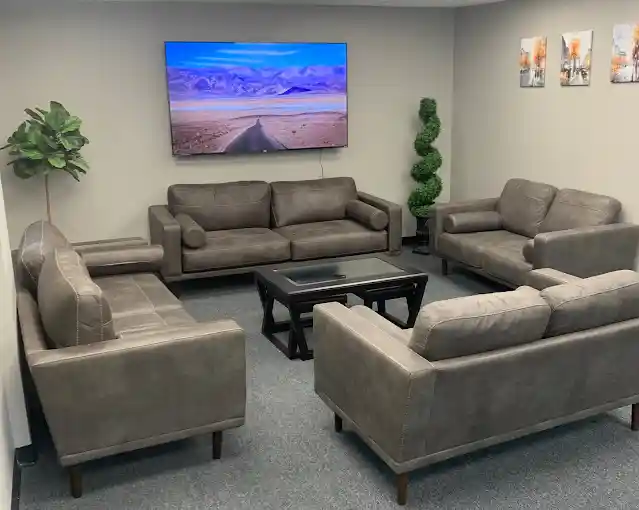
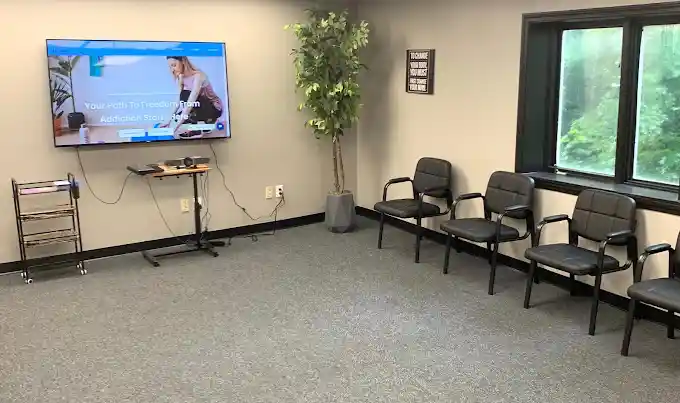
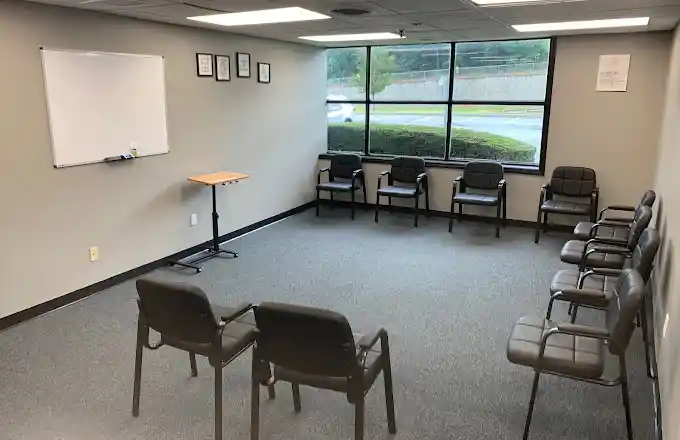
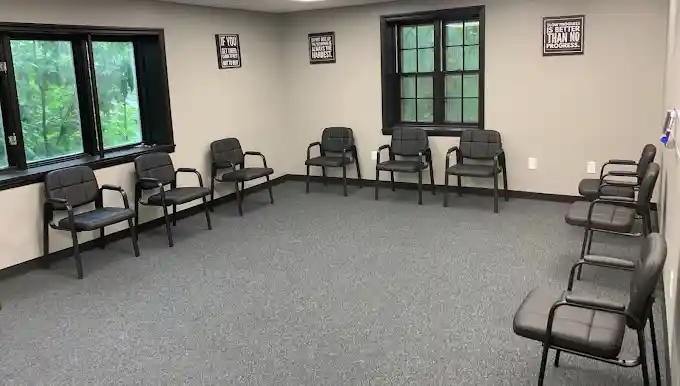
Freedom Health is an outpatient treatment facility offering flexible and comprehensive care through their partial hospitalization program (PHP), intensive outpatient program (IOP), and outpatient program (OP) for individuals struggling with dual-diagnosis disorders. Their compassionate staff members are dedicated to assisting in the building of a foundation for sustainable recovery for clients and their families.
The partial hospitalization program (PHP) at Freedom Health is their highest and most intensive level of care. PHP is typically less restrictive than residential treatment while still providing a high level of medical and psychological support, offering clients much more flexibility when it comes to receiving dual-diagnosis addiction treatment. Freedom Health’s PHP program offers a combination of holistic and behavioral therapies, recreational activities, and wellness education with 6 hours of treatment per day, 5-6 days per week. The intensive outpatient program (IOP) is a step down from PHP, offering similar evidence-based and holistic treatment but typically requiring less of a time commitment, meeting 15-20 hours per week with the option for morning or evening sessions.
Clients will partake in an initial bio-psycho-social assessment, allowing clinical staff to gain a deeper understanding of the client’s unique needs and develop an individually tailored treatment plan. Their holistic approach focuses on overall physical, emotional, and spiritual healing for those struggling with addiction and co-occurring disorders. Treatment programs include process groups, providing a safe and supportive space to work through underlying causes of addiction, cognitive behavioral therapy (CBT) groups, group personal training programs focusing on exercise, nutrition, and overall wellness, vocational and life skills, legal support and case management services if needed, family support and education, and psychiatric and medical support including medication-assisted treatment (MAT). Other holistic treatment options include chiropractic and massage therapy, yoga, mindfulness practice, and experiential therapies. Group therapy topics may include addiction education, basics of recovery, recovery philosophy, relapse prevention, anger management, codependency, and psychoeducation.
Freedom Health also offers an outpatient program (OP), their lowest level of care. Outpatient provides dual-diagnosis treatment through individual therapy sessions on a weekly basis. Clients are offered the flexibility of a hybrid treatment schedule, attending both in person and virtually. Their outpatient program (OP) continues to help individuals improve their lives after their program, including fitness goals, nutrition and healthy habits, time management and organization skills, vocational training and job searching, academic guidance, and other holistic treatment such as yoga and meditation practices.
Aftercare Support
Freedom health offers aftercare services as part of their comprehensive treatment model. Their aftercare program coordinates monthly recovery outings, weekly group meetings facilitated by staff follow-up calls and accountability check-ins, volunteer opportunities, assistance with recovery based fellowships, and periodically provides referrals and resources for outside care.
The average length of treatment at Freedom Health is 2.5 months. They are able to accommodate 10-15 clients at a time, with a 5-1 client to clinical team ratio.

Men
Women
Men and Women
Men and Women
Men and women attend treatment for addiction in a co-ed setting, going to therapy groups together to share experiences, struggles, and successes.

Mental health is a complex health condition that requires a comprehensive, patient-centered approach to treatment that ensures you receive the appropriate care at the right time, based on your individual needs.

Typically the initial stage of treatment for substance use, focusing on medically supervised management of withdrawal symptoms.
An intensive program offering 24 hour care and a variety of therapeutic services in a residential setting.
Transitional housing designed to support individuals recovering from substance use disorders offering a safe, supportive and structured environment for practicing long-term sobriety, while reintegrating back into daily living.

In a PHP, patients live at home but follow an intensive schedule of treatment. Most programs require you to be on-site for about 40 hours per week.
Treatment programming allowing patients to receive care without staying in a hospital or inpatient facility, providing a variety of therapeutic and medical services.
The delivery of therapeutic services utilizing technology such as video conferencing, online messaging or phone calls, allowing for flexibility, comfort and increased access to care.

Day Treatment
Day Treatment
In a PHP, patients live at home but follow an intensive schedule of treatment. Most programs require you to be on-site for about 40 hours per week.
Co-Occurring Disorders
Co-Occurring Disorders
A person with multiple mental health diagnoses, such as addiction and depression, has co-occurring disorders also called dual diagnosis.
Outpatient Therapy
1-on-1 Counseling
1-on-1 Counseling
Patient and therapist meet 1-on-1 to work through difficult emotions and behavioral challenges in a personal, private setting.
Online Therapy
Online Therapy
Patients can connect with a therapist via videochat, messaging, email, or phone. Remote therapy makes treatment more accessible.
Mindfulness Therapy
Mindfulness Therapy
This ancient practice can be mental, emotional, and even spiritual. In meditation, you focus your attention on the present moment without judgement.
Art Therapy
Art Therapy
Visual art invites patients to examine the emotions within their work, focusing on the process of creativity and its gentle therapeutic power.
Cognitive Behavioral Therapy
Introduction to the 12 Step Program
Eye Movement Therapy (EMDR)
Eye Movement Therapy (EMDR)
Lateral, guided eye movements help reduce the emotional reactions of retelling and reprocessing trauma, allowing intense feelings to dissipate.
Family Therapy
Family Therapy
Family therapy addresses group dynamics within a family system, with a focus on improving communication and interrupting unhealthy relationship patterns.
Life Skills
Life Skills
Teaching life skills like cooking, cleaning, clear communication, and even basic math provides a strong foundation for continued recovery.
Massage Therapy
Massage Therapy
Massage therapy relieves physical and emotional tension, reduces pain, promotes relaxation, and improves emotion regulation.
Medication-Assisted Treatment
Medication-Assisted Treatment
Combined with behavioral therapy, prescribed medications can enhance treatment by relieving withdrawal symptoms and focus patients on their recovery.
Motivational Interviewing
Motivational Interviewing
Based on the idea that motivation to change comes from within, providers use a conversational framework to discover personalized methods for change.
Music Therapy
Music Therapy
Singing, performing, and even listening to music can be therapeutic. Music therapy sessions are facilitated by certified counselors.
Nutrition Counseling
Nutrition Counseling
Nutritious food helps patients heal from within, setting them up for mental and bodily wellness as they learn about healthy eating.
Psychoeducation
Psychoeducation
This method combines treatment with education, teaching patients about different paths toward recovery. This empowers them to make more effective decisions.
Dialectical Behavior Therapy
Group Therapy
Alcohol
Alcohol
Using alcohol as a coping mechanism, or drinking excessively throughout the week, signals an alcohol use disorder.
Anger
Anger
Although anger itself isn’t a disorder, it can get out of hand. If this feeling interferes with your relationships and daily functioning, treatment can help.
Anxiety
Anxiety
Anxiety is a common mental health condition that can include excessive worry, panic attacks, physical tension, and increased blood pressure.
Benzodiazepines
Benzodiazepines
Benzodiazepines are prescribed to treat anxiety and sleep issues. They are highly habit forming, and their abuse can cause mood changes and poor judgement.
Co-Occurring Disorders
Co-Occurring Disorders
A person with multiple mental health diagnoses, such as addiction and depression, has co-occurring disorders also called dual diagnosis.
Cocaine
Cocaine
Cocaine is a stimulant with euphoric effects. Agitation, muscle ticks, psychosis, and heart issues are common symptoms of cocaine abuse.
Codependency
Codependency
Codependency is a pattern of emotional dependence and controlling behavior. It’s most common among people with addicted loved ones.
Addictions
Depression
Depression
Symptoms of depression may include fatigue, a sense of numbness, and loss of interest in activities. This condition can range from mild to severe.
Drug Addiction
Drug Addiction
Drug addiction is the excessive and repetitive use of substances, despite harmful consequences to a person’s life, health, and relationships.
Heroin
Heroin
Heroin is a highly addictive and illegal opioid. It can cause insomnia, collapsed veins, heart issues, and additional mental health issues.
Marijuana
Methamphetamine
Methamphetamine
Methamphetamine, or meth, increases energy, agitation, and paranoia. Long-term use can result in severe physical and mental health issues.
Opioids
Opioids
Opioids produce pain-relief and euphoria, which can lead to addiction. This class of drugs includes prescribed medication and the illegal drug heroin.
Stress
Stress
Stress is a natural reaction to challenges, and it can even help you adapt. However, chronic stress can cause physical and mental health issues.
Trauma
Trauma
Some traumatic events are so disturbing that they cause long-term mental health problems. Those ongoing issues can also be referred to as ‘trauma.’
Ability to Call a Counselor
Alumni Events & Get-Togethers
Follow-up Sessions (in-person)
Aftercare Group Therapy

Yoga
Yoga
Yoga is both a physical and spiritual practice. It includes a flow of movement, breathing techniques, and meditation.
AA/NA Meetings
Massage
Framingham, Massachusetts, United States.
The typical length is 2-3 months.
Top10 Rehabs is an independent organization that simplifies finding the best mental health and addiction treatment. Comprehensive profiles of over 2,500 rehab centers include insurance coverage, pricing, photos, reviews, and more. Choosing the best path to recovery has never been easier.